
You’re driving normally when the steering wheel suddenly starts vibrating. You slow down, but the shaking is still there. Then you wonder: why is my car shaking, and is it safe to keep driving?
A shaking car is usually a symptom, not a diagnosis. The cause may be as simple as an unbalanced tire or as serious as a damaged tire, brake problem, worn suspension part, or drivetrain issue. The most useful clues are when the shaking happens, where you feel it, and what other symptoms appear.
Quick Answer: Why Is My Car Shaking?
The most common causes of car shaking include unbalanced or damaged tires, bent wheels, brake problems, engine misfires, worn engine mounts, suspension issues, wheel bearings, alignment problems, CV axles, and other drivetrain faults. If the vibration suddenly becomes severe, especially with tire damage or poor vehicle control, reduce speed safely and have the vehicle inspected.
Key Takeaways
- Shaking at certain speeds often points toward the tires or wheels.
- Shaking while braking can indicate a brake-system problem.
- Shaking at idle can come from an engine misfire or worn engine mounts.
- Acceleration-related vibration can involve the engine, CV axle, or drivetrain.
- A sudden or severe vibration should not be ignored, especially if the car pulls, loses control, or shows visible tire damage.
Quick Diagnosis: When Does Your Car Shake?
| When it shakes | Possible causes |
| At idle | Engine misfire, engine mounts, air/fuel problems |
| At high speeds | Tire imbalance, damaged tire, bent wheel |
| When accelerating | CV axle, engine, mounts, drivetrain |
| When braking | Brake rotor, caliper, brake components |
| When turning | CV joint, steering or suspension |
| After a pothole | Tire, wheel, alignment or suspension damage |
| During startup | Ignition, engine or mounting problems |
The timing matters because vehicle vibration can occur at specific speeds or under specific conditions. A 2025 manufacturer technical bulletin recommends first identifying when and where the vibration occurs before narrowing down the cause.
15+ Common Causes of a Shaking Car
1. Unbalanced Tires
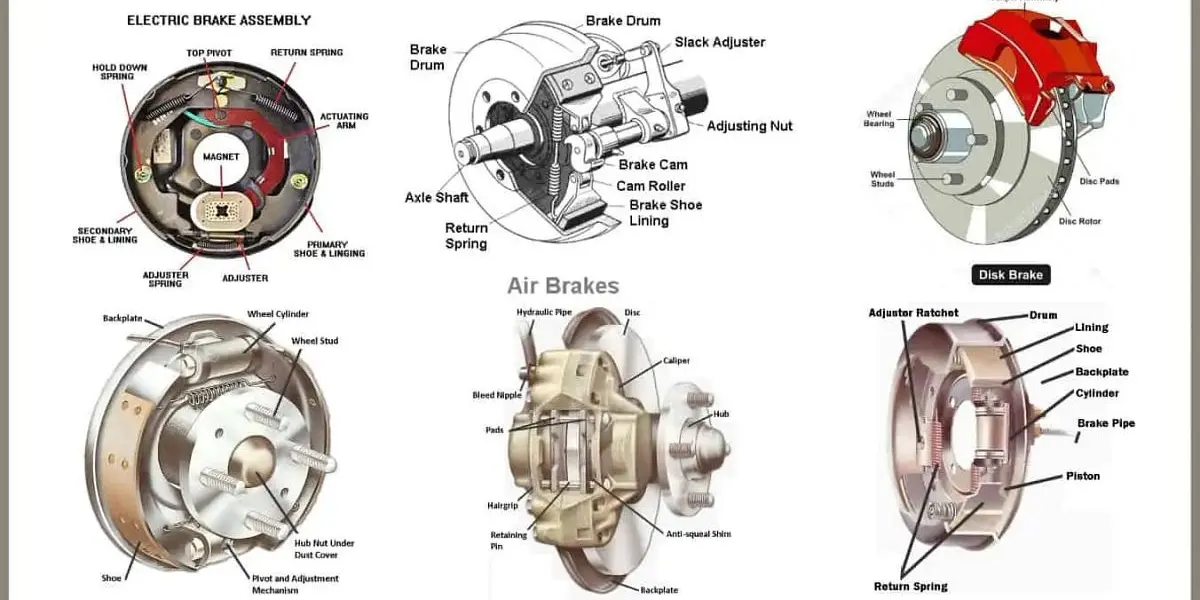
A tire or wheel that is out of balance can create vibration, especially at particular speeds. If the shaking becomes noticeable as you accelerate, have the wheels checked and balanced by a qualified tire professional. Proper tire balancing helps prevent unwanted shaking and vibration.
2. Damaged or Unevenly Worn Tires
Cuts, bulges, irregular tread wear, or internal tire damage can cause vibration and may create a safety risk. If you notice visible damage along with shaking, don’t simply keep driving to see whether it disappears. Have the tire inspected.
3. Low or Uneven Tire Pressure
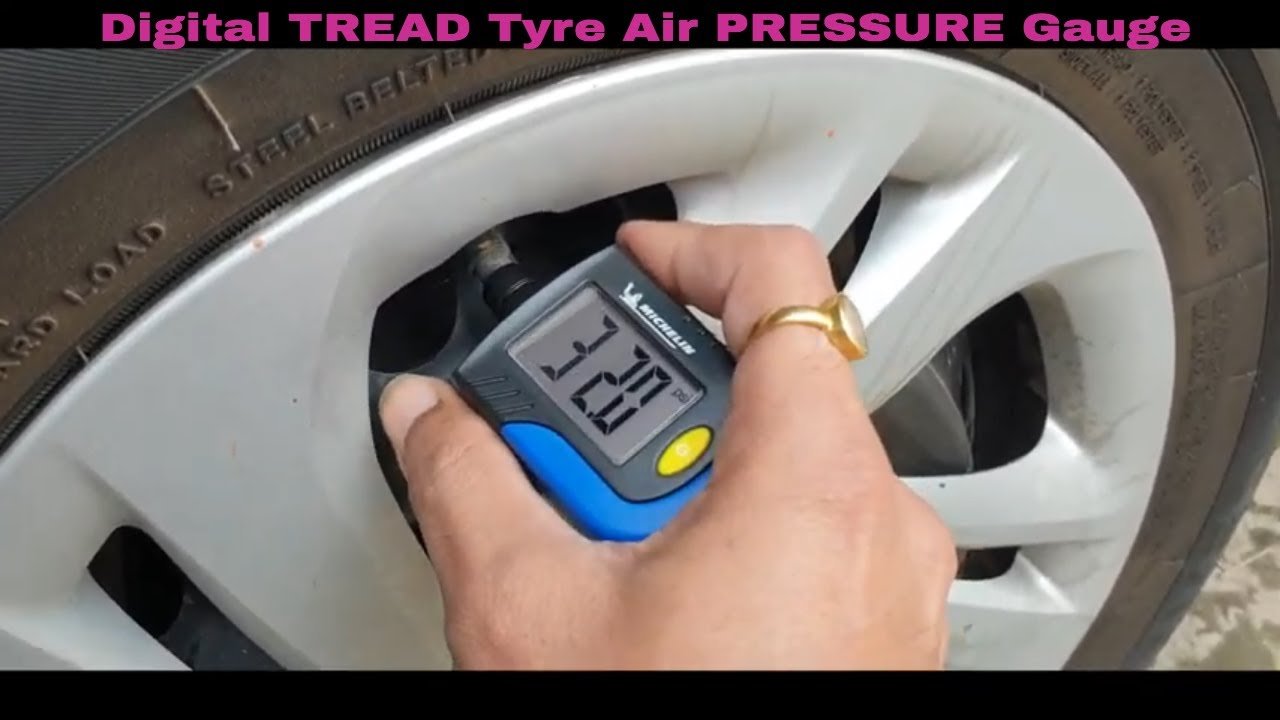
Incorrect tire pressure can affect handling, tire wear, and ride quality. Check all four tires when they are cold and compare their pressure with the vehicle manufacturer’s recommended specification, usually found on the driver’s door label or in the owner’s manual.
4. Bent Wheel or Rim
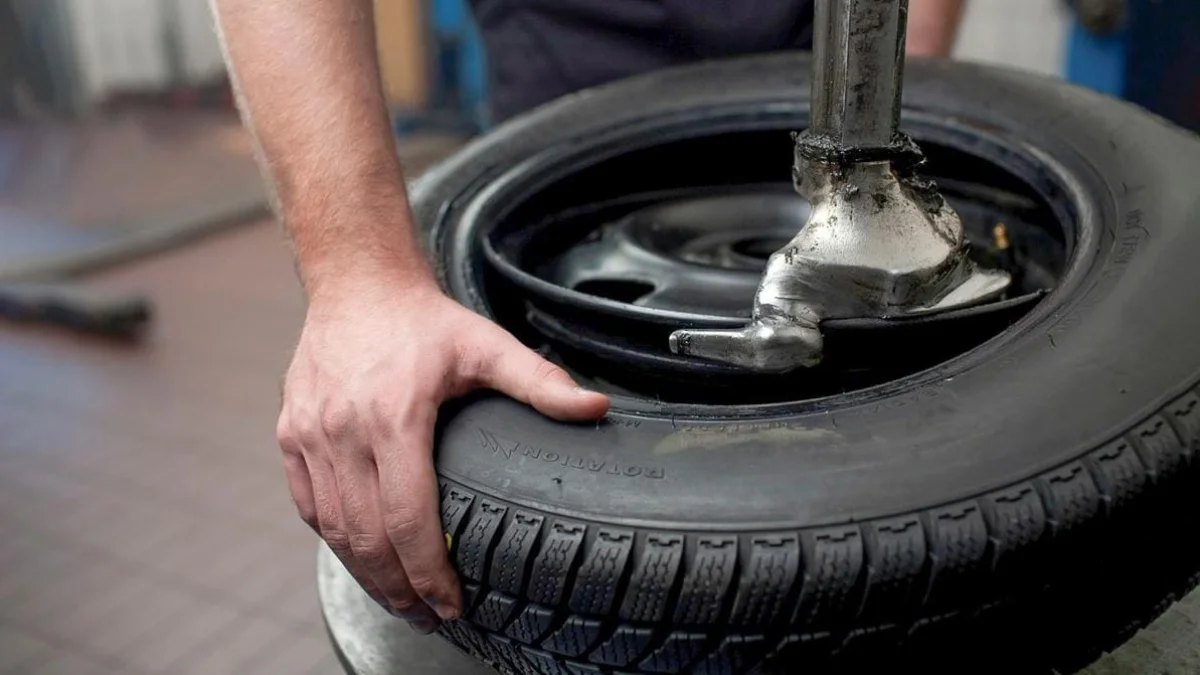
A pothole or curb impact can bend a wheel enough to create vibration. The problem may also damage the tire or affect alignment. If shaking begins immediately after an impact, have the tire and wheel inspected rather than assuming the problem is only an alignment issue.
5. Brake Rotor or Brake Problems
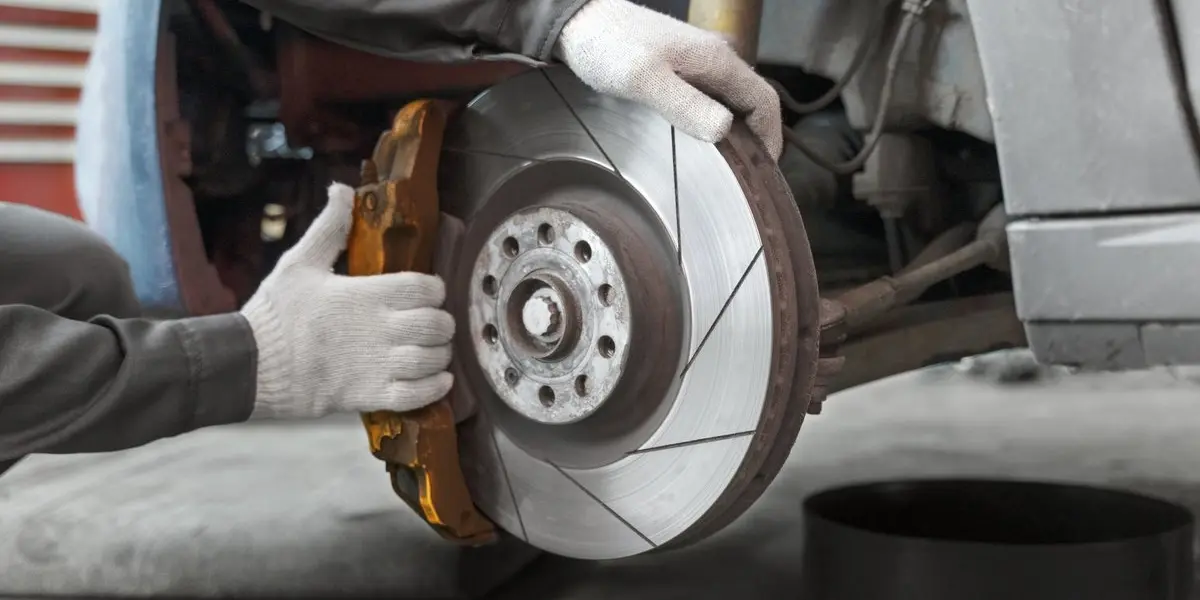
If your car mainly shakes when you press the brake pedal, the braking system deserves attention. Uneven brake components, a rotor problem, or a sticking caliper can contribute to vibration. A technician should inspect the complete brake system rather than replacing one part based only on the symptom.
6. Engine Misfire
An engine misfire can make the vehicle shake, particularly at idle or during acceleration. You may also notice rough running, hesitation, or a check-engine light. Because several engine faults can produce similar symptoms, proper diagnosis is better than replacing ignition or fuel components at random.
7. Worn Engine Mounts
Engine mounts hold the engine in place and help isolate normal engine movement from the vehicle body. When mounts deteriorate, that movement can become much more noticeable as shaking or vibration, particularly at idle or when changing between drive and reverse.
8. Worn Suspension Components
Worn shocks, struts, bushings, control arms, or ball joints can contribute to vibration, instability, or uneven tire wear. Suspension problems become more concerning when the car also wanders, pulls, clunks, or feels difficult to control.
9. Bad or Worn Wheel Bearings
A failing wheel bearing can cause vibration along with humming, growling, or other unusual noises. The symptoms may change with vehicle speed or while turning. Because wheel bearings are part of the wheel assembly, unusual vibration or noise should be professionally inspected.
10. Wheel Alignment Problems
An alignment problem can cause the vehicle to pull to one side, leave the steering wheel off-center, or wear tires unevenly. Alignment and wheel balancing are not the same thing: balancing addresses how the wheel and tire rotate, while alignment concerns the wheel angles.
11. CV Joint or Axle Problems
A worn CV joint or axle can produce vibration during acceleration, particularly on vehicles with front-wheel drive or independent suspension. Clicking while turning can also provide an important clue. A technician can inspect the axle and joints for wear or damage.
12. Steering Component Problems
Worn tie rods or other steering components can contribute to steering wheel shaking and poor directional control. If the steering feels loose, the vehicle wanders, or the vibration is accompanied by unusual steering behavior, don’t treat it as a simple tire-balance problem.
13. Driveshaft or Drivetrain Problems
On vehicles with a driveshaft, worn or damaged drivetrain components can create vibration that changes with speed or acceleration. The vibration may be felt through the floor or seat rather than primarily through the steering wheel.
14. Transmission-Related Shudder
If shaking happens mainly during gear changes or under certain acceleration conditions, the transmission or related components may need inspection. This symptom can have several causes, so avoid assuming the transmission itself is automatically defective.
15. Air, Fuel, or Ignition Problems
Problems involving spark plugs, ignition components, fuel delivery, or the engine’s air-fuel mixture can cause rough running and engine shaking. These problems are more likely when vibration is strongest at idle or during acceleration and may occur with hesitation or warning lights.
16. Loose or Damaged Mechanical Components
Loose or damaged parts can sometimes create vibration, rattling, or shaking. This is a broad category, so it should be treated as an inspection finding rather than a diagnosis. A technician needs to identify exactly which component is moving or damaged.
Why Is My Car Shaking in Different Situations?
Shaking at Idle
If the car shakes while stopped but becomes smoother once you drive, look first at engine-related possibilities such as a misfire, engine mounts, or air/fuel problems. A rough idle combined with a warning light deserves prompt diagnosis.
Shaking When Accelerating
Acceleration-related vibration can point toward engine, CV axle, drivetrain, or engine-mount problems. Note whether the vibration starts immediately when you press the accelerator or only at a particular speed.
Shaking When Braking
If the shaking appears mainly when braking, have the brake system inspected. Pay attention to whether you feel the vibration through the steering wheel, brake pedal, or entire vehicle.
Shaking at High Speeds
Speed-related vibration often makes tires and wheels the first things worth checking. Tire balance, tire damage, uneven wear, and wheel condition can all matter.
Shaking When Turning
Shaking or vibration that changes while turning may involve the CV joints, wheel bearings, steering, or suspension. Clicking or clunking noises can help narrow down the problem.
Shaking After Hitting a Pothole
A pothole can damage a tire or wheel and may also affect alignment or suspension components. If vibration begins immediately after an impact, inspect the tire and wheel before continuing normal high-speed driving.
Shaking When Starting
Shaking immediately after startup may be related to an engine misfire, ignition problem, engine mount, or another engine-running issue. If the check-engine light flashes, avoid treating the problem as a minor vibration.
Where Do You Feel the Car Vibration?
Steering Wheel Shaking
Vibration mainly through the steering wheel can point toward front tire or wheel problems, although brakes, steering, suspension, and other components can also be involved. Don’t assume the steering wheel itself is the cause.
Vibration Through the Seat or Floor
A vibration felt more strongly through the seat or floor can provide a clue toward rear wheels, drivetrain components, or other underbody parts. The exact cause still requires inspection.
Brake Pedal or Whole-Car Shaking
If the brake pedal vibrates when you slow down, focus attention on the braking system. If the entire car shakes, especially with other noises or handling changes, the inspection should cover tires, wheels, suspension, and drivetrain.
What Other Symptoms Happen With the Shaking?
Shaking With a Check Engine Light
Shaking plus a check-engine light can indicate an engine-running problem such as a misfire. Don’t rely on the light alone to identify the cause; the vehicle needs diagnostic testing.
Shaking With Clicking, Humming, or Clunking
Different noises provide additional clues. Clicking during turns can point toward a CV-joint issue, while humming or growling may accompany a wheel-bearing problem. These are clues, not definitive diagnoses.
Shaking With Pulling or Uneven Tire Wear
If the car pulls to one side or the tires are wearing unevenly, check the tires, alignment, steering, and suspension. Tire condition and alignment directly affect vehicle handling and tire life.
Shaking With a Burning Smell
A burning smell combined with shaking should not be ignored. It may indicate a brake, tire, or mechanical problem. Safely stop when appropriate and have the vehicle inspected rather than continuing to drive normally.
How to Check Why Your Car Is Shaking
You can gather useful clues without attempting a risky repair.
- Check tire pressure. Use the vehicle manufacturer’s recommended pressure, not the maximum number printed on the tire sidewall.
- Inspect the tires. Look for bulges, cuts, unusual wear, or other visible damage.
- Think about timing. Note whether shaking happens at idle, a certain speed, acceleration, braking, or turning.
- Identify the location. Is it strongest through the steering wheel, seat, floor, brake pedal, or entire vehicle?
- Check warning lights. Record any check-engine, tire-pressure, or other dashboard warnings.
- Don’t guess at replacement parts. A tire, brake, suspension, or engine component should be replaced because inspection or testing identifies a problem—not simply because it can cause shaking.
Is It Safe to Drive a Shaking Car?
Not every vibration means immediate danger, but you should not assume a shaking car is safe simply because it still moves.
A mild, persistent vibration should be checked soon, particularly if it is getting worse or accompanied by unusual tire wear, noise, or handling changes.
If the vibration suddenly becomes severe, the vehicle becomes difficult to control, or you suspect tire or wheel damage, reduce speed safely and pull over when possible. NHTSA guidance advises drivers experiencing a sudden vibration or ride disturbance to reduce speed, safely pull off, inspect for damage, and seek professional inspection if the cause cannot be identified.
Possible Solutions for a Shaking Car
| Possible cause | Possible solution |
| Unbalanced tire/wheel | Tire and wheel balancing |
| Damaged tire | Professional tire inspection or replacement |
| Bent wheel | Wheel inspection, repair, or replacement |
| Brake problem | Brake-system inspection and repair |
| Engine misfire | Diagnostic testing and repair of the underlying fault |
| Suspension wear | Replace damaged or worn components |
| Wheel bearing problem | Bearing/hub inspection and replacement if needed |
| CV axle issue | Axle/joint inspection and repair or replacement |
| Alignment problem | Professional wheel alignment |
Don’t choose a repair from the symptom alone. The same shaking sensation can come from several different systems.
How to Prevent Car Shaking Problems
- Keep tires inflated to the manufacturer’s recommended pressure.
- Check tire tread and visible damage regularly.
- Have tires balanced when needed and after tire installation.
- Follow the vehicle’s recommended maintenance schedule.
- Inspect the car after significant pothole or curb impacts.
- Address unusual vibration, noise, pulling, or uneven tire wear early.
Conclusion
So, why is my car shaking? The answer usually starts with three clues: when it shakes, where you feel it, and what happens with it.
Check the simple things first, especially tire pressure and visible tire damage, but don’t assume every vibration is a tire problem. If the shaking is persistent, worsening, or affecting braking or steering, get the vehicle inspected.
A vibration is your car telling you that something has changed. Finding the cause early can help prevent a small problem from becoming a much bigger one.
Frequently Asked Questions
Why is my car shaking while driving?
Common causes include tire imbalance, tire or wheel damage, brake problems, suspension wear, engine issues, and drivetrain faults. The speed and conditions when shaking occurs help narrow the possibilities.
Why is my steering wheel shaking?
Steering wheel shaking can come from tire or wheel imbalance, damaged tires, brake problems, alignment, steering, or suspension components. The cause depends on when the vibration appears.
Why does my car shake when accelerating?
Acceleration-related shaking can involve the engine, engine mounts, CV axle, or drivetrain. If the vibration appears only during acceleration, that timing is an important clue for diagnosis.
Why does my car shake when braking?
Shaking during braking can indicate a brake-system problem, but tires, wheels, steering, and suspension can also contribute. Have the braking system and related components inspected.
Why does my car shake at idle?
Engine misfires, worn engine mounts, and air or fuel problems can cause shaking at idle. Warning lights, rough running, or changes in engine speed can provide additional clues.
Can bad tires cause a car to shake?
Yes. Tire imbalance, damage, irregular wear, and incorrect pressure can contribute to vibration. NHTSA recommends paying attention to tire performance changes such as vibration and having problems evaluated by a tire professional.
Can suspension problems cause car vibration?
Yes. Worn or damaged suspension components can contribute to vibration, uneven tire wear, poor handling, and other symptoms. A suspension inspection can determine whether a component is actually worn or damaged.
Is it safe to drive a shaking car?
It depends on the severity and cause. Sudden severe vibration, tire damage, loss of control, or serious handling problems warrant stopping safely and seeking professional help rather than continuing to drive.