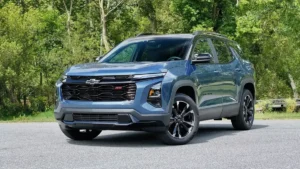
This guide provides an answer to that question you can read it within the first 100 words about Chevy SUV maintenance costs, but for a summary here: 5-year maintenance costs average between about $1,600 in electric cars to around $6,500 (depending on vehicle model and equipment) for high-end luxury trims of full-size SUVs based on our data.
Introduction
The cost of a vehicle is an expense that goes far beyond the dealer’s initial sticker price. Driving a new car or truck off the lot starts a multi-year financial commitment in which gas, insurance and mechanical maintenance become part of your monthly budget.
Chevy SUV maintenance costs will be an important consideration for any smart shopper trying to balance the needs of their family with the long-term health of their finances. These costs vary widely depending on whether you opt for a compact crossover or a large-size heavy-duty hauler, over an average 5 years of ownership.
If you were looking at a regular gas engine Equinox or Tahoe, you’d be spending anywhere from $3,500 to nearly $4,800 in maintenance over 60,000 miles. If you know the Chevrolet maintenance schedule to follow, it can prevent spikes in repair prices and keep your Chevy SUV cost to own on a steady trajectory of expense.
Transparency is everything we focus on, at Chevy SUV. Whether it’s hauling groceries in a Blazer or towing a boat with a Tahoe, the predictability of year four or five lets you budget.
Breaking Down 5-Year Ownership Expenses

To see how much your Chevy SUV costs to own, you need to consider the often “hidden” costs that pile up as the odometer clicks into higher numbers. We all know maintenance can be more than changing the oil, with tires essentially, brake pads and numerous fluid flushes ensuring complex systems keep running continuous.
Year 1 to Year 3: The Low-Cost “Honeymoon” Phase
For the first three years, you can expect to spend the least for Chevy SUV maintenance in these formative four or five years. Many new Chevrolet models come with free first service visit, and most mechanical breakdowns are covered in the factory bumper-to-bumper warranty (3 years or 36,000 miles is typical). Your expenses here are simple: oil changes, tire rotations and cabin air filter replacements. During this time of the year, owners can expect to spend around $250-$500 a season.
Year 4 and Year 5: The Major Service Milestone
Though you are still on the 45,000-mile Chevrolet maintenance schedule, there is a lot more to be done as you pass this milestone. And this is the season where we see a big growth in what they are calling “operating expenses.” It may indicate that you need fresh tires, a fluid exchange for the transmission, or perhaps even new spark plugs. With a larger vehicle like the Tahoe, Year 4 can push bill past $2,000 or more as you’re replacing wear-and-tear-type items (a full-set of brake rotors) depending on mileage. Into this, and the secret to a fuss-free ownership experience is planning for this “mid-life” service bump.
Comparing Maintenance Costs by Model
Some SUVs are more suited for the service bay than others. For one, fewer moving parts is good for any engine and electric powertrains are naturally going to need less stuff, while humongous V8s and 4WD systems obviously come with more lube dependent bits that you have to inspect.
| Model Category | Representative Model | Est. 5-Year Maintenance Cost | Typical Service Focus |
| Electric (EV) | Equinox EV | $1,600 – $1,900 | Tires, Cabin Filters, Coolant |
| Compact Gas | Equinox (1.5L) | $3,500 – $4,100 | Oil, Brakes, Spark Plugs |
| Mid-Size | Traverse / Blazer | $4,200 – $4,800 | Transmission, AWD Service |
| Full-Size | Tahoe / Suburban | $5,500 – $6,700 | Heavy Duty Fluids, Tires |
As seen in the table, the shift toward electric models like the Equinox EV offers a massive reduction in Chevy SUV maintenance costs. Because these vehicles lack an internal combustion engine, they eliminate the need for oil changes, spark plugs, and timing belts. However, EVs are heavier and often require tire replacements slightly sooner than their gas counterparts.
Understanding the Chevrolet Maintenance Schedule
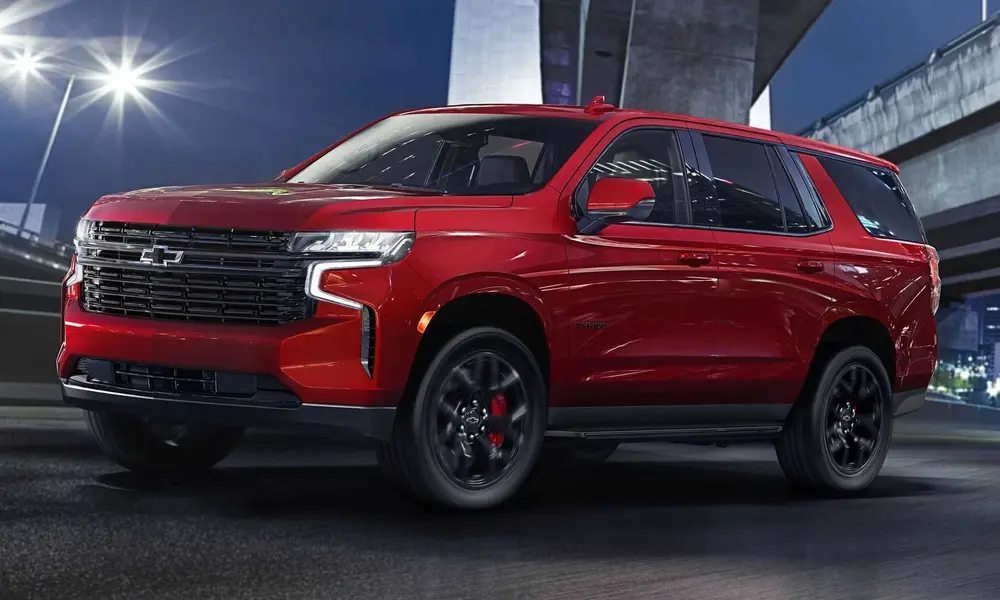
The single best protection for the resale value of your vehicle is adhering to recommended service intervals set by its manufacturer. While the modern Oil Life Monitoring System (OLMS) used in many Chevy cars today can let you know precisely when it’s time to come in, there are certain benchmarks every owner needs to recognize.
The 7,500-Mile Ritual
It is the heartbeat of your vehicle’s health. Oil and filter change + tire rotation every 7,500 miles. Another thing that we recommend here at Chevy SUV is to get a multi-point inspection done at this visit. Finding a leak, a worn belt or frayed wiper blades in advance can protect you from having the $50 part become an expensive $500 repair.
The 45,000 to 60,000 Mile “Big One”
This period is vital for maximizing the lifespan of your powertrain. At that stage, the Chevrolet maintenance schedule typically recommends a transmission fluid change and engine air filter replacement. If you tow regularly or live in a dusty climate, however, both of these services can be bumped up to as low as 30,000 miles. Washing out to inspect the transmission fluid is one of the biggest causes of expensive repair bills later in a vehicle’s life.
Factors That Influence Your Total Cost to Own

While those averages are a great place to start, your actual Chevy SUV maintenance costs will depend heavily on how you drive it. The financial profile of a suburban “soccer mom” driver will be totally different than that of a California “contractor” driving for heavy towing; especially if he/she is using a Suburban.
Driving Conditions and Environment
If it gets really hot in the summer or freezing cold in the winter where you live, then your battery and fluids will age faster. Likewise, short local trips (less than 5 miles) can keep the engine from reaching working temperature and create condensation that will become emulsified into the oil. We recommend more frequent oil changes under “severe” driving conditions below to avoid one of those premature engine replacements (which would obviously impact Chevy SUV cost to own).
The Impact of Towing and Off-Roading
This places extra strain on both the brakes and drivetrain. Finally, if you tend to haul trailers around a lot (that’s you, stop complaining) we’re happy to let you know that your brakes are going to wear out 20% quicker than average. For off-roading vehicles saved as Z71 fashions, suspension parts and alignments can be possible of larger concern. They come with a cost, which is part of the reason these vehicles cannot be ignored in your 5 year plan.
Practical Insights for Lowering Ownership Costs
You’re not stuck with what the service department wants to charge you. Fortunately, there are multiple ways to ensure that your Chevy SUV maintenance costs remain on the cheaper side of the spectrum without sacrificing safety.
Using “My Chevrolet Rewards” is one of the best ways to go about it. You will receive points for every service visit at a participating dealer, and these points can be accrued towards future oil or tire purchases! Also, many owners discover “pre-paid maintenance plans” sold at the time of purchase that lock in today’s labor rates and protect you from inflation over the next five years.
The second tip is always to keep proactive with “Do It Yourself” Size. Both tasks are straightforward, require no special tools and can save you $50 to $100 in labor per trip by doing it yourself! These small savings help lower the total cost of ownership for a Chevy SUV over five years.
Summary of 5-Year Ownership Guide
Navigating the financial side of vehicle ownership is easier when you have a clear roadmap. To keep your SUV in peak condition, remember these key takeaways:
- Anticipate the Spike: Expect maintenance costs to be low in years 1-3, with a significant increase in year 4 as major components require service.
- Model Matters: Smaller crossovers and EVs have a lower Chevy SUV cost to own compared to heavy-duty V8 models.
- Follow the Schedule: The Chevrolet maintenance schedule is designed to prevent catastrophic failures; skipping a $150 service can lead to a $3,000 repair.
- Use Rewards: Leverage brand loyalty programs and pre-paid plans to mitigate the effects of rising labor and parts costs.
- Monitor Fluids: Especially in larger SUVs, transmission and coolant health are the keys to reaching the 150,000-mile mark.
Conclusion
A well-maintained vehicle is more than just a reliable mode of transportation; it is a preserved asset. By understanding the Chevy SUV maintenance costs associated with your specific model, you can drive with the confidence that there are no “hidden” surprises waiting for you at the 50,000-mile mark. Whether you choose the efficiency of an EV or the raw power of a V8, sticking to the Chevrolet maintenance schedule ensures your vehicle remains safe, efficient, and valuable.
At ChevySUV, we believe that the best ownership experience is an informed one. By budgeting for routine care and staying proactive with inspections, you ensure that your Chevy SUV cost to own remains one of the best values in the automotive market. Your SUV is there to support your lifestyle proper maintenance ensures it stays that way for the next five years and beyond.
FAQs
What is the average annual maintenance cost for a Chevy SUV?
In 2026, the average annual cost for routine maintenance ranges from $327 for the Equinox EV to approximately $950 for a full-size Suburban. This average includes oil changes, tire rotations, and scheduled inspections.
Does Chevy offer a free maintenance program?
Yes, most new 2026 Chevrolet SUVs include a “Complimentary First Visit,” which covers your first oil change, tire rotation, and multi-point inspection within the first 12 months of ownership.
Why are Tahoe and Suburban maintenance costs higher?
These vehicles are larger and more complex. They require more oil (up to 8 quarts for some V8s), larger and more expensive tires, and have heavy-duty braking systems that are costlier to service than those found on smaller crossovers.
How often should I follow the Chevrolet maintenance schedule?
The standard interval is every 7,500 miles. However, your vehicle’s Oil Life Monitoring System may prompt you sooner if you engage in “severe” driving, such as frequent towing, off-roading, or idling in heavy traffic.
Can I save money by using non-synthetic oil?
It is not recommended. Most modern Chevy SUVs require full-synthetic oil (like Dexos-approved 0W-20) to maintain engine efficiency and warranty coverage. Using the wrong oil can lead to engine damage and higher long-term Chevy SUV maintenance costs.