Buying a three-row SUV isn’t just about finding the biggest vehicle. It’s about choosing one that fits your family today and won’t become a headache a few years later. That’s why the Volkswagen Atlas often ends up on buyers’ shortlists.
The Atlas offers impressive space and everyday practicality, but it also has a mixed reliability record. Before you spend your money, it’s worth understanding where it excels and where competitors may have the advantage.
This guide covers the latest information on the Volkswagen Atlas, including its performance, interior, reliability, ownership costs, common problems, and whether it’s the right SUV for your needs.
AI Overview
The Volkswagen Atlas is a midsize three-row SUV designed for families who value interior space, comfort, and practicality. It stands out for its roomy cabin and cargo area, while its reliability is generally considered average rather than class-leading. If you’re considering a new or used Atlas, understanding its maintenance history and ownership costs is just as important as comparing features.
Key Takeaways
- The Volkswagen Atlas is one of the roomiest midsize SUVs available.
- It comfortably seats up to seven passengers.
- Reliability is average, with electrical issues being the most common complaint.
- Volkswagen recommends routine maintenance every 10,000 miles.
- A properly maintained Atlas may reach around 200,000 miles.
- It’s best suited for families who prioritize space over sporty driving.
What Is the Volkswagen Atlas?
The Volkswagen Atlas is a three-row crossover SUV introduced for the 2018 model year. Unlike truck-based SUVs, it uses a unibody platform that delivers a smoother ride and better everyday comfort.
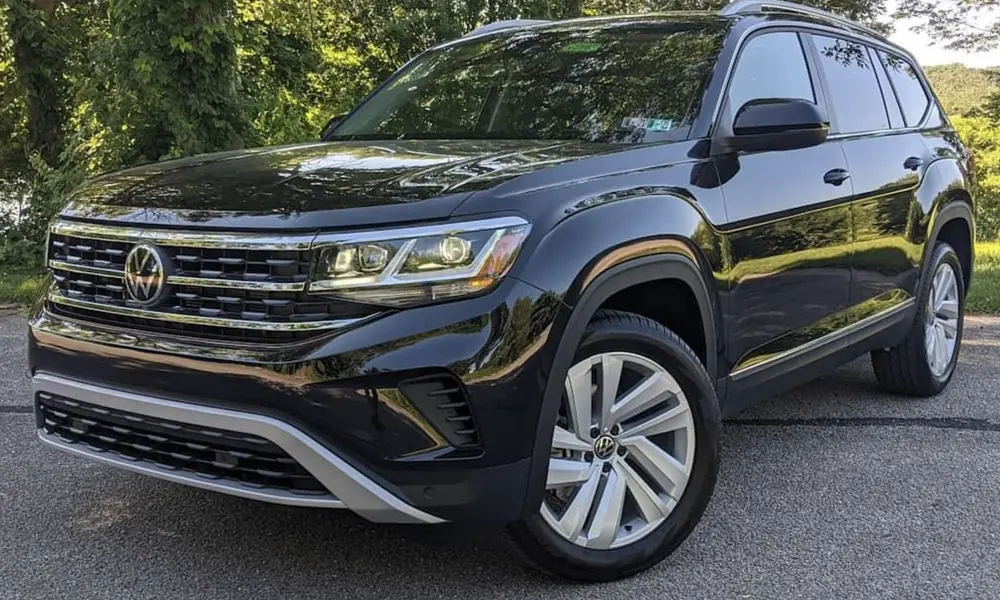
It competes with popular family SUVs like the Honda Pilot, Toyota Highlander, Kia Telluride, and Ford Explorer. Instead of focusing on performance, Volkswagen designed the Atlas around passenger comfort, generous cargo space, and easy daily driving.
Quick Facts
| Feature | Details |
| Vehicle Type | Midsize three-row crossover SUV |
| Seating Capacity | Up to 7 passengers |
| Drivetrain | FWD or available 4Motion AWD |
| Best For | Families and road trips |
| Focus | Space, comfort, practicality |
Is the Volkswagen Atlas Worth Buying?
For many buyers, the answer is yes, but it depends on what matters most.
If you need one of the largest cabins in the midsize SUV segment, the Atlas is difficult to ignore. Multiple reviews consistently praise its passenger room and cargo capacity, making it a practical choice for growing families.
However, if long-term reliability is your top priority, you should compare it carefully with competitors before making a decision. The Atlas performs well in comfort but has a more average reliability record than some rivals.
Choose the Atlas If You:
- Need seating for six or seven people.
- Regularly travel with luggage or sports equipment.
- Prefer comfort over sporty handling.
- Want a practical family SUV.
Consider Other SUVs If You:
- Want the strongest reliability record.
- Prefer a luxury-style interior.
- Rarely use a third row.
- Value sporty driving dynamics.
Performance and Driving Experience
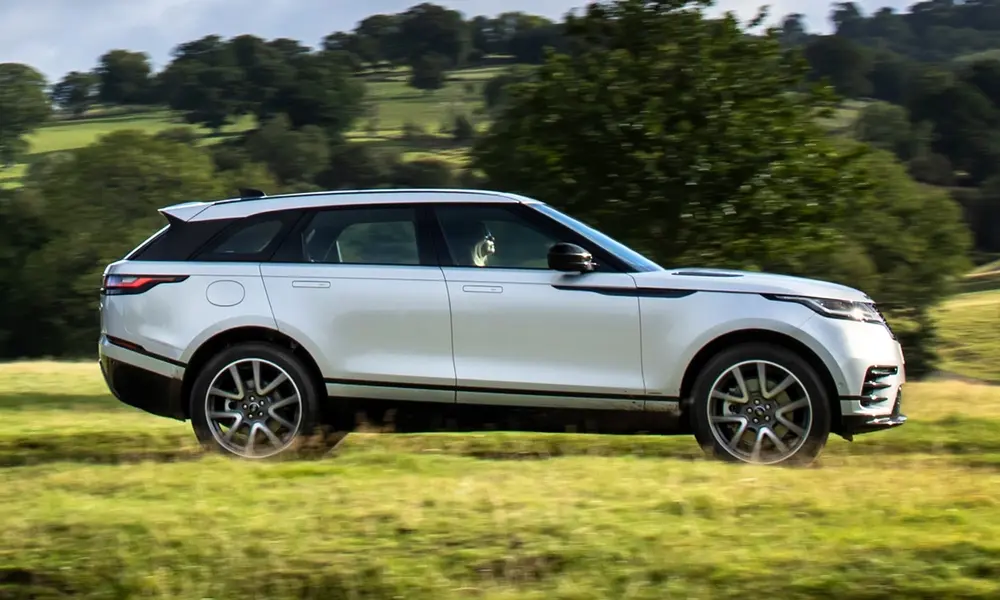
The Volkswagen Atlas is built for comfortable daily driving rather than excitement behind the wheel. It feels stable on highways, easy to maneuver in town, and confident during long family trips.
Available 4Motion all-wheel drive improves traction on wet or snowy roads, but the Atlas isn’t intended for serious off-road driving. For most owners, its smooth ride is a bigger advantage than aggressive performance.
Interior and Cargo Space
The interior is where the Atlas truly stands out.
It offers one of the largest cabins in its class, with a third row that’s usable for adults on shorter trips and comfortable for children on longer journeys. This makes it more practical than many midsize competitors.
Cargo space is another highlight. Even with all seats in use, there’s enough room for everyday shopping or travel bags. Folding the rear seats creates a large, flexible storage area for larger items.
Why Families Like It
- Spacious second and third rows.
- Large cargo area.
- Comfortable ride on long trips.
- Easy access to the rear seats.
- Flexible seating for passengers and luggage.
Technology and Safety
The Atlas includes the technology most buyers expect, including Apple CarPlay, Android Auto, and available Digital Cockpit displays on many trims. Technology is competitive, but it isn’t the main reason people choose this SUV.
Safety features such as adaptive cruise control, blind-spot monitoring, lane keeping assist, and automatic emergency braking are available on many models. These systems improve confidence on the road but should always support not replace attentive driving.
Before buying a used Atlas, check that all recall work has been completed. This is more important than choosing a trim with extra technology.
What the Latest Ownership Data Says
Real-world ownership data gives a clearer picture than a specification sheet.
According to Auto Reliability Index, the Volkswagen Atlas has a 53/100 reliability score, placing it in the middle of the pack rather than among the segment leaders.
Meanwhile, VinItel reports 2,718 NHTSA complaints across 2018–2025 models, with electrical problems being the most frequently reported issue.
The encouraging news is that many Atlas owners achieve long service life by following Volkswagen’s maintenance schedule. Speedway Volkswagen notes that a properly maintained Atlas can reasonably reach around 200,000 miles, showing that regular care has a significant impact on long-term ownership.
Volkswagen Atlas Reliability and Common Problems
The Volkswagen Atlas offers excellent space and comfort, but reliability is where buyers should look more carefully. It’s generally considered average, not among the strongest in the midsize SUV segment.
That doesn’t mean you should avoid it. It means buying a well-maintained Atlas is more important than simply choosing the newest model.
Most Common Problems
Real-world complaint data shows that electrical issues are the most common concern.
According to VinItel, Atlas models from 2018–2025 have 2,718 NHTSA complaints, with electrical faults leading the list. Airbags, brakes, engine components, and driver-assistance systems also appear among reported issues.
Multiple recalls have also affected Atlas models over the years. Before buying a used vehicle, check its VIN to confirm all recall repairs have been completed.
Can the Volkswagen Atlas Last a Long Time?
Yes, if it’s maintained properly.
According to Speedway Volkswagen, a well-maintained Atlas can reasonably reach around 200,000 miles. Regular servicing and fixing small problems early play a much bigger role than mileage alone.
Maintenance and Ownership Costs
Routine maintenance is straightforward.
Volkswagen recommends servicing the Atlas every 10,000 miles, including an oil change, inspections, and other scheduled maintenance.
Some owners choose oil changes every 5,000–7,500 miles under severe driving conditions, but Volkswagen’s official interval remains 10,000 miles.
According to CarEdge, maintenance and repairs are estimated to cost about $8,411 during the first 10 years, with an estimated 23.55% chance of a major repair during that period. Actual costs depend on driving habits and local repair rates.
Keep Ownership Costs Lower
- Follow the service schedule.
- Don’t delay electrical repairs.
- Check recall notices regularly.
- Keep maintenance records.
- Inspect brakes and tires at every service.
These simple habits can improve reliability and help protect resale value.
Volkswagen Atlas Pros and Cons
| Pros | Cons |
| Excellent passenger space | Average reliability |
| Large cargo area | Electrical issues reported by owners |
| Comfortable ride | Multiple recalls across model years |
| Family-friendly interior | Some rivals have nicer interiors |
| Available AWD | Touchscreen controls aren’t for everyone |
Volkswagen Atlas vs Competitors
Choosing the right SUV often comes down to priorities rather than specifications.
| Feature | Volkswagen Atlas | Honda Pilot | Toyota Highlander |
| Passenger Space | Excellent | Very Good | Very Good |
| Cargo Space | Excellent | Very Good | Good |
| Reliability | Average | Strong | Strong |
| Ride Comfort | Comfortable | Comfortable | Comfortable |
| Best For | Families needing space | Balanced ownership | Long-term reliability |
Choose the Atlas if interior room is your top priority.
If reliability ranks above everything else, the Honda Pilot or Toyota Highlander may deserve a closer look.
Practical Buying Checklist
Before buying a Volkswagen Atlas, go through this checklist:
- Review the complete service history.
- Check for outstanding recalls using the VIN.
- Test every electrical feature during the inspection.
- Confirm all driver-assistance systems work properly.
- Compare trim levels before deciding.
- If buying used, have an independent mechanic inspect it.
A careful inspection often tells you more than the odometer reading.
Final Verdict
The Volkswagen Atlas isn’t the perfect midsize SUV, but it doesn’t need to be.
Its biggest strength is giving families the space they actually use every day. Few competitors match its roomy cabin and flexible cargo area.
The trade-off is average reliability. If you keep up with maintenance and buy a vehicle with a solid service history, the Atlas can provide many years of dependable family transportation.
For buyers who value space, comfort, and practicality over sporty handling, the Volkswagen Atlas remains one of the better choices in its class.
Frequently Asked Questions
Is the Volkswagen Atlas reliable?
The Atlas has average reliability compared with other midsize SUVs. Auto Reliability Index scores it 53/100, while owner reports show electrical problems are the most common issue. A well-maintained vehicle is usually a better choice than focusing only on the model year.
How long can a Volkswagen Atlas last?
With proper maintenance, the Atlas can reach around 200,000 miles, according to Speedway Volkswagen. Following the recommended service schedule and fixing problems early are key to achieving that lifespan.
What are the most common Volkswagen Atlas problems?
Electrical faults are reported most often. Other complaints involve airbags, brakes, engine components, and driver-assistance systems. Checking recall history before buying a used Atlas is highly recommended.
Is the Volkswagen Atlas good for families?
Yes. Its spacious three-row seating, generous cargo area, and comfortable ride make it one of the most practical family SUVs in its segment. That’s also the reason many buyers choose it over smaller competitors.
Should I buy a used Volkswagen Atlas?
A used Atlas can be an excellent value if it has been properly maintained. Review the service records, confirm recall repairs have been completed, and have the SUV inspected before making your decision.
How often should a Volkswagen Atlas be serviced?
Volkswagen recommends routine maintenance every 10,000 miles. This includes oil and filter changes, inspections, and other scheduled services that help improve long-term reliability.