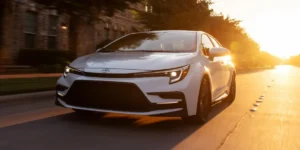
The seller opened the door, handed over the keys, and said the words every used-car buyer wants to hear: “Everything is fine.”
The Corolla looked clean. The interior was tidy, the paint had a good shine, and the odometer seemed reasonable. But a clean-looking used Corolla can still hide accident repairs, neglected maintenance, transmission issues, or paperwork problems.
That is why the smartest way to shop for a pre-owned Toyota Corolla is not to start with the price. Start with the car itself.
This guide shows you what to check before you buy, from mileage and service history to the engine, CVT, bodywork, recalls, documents, test drive, and independent inspection. It also explains when a Corolla is worth negotiating for—and when walking away is the better decision.
AI Overview: What Should You Check Before Buying a Used Corolla?
When buying a used Corolla, check its VIN, recall history, ownership and accident records, mileage, maintenance history, engine, transmission, body, chassis, brakes, tyres, suspension, AC and electronics. Do not judge the vehicle by mileage or appearance alone. A professional pre-purchase inspection can reveal problems that are difficult to spot during a short test drive.
Key Takeaways
- Check the VIN against the registration, service records and vehicle itself before paying.
- A lower odometer reading does not automatically mean a better used Corolla.
- Inspect the engine from a cold start and look for leaks, warning lights, smoke and unusual noises.
- Test the transmission or CVT carefully for hesitation, shudder or abnormal behavior.
- Check paint, panel gaps, welds and the underbody for accident or structural repairs.
- Verify recalls through the appropriate government or manufacturer system.
- Get an independent inspection before committing to a major purchase.
What should I check when buying a used Corolla?
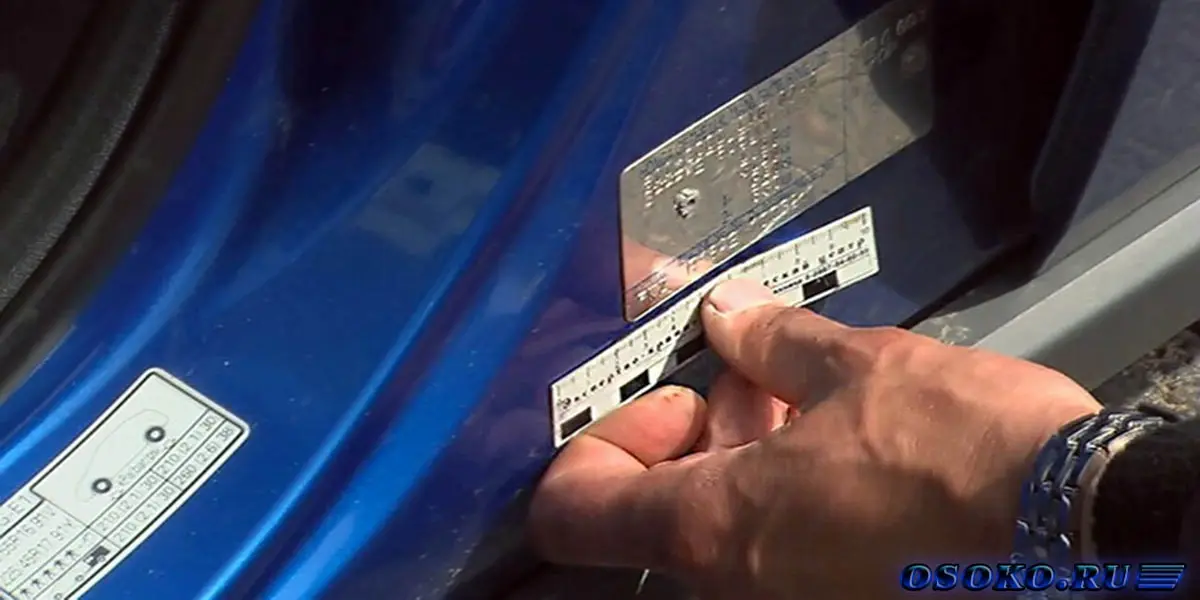
Before buying a used Corolla, check the VIN and recall history, ownership and accident records, mileage, service history, engine, transmission, body, chassis, brakes, tyres, suspension, AC and electronics. Then take the car on a proper test drive and arrange an independent pre-purchase inspection before paying.
Why the Used Corolla Is Still Worth Considering
Toyota introduced the Corolla in 1966, and the model has now gone through 12 main generations. Over that time, it has appeared in sedan, hatchback, wagon and hybrid forms, depending on the market.
Toyota reported that global Corolla sales had passed 50 million units by 2021. Its fact-data series later reported approximately 55.46 million cumulative sales. Those numbers help explain why you can find Corollas across a wide range of used-car markets.
But popularity creates another problem: not every used Corolla is the same.
A 2000s Corolla and a recent hybrid Corolla may share the name, but their age, equipment, drivetrain and inspection requirements can be very different.
That is why the right question is not simply, “Is the Corolla reliable?”
The better question is, “Is this particular Corolla a good car at this particular price?”
Which Used Corolla Generation Should You Consider?
For used buyers, the generation gives you a useful starting point, but it should never replace an inspection.
| Generation | Broad period | What to consider |
| Ninth | 2000–2005 | Low purchase cost, but age and maintenance history become major factors |
| Tenth | 2006–2011 | More modern, but age-related wear needs careful inspection |
| Eleventh | 2012–2018 | Practical used option; condition and equipment vary by year |
| Twelfth | 2019–present | Newer platform, more modern safety technology and hybrid availability |
These are broad generation periods. Toyota’s own history shows Corolla generations beginning in 1966, 1970, 1974, 1979, 1983, 1987, 1991, 1995, 2000, 2006, 2012 and 2019. Country-specific production and launch dates can differ. NHTSA Official Safety Recall Search
Don’t Buy a Year – Buy the Condition
Online buying guides often identify certain Corolla years as the “best” or “worst.”
That sounds convenient, but current sources do not completely agree. One 2026 Canadian analysis based on more than 3,000 inspections and completed sales favored 2021–2023 Corollas, while other guides recommend different years.
So treat a model year as a filter, not a final answer.
A well-maintained older Corolla can make more sense than a newer example with questionable accident history, poor maintenance or suspicious mileage.
How Much Should You Pay for a Used Corolla?
There is no single worldwide price for a used Corolla.
The value changes with model year, mileage, trim, body style, powertrain, accident history, maintenance, local supply, currency and whether you are buying from a dealer or private seller.
For example, Clutch’s April–June 2026 Canadian sales and inspection data reported typical prices of about C21,600–C24,600 for petrol 2021–2023 Corollas and C24,000–C27,400 for hybrids. Those figures are Canadian market data, not universal Corolla prices.
That distinction matters.
A used Corolla for sale in one country cannot automatically be valued using another country’s listings. Taxes, import costs, mileage, specifications and market demand can change the final price substantially.
Look at the Cost After Repairs
This is one of the easiest ways to avoid a bad deal.
Suppose two cars appear similar in price. One needs tyres, brake work and suspension repairs, while the other has a documented service history and needs little immediate attention.
The cheaper-looking car may actually cost more.
Your real buying figure should therefore be:
Purchase price + immediate repairs + overdue maintenance = realistic ownership cost
That is a much better comparison than simply choosing the lowest advertised price.
Used Toyota Corolla Mileage: What Should You Check?
Mileage matters, but it should never be examined alone.
A low odometer reading can look attractive, yet the number becomes much less useful if the seller cannot explain the vehicle’s history.
Compare the mileage with the steering wheel, pedals, seats, tyres, service records and overall condition.
If the interior shows unusually heavy wear while the odometer claims very low mileage, investigate further.
There is also no universal mileage number at which a Corolla suddenly becomes a bad purchase. Maintenance history and mechanical condition can matter more than the number displayed on the dashboard.
Check the Service History
Ask for service records before you become emotionally attached to the car.
Look for evidence that routine maintenance was actually performed and compare dates and mileage across the records.
If the seller cannot explain gaps in the history, do not automatically reject the vehicle, but treat the missing information as uncertainty that should affect your inspection and negotiating position.
Inspect the Engine Before You Talk Price
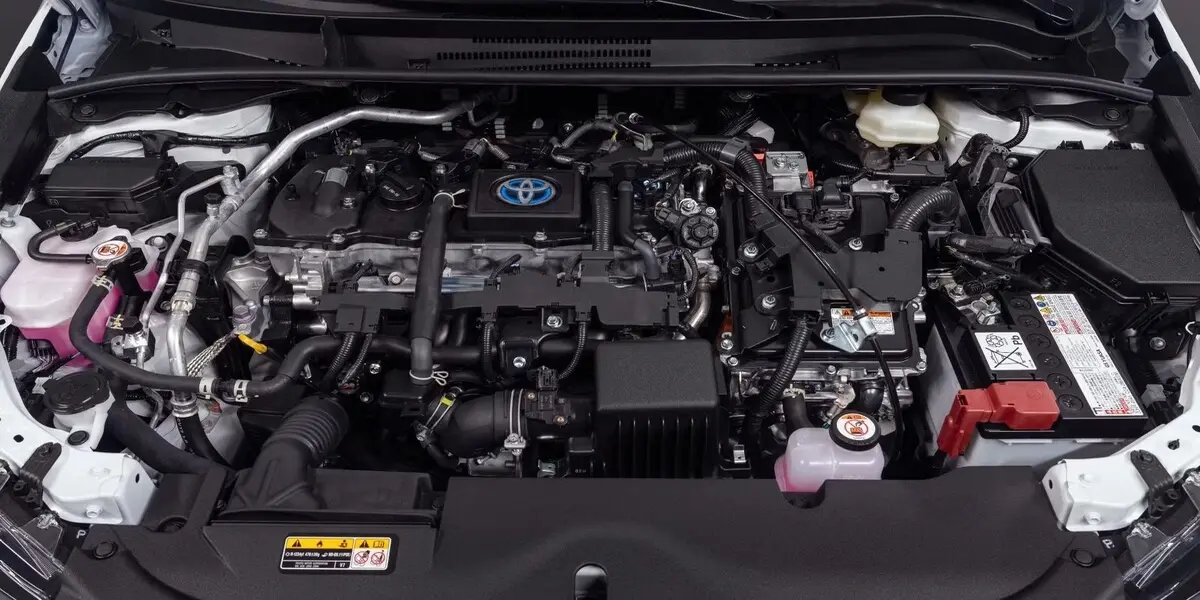
A clean engine bay is not enough.
If possible, inspect the Corolla when the engine is cold. Starting the vehicle from cold can reveal noises, smoke, warning lights or behavior that may not be obvious after the engine has already warmed up.
Look for:
- Oil or coolant leaks
- Unusual engine noises
- Excessive smoke
- Warning lights
- Abnormal idle behavior
- Signs of poor maintenance
Do not rely on a seller saying that a noise is “normal.”
If something concerns you, have a qualified technician inspect it before you make the purchase decision.
Check the Corolla Transmission or CVT Carefully
Transmission behavior deserves its own test.
During the drive, pay attention to acceleration, gear or ratio changes, hesitation, vibration and unusual noises.
Some repair-focused sources report CVT hesitation or shudder among complaints associated with certain Corolla examples. That does not mean every Corolla with a CVT has a transmission problem.
The useful approach is simple: test the actual vehicle in front of you.
| What you notice | What to do |
| Smooth acceleration and normal response | Continue the inspection |
| Noticeable hesitation | Investigate before buying |
| Shudder or vibration | Get a professional diagnosis |
| Unusual transmission noise | Do not ignore it |
| Seller refuses a proper test drive | Treat it as a red flag |
If the Corolla has a manual transmission, pay attention to clutch engagement and unusual noises instead.
Check the Body and Chassis for Accident Repairs
A shiny paint job can hide a history you need to know about.
Walk around the vehicle in good light. Look for differences in paint shade, uneven panel gaps, inconsistent finishes and signs that individual panels have been repaired or replaced.
Then look more closely at structural areas.
Welds, filler, unusual repairs and underbody damage deserve professional attention because a visual inspection alone cannot prove that a car has never suffered structural damage.
A repainted panel is not automatically a reason to walk away.
The important question is why it was repainted and how well the repair was performed.
Don’t Forget the Suspension, Brakes and Tyres
Take the Corolla over different road surfaces during your test drive.
Listen for suspension noises and pay attention to steering behavior, vibration and how the car tracks on the road.
Then inspect the tyres.
Uneven tyre wear can provide useful clues about alignment, suspension condition or previous problems.
The brakes also deserve attention. Look for unusual vibration, noise or changes in pedal feel during braking.
These are not glamorous checks, but they can turn a seemingly good deal into an expensive one if ignored.
Check the AC, Interior and Electronics
Sit inside the car and test its equipment instead of assuming everything works.
Check the air-conditioning, windows, locks, lights, infotainment system, cameras and other electrical features fitted to that specific version.
Recent Corolla reliability data also shows why these checks matter. What Car? reported that 12% of surveyed owners of 2019-present Corollas experienced issues involving the 12-volt battery, bodywork or navigation/infotainment system.
That does not mean 12% of all Corollas have those problems. It is survey data, not a failure rate for every vehicle.
Still, it gives you a useful reason to test those systems before buying.
Verify the VIN and Recalls Before Paying
The VIN is one of the most valuable pieces of information you can obtain.
Compare the vehicle’s VIN with the registration documents and service records. In the United States, NHTSA’s recall system lets you search using a vehicle’s 17-character VIN and identify unrepaired safety recalls.
NHTSA also reported 997 vehicle safety recalls affecting more than 29 million vehicles in the United States during 2025. That is a useful reminder that recall checking should be a normal part of buying a used vehicle, not an optional extra.
For vehicles outside the United States, use the relevant national authority or Toyota’s dealer network.
Documents to Verify
Before handing over money, check:
- VIN on the vehicle and documents
- Registration and ownership details
- Accident and vehicle history
- Odometer information
- Service records
- Flood, salvage or other title information where applicable
- Recall status
- Any local transfer, tax or financing requirements
Never let a seller’s urgency replace your verification.
Which Used Corolla Variant Makes Sense?
Corolla versions vary significantly by country, so do not assume an XLi, GLi, Altis, LE, SE or XSE has the same equipment everywhere.
In the U.S. market, for example, Toyota’s 2026 Corolla lineup includes LE, SE and XSE petrol grades, plus Hybrid LE, Hybrid SE and Hybrid XLE versions.
The 2026 petrol Corolla uses a 2.0-liter four-cylinder producing 169 horsepower and 151 lb-ft of torque, according to Toyota.
| Version | Best suited to | Main consideration |
| Older petrol sedan | Buyers prioritizing lower purchase cost | Age and maintenance |
| 2012–2018 petrol | Practical everyday use | Suspension, AC, brakes and records |
| 2019-present petrol | Buyers wanting newer technology | Higher purchase price and CVT inspection |
| Corolla Hybrid | Frequent city driving and fuel efficiency | Hybrid-system and battery checks |
| Hatchback | Buyers wanting a larger rear opening | Exact market equipment and space |
| Wagon/Touring | Buyers needing cargo flexibility | Availability and import documentation |
The right choice depends more on your needs and the individual vehicle than on the badge alone.
Corolla Hybrid: What Changes When You Buy Used?
A Corolla Hybrid adds a high-voltage battery, electric motor-generators and power-control electronics to the petrol engine.
That gives you another system to evaluate.
Before buying a used Corolla Hybrid, check the hybrid-system service history, warning lights, battery-related documentation and warranty terms applicable in your country.
Toyota’s current U.S. 2026 Corolla Hybrid lineup includes LE, LE AWD, SE, SE AWD and XLE grades. Toyota lists manufacturer-estimated fuel economy as high as 53 mpg city and 46 mpg highway for some versions.
Those are new-vehicle estimates, not a guarantee of what a used example will achieve.
Practical Application: Use This Inspection Order
When you find a used Corolla you are seriously considering, do not inspect it randomly.
Step 1: Get the information first
Ask for the VIN, registration details and available service history before spending time negotiating.
Then compare the information across the documents.
Step 2: Inspect before negotiating
Look at the body, tyres, engine, leaks, interior and electronics.
Do not negotiate from assumptions. Identify actual issues first.
Step 3: Drive it properly
Test the car in city conditions and, where practical, at higher speeds.
Check steering, braking, acceleration, transmission response, vibration and suspension noise.
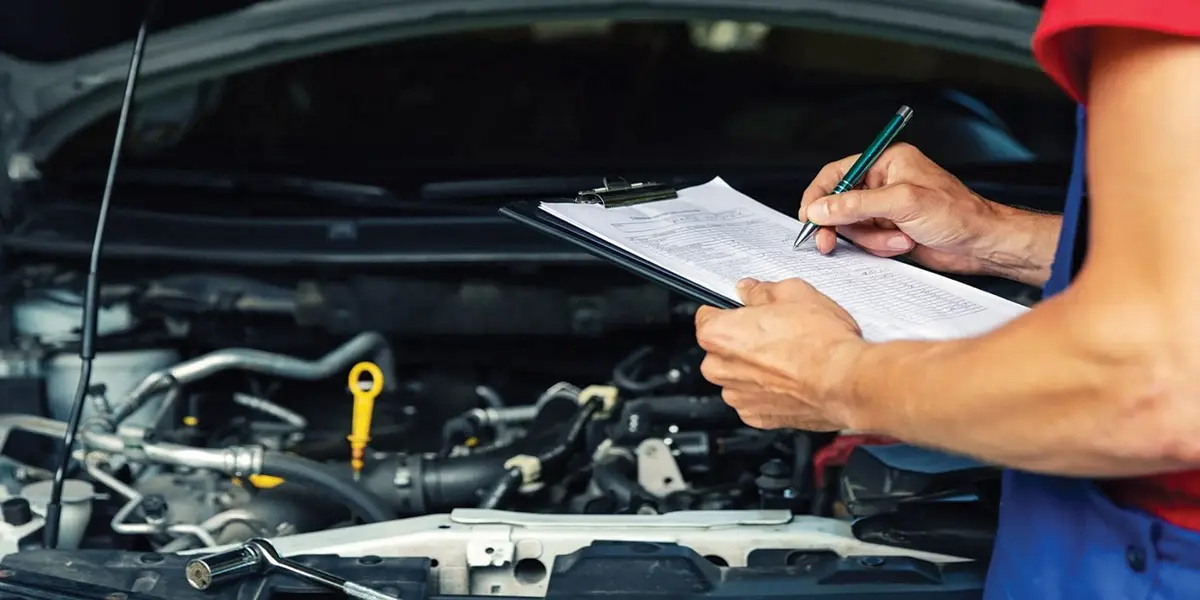
Step 4: Get an independent inspection
This is especially valuable for an older Corolla, a high-mileage vehicle or a car with unclear history.
The inspection should examine mechanical condition, accident evidence and other areas you cannot reliably judge yourself.
Step 5: Calculate the real deal
Only after the inspection should you compare the asking price with the repairs and maintenance the car needs.
Then decide whether the right answer is buy, negotiate or walk away.
Three Overlooked Reasons to Walk Away
The seller will not allow an inspection
A seller who refuses reasonable independent verification is increasing your risk.
You do not need to prove that something is wrong. You simply need to recognize that you cannot verify the vehicle properly.
The history does not match the car
If the mileage, documents, service records and physical condition tell different stories, stop and investigate.
Uncertainty has a financial value. You should not pay the same price for a car with verified history and one with unexplained gaps.
The “cheap” car needs too much work
A low asking price is not automatically a bargain.
If the Corolla needs major mechanical work, tyres, brakes, suspension and other overdue repairs, compare its total cost with a cleaner example before making an offer.
Common Used Corolla Buying Mistakes
The most common mistake is buying with your eyes before checking with evidence.
A clean interior and fresh paint can create confidence, but they tell you very little about maintenance history or mechanical condition.
Another mistake is treating online “best year” lists as absolute rules.
Current sources disagree about the best used Corolla years. That is exactly why the condition of the specific car should remain your primary consideration.
Finally, do not skip the independent inspection just because the test drive feels good.
A test drive is useful. It is not a substitute for a proper mechanical inspection.
Who Should Consider a Used Corolla?
A used Corolla can make sense if you want a conventional compact car and are prepared to judge the individual vehicle on its condition, history and price.
It can also suit buyers who value the Corolla’s long production history and wide availability across markets.
Who Should Avoid a Particular Used Corolla?
You should reconsider a specific car when its history cannot be verified, the seller refuses inspection, the VIN or documents do not match, or a professional inspection identifies serious mechanical or structural concerns.
That does not mean you should avoid the Corolla model itself.
It means you should avoid that particular example.
Final Decision: Buy, Negotiate or Walk Away
| Vehicle condition | Best decision |
| Clean history, healthy mechanics and fair price | Buy |
| Good car with manageable repairs | Negotiate |
| Several repair needs but otherwise sound | Negotiate heavily or compare alternatives |
| Serious structural or mechanical problems | Walk away |
| Unverifiable mileage or documents | Walk away or verify before proceeding |
The strongest used-car decision is rarely based on the lowest price.
It comes from knowing what you are buying before your money changes hands.
Conclusion
The clean Corolla from the opening scene could have been a great car. It could also have been a costly mistake. The difference would not have been visible from the shine of its paint or the seller’s confidence.
A good used Corolla is the one that survives closer inspection: its VIN matches, its history makes sense, its engine and transmission behave properly, its body shows no worrying structural repairs, and its price still makes sense after accounting for needed work.
That is the real lesson when shopping for a used Corolla. Do not buy the reputation, the lowest price or the odometer number. Buy the evidence.
A few extra minutes of careful checking can change the entire meaning of the words “good deal.”
Frequently Asked Questions About Used Corolla
Is a used Toyota Corolla worth buying?
A used Toyota Corolla can be a sensible purchase when the individual vehicle has a clean history, documented maintenance and healthy mechanical condition. Recent reliability evidence is generally favorable, although What Car? still found issues involving areas such as 12-volt batteries, bodywork and infotainment among some surveyed owners.
The important point is that a Corolla’s reputation should not replace an inspection. Check the specific VIN, history, condition and price before deciding.
Which used Corolla year is best?
There is no universally proven “best” used Corolla year. A 2026 Canadian analysis from Clutch, based on more than 3,000 inspections and completed sales, identified 2021–2023 as a value sweet spot, while other sources favor different years.
That disagreement is why condition, maintenance history, accident history and price should carry more weight than a year-based list.
What mileage is too high for a used Corolla?
There is no universal mileage cutoff that automatically makes a Corolla a bad purchase. A higher-mileage car with strong maintenance records can be a better choice than a low-mileage vehicle with questionable history.
Compare mileage with service records, interior wear and mechanical condition before deciding.
Do used Corollas have transmission problems?
Some sources report CVT hesitation or shudder among certain Corolla examples, but that does not mean every Corolla has a transmission problem. The actual vehicle needs to be tested for hesitation, vibration, unusual noises and abnormal response.
If you notice something unusual, get a professional diagnosis before buying.
Is a Corolla Hybrid reliable used?
Recent Corolla hybrids are generally regarded as dependable, but a used hybrid deserves additional checks. Look at hybrid-system records, warning lights, battery warranty terms and the condition of the conventional 12-volt battery.
The exact warranty and service requirements depend on the country and model year.
Should I get a used Corolla professionally inspected?
Yes, especially when the car is older, has high mileage or has an unclear history. An independent inspection gives you another layer of evidence before you commit to the purchase.
It can also help you separate minor repair needs from problems that should change your buying decision.
How do I check Corolla recalls?
In the United States, you can use NHTSA’s official recall search with the vehicle’s 17-character VIN. NHTSA says the search can identify unrepaired recalls associated with the vehicle.
Outside the U.S., use the relevant government recall database or Toyota’s dealer network for your market.