Key Takeaways
- Infotainment system screens are prone to frequent freezing or sudden blackouts.
- The base 1.2-liter turbo engine often suffers from low-speed acceleration lag.
- Front-wheel-drive models using the CVT may experience rough or jerky shifting.
- Past safety recalls include brake boost sensor faults and cracking emergency jacks.
Introduction
Finding the perfect compact crossover can feel like a major project. If you are shopping around the small SUV market, you have almost certainly crossed paths with the Chevy Trailblazer. It looks sharp, packs a ton of great technology, and offers an affordable price point that makes it highly attractive for families.
However, no vehicle rolls off the assembly line completely perfect, and it pays to know what you are getting into. In this guide, we are going to look closely at the most common chevy trailblazer problems that real owners have reported so you can shop with confidence.
Whether you are looking at a used model or considering a newer one, knowing the quirks of this vehicle will protect your wallet down the road.
Based on available data, while this crossover has a lot going for it, certain model years suffer from mechanical bugs, sluggish powertrains, and annoying software glitches.
Let’s dive straight into what actual drivers are saying about their real-world ownership experiences.
AI Overview
When shopping for a subcompact crossover, understanding the most common chevy trailblazer problems helps you avoid costly future repairs. Many owners report electrical frustrations like frozen infotainment screens and laggy backup cameras. Mechanically, models equipped with the 1.2-liter turbo engine often suffer from slow acceleration, while front-wheel-drive models can experience jerky shifting from the CVT. Fortunately, routine maintenance and factory software updates easily resolve most of these common bugs.
Under the Hood: Real Trailblazer Engine Issues
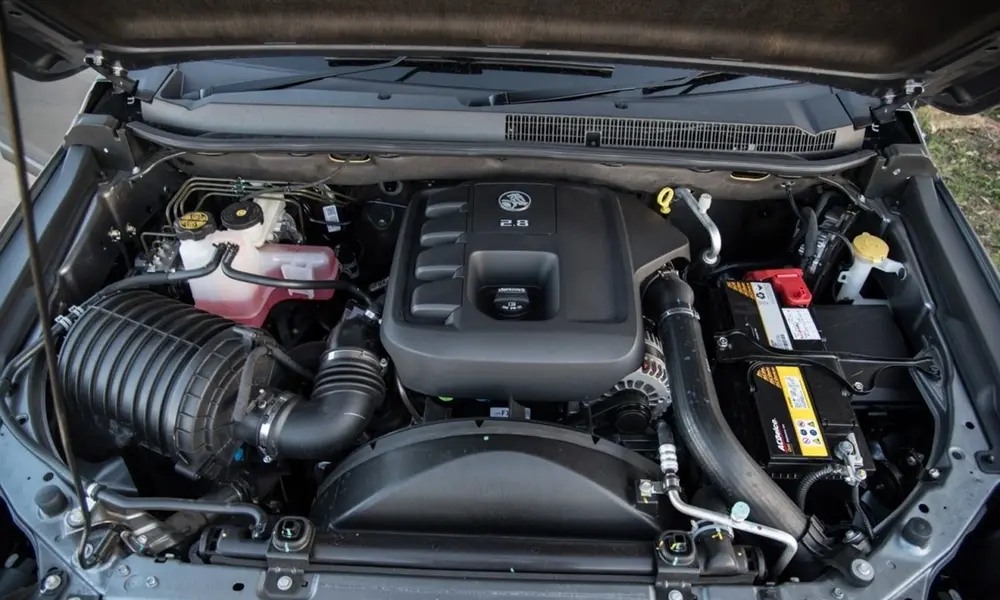
The heartbeat of any vehicle is its engine, and the modern incarnation of this ChevySUV takes a unique path by utilizing small-displacement, turbocharged three-cylinder engines.
While these setups are brilliant for stretching your fuel budget at the pump, they do come with specific trailblazer engine issues that owners should monitor closely over time.
Highway Acceleration Lag and Hesitation
If you drive a model equipped with the base 1.2-liter engine, you might notice a distinct hesitation when you stomp on the gas pedal to pass someone on the highway.
This sluggish acceleration lag happens because a tiny three-cylinder engine takes a moment to build up turbo pressure.
In stop-and-go city traffic, this can translate to a jerky or unrefined driving sensation. Drivers note that the lag feels much worse during hot summer months when the air conditioning system is drawing power from the engine.
Scent of Gasoline and Wet Timing Belts
A more serious concern floating around owner forums is a faint smell of raw gasoline entering the cabin through the climate vents. Based on available data, a small number of drivers have faced fuel system leaks that require immediate mechanical attention.
Additionally, the 1.2-liter powerplant utilizes an oil-bathed “wet” timing belt system. If owners skip scheduled oil changes or use the wrong type of engine oil, the belt can begin to degrade prematurely, shedding tiny rubber particles into the oil pan and potentially clogging the oil pump.
Electronic Glitches and Cabin Technology Quirks
Step inside the cabin, and you will notice that the digital features are a major selling point for this modern ChevySUV.
Sadly, the high-tech dashboard is also the source of some of the most frequent chevy trailblazer problems reported to dealerships.
Infotainment Screen Freezes and Blackouts
Imagine driving down an unfamiliar road, and your central touchscreen suddenly goes completely black or freezes right before a critical turn.
Owners frequently complain that the infotainment screen lags heavily when transitioning between navigation and music apps.
Wireless smartphone integration can also be quite temperamental, dropping your phone connection randomly in the middle of a phone call. While a quick vehicle restart usually coaxes the computer back to life, it remains a persistent daily annoyance.
False Safety Sensor Warnings
The vehicle comes standard with a robust suite of advanced safety features, but these digital eyes can sometimes be a bit too sensitive.
The forward collision alert system has been known to flash bright red warnings and beep frantically when there is absolutely nothing in the road ahead.
These phantom alerts are generally caused by sunlight glare hitting the windshield camera at an odd angle or a dirty front sensor bumper block.
Shifting Troubles: Transmission Hesitation
How a car transfers power to the ground alters your entire daily commute, and the transmission choices here depend entirely on whether you select a front-wheel-drive or an all-wheel-drive configuration.
CVT Jerkiness at Low Speeds
Front-wheel-drive versions rely on a Continuously Variable Transmission (CVT) designed purely to maximize fuel efficiency. However, many drivers report that this transmission can feel incredibly elastic, loud, and unrefined.
Owners describe a distinct “rubber-band effect” where the engine revs incredibly high, but the car doesn’t seem to accelerate right away.
At low parking lot speeds, the CVT can produce a jerky or shuddering sensation that makes smooth parking maneuvers a bit of a challenge.
Nine-Speed Automatic Rough Shifting
If you choose an all-wheel-drive model, the CVT is replaced by a traditional nine-speed automatic transmission. While this unit is generally much tougher, some owners still report a hard or delayed shift when the vehicle is cold in the morning.
The computer can sometimes get confused about which gear it wants to hold when you are coasting down a moderate hill, leading to a clunky downshift.
Long-Term Outlook: Assessing Trailblazer Reliability
With all these potential issues posted across the internet, you might be asking yourself: Is this car actually a smart buy? To get a clear answer, we have to look closely at overall trailblazer reliability scores across different generations.
The good news is that major automotive analytical groups generally give the modern version of this crossover an above-average quality score, often landing around 82 to 86 out of 100.
However, your long-term experience will depend heavily on which specific drivetrain combination you decide to bring home.
| Engine & Drivetrain Configuration | Common Wear Items | General Reliability Vibe |
| 1.2L Turbo 3-Cylinder (FWD + CVT) | CVT belt wear, throttle body sensors, cabin rattles | Average. Best suited for strictly relaxed city driving and drivers who prioritize fuel economy over performance. |
| 1.3L Turbo 3-Cylinder (AWD + 9-Speed) | Motor mounts, brake rotors, sensor calibration | Good. In most cases, this is considered the sturdier and more reliable powertrain option for long-term ownership. |
As long as you stay on top of factory service intervals and use the exact oil weights specified by the manufacturer, these small crossovers are entirely capable of passing the 150,000-mile mark without demanding catastrophic repairs.
Factory Fixes: Significant Trailblazer Recalls
A great way to evaluate how a manufacturer handles safety is by checking out past trailblazer recalls. A recall simply means the brand identified a specific design flaw and will fix it for you at a local dealership garage completely free of charge.
If you are currently browsing the used car market for a modern crossover, you want to make sure the previous owner took the vehicle in to resolve these specific safety campaigns:
- Electronic Brake Boost Contamination (2021 Models): A manufacturing issue allowed sensor connections in the brake assist system to become contaminated, which could suddenly reduce stopping power and require drivers to press the pedal significantly harder.
- Emergency Jack Fractures (2020–2022 Models): The plastic emergency tire jack supplied in the trunk was found to be too brittle; if it wasn’t aligned perfectly, it could snap in half while lifting the car, risking severe injury.
- Missing Seat Attachment Bolts (2020–2021 Models): A factory oversight meant that some early builds rolled out of the assembly plant with missing structural attachment bolts on the front seat frames.
- Incorrect Tire Certification Labels (2021 Models): Certain models equipped with optional sport-terrain tires were shipped out with labels displaying the wrong cold tire inflation pressures.
To find out if a vehicle you are looking at has any outstanding safety campaigns, type its 17-digit VIN into the official NHTSA database online before handing over your hard-earned cash.
Everyday Cabin and Comfort Complaints
Beyond the mechanical components, living with a vehicle day-to-day reveals a few minor build quality issues that do not necessarily affect safety but can test your patience over time.
Dashboard and Door Panel Rattles
Because this vehicle is built to compete at a highly accessible price point, the interior utilizes quite a bit of hard plastic trim along the lower dashboard and inner door cards.
As the miles stack up, these plastic panels can begin to rub against each other, creating annoying squeaks and rattles when you drive over rough pavement or listen to music with heavy bass notes.
Weak Air Conditioning Performance
Another common comfort complaint among owners living in hotter southern climates is that the climate control system takes an exceptionally long time to cool down the cabin.
The compact air conditioning compressor has to work overtime to fight off high ambient cabin heat, meaning you might find yourself leaving the fan speed on high for your entire afternoon drive home.
Conclusion
Every vehicle on the road has a few common flaws, and keeping these chevy trailblazer problems in mind doesn’t mean you should cross this vehicle off your list entirely.
Most of the hiccups owners experience come down to annoying infotainment screen freezes, minor transmission quirks, or a bit of engine lag when trying to speed up on the highway.
If you focus your search on a model with the upgraded 1.3-liter engine, verify that all safety recalls have been handled by a certified mechanic, and commit to a strict maintenance schedule, this compact SUV will serve as an incredibly stylish and faithful daily companion.
Frequently Asked Questions
What are the absolute most common chevy trailblazer problems?
The most frequent complaints from real-world owners center around electronic glitches, such as the central infotainment display screen freezing up or dropping wireless phone connections. Drivers also report slow acceleration lag with the base 1.2-liter engine and low-speed shuddering from the CVT.
Is overall trailblazer reliability considered good for a used buyer?
Yes, it is generally considered average to above-average for the subcompact SUV class. While early production runs suffered from a few electronic bugs, models equipped with the larger 1.3-liter engine and traditional nine-speed automatic transmission prove to be highly durable over time.
Which specific trailblazer recalls should I check for on a used model?
The most critical safety campaigns to verify involve the electronic brake boost system sensor contamination, missing front seat frame attachment bolts, and the factory-supplied emergency trunk jack that could crack under load. Any authorized dealer can check these for free using your VIN.
Why do some owners complain about severe trailblazer engine issues?
Most complaints involve sluggish throttle response and highway hesitation from the small 1.2-liter three-cylinder turbo motor. Additionally, using incorrect engine oil can cause the wet timing belt system to degrade prematurely, which risks clogging the internal oil pump pickup tube.
How does this ChevySUV handle rough winter road conditions?
If you choose a version featuring the intelligent all-wheel-drive system, it handles snow, slush, and heavy rain beautifully. The AWD upgrade gives you a stronger engine and a traditional automatic transmission, which provides significantly more traction than the front-wheel-drive setup.