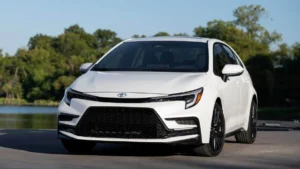
Quick Answer: What Makes a Toyota Corolla a Good Local Deal?
The best Toyota Corolla for sale near you is not necessarily the cheapest or closest one. Compare similar cars by price, model year, mileage, trim, vehicle history, maintenance records and condition. For a used Corolla, get the VIN and vehicle-history report, then have the car independently inspected before buying. The final comparison should use the out-the-door price, not just the advertised price.
Key Takeaways
- Compare several local Corolla listings before choosing one.
- Judge price against similar year, mileage and trim combinations.
- A low odometer reading does not automatically mean a better car.
- Check the VIN, title, accident and service history.
- Get an independent inspection before buying a used Corolla.
- Ask for the complete out-the-door price.
- If a used Corolla is priced close to a new one, compare both before committing.
The Corolla looked like the easy choice.
You find one only a few miles away, the photos are clean, the mileage looks reasonable and the price seems lower than the others you have seen. You call the seller, take it for a drive and start imagining it sitting in your driveway.
Then the numbers change.
There is a dealer fee. The history report raises a question. The tires are worn. And suddenly the “great deal” is not so great.
That is the problem with searching for a Toyota Corolla for sale near me: finding a nearby car is easy. Finding the right one takes more work.
This guide focuses on that second part, how to compare local Corollas, recognize a genuinely good deal and avoid paying too much for a car that only looks affordable online.
Toyota Corolla for Sale Near Me: How to Find the Right Listings

When you search for a Corolla nearby, don’t start by asking, “Which one is cheapest?”
Start by creating a shortlist you can actually compare.
Search by Location, Price and Distance
Use your ZIP code or location and set a realistic search radius. If you search only within a few miles, you may miss a substantially better car 20 or 30 miles away.
For each listing, record:
- Asking price
- Model year
- Mileage
- Trim
- Powertrain
- Seller
- Accident history
- Service history
- Location
- Estimated fees
The goal is not to collect dozens of listings. Three to five comparable Corollas are usually enough to see whether one listing is unusually expensive or unusually cheap.
A cheap Corolla that is 50 miles away may not actually save you money if it needs repairs or requires multiple trips to complete the purchase. Likewise, paying slightly more for a well-maintained example nearby may make sense if the vehicle checks all the important boxes.
Filter by Model Year, Mileage and Trim
Don’t compare a 2021 Corolla with 100,000 miles directly against a 2025 Corolla with 20,000 miles and call the cheaper one a bargain.
Compare like with like.
The most useful filters are:
- Model year
- Mileage
- Trim
- Gas or hybrid
- Condition
- Vehicle history
- Price
This matters because Toyota’s current Corolla lineup itself spans different trims and powertrains. For the 2026 model year, Toyota lists gas LE, SE and XSE trims alongside Hybrid LE, Hybrid SE and Hybrid XLE versions.
How Much Should You Pay for a Toyota Corolla Near You?
There is no single “correct” price for every Toyota Corolla.
A fair price depends on the exact vehicle you are looking at. Model year, mileage, trim, condition, history and local market conditions can all change the value.
For context, Toyota lists the 2026 Corolla starting at $23,125 MSRP for the gas LE. The current lineup also includes the SE at $25,565, XSE at $28,840, Hybrid LE at $24,975, Hybrid SE at $27,415 and Hybrid XLE at $29,340. These are manufacturer-listed base MSRPs, not necessarily the final price you will pay at a local dealership.
That distinction is important when comparing a new Corolla with a nearly new used one.
What Determines a Corolla’s Price?
Think of the asking price as the result of several variables:
| Factor | Why It Matters |
| Model year | Newer vehicles generally command higher prices |
| Mileage | Indicates how much the vehicle has been driven |
| Trim | Higher trims can include more equipment |
| Condition | Mechanical and cosmetic condition affect value |
| Vehicle history | Accidents, title issues and repairs can change value |
| Service history | Documented maintenance provides useful evidence of care |
| Powertrain | Hybrid and gas versions can have different pricing |
| Local market | Supply and demand vary by area |
A vehicle with 60,000 miles and excellent maintenance history may deserve more consideration than one with 40,000 miles and an unclear history.
That is why price should be evaluated in context, not isolation.
Compare Similar Local Vehicles
Suppose you find three Corollas:
- One is cheaper but has significantly more miles.
- One costs more but has complete service records.
- One sits between them but has an accident on its history report.
The cheapest vehicle is not automatically the best deal.
Instead, compare the vehicles on the same criteria. The question should be:
“Which car gives me the strongest combination of price, condition, history and expected ownership cost?”
Advertised Price vs. Out-the-Door Price
This is where many buyers make a costly mistake.
The number displayed in a listing may not represent everything you will pay. Depending on the transaction, your final cost can include taxes, registration, documentation or dealer fees, financing costs and optional products.
The Federal Trade Commission also warns buyers to pay attention to dealer add-ons and to understand exactly what they are paying for.
Before you agree to buy, ask:
“What is the complete out-the-door price?”
Get the answer in writing.
If two Corollas look equally attractive online but one has a substantially higher final cost, you were never really comparing two equally priced cars.
What Makes One Corolla a Better Deal Than Another?
A good deal is not simply a low number on a screen.
It is a vehicle whose price makes sense for its condition and history.
Price vs. Mileage
Mileage matters, but it should never be examined by itself.
Compare mileage with:
- Vehicle age
- Maintenance records
- Number of owners
- Accident history
- Type of driving
- Overall mechanical condition
A higher-mileage Corolla with consistent maintenance can deserve serious consideration. On the other hand, unusually low mileage should not make you ignore missing records or questionable history.
Vehicle History vs. Asking Price
Before buying a used Corolla, get the VIN and investigate the vehicle’s history.
The FTC recommends obtaining a vehicle-history report because it can reveal information such as ownership history, accidents, repair records and salvage history. It also emphasizes that a history report does not replace an independent mechanical inspection.
So don’t think:
Clean history report = automatically good car.
Think:
History report + maintenance records + physical inspection = much stronger evidence.
Trim and Features vs. Price
A higher trim can look attractive because it has more equipment, but ask yourself whether you actually need those features.
If a lower trim gives you everything you use every day, paying substantially more for equipment you rarely care about may not improve the purchase.
The 5-Point Corolla Deal Test
Before you call a listing a “good deal,” check these five points:
- Competitive price: Is it reasonably priced against similar local Corollas?
- Reasonable mileage: Does the mileage make sense for the vehicle’s age and history?
- Acceptable history: Is the title and vehicle history satisfactory?
- Maintenance evidence: Can the seller show credible service records?
- Inspection: Does an independent inspection support the asking price?
If a Corolla fails several of these tests, a low asking price may be hiding the real cost.
A Note on Current Pricing
Because local vehicle inventory changes constantly, a responsible buying guide should not pretend that one nationwide number represents what every Corolla should cost today.
Use current listings in your area to establish the local comparison point, then use the vehicle’s year, mileage, trim and condition to decide whether the asking price makes sense.
That approach is more useful than memorizing an arbitrary “good Corolla price.”
Which Used Toyota Corolla Should You Buy?
There is a moment in almost every used-car search when the listings start to blur together.
One Corolla has fewer miles. Another is a newer model year. A third has a higher trim but costs more. Then you find an older one with complete service records that is cheaper than all three.
So which one is actually the better buy?
The answer is not simply “the newest one” or “the one with the lowest mileage.” A better choice is the Corolla whose price, condition, history, mileage and equipment make sense for your budget and how you plan to use it.
Choose by Budget and Driving Needs
Start with your budget, then work backward.
If keeping the purchase price low is your priority, an older used Corolla may make more sense than stretching your budget for a newer example. If you plan to keep the car for many years, however, paying more for a newer, well-maintained vehicle may be reasonable if the additional cost fits your finances.
Think about your actual driving needs:
- Mostly commuting?
- Long highway trips?
- Heavy daily mileage?
- Occasional driving?
- Need specific technology or comfort features?
- Planning to keep the car for several years?
These questions matter because the “best” Corolla for one buyer can be a poor choice for another.
Compare Model Year, Condition and Mileage
Don’t rank your shortlisted Corollas by model year alone.
Instead, compare them as a package:
| What to Compare | Why It Matters |
| Model year | Helps establish age and available features |
| Mileage | Shows how much the car has been driven |
| Service history | Indicates whether routine maintenance was performed |
| Accident history | Can reveal previous damage |
| Condition | Shows the car’s present physical and mechanical state |
| Trim | Determines equipment and features |
| Price | Tells you what you are paying for the entire package |
For example, imagine you are choosing between a newer Corolla with incomplete maintenance records and an older Corolla with documented servicing, a clean history and a significantly lower price.
The newer car may look better in a search result.
The older car may be the better purchase.
That’s why a used-car decision should be based on evidence about the individual vehicle, not just the year printed on the listing.
Why the Newest Corolla Is Not Always the Best Buy
A newer model can offer newer technology and potentially less wear, but those benefits come with a higher purchase price.
The 2026 Corolla, for example, starts at $23,125 MSRP for the gas LE, while the gas SE and XSE start at $25,565 and $28,840 respectively. Toyota also offers hybrid versions, beginning with the Hybrid LE at $24,975. These are new-vehicle base MSRPs, so they should not be treated as direct used-car values.
The important question when shopping used is therefore:
How much extra am I paying for the newer car, and what am I actually getting for that money?
If the difference is small, the newer vehicle may be attractive. If the difference is substantial, a carefully inspected older Corolla could provide better value.
What Mileage Is Good for a Used Toyota Corolla?
Mileage is one of the first numbers shoppers notice, but it should not be the number that makes the decision for you.
A Corolla with fewer miles can be appealing. But mileage doesn’t tell you how consistently the vehicle was maintained, whether it was involved in an accident, or what repairs it may need now.
Why Mileage Alone Is Not Enough
Consider two hypothetical Corollas:
Corolla A: Lower mileage, incomplete service records, unclear history.
Corolla B: Higher mileage, documented maintenance, clean history and good inspection results.
It would be a mistake to automatically choose Corolla A.
The second car gives you more evidence about how it was cared for.
This is why you should consider:
Mileage + age + maintenance + history + condition
rather than mileage alone.
Check Mileage Against Maintenance History
Ask the seller for maintenance documentation where available.
Look for evidence of routine servicing and investigate whether the mileage shown on the odometer appears consistent with the vehicle’s history.
A vehicle-history report can help identify reported mileage discrepancies, accidents and other recorded events. But a report is not a substitute for examining the vehicle itself. The FTC specifically recommends an independent inspection even when a history report is available.
When Low Mileage Can Still Be a Warning Sign
“Low mileage” sounds positive, but it doesn’t erase other concerns.
Be cautious if a very low-mileage Corolla also has:
- Missing service records
- Inconsistent mileage information
- Significant accident history
- Unexplained title issues
- Visible mechanical problems
- A seller who cannot clearly explain the vehicle’s history
The goal isn’t to find the lowest odometer reading.
The goal is to find a vehicle whose mileage makes sense for its age, history and condition.
What to Check Before Buying a Used Corolla
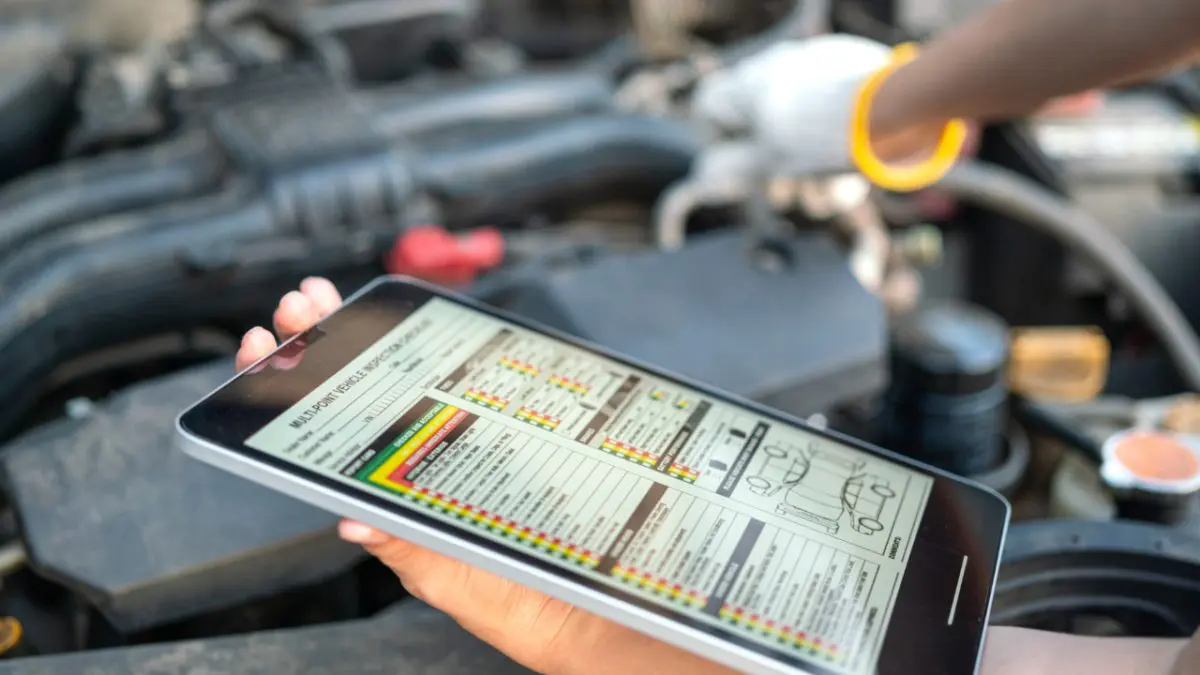
You have narrowed the search to one or two promising vehicles. Now comes the part that can save you from an expensive mistake.
Don’t buy based on photographs and a test drive alone.
Verify the VIN and Vehicle History
Get the vehicle identification number before making a serious buying decision.
Use it to investigate available history information, including:
- Reported accidents
- Title information
- Previous ownership
- Reported mileage
- Salvage or other title branding
- Recorded service or repair information where available
The FTC recommends obtaining a vehicle-history report before buying a used vehicle, while also warning that the report cannot tell you everything about the car’s mechanical condition.
Review Accident, Ownership and Service Records
A history report is useful, but ask the seller questions when something doesn’t make sense.
For example:
- Was the vehicle ever damaged?
- What repairs were performed?
- Are maintenance receipts available?
- How many owners has it had?
- Why is the vehicle being sold?
Don’t assume that a vehicle described as “clean” has never had any repair work. Ask for documentation and verify what you can.
Inspect Tires, Brakes, Fluids and Body Condition
Before buying, look closely at the physical condition.
Check:
- Tire tread and wear patterns
- Brake condition
- Exterior panels
- Paint differences
- Windshield and glass
- Lights
- Fluid leaks
- Engine bay
- Interior wear
- Warning lights
Uneven tire wear, mismatched body panels or warning lights don’t automatically mean you should walk away, but they are reasons to investigate further.
Take a Proper Test Drive
Don’t drive around the block for two minutes and call it a test.
Pay attention to:
- Starting behavior
- Engine sounds
- Acceleration
- Transmission operation
- Steering
- Braking
- Suspension noise
- Warning lights
- Air conditioning
- Overall ride quality
If possible, test the car under different conditions, including normal streets and highway speeds.
Get an Independent Pre-Purchase Inspection
This is one of the strongest protections available to a used-car buyer.
The mechanic should be independent of the seller whenever practical. The purpose is not to guarantee that the vehicle will never need repairs. It is to identify current problems and give you more information before you commit your money.
The FTC explicitly advises consumers to have a used vehicle inspected by an independent mechanic before purchase, even when the vehicle has a history report.
New vs. Used vs. Certified Pre-Owned Corolla
Once you have a budget, you still need to decide what type of Corolla makes the most sense.
New Corolla
A new Corolla gives you a known starting point, current equipment and no previous owner.
For 2026, Toyota offers gas and hybrid versions, with gas LE, SE and XSE trims and several hybrid configurations.
Best fit: Buyers who prioritize a new vehicle, current features and predictable starting condition.
Used Corolla
A used Corolla can reduce the initial purchase price, but the condition and history become much more important.
Best fit: Buyers focused on value who are willing to research, compare and inspect the vehicle.
Certified Pre-Owned Corolla
CPO can be worth considering when you want additional assurance compared with an ordinary used vehicle.
However, don’t assume “certified” automatically means it is the best financial choice. Compare the CPO vehicle’s price with similar non-CPO Corollas and understand exactly what certification includes.
Best fit: Buyers willing to pay more for additional certification benefits and peace of mind.
Which One Makes Sense for You?
| Option | Best For | Main Advantage | Main Trade-Off |
| New | Buyers wanting a new car | New condition and current model | Higher purchase price |
| Used | Value-focused buyers | Potentially lower purchase price | More history/condition risk |
| CPO | Buyers wanting additional assurance | Certification benefits | Usually costs more than comparable non-CPO |
The smartest choice is the one that fits your total budget, not the one with the most attractive badge or newest model year.
Corolla LE vs. SE vs. XSE: Which Trim Is the Better Buy?
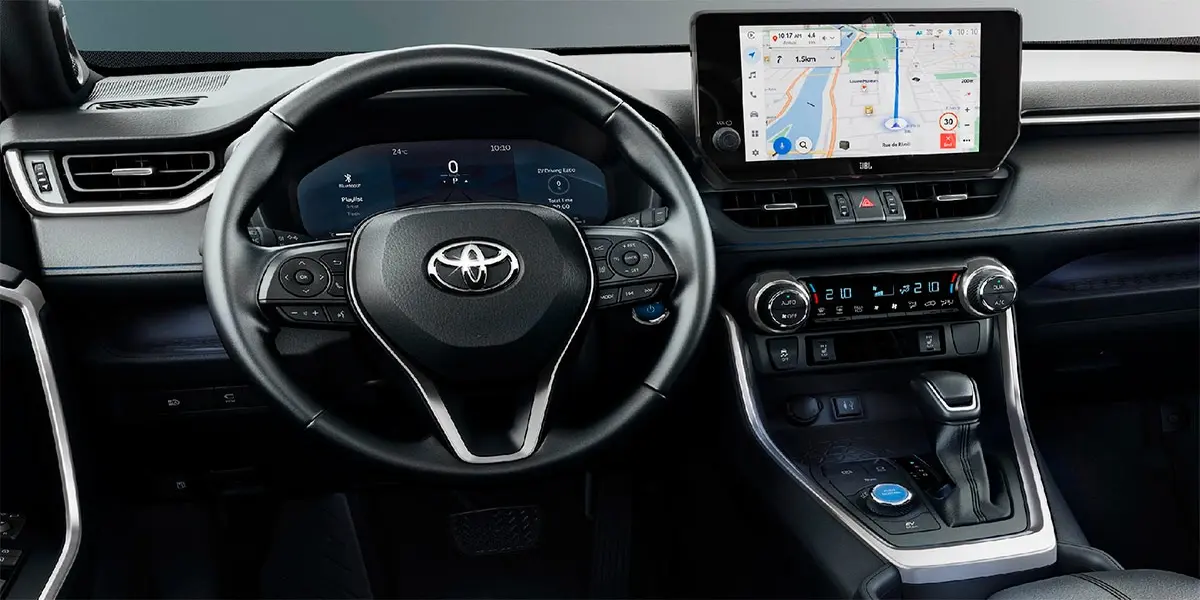
If you are comparing newer Corollas, trim can make a noticeable difference in price and equipment.
For 2026, Toyota lists the gas Corolla LE at $23,125, SE at $25,565 and XSE at $28,840 before applicable additional costs.
Corolla LE
The LE is the logical starting point for buyers who want the core Corolla experience without paying for the higher trim.
Toyota lists features including an 8-inch touchscreen, wireless Apple CarPlay and Android Auto compatibility, plus blind-spot monitoring with rear cross-traffic alert for the 2026 LE.
Best for: Buyers who prioritize value and everyday practicality.
Corolla SE
The SE moves toward a sportier presentation and adds features such as sport seats, Sport driving mode and 18-inch alloy wheels.
Best for: Buyers who want more style and a sportier character without moving to the top trim.
Corolla XSE
The XSE sits higher in the gas lineup and adds equipment such as a 12.3-inch digital gauge cluster and heated SofTex-trimmed front sport seats.
Best for: Buyers who specifically value additional comfort and technology.
How to Choose
Don’t pay for a higher trim simply because it sounds better.
Ask:
Which features will I actually use every week?
If the answer doesn’t justify the price difference, the lower trim may be the better deal.
Toyota Corolla Hybrid vs. Gas: Which Should You Buy?
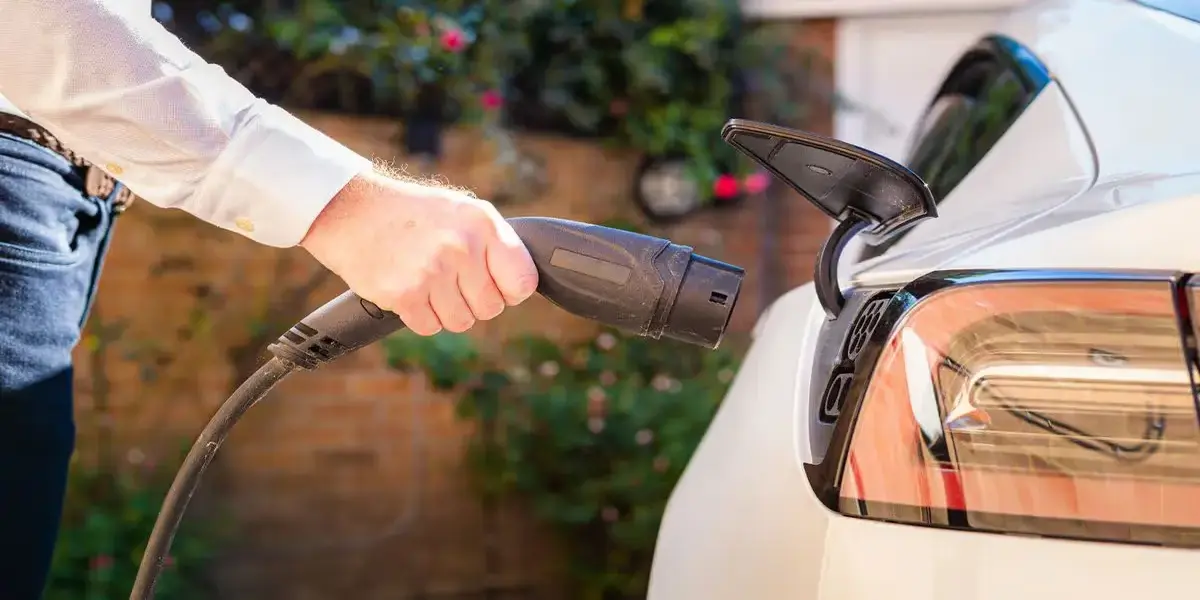
The current Corolla gives buyers a choice between gas and hybrid powertrains. Toyota lists the 2026 Hybrid LE at a $24,975 base MSRP, compared with $23,125 for the gas LE.
When a Hybrid Makes More Sense
A hybrid can make particular sense when fuel efficiency is a major priority and you drive enough for the efficiency advantage to matter to your ownership costs.
Toyota lists the 2026 Hybrid LE at an estimated 53 city/46 highway MPG, while the gas LE is rated at 32 city/41 highway MPG. These are manufacturer estimates, not guaranteed real-world results.
When a Gas Corolla Makes More Sense
The gas model may appeal if:
- You want the lower starting price.
- Your annual mileage is relatively low.
- Fuel savings are less important to you.
- A comparable gas Corolla offers a better overall purchase deal.
Compare Total Cost, Not Fuel Economy Alone
Don’t choose solely because one model has a higher MPG figure.
Compare:
Purchase price + expected fuel use + ownership period + condition + financing
For a used Corolla, the condition of the specific vehicle can matter more than the powertrain label.
Dealer vs. Private Seller: Where Is the Better Deal?
The cheapest seller isn’t automatically the best seller.
Your priorities should determine which route makes more sense.
Buying From a Dealer
A dealer may provide:
- More inventory
- Financing options
- Trade-in opportunities
- CPO vehicles
- Structured purchasing paperwork
But always examine the complete price. Dealer advertisements can include pricing conditions or additional charges, so ask for the out-the-door figure before comparing offers.
Buying From a Private Seller
A private seller may offer a lower asking price and more direct negotiation.
But you take on more responsibility for:
- Verifying the vehicle history
- Checking ownership/title documents
- Arranging inspection
- Understanding payment and paperwork requirements
Which Option Fits Your Situation?
| Factor | Dealer | Private Seller |
| Selection | Usually broader | Usually smaller |
| Financing | Often available | More limited |
| Negotiation | Possible | Often more direct |
| CPO | Possible | Generally unavailable |
| Inspection | Still recommended | Especially important |
| Price | May be higher | May be lower |
Whichever route you choose, don’t let a low asking price replace basic due diligence.
How to Negotiate the Price of a Local Corolla

Negotiation becomes easier when you have evidence.
Don’t walk into a dealership and simply demand a random discount. Build your position from comparable vehicles.
Research Comparable Listings First
Find Corollas with similar:
- Model year
- Mileage
- Trim
- Condition
- History
- Location
Then ask why the vehicle you want costs more or less than comparable examples.
A genuine difference in condition or equipment can justify a price difference.
Negotiate the Out-the-Door Price
The most useful number is the amount you actually have to pay, not simply the number in the advertisement.
Ask the seller to provide a written breakdown of:
- Vehicle price
- Taxes
- Registration
- Dealer/doc fees
- Optional products
- Other charges
The FTC recommends getting the total cost in writing and carefully reviewing add-ons before signing.
Watch for Dealer Add-Ons and Fees
If an optional product appears on the paperwork that you didn’t request, stop and ask what it is.
Don’t negotiate only on the monthly payment.
A longer loan term can make a vehicle appear affordable each month while increasing the total amount paid.
Know When to Walk Away
The strongest negotiation position is being willing to leave.
If the final price no longer makes sense compared with other Corollas you have already researched, you don’t have to force the purchase.
There will be another listing.
What Will the Corolla Really Cost You?
The purchase price is only the beginning of the calculation.
Taxes, Registration and Dealer Fees
Depending on where you live and how you buy, additional transaction costs can increase the amount due at purchase.
That’s why the out-the-door price matters more than the headline listing price.
Financing and Interest
If you finance, compare the total amount paid, not only the monthly payment.
A lower monthly payment can simply mean a longer loan.
Insurance, Fuel and Maintenance
Your ongoing costs can include:
- Insurance
- Fuel
- Routine maintenance
- Tires
- Brakes
- Repairs
- Registration
A Corolla with a slightly higher purchase price could still be the better financial decision if its condition and history reduce the likelihood of immediate repair spending.
Quick Answers for Toyota Corolla Buyers
How Much Is a Used Toyota Corolla?
There is no single price that applies to every used Corolla. Compare vehicles with similar model years, mileage, trims, condition and history in your local market.
How Many Miles Is Too Many?
There is no universal mileage cutoff that automatically makes a Corolla a bad purchase. Maintenance history, age, condition and vehicle history should be evaluated alongside mileage.
What Makes a Corolla a Good Deal?
A good deal combines a competitive price with appropriate mileage, acceptable history, documented maintenance and condition confirmed by an inspection.
What Should You Check Before Buying?
Check the VIN and history, service records, tires, brakes, body condition, warning lights and driving behavior, then arrange an independent inspection.
Final Buying Decision: Find the Right Corolla, Not Just the Closest One
The best Toyota Corolla for sale near you isn’t the one that wins the search results by having the lowest price or shortest distance.
It’s the one that still looks like a good decision after you examine the details.
Before you buy, run through this checklist:
- Set your total budget.
- Compare several local Corollas.
- Match year, mileage and trim.
- Check the VIN and history.
- Review service records.
- Inspect the vehicle.
- Take a thorough test drive.
- Get an independent inspection.
- Request the complete out-the-door price.
- Compare the final numbers before signing.
That extra work may take an afternoon.
FAQs About Toyota Corolla for Sale Near Me
How much is a used Toyota Corolla near me?
Prices vary by model year, mileage, trim, condition and location. Compare similar local listings rather than relying on one advertised price.
What is the best year Toyota Corolla to buy used?
There is no single best year for every buyer. Focus on your budget, the vehicle’s condition, maintenance history, features and asking price.
How many miles is too many for a Toyota Corolla?
Mileage should be evaluated alongside maintenance and condition. A well-maintained higher-mileage Corolla can be more attractive than a poorly documented lower-mileage car.
Is a used Toyota Corolla worth buying?
It can be, especially when the vehicle has a reasonable price, acceptable history, documented maintenance and passes an independent inspection.
Is a CPO Toyota Corolla worth the extra money?
It can be worthwhile if the certification benefits and additional coverage justify the higher price compared with similar non-CPO vehicles.
Can I negotiate the price of a used Corolla?
Yes. Use comparable local listings and the vehicle’s condition to support your position, and negotiate the complete out-the-door price.
Should I buy a Corolla from a dealer or private seller?
Either can work. Dealers may offer more inventory and financing, while private sellers may offer lower prices. In both cases, verify the vehicle and have it inspected.
What should I check before buying a used Corolla?
Check the VIN, history, title, service records, physical condition and test-drive performance. An independent inspection adds another layer of protection.