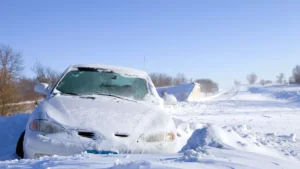
AI Overview: What Is an Ice Car?
An “ice car” is not a formal automotive term. It is a useful informal description of a car affected by severe cold, ice, snow, or freezing conditions. Common problems include battery failure, low tire pressure, frozen doors and wipers, poor traction, thickened fluids, and reduced EV range. The best prevention is simple: prepare the battery, tires, fluids, visibility equipment, and emergency supplies before temperatures fall.
Key Takeaways
- A car battery loses about 35% of its strength at 32°F and about 60% at 0°F, according to AAA.
- Tires lose roughly 1 PSI for every 10°F temperature drop, so cold weather can trigger a TPMS warning without a puncture.
- Frozen wipers can damage the wiper mechanism or blow a fuse if you switch them on while they are stuck to the glass.
- Winter-rated washer fluid is essential because summer fluid can freeze around the freezing point.
- Snow and ice reduce visibility and traction, making preparation a safety issue rather than just a convenience.
- EVs are also affected: AAA found a 39% calculated range reduction at 20°F compared with its moderate-temperature baseline.
- A winter-ready car starts with prevention, not with trying to fix a failure in the driveway at 6 a.m.
You turn the key on a freezing morning and hear nothing but a slow, tired click. The windshield is covered in ice, the door will not open, and the tire-pressure warning has appeared overnight.
That is what many drivers casually call an ice car: a vehicle that becomes difficult or unsafe to use because cold, ice, snow, and winter conditions expose weak points.
The good news is that most winter failures are predictable. A weak battery, underinflated tires, frozen wipers, poor visibility, bad coolant, and neglected seals can often be dealt with before they leave you stranded.
Here are the most common cold-weather car problems, what causes them, and the practical steps that prevent them.
What Happens to a Car in Cold Weather?
Cold weather can reduce battery power, lower tire pressure, thicken fluids, freeze doors and wipers, and make snow and ice harder to remove. It can also reduce traction, visibility, and braking performance. Before freezing weather arrives, check the battery, tires, coolant, washer fluid, wipers, seals, and emergency equipment.
17 Cold Weather Problems That Can Turn Your Car Into an “Ice Car”
1. Weak or Dead Battery
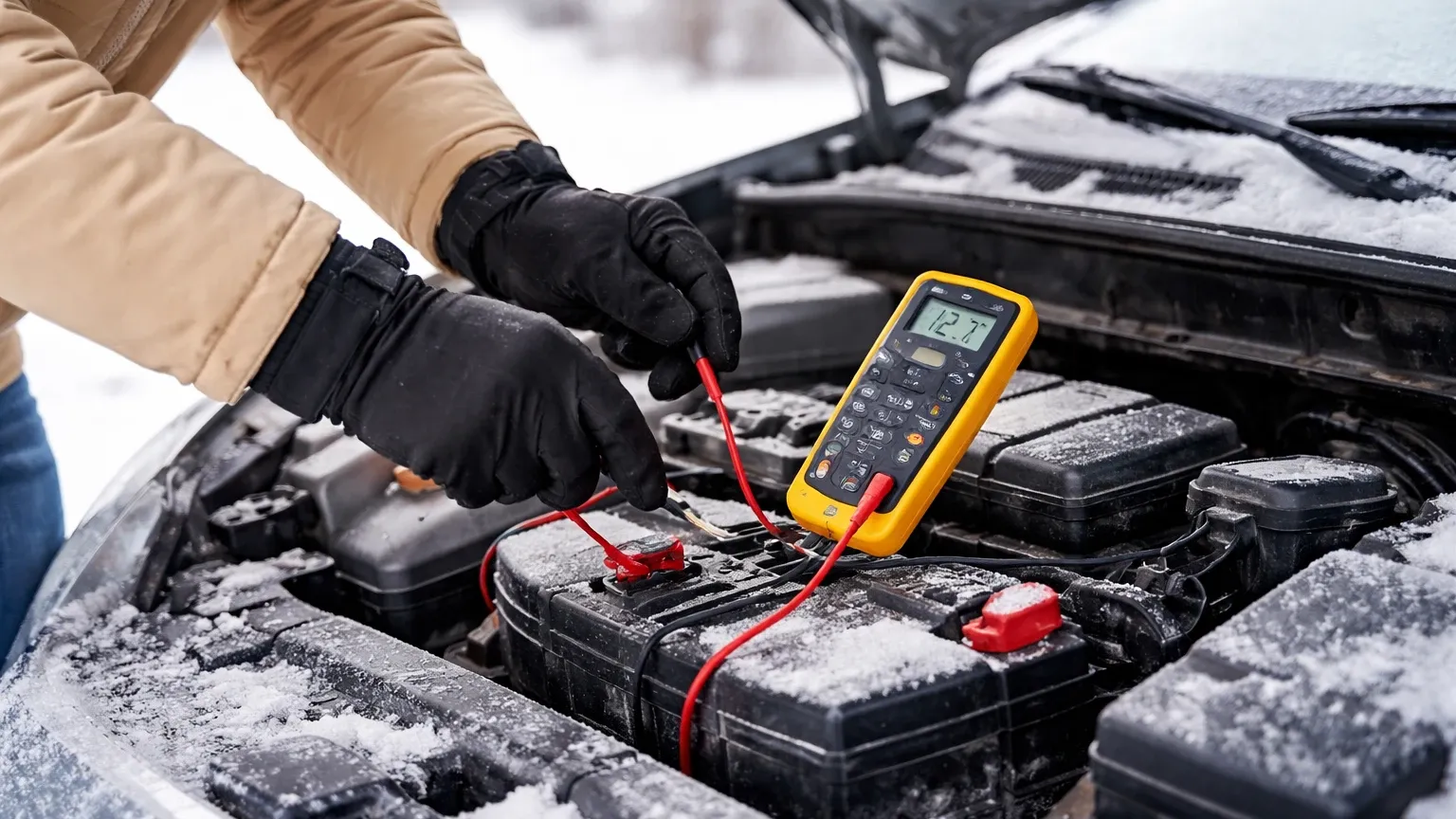
The battery is usually the first place to look when your car refuses to start on a freezing morning.
AAA reports that a car battery loses around 35% of its strength at 32°F and about 60% at 0°F. Cold also makes starting the engine harder, so an aging battery can fail when you need it most.
Prevent it: Test the battery before winter. If it is aging, corroded, or already showing slow-cranking symptoms, have it inspected.
2. The Engine Cranks Slowly or Won’t Start
A no-start is not always a dead battery. Thickened oil, a weak starter, charging-system problems, or frozen fuel-system components can also contribute.
If the engine turns unusually slowly, start with the battery and charging system rather than repeatedly turning the key.
3. Low Tire Pressure
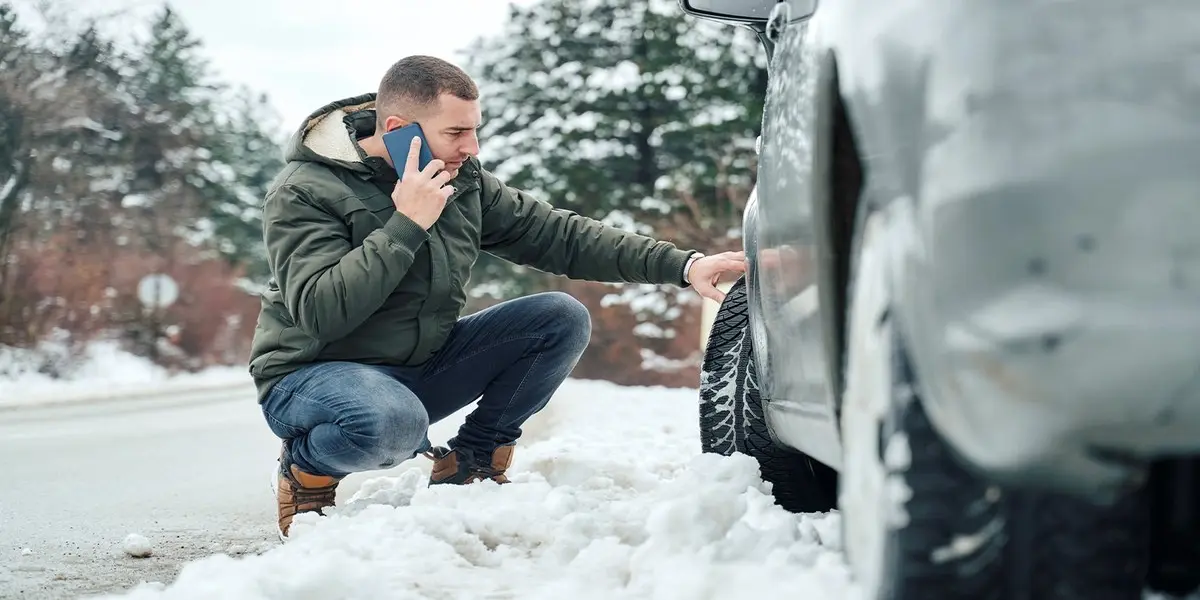
Cold air means lower tire pressure. AAA says tires lose approximately 1 PSI for every 10°F drop in temperature.
Check pressure when the tires are cold and use the vehicle manufacturer’s recommended pressure. Do not simply inflate them to a number printed on the tire sidewall.
4. Frozen Car Doors and Door Seals
Water trapped around the rubber weatherstripping can freeze the door shut.
Do not yank the handle. A gentle approach with an appropriate de-icer is safer than forcing the seal and potentially damaging it.
5. Frozen Door Locks
Moisture can freeze inside a lock, leaving you unable to enter the vehicle.
A suitable lock de-icer can help. Preventive lubrication recommended for the particular lock and vehicle can also reduce the chance of freezing.
6. Icy Windshield and Windows
An iced windshield is more than an annoying morning delay. You need a completely clear view before driving.
RAC recommends planning ahead, using a proper scraper and de-icer, and allowing enough time to clear the vehicle properly.
Never pour boiling water over frozen glass. A rapid temperature change can crack or shatter it.
7. Frozen Wipers
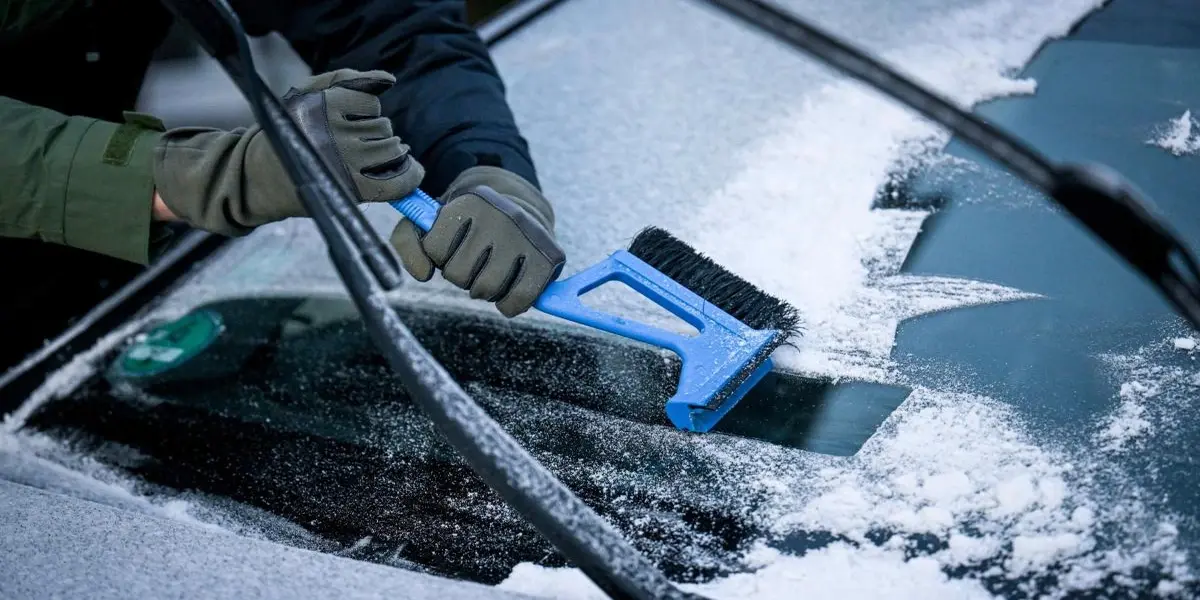
If your wipers are frozen to the windshield, switching them on can damage the mechanism or blow a fuse.
RAC specifically recommends checking that the blades are free before operating them. A windshield cover or a piece of card between the blade and glass can help prevent overnight freezing.
8. Thick Engine Oil
Low temperatures increase oil viscosity. That means the engine can require more effort to turn over during a cold start.
Use the oil grade specified by your vehicle manufacturer rather than choosing a heavier or lighter oil simply because the weather is cold.
9. Coolant or Antifreeze Problems
Coolant protects the engine from freezing and overheating. If its level or condition is wrong, severe cold can create a serious problem.
Check the coolant according to the manufacturer’s maintenance schedule and use the specified coolant type.
10. Frozen Washer Fluid
Washer fluid that is not rated for freezing temperatures can solidify in the reservoir, lines, or nozzles.
Replace summer fluid with a winter-rated product before temperatures drop. This small piece of winter vehicle care can save you from losing an important visibility aid.
11. Reduced Tire Traction
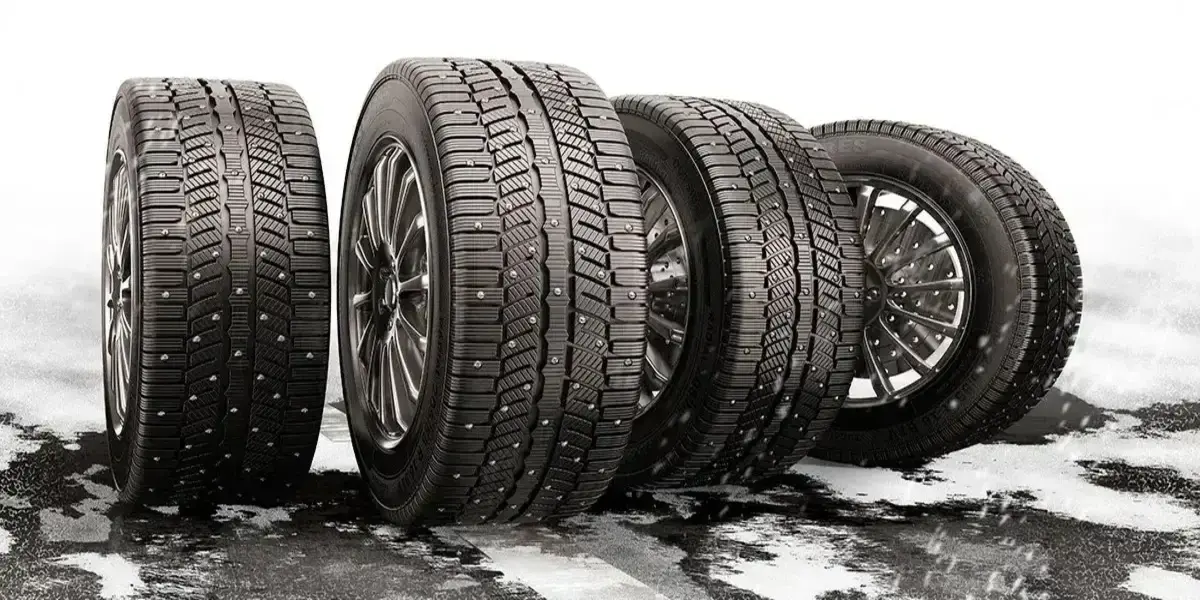
Cold temperatures, snow, and ice can dramatically reduce available grip.
If you regularly drive on snow and ice, dedicated winter tires can provide a substantial advantage over ordinary all-season tires. Tire choice should match your climate and driving conditions.
12. Longer Braking Distance
Even if your brakes are mechanically healthy, slippery roads can increase stopping distance.
The solution is not simply pressing the brake harder. Reduce speed, increase following distance, and use tires appropriate for the conditions.
13. Poor Visibility
Ice, snow, fogging, dirty headlights, and frozen mirrors can all reduce what you can see.
Clear the windshield, windows, mirrors, lights, and roof before driving. RAC stresses the importance of completely clearing ice and snow before setting off.
14. Snow Packed Around Wheels
Heavy snow can accumulate around wheel wells and other exposed areas.
Before moving, clear packed snow that could interfere with wheels or other components. Also check underneath the vehicle after significant snowfall.
15. Snow-Blocked Exhaust
Snow around the exhaust area creates a potentially dangerous situation because exhaust gases need a clear path away from the vehicle.
Always check that the exhaust outlet is clear before starting or driving after heavy snow.
16. Brake or Parking-Brake Problems
Freezing moisture can affect brake components and parking brakes.
If a brake remains stuck, feels abnormal, or does not release normally, do not force the vehicle to move. A mechanical inspection may be necessary.
17. Cold-Weather EV Range Loss
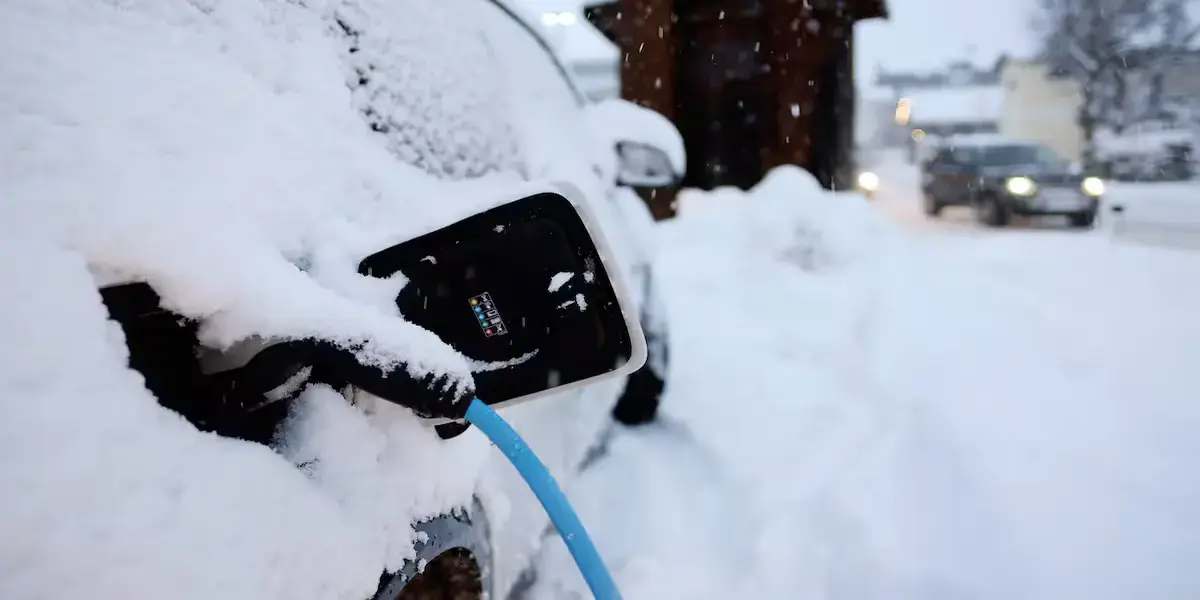
Electric vehicles do not escape winter problems. Cold temperatures affect battery efficiency, while cabin heating adds another electrical demand.
AAA’s May 2026 testing found EVs had a 39.0% reduction in calculated driving range at 20°F compared with its 75°F baseline.
Recurrent’s real-world study of more than 30,000 vehicles found EVs retained an average of 78% of their range at 32°F and 70% at 20°F. Heat-pump technology improved range retention at 32°F by roughly 10% compared with resistive heating.
How to Prevent an Ice Car Before the First Freeze
The easiest winter repair is the one you never need to make.
Check the Battery First
Have the battery tested before severe cold arrives. Look for corrosion and signs of slow cranking.
Battery age matters, too. Green Flag expected 472,000 UK battery failures during November 2025 through January 2026, showing how common battery trouble becomes during winter.
Who should use a battery heater or blanket? Drivers who regularly face severe cold and have suitable electrical access may benefit from cold-weather battery-heating equipment.
Who should avoid it? Anyone without a vehicle-compatible setup or safe electrical access should not improvise a heating solution. Follow the vehicle and equipment manufacturer’s instructions.
Check Tires Before the Weather Turns Bad
Check pressure when the tires are cold and inspect tread condition.
If your area regularly gets snow or ice, compare all-season, all-weather, and winter tires based on the conditions you actually drive in rather than choosing solely by price.
Check Coolant and Other Fluids
Verify coolant level and condition. Replace washer fluid with a product rated for the temperatures you expect.
Do not assume that fluid already in the vehicle is suitable simply because it worked during summer.
Protect the Windshield and Wipers
Keep a scraper and suitable de-icer available.
A windshield cover can prevent a layer of ice from forming overnight. Most importantly, free the wipers before turning them on. RAC specifically warns that frozen wipers can damage their mechanism.
Protect Doors and Seals
Inspect rubber door seals before winter. Keep them clean and use a product suitable for automotive weatherstripping if recommended for your vehicle.
For frozen locks or doors, use an appropriate de-icer rather than pulling harder on the handle.
Three Winter Problems Drivers Often Miss
Cold Can Expose a Weak Component
Winter does not necessarily create every failure. Sometimes it simply exposes a component that was already near the end of its useful life.
A battery that starts the car normally in mild weather may struggle when cold temperatures reduce its available power.
A TPMS Warning Does Not Automatically Mean a Leak
A sudden temperature drop can reduce tire pressure enough to trigger the warning system.
Check the pressure first. If the pressure continues falling after adjustment, investigate for a puncture or another leak rather than blaming the weather.
Winter Preparation Depends on Where You Park
A driver with a heated garage has different risks from someone who parks outside overnight.
If your car stays outside, windshield protection, battery preparation, tire checks, and accessible de-icing equipment become much more important.
Winter Car Care: What Should You Actually Do?
Use this simple routine before a major freeze:
- Test the battery and inspect its terminals.
- Check tire pressure while the tires are cold.
- Inspect tire condition and choose suitable tires for snow and ice.
- Check coolant and use the correct specification.
- Replace washer fluid with a winter-rated formula.
- Inspect wipers and replace damaged blades.
- Protect door seals and check locks.
- Keep an ice scraper and de-icer available.
- Clear all snow and ice before driving.
- Check the exhaust area after heavy snowfall.
- Keep an emergency kit in the vehicle.
- For EVs, plan extra charging time and range during severe cold.
If temperatures are extremely low and your vehicle supports it, an engine block heater can also help. Natural Resources Canada reports that block heaters can improve winter fuel economy by as much as 10% by pre-warming the engine, coolant, and oil.
Who should use a block heater? Drivers in consistently severe cold who have an appropriate vehicle and safe access to an electrical outlet.
Who should avoid it? Drivers who cannot safely install or connect a compatible heater. The equipment must be appropriate for the vehicle.
Common Ice Car Mistakes to Avoid
Do not attack frozen doors by repeatedly pulling the handle.
Do not operate wipers while they are frozen to the glass.
Do not pour boiling water over an iced windshield.
Do not ignore a tire-pressure warning simply because temperatures dropped.
Do not drive before clearing ice and snow from your windows, mirrors, lights, and other areas that affect visibility.
Finally, do not assume a car that started yesterday is automatically ready for tomorrow’s freeze.
When Should You Stop Driving and Get Help?
Some winter problems are simple maintenance issues. Others are warning signs that continuing to drive could make things worse.
Stop and seek professional help if the engine will not start after reasonable troubleshooting, the brakes remain stuck, the battery repeatedly dies, the charging system warning appears, steering or braking feels abnormal, or you cannot safely clear your visibility.
Winter weather is not the time to gamble on a serious mechanical symptom.
Final Thoughts: Don’t Wait for Your Car to Become an Ice Car
That frozen morning scene starts innocently enough: a little frost on the windshield, a colder-than-usual night, and a car that seemed perfectly fine yesterday.
Then the battery struggles. The tires are low. The wipers are frozen. Suddenly, a normal commute becomes a roadside problem.
A prepared ice car is easier to avoid than to rescue. Check the battery before winter, maintain the correct tire pressure, use appropriate fluids and tires, clear ice safely, and pay attention to small warning signs.
The cold cannot always be avoided, but being surprised by it usually can.
Frequently Asked Questions About an Ice Car
Why does my car battery die in cold weather?
Cold temperatures slow the chemical reactions inside a lead-acid battery and reduce available power. AAA reports about 35% less battery strength at 32°F and about 60% less at 0°F.
A weak or aging battery is especially vulnerable. Testing it before extreme cold is one of the simplest ways to avoid a winter no-start.
How much tire pressure do I lose in the cold?
Tires lose approximately 1 PSI for every 10°F drop in temperature. That means a large overnight temperature change can lower pressure enough to trigger the TPMS warning.
Check the tires when cold and inflate them to the vehicle manufacturer’s recommended pressure.
Do I really need winter tires?
If you regularly drive on snow and ice, winter tires can provide better cold-weather traction than ordinary all-season tires. Your decision should depend on local weather, road conditions, and how often you drive in severe winter conditions.
If your area rarely sees snow or ice, an appropriate all-season or all-weather tire may be more practical. Always compare the tire’s capabilities with your actual driving environment.
Can windshield washer fluid freeze?
Yes. Washer fluid that is not designed for freezing temperatures can solidify in the reservoir, lines, or nozzles.
Before winter arrives, replace unsuitable fluid with one rated for the temperatures you expect. This keeps the windshield-cleaning system usable when visibility matters most.
Why won’t my car start after a cold night?
A weak battery is one of the first things to check, but it is not the only possibility. Cold can also make engine oil thicker and expose problems involving the starter, charging system, or fuel system.
If the battery tests healthy but the vehicle still will not start, avoid repeated attempts and have the vehicle properly diagnosed.
Do electric cars lose range in the cold?
Yes. AAA’s 2026 testing found a 39% reduction in calculated EV driving range at 20°F compared with its moderate-temperature baseline.
Recurrent’s real-world study also found average range retention of 78% at 32°F and 70% at 20°F across the vehicles studied. Preconditioning and efficient cabin heating can help reduce the impact.
What is the best way to protect my car from winter problems?
Start with the battery, tires, coolant, washer fluid, wipers, and visibility. Then protect door seals and make sure your ice scraper and emergency supplies are ready.
The goal is to identify weak points before the temperature exposes them.