Key Takeaways
-
3 to 5 years typical timeframe
-
Extreme heat accelerates internal corrosion
-
Regular battery maintenance extends lifespan
-
Parasitic drains cause silent failures
Hey there! Have you ever walked out to your car on a chilly morning, turned the key, and heard absolutely nothing?
It is honestly one of the most frustrating feelings in the world. We rely so much on our vehicles every single day, yet we rarely give a second thought to the quiet power source sitting right under the hood until it completely gives up on us.
So, let’s get right to the big question on your mind: how long do car batteries last? Based on available data, you can generally expect a standard battery to last between three to five years before needing a complete replacement.
However, that estimated window can shrink or stretch depending on a massive list of daily habits, environmental elements, and maintenance choices.
AI Overview
Wondering how long do car batteries last? In most cases, the average car battery life spans three to five years. However, your true vehicle battery life depends on critical elements like extreme weather, driving distances, and routine battery maintenance. Spotting early warning signs helps you plan a timely battery replacement before a sudden, frustrating breakdown happens.
The Real Baseline: Average Car Battery Life
When you buy a brand new vehicle or put a fresh battery into your current ride, you are essentially starting a ticking clock. But why is there such a wide gap between three and five years for our vehicle battery life?
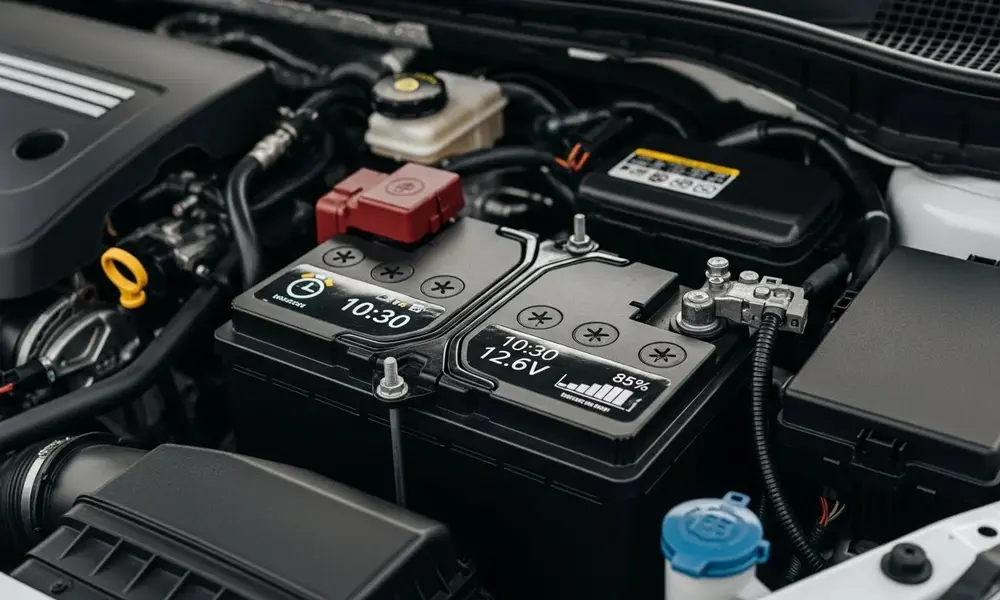
Well, car batteries are chemical storage packs that rely on internal reactions to hold and discharge electrical current. Over time, these internal chemical components naturally degrade, reducing the total amount of energy the unit can retain.
Think of it just like your old smartphone that used to last two full days but now barely makes it to lunchtime. Understanding your average car battery life helps you stay ahead of potential issues before they leave you stranded in an empty parking lot.
Climate and Weather Factors
1. Extreme Summer Heat
Most everyday drivers believe that freezing winter mornings are the absolute worst enemy for an automotive battery. But here is a surprising fact: scorching summer heat is actually the true, silent killer of internal battery chemistry.
When temperatures under your hood soar past 140 degrees, the liquid electrolyte solution inside the casing starts evaporating rapidly. This structural evaporation speeds up internal chemical reactions, which quickly leads to permanent structural corrosion. If you live in a hot desert climate, your overall vehicle battery life might easily be cut down to just two or three years.
2. Freezing Winter Cold
While heat does the structural damage, the freezing cold weather is what finally delivers the knockout blow. When the temperature drops to freezing, your engine oil thickens up, making it much harder for the starter motor to turn over.
At the exact same time, the cold ambient air reduces the battery’s inherent ability to deliver its maximum cranking power. So, a unit already weakened by summer heat will often completely fail on the very first freezing winter morning.
3. Extreme Temperature Swings
Going from intense daytime heat to freezing nighttime cold puts incredible physical stress on the plastic battery casing and internal lead plates. These constant thermal expansions and contractions can cause subtle micro-cracks to develop over time. In most cases, steady, mild weather is the absolute best environment for maximizing your total average car battery life.
Driving Habits and Routines
4. Frequent Short Trips
Do you frequently drive just two or three minutes down the road to grab groceries or drop off the kids at school? These ultra-short trips might be convenient, but they are actually incredibly tough on your vehicle battery life.
Every single time you start your vehicle, the starter motor draws a massive amount of electrical current from the battery pack. Your alternator normally recharges the battery while you drive, but it takes a good fifteen to twenty minutes of continuous highway cruising to restore that lost power. If you only take short drives, the unit stays in a constant state of undercharge, leading to a destructive process known as acid stratification.
5. Long Periods of Vehicle Inactivity
Cars are built to be driven regularly, and leaving your vehicle sitting idle for weeks at a time can drain the power completely. Even when your ignition key is turned off, your car’s internal computers, security alarms, and clock systems draw a tiny amount of continuous power. Without an engine running to recharge it, this constant drain will eventually drop the voltage below a recoverable level. If you have to store a car, performing proper battery maintenance or using a smart trickle charger is absolutely vital.
6. Accidental Electrical Drains
We have all accidentally left an interior map light turned on or left a phone charger plugged into an active power port overnight. These simple human errors create a major parasitic draw that can completely drain a perfectly healthy power cell in a matter of hours.
Deeply draining a standard lead-acid unit down to zero causes immediate, permanent damage to its internal structural integrity. Even after you jump-start the car and drive around, the unit may never fully regain its original capacity, speeding up your timeline for a battery replacement.
Vehicle Mechanics and Systems
7. A Failing Alternator or Charging System
Your battery might be brand new, but it cannot do its job properly if the vehicle’s charging system is failing. The alternator is the component responsible for generating electricity and keeping the battery charged while the engine runs.
If the alternator has a failing voltage regulator, it might undercharge the battery, leaving it weak and unable to crank. Conversely, an alternator that overcharges can pump too much voltage into the cell, literally boiling the internal fluid away.
8. Parasitic Draws from Aftermarket Accessories
Installing a massive custom audio subwoofer, an advanced dashcam, or a modern remote-start system can completely transform your daily drive. However, if these aftermarket electronics are wired incorrectly, they can draw continuous current even when the car is completely locked. This extra drain makes the power cell work twice as hard, significantly shortening your expected average car battery life.
9. Loose or Corroded Battery Cables
Sometimes, a weak crank doesn’t mean you need an immediate battery replacement; it might just be a connection issue. Over months of driving, engine vibrations can slowly loosen the heavy metal clamps holding your battery cables in place.
Furthermore, regular chemical off-gassing can create a crusty, white or green powder around the metal terminals. This corrosion creates electrical resistance, blocking the smooth flow of current and forcing the unit to work much harder than necessary. Keeping these connection points clean and tight is one of the easiest steps in regular automotive battery maintenance.
Lifespan Impact Matrix
| Factor Type | Negative Impact On Lifespan | How to Prevent or Fix It |
| Extreme Summer Heat | Speeds up internal chemical corrosion | Park in shady areas or an enclosed garage |
| Frequent Short Trips | Prevents alternator from fully recharging cell | Take a longer 20-minute highway drive weekly |
| Loose/Corroded Terminals | Creates severe resistance and blocks current | Clean terminals with baking soda and water |
| Deep Discharging | Causes permanent internal plate damage | Double-check that all interior lights are turned off |
Battery Design and Build Quality

10. The Age of the Battery Itself
Every single battery has a definitive physical expiration date, regardless of how carefully you take care of it. If your current unit is pushing past the four-year mark, it is entering the final stretch of its reliable service life.
You can usually find a small circular sticker or a stamped code on the plastic top cover that indicates the exact month and year it was manufactured. Keeping track of this date allows you to budget for a proactive battery replacement instead of waiting for a total failure.
11. Overall Manufacturing Quality
Like most things in life, you generally get exactly what you pay for when it comes to automotive components. Bargain-basement brands often use thinner internal lead plates and cheaper separator materials to save on production costs.
These cheap units are much less resistant to heavy vibrations and extreme temperatures, meaning they will fail far sooner. Investing in a high-quality, reputable brand gives you a much better chance of maximizing your overall vehicle battery life.
12. Heavy Engine Vibrations
Batteries are heavy, fragile objects filled with delicate internal plates that must remain perfectly aligned. If the metal hold-down bracket under your hood is loose or completely missing, the battery will bounce around violently on rough roads.
These constant structural vibrations can crack the internal lead plates or cause the active paste material to shed off completely. Ensuring your unit is bolted down securely is a highly effective, yet frequently overlooked, step in long-term battery maintenance.
Modern Technology Demands
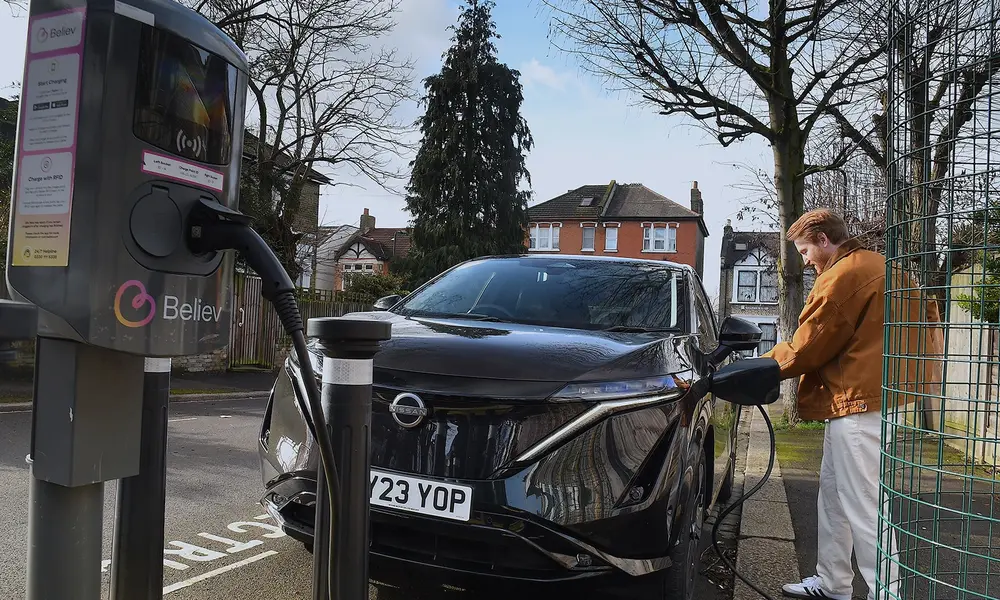
13. Advanced Start-Stop Engine Systems
Many modern vehicles now come equipped with fuel-saving start-stop technology that shuts down the engine whenever you come to a complete stop. While this is fantastic for saving gas, it places an immense amount of repetitive stress on the electrical system.
A standard flooded battery simply cannot handle this rapid cycling, which is why these vehicles require specialized Absorbent Glass Mat (AGM) units. If you put a cheap standard battery into a vehicle with start-stop tech, its average car battery life will likely drop to less than a year.
14. High-End Onboard Electronics
Modern luxury vehicles are essentially rolling computers filled with heated seats, touchscreens, radar sensors, and digital displays. All of these high-tech features place a continuous, heavy load on the electrical system every second the vehicle is running.
This high electrical demand means that even with a strong alternator, the battery is constantly working under heavy loads. Consequently, high-end luxury vehicles often require more frequent battery replacement intervals than older, simpler vehicles.
Proactive Care: Essential Battery Maintenance
If you want to get the absolute most out of your vehicle, you cannot just install it and completely forget about it. A little bit of regular attention can go a very long way toward stretching your vehicle battery life out to that coveted five-year mark.
Let’s take a look at a few simple, actionable maintenance steps you can easily do right at home in your own driveway:
-
Regular Inspections: Make it a habit to check the casing for powdery terminal buildup every time you look at your engine oil.
-
Fluid Top-Offs: If you own a traditional, serviceable battery, verify fluid levels and top them off strictly with distilled water.
-
Trickle Charging: Always connect a smart battery tender if your vehicle is planned to sit idle for weeks on end.
-
Routine Testing: Have your mechanic conduct a digital load test during your regular oil changes to check real-time voltage and health.
By following these basic steps, you can significantly improve your average car battery life and avoid unexpected towing bills.
Signs Your Battery is Nearing the End
Thankfully, your vehicle will usually try to give you a few clear warning signs before its power cell dies completely. Learning to recognize these early symptoms gives you plenty of time to schedule a convenient battery replacement at your local shop.
Here are the most common warning signs you should always keep an eye out for during your daily routine:
-
The engine cranks over very slowly or sluggishly when you turn the ignition key.
-
Your dashboard lights and headlights look noticeably dimmer when the engine is idling.
-
A persistent “Check Engine” or battery symbol stays illuminated on your driver display.
-
The plastic battery casing looks visibly swollen, bloated, or distorted from excessive heat.
-
You notice a pungent, rotten-egg smell coming from under the hood, indicating a dangerous leak.
If you notice any of these symptoms happening in your vehicle, do not ignore them or put off a visit to the mechanic. Taking care of the issue immediately ensures you won’t end up stuck in a stressful situation down the road.
For instance, if you drive a dependable ChevySUV, keeping the electrical system in peak shape ensures your vehicle is always ready for your next big family road trip. When it finally comes time for a complete battery replacement, always make sure to choose a unit that perfectly matches or exceeds your manufacturer’s original specifications.
Wrapping Up
At the end of the day, understanding how long do car batteries last comes down to paying close attention to your vehicle’s unique needs. While the standard average car battery life sits right around three to five years, your real-world experience will depend entirely on your climate, driving habits, and dedication to regular battery maintenance.
By staying proactive, keeping those metal terminals perfectly clean, and watching out for early warning signs, you can easily maximize your vehicle battery life.
And when that unavoidable time finally comes, investing in a high-quality battery replacement will give you absolute peace of mind every single time you turn the key. Take care of your ChevySUV, keep an eye on that dashboard, and enjoy a smooth, worry-free drive out there on the open road!
Frequently Asked Questions
How do I know if my car battery is dying?
You will generally notice a slow-cranking engine, dimming headlights, or a warning light on your dashboard. Checking for a swollen battery case or a rotten-egg smell under the hood also indicates that your unit is failing and requires a prompt battery replacement.
Can a completely dead car battery be recharged?
In most cases, a deeply drained battery can be recharged using a dedicated plug-in charger if its internal plates aren’t permanently damaged. However, if the cell is more than four years old, it likely will not hold a reliable charge for very long.
How often should I check my car battery?
It is highly recommended to inspect your power cell for loose connections or terminal corrosion at least twice a year. Performing routine battery maintenance, like cleaning the metal terminals, helps maximize your total average car battery life and prevents unexpected starting issues.
Does driving short distances hurt my vehicle battery life?
Yes, taking frequent short trips prevents your alternator from fully recharging the power pack after starting. Over time, this constant undercharging significantly lowers your average car battery life, making a proactive battery replacement necessary much sooner than expected.