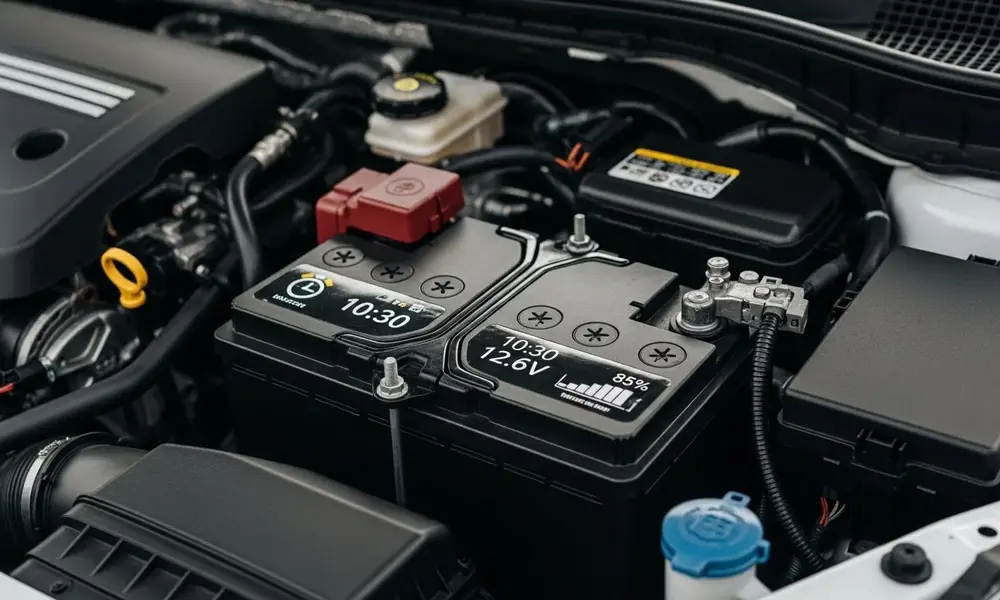
Almost every driver has felt that uneasy pause when the engine hesitates instead of starting normally. Is it just a cold morning , or the first sign the battery is on its way out?
This guide covers the average lifespan of a car battery, what actually shortens it, the warning signs that mean it’s time to test or replace it, and how long does a car battery last, what affects its lifespan, warning signs of failure, and practical tips to help your battery last longer.
Quick Answer
Most car batteries last 3 to 5 years, though some reach 6–7 years under favorable conditions. Once a battery hits the 3-year mark, testing it regularly matters more than tracking its age , modern vehicles place heavier electrical demands on batteries than older cars did, so age alone doesn’t tell the full story.
Key takeaways:
- Typical lifespan: 3–5 years (up to 6–7 in good conditions)
- Start testing annually once the battery turns 3
- Slow cranking, dim lights, repeated jump-starts, and corrosion are the most common warning signs
- A load test is more reliable than judging battery health by age or voltage alone
- AGM batteries generally outlast standard flooded batteries in demanding vehicles
Battery Types and Typical Lifespan

| Battery Type | Typical Lifespan | Best For |
| Flooded Lead-Acid | 3–5 years | Standard passenger vehicles |
| AGM | 4–7 years | Modern vehicles, stop-start systems |
| EFB | ~3–5 years | Vehicles with light stop-start use |
| Lithium (12V) | Varies by manufacturer | Specialty/premium applications |
Flooded lead-acid batteries are the most affordable and widely used option, but they’re more sensitive to heat and vibration. AGM (Absorbent Glass Mat) batteries are increasingly standard in newer vehicles because they handle higher electrical loads and typically last longer. Battery quality also matters on its own , two batteries installed the same day, from different manufacturers, won’t necessarily wear out at the same rate.
What Actually Shortens Battery Life
Age is a starting point, not the full picture. These factors matter more day-to-day:
- Heat. Extreme temperatures accelerate the internal chemical wear inside a battery , heat is generally considered the bigger long-term threat, more than cold.
- Cold. Winter rarely causes failure on its own , it exposes a battery that was already weakening, since cold reduces available power right when the engine needs more of it to crank.
- Short trips. Long drives give the alternator time to fully recharge the battery. Frequent short hops often don’t, which gradually drains overall capacity.
- Long idle periods. A car left parked for weeks can discharge enough that the battery doesn’t fully recover.
- Electrical load. Modern infotainment systems, sensors, and stop-start tech all draw more power than older vehicles did, putting more strain on the battery.
- Charging system issues. A battery is only as healthy as the alternator recharging it , a faulty charging system can wear down even a nearly-new battery.
- Neglected maintenance. Corroded terminals and unchecked connections make starting harder and accelerate wear, especially past the 3-year mark.
15+ Signs Your Battery May Need Replacing
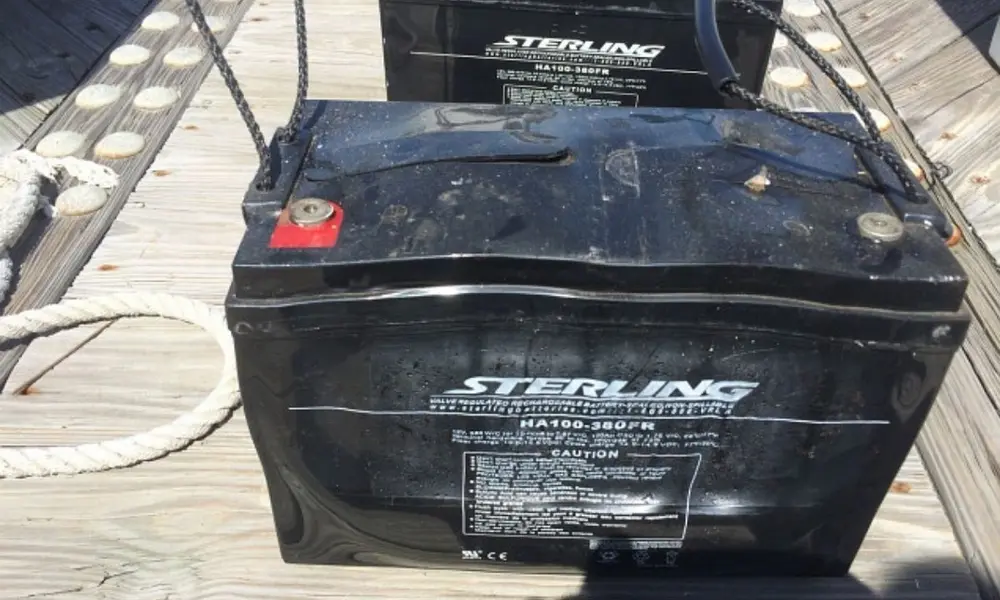
A weak car battery usually gives several warning signs before it stops working completely. Recognizing these symptoms early can help you avoid unexpected breakdowns and decide whether battery testing or car battery replacement is the right solution.
1. Slow Engine Cranking
If the engine turns over more slowly than usual, the battery may not have enough power to start the vehicle efficiently.
This is often one of the earliest signs of a battery nearing the end of its lifespan.
2. Clicking Sound When Starting
A rapid clicking noise after turning the key or pressing the start button usually indicates the battery cannot deliver enough power to the starter motor.
While other issues can cause this symptom, a weak battery is the most common reason.
3. Battery Warning Light
If the battery warning light appears on your dashboard, don’t ignore it.
It may indicate a battery problem, a charging system fault, or an alternator issue that requires inspection.
4. Dim Headlights
Noticeably dim headlights, especially while starting the engine, often suggest reduced battery power.
Brightness that improves after the engine starts may point to a battery that should be tested.
5. Electrical Accessories Stop Working Properly
Power windows, infotainment systems, dashboard displays, and other electronics may respond slowly when battery voltage begins to drop.
Modern vehicles depend heavily on stable electrical power, making this an important warning sign.
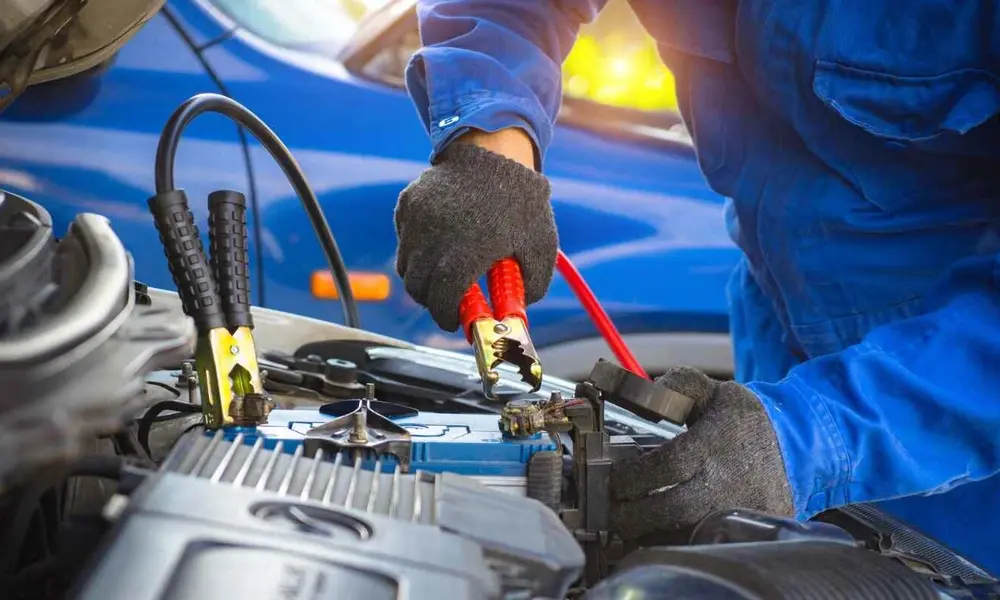
6. Frequent Jump-Starts
Needing multiple jump-starts within a short period is not normal.
If your battery repeatedly loses its charge, it should be professionally tested instead of relying on temporary fixes.
7. Corroded Battery Terminals
White, blue, or green deposits around the battery terminals can interfere with electrical connections.
Cleaning corrosion may solve minor starting issues, but excessive buildup can also indicate an aging battery.
8. Swollen or Bulging Battery Case
A battery case that appears swollen or misshapen often results from excessive heat or internal damage.
A swollen battery should be replaced immediately because it may no longer operate safely.
9. Rotten Egg Smell
A sulfur or rotten egg odor around the battery may indicate leaking battery acid or internal failure.
If you notice this smell, inspect the battery promptly and avoid prolonged use until the cause is identified.
10. Battery Is More Than Three to Five Years Old
Age alone doesn’t determine battery health, but it is an important indicator.
Once a battery reaches around three years, regular battery testing becomes increasingly important, and most batteries require replacement between three and five years.
11. Low Battery Voltage
A healthy fully charged battery typically measures around 12.6 volts with the engine off.
Consistently lower readings may indicate the battery is no longer holding an adequate charge and should be tested further.
12. Engine Starts Inconsistently
If the car starts normally one day but struggles the next, the battery may be losing its ability to provide consistent power.
Intermittent starting problems often become more frequent as the battery ages.
13. Dashboard Electronics Reset
Radio presets, dashboard clocks, or vehicle settings that reset unexpectedly can indicate unstable battery voltage.
Although electrical faults can also cause this issue, the battery should be checked first.
14. Battery Fails a Load Test
Voltage alone doesn’t always reveal battery health.
A professional load test measures whether the battery can deliver enough power under demand. If it fails, car battery replacement is usually the safest solution.
15. Poor Performance During Extreme Weather
A battery that struggles every summer or winter may be nearing the end of its service life.
Extreme temperatures often expose existing weakness rather than causing sudden failure.
16. Visible Leaks or Physical Damage
Cracks, leaking fluid, loose terminals, or damaged battery cases should never be ignored.
Physical damage can affect both battery performance and safety, making immediate inspection or replacement necessary.
How to Test It Yourself
Multimeter check: With the engine off, a fully charged battery should read about 12.6V. Below ~12.4V suggests it needs charging or further testing. Note: voltage alone can look normal even on a battery that fails under load.
Load test: This simulates the demand of actually starting the engine , it’s the most reliable test, and most auto parts stores or repair shops can run one in a few minutes.
Visual inspection: Check for corrosion, loose cables, a cracked or swollen case, or fluid leaks. Sometimes cleaning the terminals resolves the issue without needing a replacement at all.
Charging system check: If a battery keeps dying even after being recharged, the alternator , not the battery , may be the real problem.
Test your battery: once a year after it turns 3, before long trips, before extreme weather, or the moment you notice any of the warning signs above.
Recharge or Replace?
| Situation | Recharge | Replace |
| Battery was accidentally drained (lights left on, short-term disuse) | ✓ | |
| Relatively new battery that passes a load test | ✓ | |
| Fails a load test | ✓ | |
| Older than 3–5 years with multiple warning signs | ✓ | |
| Swollen, cracked, or leaking case | ✓ | |
| Needs frequent jump-starts | ✓ | |
| Won’t hold a charge even after recharging | ✓ |
Replacing at the right time is usually cheaper than repeatedly recharging a battery that’s already near the end of its life.
Making a Battery Last Longer
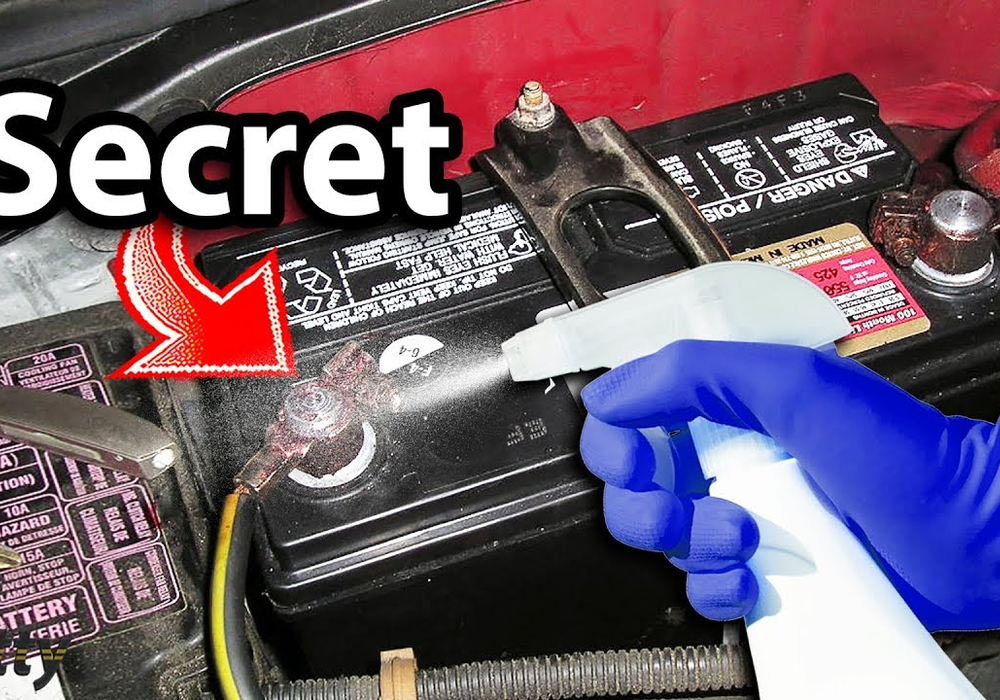
- Drive regularly , long trips let the alternator fully recharge the battery. If the car sits for weeks, consider a battery maintainer.
- Limit short trips where possible, since they don’t give the system time to recharge fully.
- Keep terminals clean , inspect for corrosion periodically.
- Turn off accessories (lights, chargers) before leaving the car , small drains add up over hours.
- Test annually once the battery passes the 3-year mark.
- Shield it from extreme temperatures , park in shade or a garage when possible, and keep it fully charged heading into winter.
- Choose the right replacement , match your vehicle’s specifications rather than buying on price alone.
Myth-Busting
- “Batteries always last exactly 5 years.” Not true , lifespan depends heavily on climate, driving habits, and battery quality, so real-world results vary widely on either side of that number.
- “Driving every day guarantees a healthy battery.” Not necessarily , frequent short trips specifically can undercharge a battery even with daily use; it’s the length of the drive, not just frequency, that matters.
- “Idling charges the battery just as well as driving.” Idling does charge it somewhat, but far less efficiently than actual driving, since the alternator works best under load.
Conclusion
Most drivers can expect a car battery to last between 3 and 5 years, but lifespan depends on much more than age alone. Climate, driving habits, maintenance, and battery quality all influence how long it will continue to perform reliably.
By recognizing the early dead battery signs, scheduling regular battery testing, and following simple maintenance practices, you can avoid unexpected breakdowns and maximize your battery life. When testing confirms your battery is no longer dependable, replacing it promptly is the safest way to keep your vehicle starting reliably in every season.
FAQ
Can a car battery last 7 years?
Yes, under favorable conditions with a high-quality battery , but that’s above average, not typical.
How do I know if it’s the battery or the alternator?
A load test plus a charging-system check gives the clearest answer. If a fully charged battery dies again quickly, suspect the alternator.
Can a weak battery still start the car?
Yes, temporarily , slow cranking and inconsistent starts are usually signs it’s approaching the end regardless.
Should I replace a 4-year-old battery before winter?
Test it first. Replacing only if it shows declining performance or multiple warning signs , age alone isn’t a reason to replace a battery that still tests well.
Is an AGM battery worth the extra cost?
For vehicles with stop-start systems or heavy electrical demand, generally yes , they tend to handle that load better and last longer than standard flooded batteries.