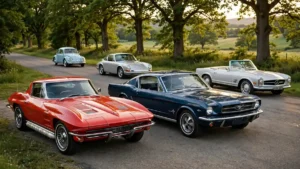
Classic cars are more than old vehicles. They represent important moments in automotive history, distinctive designs, engineering milestones, and the personal memories associated with different generations of driving. For some enthusiasts, a classic car is a weekend hobby. For others, it is a collectible, a restoration project, or a vehicle worth preserving for future generations.
There is no single definition of a classic car that applies everywhere. The term can describe older vehicles with historical significance, distinctive styling, or lasting popularity, but official classifications vary by country, organization, and insurance provider.
Understanding what makes a car a classic can help you choose the right vehicle, estimate ownership costs, and decide whether collecting one suits your interests and budget.
What Is a Classic Car?
A classic car is generally an older automobile valued for its design, historical importance, rarity, performance, or cultural significance. Many enthusiasts associate classic cars with vehicles from the 1950s through the 1980s, although certain older and newer models can also qualify.

Age is only one factor. A mass-produced vehicle that has survived in excellent original condition may attract collectors, while a newer limited-production sports car may already have collectible appeal.
Different organizations use different age requirements. Some classic-car insurance policies accept vehicles around 15 to 25 years old, while collector clubs and historic vehicle organizations may apply different standards.
A car’s classification can also depend on its intended use, condition, originality, and local regulations.
Classic Cars vs. Vintage Cars vs. Antique Cars
These terms are often used interchangeably, but they can have different meanings.
- Classic cars: A broad category covering older vehicles that have historical, design, or collector appeal.
- Vintage cars: Often associated with vehicles from a specific historical period. In some formal classifications, the term refers to cars manufactured between 1919 and 1930.
- Antique cars: Generally much older vehicles, often defined by age thresholds established by local authorities or collector organizations.
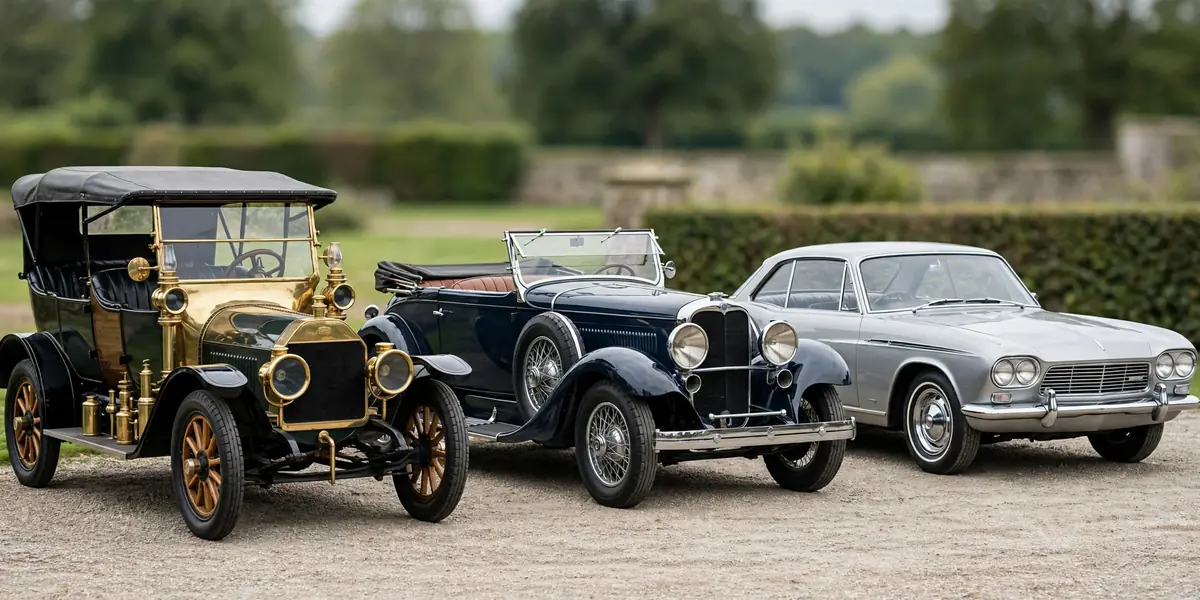
There is no universal classification system. A car considered an antique under one organization may fall into a different category under another.
When buying a vehicle, check the definition used by the relevant registration authority, insurance company, or collector club rather than relying on the label alone.
Popular Classic Car Models
Some classic cars remain especially recognizable because of their styling, motorsport history, performance, or influence on the automotive industry.
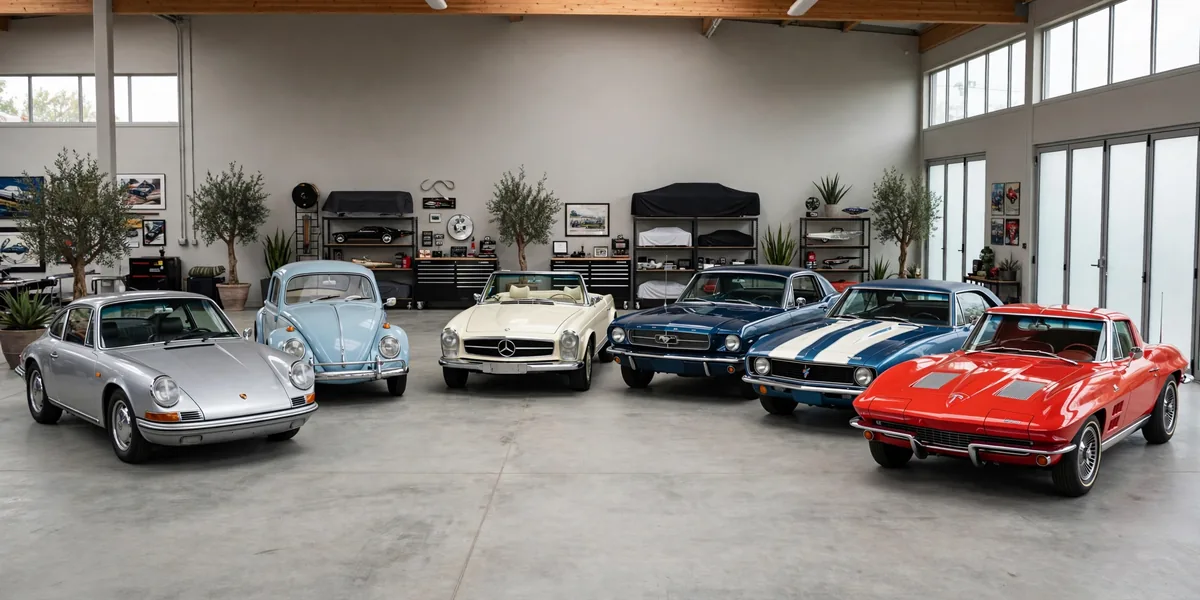
Ford Mustang
The original Ford Mustang, introduced in 1964, helped establish the pony car category. Its long hood, compact proportions, and broad range of engine options made it popular with buyers seeking sporty styling at an accessible price.
Early Mustangs remain widely collected, with values influenced by the model year, engine, body style, originality, and condition.
Chevrolet Corvette
The Chevrolet Corvette has represented American sports-car design for generations. Early models are prized for their styling, while later generations introduced important advances in performance and engineering.
Rare versions and cars with documented histories can command substantial premiums.
Porsche 911
The Porsche 911 debuted in the 1960s and developed into one of the most recognizable sports-car lines in the world. Early examples and certain limited-production variants attract collectors who value their engineering, driving characteristics, and distinctive design.
Maintenance history is especially important when evaluating an older 911.
Chevrolet Camaro
Introduced in 1966 for the 1967 model year, the Camaro became a major competitor in the American pony car market. Early generations are popular among enthusiasts, particularly performance-oriented versions.
Rust, previous modifications, and engine authenticity can significantly affect the value of a classic Camaro.
Volkswagen Beetle
The Volkswagen Beetle became one of the most recognizable cars in automotive history. Its rounded shape, simple mechanical layout, and widespread production helped it develop a lasting enthusiast community.
Originality, rust protection, mechanical condition, and restoration quality are important considerations when buying one.
Mercedes-Benz SL
Older Mercedes-Benz SL roadsters combine luxury, engineering, and open-top motoring. Certain generations have developed strong collector followings because of their design, build quality, and historical significance.
Buyers should pay close attention to body corrosion, mechanical records, and the cost of sourcing specialized parts.
Why Are Classic Cars So Popular?
Classic cars appeal to different people for different reasons.

Distinctive Design
Older vehicles often feature shapes, chrome details, dashboards, and body proportions that differ significantly from modern cars. Collectors may prefer these designs because they reflect the style of their era.
Automotive History
Classic cars document how transportation evolved. They showcase changes in engine technology, safety equipment, manufacturing methods, and vehicle design.
Nostalgia and Personal Memories
Some people collect cars they remember from childhood or associate with family members, films, music, and significant cultural moments. That emotional connection can be just as important as performance or rarity.
Driving Experience
Older cars often provide a more mechanical driving experience than modern vehicles. Steering feel, engine sound, manual transmissions, and simpler controls can be part of their appeal.
However, older cars may lack modern safety features, driver assistance systems, and the reliability expected from a contemporary daily driver.
Collecting and Potential Investment
Certain classic cars have appreciated in value, particularly rare models with desirable specifications and documented histories. Nevertheless, not every classic car increases in price.
Storage, maintenance, insurance, restoration, and transaction costs can reduce or eliminate an investment return. Collecting should not be treated as a guaranteed way to make money.
What Determines a Classic Car’s Value?
Two examples of the same model can have very different prices. Buyers and sellers typically consider several factors.

Condition: Rust, structural damage, worn interiors, and mechanical problems can reduce value. A professionally restored vehicle may be worth more, but restoration costs do not automatically translate into a higher selling price.
Originality: Factory-correct engines, transmissions, paint colors, and interior components can be desirable. Some buyers prefer modified cars, so the effect depends on the model and collector market.
Rarity: Limited production numbers, unusual factory specifications, and documented special editions can increase demand.
Provenance: Service records, ownership documentation, original sales paperwork, and credible historical records can help establish a vehicle’s identity and background.
Demand: Popularity changes over time. A model with an enthusiastic collector community may attract more buyers than a similar vehicle with less recognition.
Mileage: Lower mileage can be attractive, but a car that has been stored improperly may have more problems than one driven and maintained regularly.
To estimate a vehicle’s market value, compare recent sales of similar cars with matching specifications and condition. Asking prices alone do not establish what buyers are actually willing to pay.
How to Buy a Classic Car
Buying an older vehicle requires more investigation than purchasing many newer used cars.
1. Set a Realistic Budget
Include the purchase price, inspection, transportation, registration, insurance, maintenance, and storage. If the vehicle needs restoration, obtain estimates before committing to the project.
2. Research the Exact Model
Learn about common mechanical problems, rust-prone areas, production changes, and the availability of replacement parts. Even small differences between model years can affect value and repair costs.
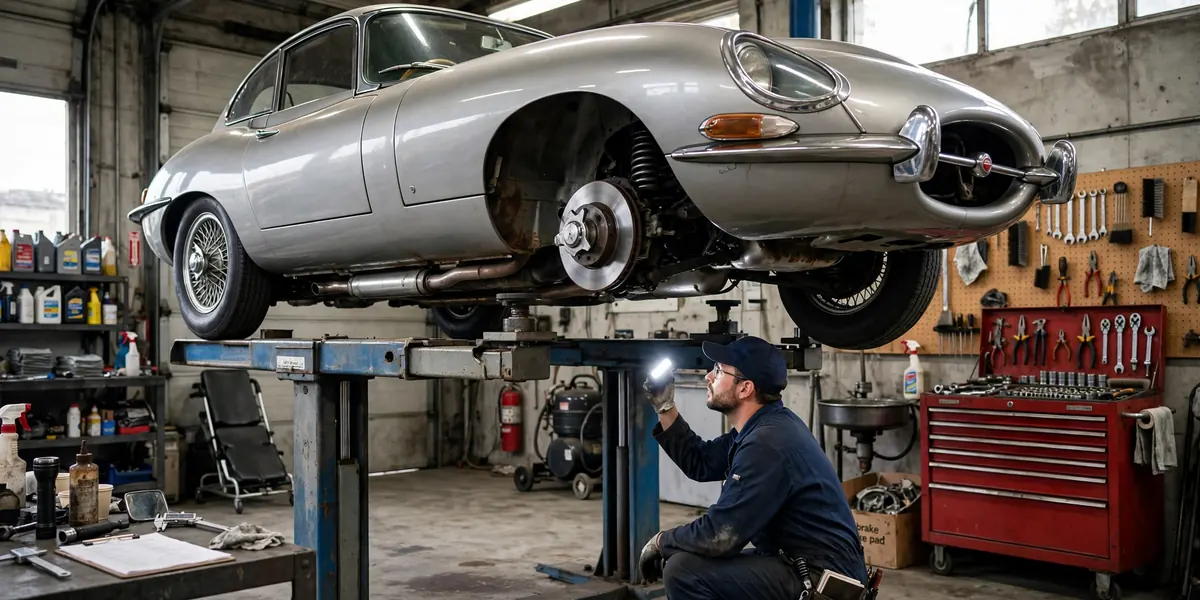
3. Inspect the Body and Chassis
Rust can be expensive to repair, particularly when it affects structural areas. Check the underside, wheel arches, floor panels, trunk, door bottoms, and other vulnerable areas.
A fresh paint job may hide previous corrosion or accident damage, so appearance alone is not enough.
4. Verify the Vehicle’s Identity
Compare the vehicle identification number, engine numbers where applicable, registration documents, and historical records. Requirements vary by country and model.
For rare or high-value vehicles, specialist verification can help identify incorrect components or questionable histories.
5. Hire an Independent Specialist
A mechanic experienced with the specific make or model can identify problems that a general inspection might miss. Ask for an evaluation of the engine, transmission, suspension, brakes, electrical system, cooling system, and structural condition.
6. Review Ownership and Registration Requirements
Confirm that the seller has the legal right to sell the car and that the paperwork matches the vehicle. Imported classics may involve additional customs, tax, registration, or compliance requirements.
7. Test-Drive It When Possible
A test drive can reveal overheating, poor braking, unusual noises, steering problems, and transmission issues. If the car cannot be driven safely, arrange a professional inspection before proceeding.
Maintaining a Classic Car
Classic cars often require more specialized care than modern vehicles, even when they are not driven frequently.
- Change fluids on an appropriate schedule. Follow recommendations for the specific engine and drivetrain.
- Protect the body from moisture. Store the car in a dry, well-ventilated space and address corrosion early.
- Check tires regularly. Tires can deteriorate with age even when their tread looks good.
- Maintain the electrical system. Older wiring, connectors, and charging systems may need periodic inspection.
- Drive the car carefully and periodically. Appropriate use can help identify problems, but follow the vehicle’s maintenance requirements and avoid unsafe conditions.
- Use qualified repair specialists. Familiarity with older mechanical systems can make repairs more accurate and preserve original components.
If the car will be stored for an extended period, consult its manufacturer guidance or a specialist about battery maintenance, fuel storage, tire care, and protection against moisture and pests.
Are Classic Cars Suitable for Everyday Driving?
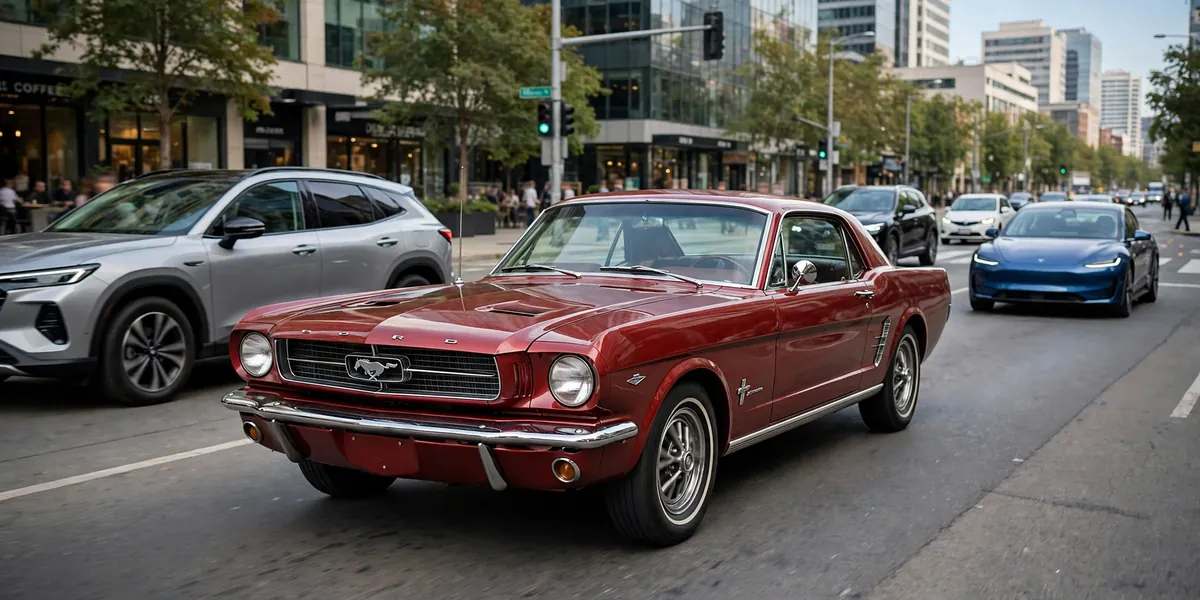
Some classic cars can be driven regularly, but suitability depends on the vehicle’s condition, maintenance, local climate, traffic, and the owner’s expectations.
Older vehicles may have less effective crash protection, fewer safety features, higher fuel consumption, and less predictable reliability. Replacement parts can also be difficult or expensive to obtain.
Before using a classic car as a daily driver, make sure its brakes, tires, lights, steering, seat belts, and other essential systems are safe and roadworthy. A modern vehicle may be a more practical choice for commuting, while a classic can serve as a weekend or occasional-use car.
Where Can You Find Classic Cars for Sale?
Classic cars are sold through specialist dealerships, collector auctions, online vehicle marketplaces, private sellers, and automotive enthusiast clubs.
When comparing listings, look beyond photographs and advertised prices. Request maintenance records, restoration documentation, clear pictures of the underside, and information about previous accidents or modifications.
A professional inspection is particularly valuable for vehicles advertised as rare, original, matching-numbers, or fully restored. These descriptions should be supported by documentation where possible.
The best buying opportunity is not always the cheapest car. A well-documented vehicle in sound condition may cost more upfront but require fewer unexpected repairs.
Frequently Asked Questions
How old does a car have to be to be considered a classic?
There is no universal age requirement. Some insurance providers accept vehicles around 15 to 25 years old, while collector organizations may use different thresholds or require historical significance and suitable condition.
Are classic cars expensive to maintain?
They can be. Costs depend on the model, parts availability, mechanical condition, and how much specialist work is required. A common model with readily available parts may be more affordable to maintain than a rare imported sports car.
Do classic cars increase in value?
Some do, but appreciation is not guaranteed. Demand, originality, rarity, condition, and historical importance influence prices. Maintenance, storage, insurance, and restoration costs must also be considered.
What is the best classic car for a beginner?
A widely supported model with accessible parts and an active enthusiast community can be a sensible starting point. Certain older Mustangs, Volkswagen Beetles, and other common classics may offer practical entry points, depending on local availability and condition.
Is a restored classic car better than an original one?
Not necessarily. A high-quality restoration can improve usability and appearance, while an original, well-preserved car may appeal to collectors who value factory condition. The best choice depends on the vehicle, documentation, restoration quality, and buyer’s goals.
Can classic cars be insured?
Yes. Many insurers offer specialist classic-car policies, sometimes with agreed-value coverage and restrictions on everyday use. Eligibility, mileage limits, storage requirements, and driver conditions vary by provider.
Final Verdict
Classic cars combine automotive history, distinctive design, mechanical character, and personal enjoyment. Whether you are interested in an American muscle car, a European sports car, or a small vintage vehicle, the right choice depends on your budget, intended use, maintenance capabilities, and interest in the model.
Research the exact vehicle, verify its history, inspect its condition, and calculate the full cost of ownership before buying. A carefully chosen classic can provide years of enjoyment, but the best purchase is one that suits your needs rather than simply looking impressive.
Disclaimer
This article is for general informational purposes only and should not be treated as financial, investment, mechanical, insurance, or legal advice. Classic-car classifications, values, registration rules, and insurance requirements vary by location and vehicle. Verify relevant details with qualified professionals before making a purchase or restoration decision.