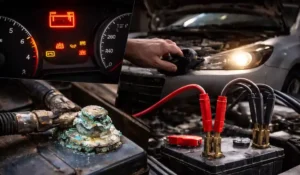
Few car problems are more frustrating than turning the key and hearing nothing happen. It often comes without warning, even though the battery has usually been showing subtle signs of weakening for weeks or months.
Understanding car battery life can help you avoid that situation. With the right maintenance habits, most batteries provide reliable service for 3–5 years, and many reach the upper end of that range before replacement becomes necessary.
In this guide, you’ll learn what affects battery lifespan, how to improve battery health, and practical, proven ways to extend car battery life without unnecessary maintenance or guesswork.
AI Overview
Most car battery life issues are preventable. A typical 12-volt starter battery lasts 3–5 years, but regular driving, proper charging, clean terminals, and avoiding unnecessary electrical drains can help it reach the upper end of that range.
This guide explains what affects battery lifespan, how to recognize early warning signs, and more than 15 practical ways to extend it. You’ll also learn when a battery should be tested or replaced and which maintenance habits make the biggest difference.
Before You Start
Before inspecting or maintaining your battery, take a few simple precautions:
- Park the vehicle on a flat, well-ventilated surface.
- Switch off the engine and all electrical accessories.
- Wear gloves and eye protection when handling the battery.
- Keep a clean cloth and a digital multimeter nearby if you plan to check voltage.
- Refer to your owner’s manual for battery specifications and maintenance recommendations.
Key Takeaways
- A typical car battery lasts 3–5 years when properly maintained.
- Regular driving helps the alternator recharge the battery more effectively than frequent short trips.
- Clean terminals, secure battery mounting, and proper charging habits reduce premature wear.
- Heat, cold weather, vibration, and parasitic electrical drains are among the biggest factors affecting battery lifespan.
- Routine battery testing can identify problems before they leave you stranded.
- Good maintenance improves reliability but cannot guarantee a specific lifespan because driving conditions and battery quality vary.
How Long Does a Car Battery Last?

A typical car battery life is 3–5 years, depending on driving habits, climate, battery type, and maintenance. Regular driving, keeping terminals clean, avoiding unnecessary electrical drains, and testing the battery periodically can help it reach the upper end of its expected lifespan.
| Battery Type | Typical Service Life* | Maintenance Needs |
| Flooded Lead-Acid | Around 3–5 years | Higher |
| AGM | Around 3–5 years with improved durability | Low |
| Maintenance-Free | Around 3–5 years | Low |
*Actual lifespan varies depending on vehicle use, charging conditions, and maintenance.
What Is Car Battery Life?
When people talk about car battery life, they mean how long a 12-volt starter battery can reliably start the engine and power the vehicle’s electrical systems before it needs replacement.
Unlike deep-cycle batteries used in other applications, a starter battery is designed to deliver a powerful burst of electricity for engine starting.
Once the engine is running, the alternator takes over and recharges the battery while supplying power to the vehicle’s electrical components.
Most automotive maintenance organizations agree that a properly maintained battery typically lasts 3–5 years. Battery World and several other maintenance guides continue to recommend this range as the realistic expectation for most drivers.
However, battery age alone doesn’t determine replacement timing. A three-year-old battery that regularly experiences deep discharges, excessive heat, or frequent short trips may wear out sooner than an older battery that has been well maintained.
Understanding this difference between battery age and actual battery health helps you make smarter maintenance decisions instead of replacing the battery based only on its age.
What Affects Car Battery Life?
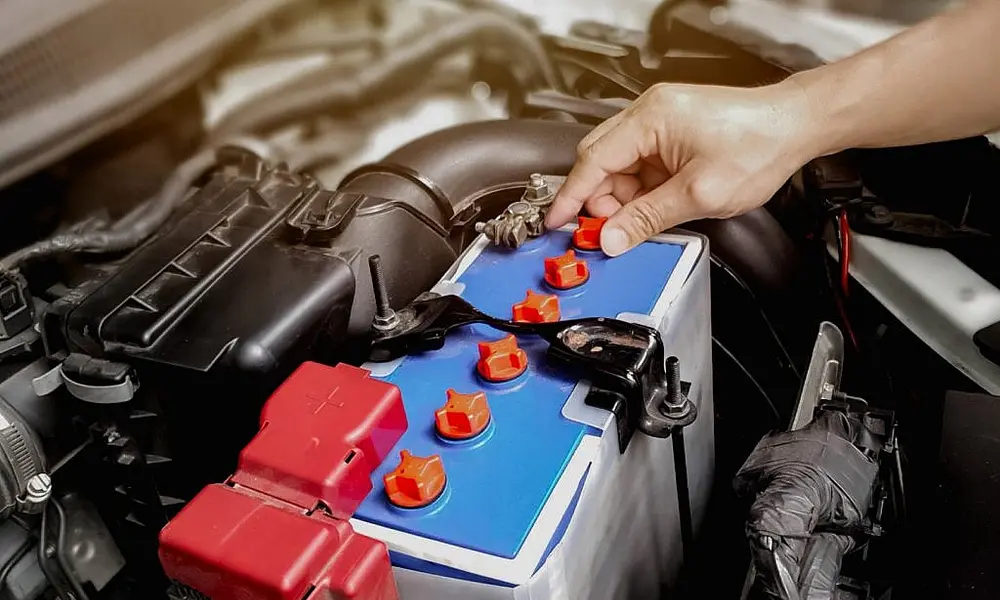
Several everyday factors determine how long your battery will remain dependable. Most of them are related to how the battery is charged, discharged, and maintained rather than simple age.
Driving Habits
Frequent short trips are one of the most common reasons batteries wear out early. Every engine start uses a significant amount of power, and if the drive is too short, the alternator may not fully replace that lost energy.
According to Livfast, trips shorter than about 10 minutes often fail to recharge the battery completely. Over time, this repeated undercharging reduces overall battery capacity.
By comparison, Consumer Reports recommends driving for approximately 20 minutes every two weeks to help maintain battery charge, while Battery World suggests taking a longer drive every few weeks for a more complete recharge.
Climate and Temperature
Extreme temperatures place additional stress on any starter battery.
High heat speeds up internal chemical deterioration, while freezing weather reduces available cranking power, making the engine harder to start. Multiple maintenance guides identify both temperature extremes as major contributors to shorter battery life.
Battery Charging
Proper battery charging is just as important as regular driving.
Once the engine starts, the alternator should recharge the battery while powering the vehicle’s electrical systems. Livfast reports that a healthy battery generally measures about 12.6 volts with the engine off and approximately 13.8–14.4 volts while the engine is running, indicating the charging system is working correctly.
Electrical Accessories and Parasitic Drain
Modern vehicles contain far more electronics than older models.
Security systems, infotainment units, keyless entry features, and connected accessories can continue drawing small amounts of electricity after the engine is switched off. Consumer Reports notes that spending long periods in accessory mode or leaving devices plugged in can gradually drain the battery, especially if the vehicle isn’t driven regularly.
Battery Condition and Maintenance
A neglected battery often fails earlier than expected.
Loose hold-down clamps allow excessive vibration, while corrosion on the terminals increases electrical resistance. Both Battery World and Livfast recommend inspecting battery connections regularly because small maintenance issues can eventually lead to poor starting performance and reduced battery life.
15+ Tips to Extend Car Battery Life
Small maintenance habits often have a bigger impact than expensive repairs. These proven tips can help your battery stay reliable for longer and reduce the chance of unexpected starting problems.
1. Drive Long Enough to Recharge the Battery
Every time you start your car, the battery loses some charge. If you only take short trips, the alternator may not have enough time to replace that energy.
Consumer Reports recommends driving for about 20 minutes every two weeks, while Battery World suggests a longer drive every few weeks to keep the battery fully charged.
2. Avoid Frequent Short Trips
Short drives of less than 10 minutes can gradually weaken the battery because it never reaches a full charge.
If possible, combine errands into one longer trip instead of making several short journeys throughout the day.
3. Turn Off Electrical Accessories Before Parking
Headlights, interior lights, phone chargers, and infotainment systems continue using power if left on.
Making it a habit to switch everything off before leaving the vehicle helps prevent unnecessary battery drain.
4. Don’t Stay in Accessory Mode for Too Long
Accessory mode keeps many electronic systems running even though the engine is off.
According to Consumer Reports, spending long periods in this mode can discharge the battery much faster than many drivers realize.
5. Unplug Chargers and Other Devices
USB chargers, dash cameras, and other accessories may continue drawing small amounts of power after the engine stops.
Removing these devices when you park helps reduce parasitic battery drain, especially if the vehicle won’t be driven for several days.
6. Clean Battery Terminals Regularly
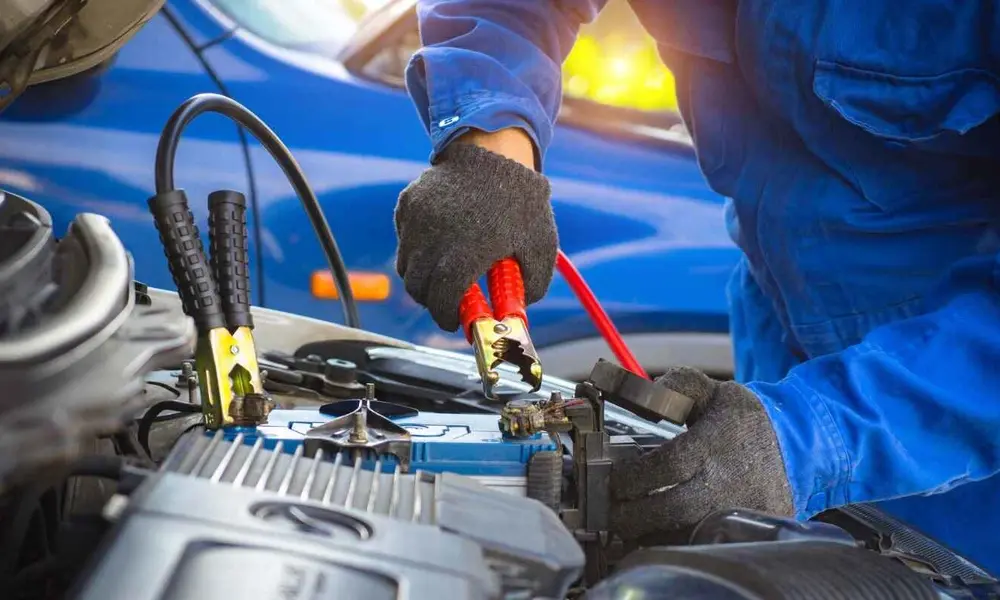
White or bluish corrosion around the terminals increases electrical resistance and can affect starting performance.
Livfast recommends cleaning the terminals with a baking soda paste and a soft brush, then wiping everything dry before reconnecting the battery.
7. Make Sure the Battery Is Secure
A loose battery moves while driving, creating unnecessary vibration.
Both Battery World and Livfast explain that excessive vibration can damage internal components and shorten battery life. Check that the hold-down clamp is tight during routine inspections.
8. Protect the Battery From Extreme Temperatures
Very hot weather speeds up battery wear, while freezing temperatures reduce available starting power.
Whenever possible, park in a garage or shaded area to reduce exposure to temperature extremes.
9. Use a Smart Charger During Long Storage
If your vehicle sits unused for more than two weeks, a smart charger or battery maintainer can keep the battery at a healthy charge.
This is a better solution than repeatedly jump-starting a discharged battery.
10. Test the Battery Twice a Year
Don’t wait until your car won’t start.
Consumer Reports recommends testing the battery at least twice a year so you can identify weakening performance before it becomes a problem.
11. Check Charging Voltage
A simple multimeter provides valuable information about your charging system.
Livfast reports that a healthy battery usually measures around 12.6 volts with the engine off and 13.8–14.4 volts while the engine is running.
12. Avoid Deep Discharges
Starter batteries are designed for quick engine starts, not repeated full discharges.
Allowing the battery to become completely flat again and again significantly reduces its lifespan.
13. Inspect the Battery During Routine Maintenance
Look for cracks, bulging, corrosion, or loose cables whenever you open the hood.
A quick inspection takes only a few minutes and often reveals small problems before they become expensive ones.
14. Maintain Flooded Batteries Correctly
If your vehicle uses a non-sealed flooded battery, check electrolyte levels according to the manufacturer’s recommendations.
Livfast notes that only distilled water should be used when topping up these batteries.
15. Replace a Weak Battery Before It Fails Completely
Repeated jump-starts usually indicate the battery is reaching the end of its useful life.
Replacing it before complete failure reduces the risk of being stranded unexpectedly.
16. Follow Your Vehicle’s Maintenance Schedule
Battery inspections are often included in routine servicing.
Following the schedule recommended by your vehicle manufacturer helps identify charging or electrical issues before they damage the battery.
Signs Your Car Battery May Be Failing
Most batteries don’t fail without warning. Paying attention to early symptoms can help you avoid an unexpected breakdown.
Common warning signs include:
- The engine cranks more slowly than usual.
- Headlights become noticeably dim.
- You hear repeated clicking when starting the car.
- The battery warning light stays illuminated.
- The battery case appears swollen or damaged.
- The vehicle frequently needs jump-starts.
If you notice several of these signs together, it’s a good time to have both the battery and charging system tested instead of waiting for complete failure.
How to Check Battery Health
You don’t need advanced equipment to perform a basic battery inspection.
Start with a visual check for corrosion, cracked cables, loose terminals, or a damaged battery case. These problems are often easy to spot.
Next, use a digital multimeter if you have one.
| Battery Condition | Engine Off Voltage |
| Healthy | Around 12.6 V |
| Needs Inspection | Below normal resting voltage |
| Engine Running | Around 13.8–14.4 V |
These values, reported by Livfast, help confirm whether the battery and charging system are working normally.
If the battery repeatedly struggles to hold charge or your vehicle becomes difficult to start, arrange a professional battery test instead of relying on guesswork.
Common Mistakes That Shorten Battery Life
Many battery failures are caused by simple habits that are easy to avoid.
- Driving only short distances every day.
- Leaving lights or accessories on after parking.
- Ignoring corrosion on battery terminals.
- Allowing the battery to sit unused for weeks without a maintainer.
- Continuing to rely on repeated jump-starts instead of replacing a failing battery.
Avoiding these mistakes is often enough to help your battery reach its expected service life.
Practical Battery Maintenance Checklist

You don’t need to inspect your battery every week. A simple routine is enough.
| Frequency | What to Do |
| Monthly | Check for corrosion, loose cables, and battery movement. |
| Every 6 Months | Test battery health and charging voltage. |
| Before Winter or Summer | Inspect the battery and charging system. |
| Before Long Storage | Connect a smart charger or battery maintainer if the car will sit for more than two weeks. |
Following this schedule takes very little time but can prevent many common battery problems.
Conclusion
Think back to the moment when your car refuses to start. In many cases, that situation isn’t caused by sudden bad luck, it develops gradually because the battery has been losing strength over time.
The good news is that improving car battery life doesn’t require complicated maintenance. Regular driving, keeping the battery clean, reducing unnecessary electrical drain, and testing it periodically can make a noticeable difference.
Even the best-maintained battery will eventually need replacement, but good habits help you get the most reliable service before that day arrives. A few minutes of care today can save you from hours of inconvenience later.
Frequently Asked Questions
How long does a car battery usually last?
A typical car battery life is around 3–5 years when the battery is properly maintained. Actual lifespan depends on factors such as driving habits, climate, battery type, and charging conditions.
Good maintenance helps the battery reach the upper end of its expected service life, but it cannot guarantee a specific number of years.
Can I really extend car battery life just by changing my driving habits?
Yes. Multiple maintenance guides agree that regular driving and avoiding frequent short trips help the alternator recharge the battery more effectively. Combining errands into longer drives can reduce repeated undercharging and improve long-term battery health.
Is it bad to leave my car parked for several weeks?
Yes. Even when the engine is off, many modern vehicles continue drawing small amounts of electricity for security and electronic systems.
If your vehicle will sit unused for more than two weeks, using a smart battery maintainer is one of the best ways to prevent unnecessary discharge.
How often should I test my car battery?
Consumer Reports recommends testing the battery at least twice a year, especially if your vehicle isn’t driven regularly or carries a heavy electrical load. Regular testing helps identify a weakening battery before it leaves you stranded.
Does hot or cold weather affect battery life?
Yes. High temperatures accelerate internal battery wear, while freezing weather reduces available starting power. Parking in a garage or shaded area whenever possible helps reduce stress caused by extreme temperatures.
Do maintenance-free batteries still need care?
Yes. Although maintenance-free batteries don’t usually require electrolyte top-ups, they still benefit from regular driving, clean terminals, proper charging, and routine inspections. These simple habits help maintain reliable performance throughout the battery’s lifespan.