The day a classic car stops being just a car
Imagine finding a classic Chevy that has spent decades in a garage.
The body is straight. The interior still carries the character of its era. Under the hood, though, the story is different: the engine is tired, the brakes feel dated, the air conditioning is useless, and driving it in modern traffic takes more concentration than enjoyment.
Now imagine standing beside the same car after a careful restomod.
The classic shape is still there. But underneath, it may have modern suspension, stronger brakes, improved cooling, electronic fuel injection, better tires, and a drivetrain designed for easier everyday driving.
That creates the real classic-car debate:
Should you preserve what the car was, or improve what the car can do?
There is no universal winner. SEMA describes restomod sentiment as combining a vintage car’s classic design with modern technology and components, and its market research notes that younger classic-car owners are generally more willing to add modern comfort and performance parts rather than keep everything stock.
At the same time, originality still matters enormously in the collector market. Hagerty notes that originality, documentation, condition, rarity and significant modifications can all materially affect a collector vehicle’s value.
That is why the original vs restomod question is not simply about which car is faster.
It is about what you want the car to be.
Whether you’re researching what to do with one sitting in your own garage, the right answer starts with understanding the trade-offs, not following a blanket rule.
Original vs Restomod: The Quick Answer
An original or correctly restored classic prioritizes authenticity, historical character and factory specification. A restomod keeps the identity and appearance of a classic while introducing modern components or technology to improve areas such as performance, safety, comfort or drivability.
So which is better?
Choose originality when preservation and collector appeal are your priorities. Choose a restomod when you want to drive the car more often and value modern usability.
The important exception is the car itself. A rare, well-documented, numbers-matching example deserves much more caution before modification than a common driver-quality classic.
Key Takeaways
- Original classics prioritize authenticity, factory character, historical significance, and collector appeal.
- Restomods prioritize drivability, often adding modern brakes, suspension, powertrain, cooling, comfort, and other upgrades.
- There is no universal value winner. Rarity, originality, condition, documentation, build quality, and buyer demand all affect a car’s value.
- Rare or numbers-matching classics deserve extra caution before major modifications.
- Restomods can be better daily drivers because modernized systems can improve comfort, braking, handling, and usability.
- A poorly built restomod can create new problems, so engineering quality and documentation matter as much as the parts themselves.
- Reversible upgrades offer a middle ground for owners who want better drivability without completely abandoning the car’s original character.
- The best choice depends on how you plan to use the car: preserve it for authenticity, or modernize it for more enjoyable driving.
Original vs Restomod at a Glance
| Factor | Original/Restored Classic | Restomod |
| Main goal | Preserve authenticity | Improve usability while retaining classic character |
| Originality | Highest priority | Some original elements retained |
| Performance | Period-correct | Usually modernized |
| Braking | Original or period-correct system | Often upgraded |
| Comfort | Period features | Modernized |
| Reliability | Depends heavily on condition | Can improve with quality components |
| Customization | Limited | High |
| Daily driving | Less convenient in many cases | Usually better suited |
| Collector appeal | Strong for the right car | Depends heavily on build and buyer |
| Value | Strongly affected by rarity and originality | Strongly affected by build quality and market demand |
The table also explains why a simple statement such as “restomods are worth more” or “original cars are always worth more” is misleading. Hagerty’s current valuation guidance emphasizes that classic-car values can vary significantly even between cars of the same year, make and model, with condition, originality, documentation, rarity and modifications all playing a role.
What Is a Restomod Classic Car?
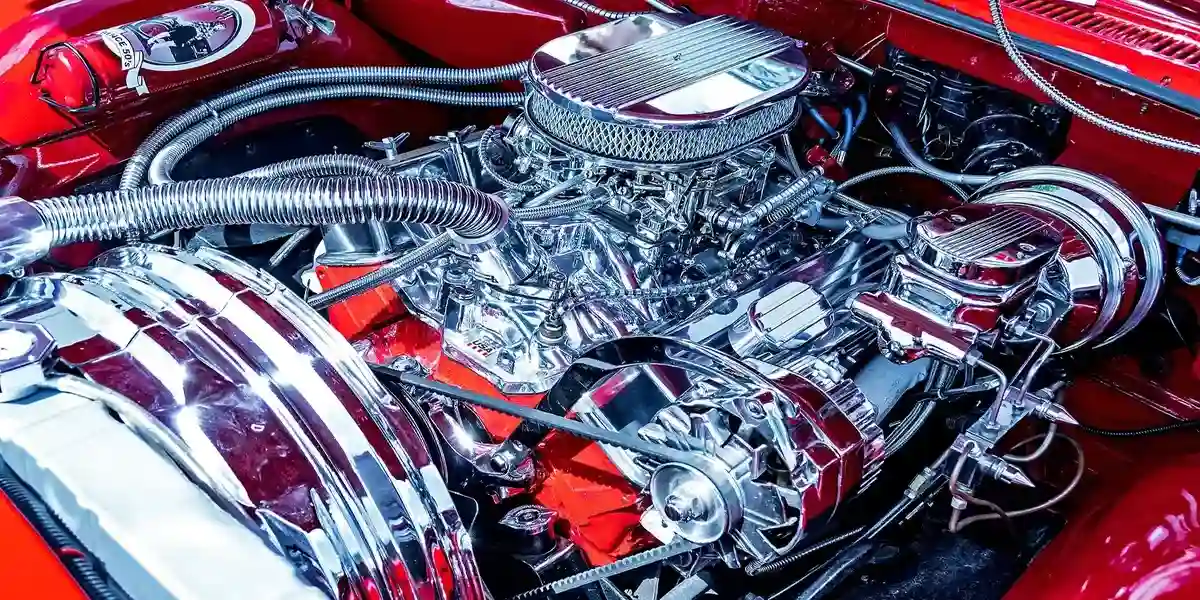
What “Restomod” Means
The word restomod combines the ideas of restoration and modernization.
Instead of rebuilding a classic strictly to its original specification, the owner preserves the car’s classic foundation or character while introducing newer technology or components.
Common restomod changes can include:
- Modern brakes
- Updated suspension
- Electronic fuel injection
- Modern engines or transmissions
- Improved cooling
- Power steering
- Air conditioning
- Modern wheels and tires
- Updated electrical systems
SEMA specifically describes a restomod as a type of restoration that combines a vintage vehicle’s classic design with modern technology and components.
What Makes a Modified Classic a Restomod?
Not every modified classic should automatically be called a restomod.
A classic with one replacement component is different from a carefully engineered build that modernizes several systems while intentionally retaining the vehicle’s classic identity.
That distinction matters because restomod is about an overall approach, not simply counting modifications.
A tasteful classic Chevy with its original-looking body and interior but upgraded brakes, suspension, drivetrain and cooling can fit the restomod philosophy far better than a car that has been heavily altered without a coherent plan.
Original vs Restomod: 17 Key Differences That Actually Matter

1. Originality
An original or correctly restored car places a premium on preserving what came from the factory, or restoring the vehicle as closely as practical to its period specification.
A restomod accepts that some original components will be replaced or upgraded.
For collectors, that distinction can be significant. Hagerty identifies originality and documentation as factors that can materially influence classic-car value.
2. Driving Experience
An original classic gives you a more authentic connection to the way the vehicle was designed in its era.
That can mean heavier steering, different braking behavior, older suspension characteristics and a distinctly period-correct feel.
A restomod changes that equation. Modernized steering, suspension, tires and brakes can make an old car feel considerably more predictable in contemporary traffic.
3. Performance
A factory-correct classic delivers the performance its designers intended decades ago.
A restomod can go considerably further.
Engine upgrades, improved induction, modern transmissions, better tires and suspension changes can transform acceleration and handling.
But don’t assume every restomod is automatically faster. A thoughtfully built car is defined by balanced engineering, not simply maximum horsepower.
4. Braking and Safety
This is one of the strongest practical arguments for modernization.
Many older vehicles were engineered around the traffic, tires and braking expectations of their time. A restomod can incorporate modernized braking components, tires, lighting and other safety-related improvements.
That does not make every restomod automatically “safe.” The quality and engineering of the entire build still matter.
5. Reliability
An untouched classic may contain decades-old electrical, cooling, fuel and mechanical components.
A properly rebuilt original system can work extremely well, but age and condition remain important.
A restomod can replace vulnerable components with newer technology, potentially improving reliability and reducing some of the frustrations associated with an aging vehicle.
The word potentially matters. Poor wiring, mismatched parts or inadequate cooling can make a badly executed restomod less dependable than a properly maintained original.
6. Comfort
This is where the difference becomes obvious on a long drive.
A traditional classic may give you:
- Period-correct seats
- Manual controls
- Basic ventilation
- Older sound systems
- Limited cabin insulation
A restomod can add:
- Modern air conditioning
- Improved seats
- Better climate control
- Modern audio
- Updated electrical systems
For someone who wants to drive a classic hundreds of miles rather than display it, these changes can matter more than an extra few horsepower.
7. Suspension and Handling
Classic suspension was designed around older expectations.
A restomod may use modern springs, dampers, bushings, steering components, geometry changes or other suspension upgrades.
The result can be sharper steering response, improved stability and more confidence through corners.
But suspension upgrades should be treated as a system. Installing one performance component without considering the rest of the chassis can create compromises rather than improvements.
8. Engine and Transmission
The engine and transmission often create the biggest philosophical divide.
An original-focused build attempts to preserve or correctly rebuild the factory powertrain.
A restomod may introduce:
- A modern engine
- Fuel injection
- Electronic ignition
- A newer automatic transmission
- A manual transmission conversion
- Overdrive
- Improved cooling
The goal isn’t simply more power. A modern transmission, for example, can make highway cruising much easier without changing the car’s visual identity.
9. Appearance
Originality is easiest to recognize from the outside.
A factory-correct restoration tries to recreate the intended appearance of the period.
A restomod may leave the exterior almost untouched while changing what is underneath.
This is one reason subtle restomods appeal to owners who want the classic look without accepting every limitation of the original mechanical design.
10. Maintenance
Original cars and restomods can both require maintenance, but the challenges are different.
An original classic may need specialist knowledge and hard-to-find period components.
A restomod can benefit from more readily available modern components, but it may also contain a mixture of old and new systems that requires someone who understands how they were integrated.
Documentation becomes particularly valuable here.
11. Build and Ownership Cost
Neither path is automatically cheap.
A correct restoration can become expensive because of bodywork, paint, rare parts, interior materials and specialized labor.
A restomod can add the cost of:
- Engine and transmission
- Suspension
- Brakes
- Fabrication
- Wiring
- Cooling
- Electronics
- Custom integration
The final bill depends heavily on the starting car and the quality of the build.
12. Collector Value
This is where the debate becomes more complicated.
For certain cars, originality, rarity and documentation can be major selling points. Hagerty’s valuation guidance specifically notes that significant modifications, along with originality and documentation, can affect collector-vehicle value.
But that doesn’t mean every modified car loses value.
A high-quality restomod can appeal strongly to buyers who care more about driving than factory authenticity.
The buyer matters.
13. Resale Value
There is no reliable rule saying an original car will always sell for more than a restomod.
A rare, documented original may attract a collector willing to pay for authenticity.
A professionally built restomod may attract another buyer who wants modern drivability without giving up classic styling.
Current valuation guidance also emphasizes researching actual market data rather than relying on assumptions about what a particular car “should” be worth.
14. Daily Driving
This is often the deciding factor.
If the car will spend most of its life in a garage and appear at shows, originality may make more sense.
If it will commute, travel on highways and spend weekends on winding roads, modernized brakes, suspension, cooling, comfort and drivetrain components can make the experience much easier.
A restomod’s greatest advantage may therefore have nothing to do with winning a drag race.
It may simply be that you actually want to drive it.
15. Customization
An original restoration has a clear destination: preserve or recreate the car’s original character.
A restomod gives the owner much more freedom.
You can decide how far to modernize the suspension, drivetrain, interior, brakes, electronics and comfort systems.
That freedom is also a responsibility. Every modification should have a reason.
16. Reversibility
This difference is easy to overlook.
A bolt-on brake upgrade is not the same as cutting structural components or permanently altering the body.
Reversible modifications can provide a useful middle ground for owners who want better usability while keeping open the possibility of returning the car closer to its original configuration.
For a valuable collector car, that distinction can be especially important.
17. Emotional and Historical Value
Finally, there is the factor no spreadsheet can completely measure.
An original classic can preserve a physical connection to its era. Its materials, controls, sounds and mechanical behavior can tell part of the vehicle’s history.
A restomod offers a different kind of emotional value: the opportunity to keep that identity alive by actually using the car.
One preserves history.
The other can make history easier to enjoy.
And for many owners, that is the real debate.
Pros of Keeping a Classic Car Original
An original classic makes the strongest case when the car’s history is part of its value. For the right vehicle, preserving its factory character can be more important than adding modern performance.
Authenticity and Factory Character
Keeping the original specification preserves the details that make the car representative of its era.
The engine, interior, controls, suspension behavior and appearance all contribute to that experience.
Collector and Historical Appeal
Originality can matter considerably when a car is rare, well documented or historically significant. Hagerty includes originality, documentation, condition and rarity among factors that can influence collector-vehicle value.
Period-Correct Driving Experience
An original classic lets you experience the vehicle closer to how its designers intended.
For enthusiasts who enjoy mechanical character rather than modern convenience, that is an advantage rather than a limitation.
Stronger Case for Rare or Numbers-Matching Cars
A rare, numbers-matching example deserves particular caution before modification.
Once significant original components are removed, part of what makes that particular vehicle historically interesting may be lost.
Cons of Keeping a Classic Car Original
Originality has a price: you accept the limitations of older automotive technology.
Older Safety and Braking Technology
Depending on the vehicle, original braking, lighting, tires and other systems may not provide the same capabilities drivers expect from modern vehicles.
That doesn’t mean an original classic is automatically unsafe. Condition, maintenance and responsible driving matter.
Limited Modern Comfort
Older classics generally weren’t designed around today’s expectations for climate control, cabin comfort, entertainment or highway convenience.
A weekend drive may be enjoyable; a long trip can be a very different experience.
Potential Reliability and Usability Challenges
A well-maintained classic can be dependable, but decades-old components still require attention.
Cooling, electrical, fuel and mechanical systems can become significant ownership considerations as a car ages.
Pros of Choosing a Restomod
A restomod becomes especially attractive when the owner’s priority changes from preserving every original component to making the classic easier and more enjoyable to drive.
Better Drivability and Performance
Modernized suspension, tires, steering, brakes and powertrain components can make a classic more predictable and capable on today’s roads.
The objective doesn’t have to be extreme horsepower. Often, better control and consistency matter more.
Modernized Safety and Braking
Upgraded braking systems, tires, lighting and other components can address some limitations of older vehicles.
For an owner who regularly drives in contemporary traffic, this can be one of the strongest reasons to consider a restomod.
Greater Reliability and Comfort
A thoughtfully engineered build can modernize areas that cause common frustrations:
- Cooling
- Fuel delivery
- Ignition
- Electrical systems
- Air conditioning
- Transmission behavior
The result can be a classic that is much easier to use without abandoning its visual identity.
More Freedom to Personalize
A restomod gives the owner room to build around a specific purpose.
You can prioritize:
- Comfortable cruising
- Better handling
- Performance
- Long-distance travel
- Modern convenience
That flexibility is one reason restomod builds appeal to owners who want to drive their classics rather than simply preserve them.
Cons of Choosing a Restomod
The same freedom that makes a restomod attractive can create its biggest disadvantages.
Loss of Originality
Once factory components are replaced, the car is no longer fully original.
For a historically important or highly collectible vehicle, that can matter considerably.
High and Unpredictable Build Costs
Restomodding can quickly move beyond the price of a few upgrades.
A seemingly simple engine change can lead to additional requirements involving:
- Transmission
- Cooling
- Wiring
- Exhaust
- Fuel system
- Suspension
- Brakes
A quality build needs the systems to work together.
Resale and Collector-Value Uncertainty
A restomod does not automatically lose value, but neither does it automatically gain value.
The market can react very differently to a professionally engineered build and a poorly executed modification.
Documentation, workmanship, component quality and the underlying vehicle all matter.
Poor Modifications Can Create New Problems
This is one of the most important practical warnings.
A classic with modern parts is not necessarily a good restomod.
Poor wiring, inadequate cooling, mismatched suspension components or questionable fabrication can make the car harder to maintain and less enjoyable to drive.
When You Should Not Restomod a Classic Car
Some classics deserve more caution than others.
Rare or Historically Significant Cars
If a vehicle has unusual historical importance, extensive modifications can remove part of what makes it special.
Numbers-Matching Examples
A numbers-matching car can have a stronger originality story than an otherwise similar example.
Before replacing major original components, establish what the car actually has and document it.
Cars With Strong Original Provenance
Original paperwork, ownership history, factory documentation and unusual provenance can all contribute to a vehicle’s story.
Don’t sacrifice that history simply because modern upgrades are available.
When Preservation Matters More Than Modern Usability
If your goal is collecting, showing and preserving the car, an original-focused restoration may be the better path.
If your goal is driving it every weekend, your answer may be different.
Which Is Better for You: Original or Restomod?
There is no universal winner.
The better approach depends on what you want to do with the car after the work is finished.
Choose Original or Restored If You Prioritize Preservation
An original-focused approach makes more sense when:
- Authenticity is important.
- The vehicle is rare.
- Historical significance matters.
- You want a period-correct experience.
- Collector appeal is a major consideration.
Choose Restomod If You Prioritize Driving
A restomod makes more sense when:
- You plan to drive regularly.
- Modern braking matters.
- Comfort matters.
- Reliability matters.
- You want better handling.
- You want modern performance.
- You want to personalize the car.
Consider Subtle or Reversible Upgrades If You Want Both
You don’t always have to choose between a museum piece and an extensively modified build.
A carefully planned middle ground can preserve the classic appearance while improving selected areas such as brakes, tires, cooling or suspension.
That approach can be especially appealing when you want the car to remain recognizable while making it easier to enjoy.
Does an Original Classic or Restomod Have More Value?
There is no honest one-line answer.
A rare, documented original can command strong collector interest, while a high-quality restomod can appeal strongly to buyers who prioritize performance and drivability.
Hagerty’s valuation guidance emphasizes that condition, originality, documentation, rarity and modifications can all affect collector-vehicle value.
Why Originality Can Increase Collector Appeal
Originality becomes particularly important when the car’s significance comes from rarity, historical authenticity or factory specification.
A common classic and a rare, documented example should not be treated as though they follow the same valuation rules.
Why a High-Quality Restomod Can Attract Buyers
Restomod buyers may be paying for something different: a classic design combined with modern usability.
SEMA’s market research describes restomods as a growing segment in which classic styling is paired with modern technology and components.
What Actually Influences Resale Value
Look beyond the label “restomod” or “original.”
Consider:
- The specific make and model
- Rarity
- Condition
- Documentation
- Originality
- Quality of restoration
- Quality of modifications
- Reversibility
- Buyer demand
A beautifully engineered restomod and a poorly modified classic should never be treated as equivalent simply because both have modern parts.
Example: A Classic Chevy – Keep It Original or Restomod It?
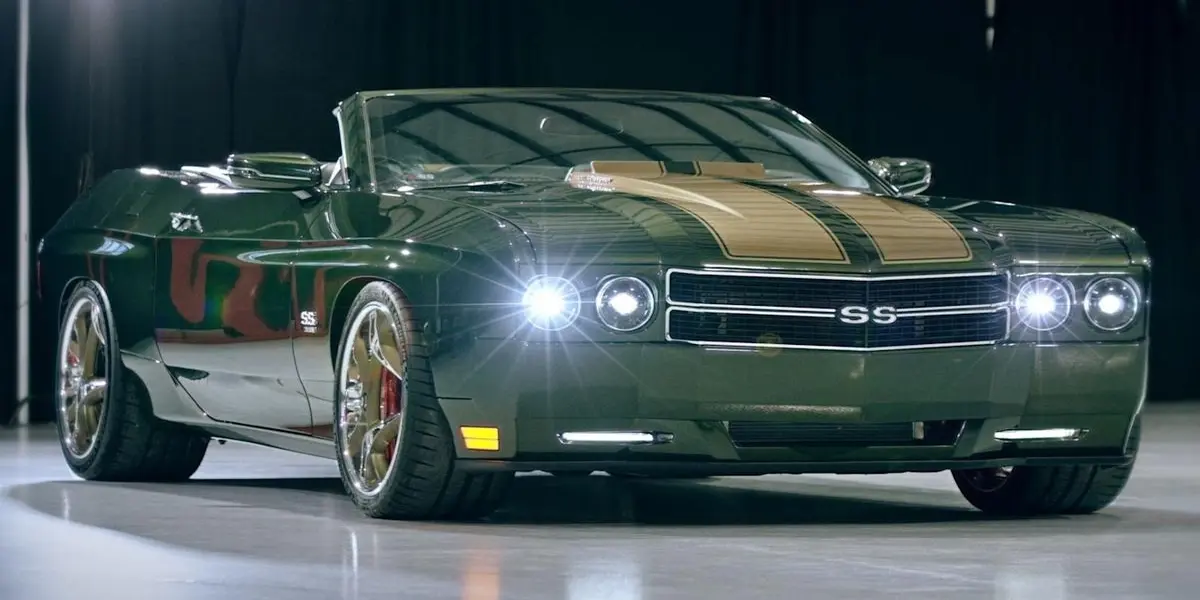
Consider a classic Chevy that looks excellent but is mechanically tired. The right choice depends less on the badge and more on what kind of example you actually own.
If the Chevy Is Rare and Numbers Matching
Preservation deserves serious consideration.
If the car retains important original components and has strong documentation, replacing major factory parts could reduce some of its collector appeal. In this situation, restoration toward factory specification may make more sense than extensive modification.
If It Is a Common Driver-Quality Classic
The calculation changes.
If the car isn’t exceptionally rare and your priority is actually driving it, upgrades to the brakes, suspension, cooling, drivetrain or air conditioning may provide considerably more practical value.
This is where a restomod can make sense: you’re not necessarily destroying a collectible, you’re making a usable classic.
If It Is Already a Modified Project
Start with what is already there.
Before adding more parts, inspect the quality of the existing work. Check the wiring, cooling, brakes, suspension, drivetrain integration and documentation.
A good restomod should be treated as an engineered system, not a collection of expensive parts.
The Practical Test Before You Make the Decision
Before spending money, answer six questions.
How Often Will You Drive the Car?
If it will mostly sit in a climate-controlled garage, modernizing everything may provide little practical benefit.
If you’ll drive it regularly, usability becomes much more important.
How Important Is Originality?
Ask yourself honestly:
Would you regret removing an original component five years from now?
If the answer is yes, consider preservation or reversible upgrades.
Do You Need Modern Safety and Comfort?
Daily traffic changes the equation.
If air conditioning, stronger brakes, modern tires, improved handling and easier highway cruising matter to you, a restomod may better fit your intended use.
Is the Car Valuable Because of Its History?
A rare, documented and historically significant vehicle deserves more preservation-minded thinking than a common project car.
Can the Planned Modifications Be Reversed?
Whenever possible, understand whether an upgrade is:
- Bolt-on
- Reversible
- Difficult to reverse
- Permanently altering the vehicle
This matters particularly when the underlying car has collector potential.
Can You Document the Work?
Keep records of:
- Original parts
- Replacement parts
- Modification dates
- Receipts
- Build specifications
- Professional work
- Before-and-after photographs
Good documentation helps you understand the car later and gives a future buyer a clearer picture of what was done.
Final Verdict: Preserve It or Modernize It?

The original-versus-restomod debate becomes much easier when you stop asking “Which is better?” and ask “What do I want this car to do?”
If your goal is to preserve history, maintain authenticity and protect collector appeal, an original-focused restoration is usually the stronger path.
If your goal is to drive the car regularly, improve braking and handling, add comfort and make the classic more usable on modern roads, a well-engineered restomod can be the better choice.
And if you’re somewhere in between, don’t assume you need an all-or-nothing answer. Thoughtful, reversible upgrades can give you more enjoyable driving while respecting the car’s original character.
The best classic is not necessarily the one with the most original parts or the most modern technology.
It is the one whose condition, history and modifications make sense for the person behind the wheel.
Frequently Asked Questions
What is a restomod?
A restomod is a classic vehicle that retains its classic identity while receiving modern technology or components intended to improve performance, safety, comfort or drivability.
Is a restomod still a classic car?
Yes. Modernizing selected systems does not necessarily remove the vehicle’s classic identity, although extensive modifications can change its character and collector appeal.
Is an original classic worth more than a restomod?
Not automatically. Rarity, condition, documentation, originality, build quality and buyer demand all influence value.
Does restomodding reduce a classic car’s value?
It can, particularly when originality is important to collectors. But a high-quality restomod can also attract buyers who prioritize modern drivability.
What is the difference between restoration and restomod?
Restoration generally aims to preserve or recreate the vehicle’s original specification. Restomod combines restoration with deliberate modernization.
Are restomods more reliable than original classic cars?
They can be, particularly when aging systems are replaced with quality modern components. However, build quality and integration are critical.
Are restomods better for daily driving?
Often, yes. Modernized brakes, suspension, cooling, comfort and drivetrain components can make a classic easier to use in contemporary traffic.
Should you restomod a numbers-matching classic?
Proceed cautiously. If originality contributes substantially to the car’s collector appeal, extensive modifications may not be the best choice.