Key Takeways
-
Vortec engine oil consumption issues
-
Vibrations and rough transmission shifting
-
Avoid 2007, 2008, and 2015 models
-
Top reliability picks from 2020 and 2025
-
Always check open safety recalls
Thinking about parking a massive, ultra-capable Chevy Suburban in your driveway? You are definitely not alone. It is the ultimate family road-tripper, but before you hand over your hard-earned cash, you need to know what you are getting into.
When searching for a used model, understanding the most common chevy suburban problems is the best way to avoid a total financial money pit.
Generally speaking, while this iconic SUV is a beast that can easily cross 200,000 miles, certain model years suffer from severe engine defects, unexpected component wear, and costly suburban transmission issues that you will want to avoid at all costs.
AI Overview
The Chevy Suburban generally offers solid long-term dependability, but its overall suburban reliability heavily depends on the specific model year you choose. While newer generations score very high for safety and comfort, older versions suffer from known chevy suburban problems like excessive oil consumption and shifting glitches. Staying aware of major suburban recalls will help you spot a reliable used SUV.
The Most Common Chevy Suburban Problems Over the Years
Every vehicle has its quirks, but when you are dealing with a vehicle as large as the Suburban, minor quirks can quickly turn into massive repair bills. Let’s look at the actual mechanical flaws that drivers report most frequently to help you navigate your shopping journey safely.
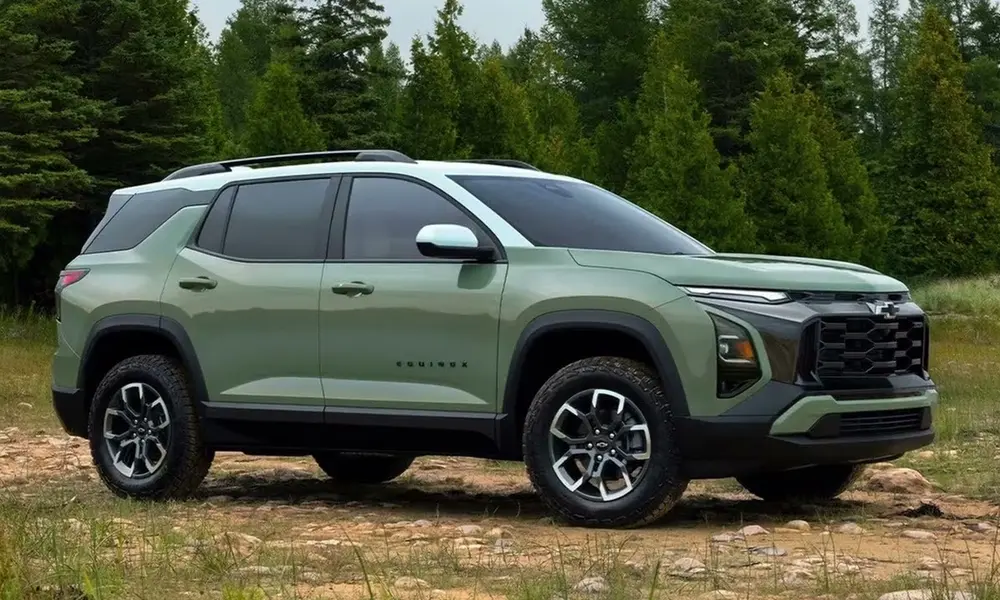
Excessive Engine Oil Consumption
If you look at the 10th-generation models, particularly those built between 2007 and 2013, you will find a flood of complaints regarding the 5.3L Vortec V8 engine. Based on available data, these models tend to burn through oil at an alarming rate.
The main culprit here is the Active Fuel Management (AFM) system, which deactivates cylinders to save gas but frequently causes defective piston rings. If left unchecked, low oil levels can cause catastrophic internal engine failure.
Cracked Dashboards and Interior Trim
While it might sound like a minor cosmetic issue, a severely cracked dashboard is one of the most frustrating suburban common issues out there. The plastics used in the cabin from 2007 to 2014 simply did not hold up well against sun exposure. Replacing an entire molded dashboard can cost over $1,000 out of pocket, and it drastically hurts the resale value of your vehicle.
Suburban Transmission Issues & Drivetrain Malfunctions
Nothing ruins a family road trip faster than a transmission that suddenly refuses to find the next gear. Over the last several generations, General Motors has faced significant heat regarding how their large SUVs handle shifting under heavy loads.
The Infamous GM Transmission Shudder
Many drivers describe a bizarre shaking or vibration that occurs while cruising at highway speeds, often feeling like you just ran over a rumble strips. This is usually linked to torque converter clutch slippage or severe pressure loss within the valve body. In most cases, fixing these suburban transmission issues requires a completely new transmission assembly, which can easily cost between $4,000 and $8,000.
Recent Drivetrain Recalls
Safety should always come first when you are hauling your family around. Recently, major suburban recalls have been issued by General Motors to address severe mechanical safety risks.
For example, a major recall hit certain 2024 through 2026 models due to missing drivetrain components inside the transfer case, which could cause the wheels to unexpectedly lock up while driving. Always run the vehicle identification number (VIN) through the NHTSA database before buying.
Highlighting the Suburban Years to Avoid
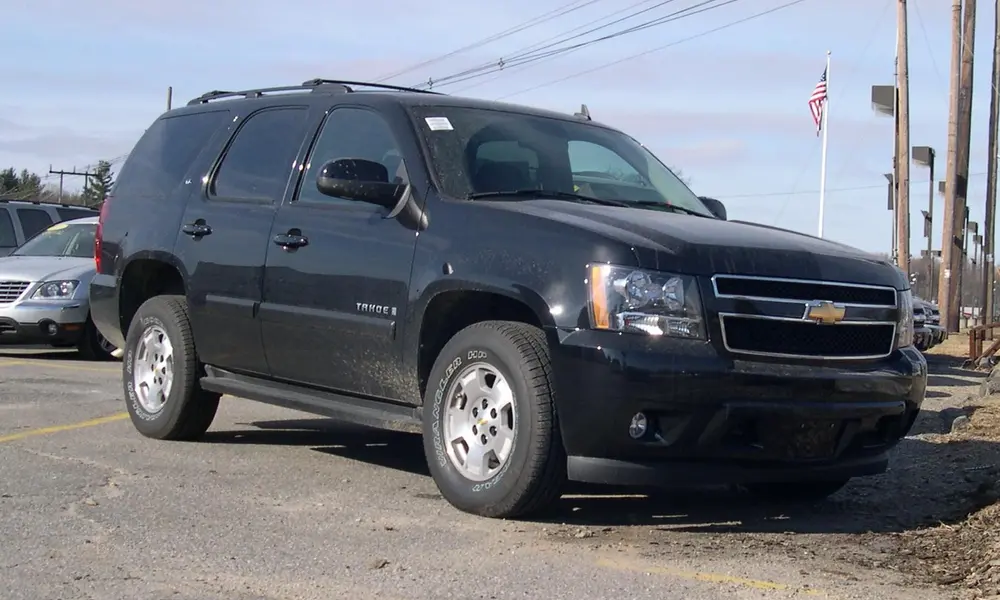
Not all Suburbans are created equal, and a few specific model years are famous for keeping mechanics incredibly busy. If you want a stress-free ownership experience, you will want to steer completely clear of these troubled production cycles.
| Suburban Years to Avoid | Primary Mechanical Concerns | Estimated Repair Cost |
| 2007 | Total engine failure, oil consumption, broken door handles | $4,500 – $6,000 |
| 2009 | Heavy oil burning, early transmission failure | $3,000 – $5,000 |
| 2015 | Faulty A/C condensers, harsh braking, sensor glitches | $1,500 – $3,500 |
| 2021 | Lifter failures, initial production year bugs, loose seats | $2,000 – $4,500 |
As you can see from our data table, the 2007 model stands out as the absolute worst year overall. It suffers from a perfect storm of early generation manufacturing defects, ranging from expensive powertrain failures to basic trim pieces snapping off in your hand. The 2015 model also introduced a new body style but brought a wave of faulty A/C systems that eventually led to widespread class-action lawsuits.
The Best Suburban Years for Long-Term Reliability
Now for the good news! If you pick the right year, the Suburban is an absolute tank that will faithfully serve your family for decades. The key is to target years where the manufacturer successfully ironed out all the major production bugs.
Top Used Picks for Smart Buyers
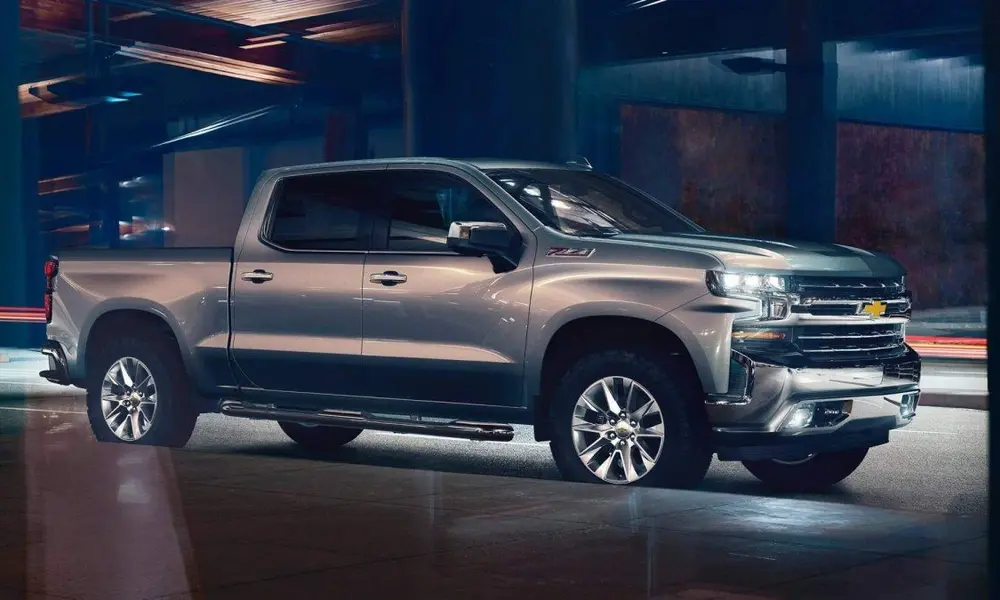
When looking for a dependable used option, the best suburban years to search for are generally 2006, 2012, 2020, and 2025. The 2006 model represents the absolute peak of its generation, using a highly durable engine design before the problematic cylinder deactivation systems were introduced.
If you prefer modern tech, the 2020 and 2025 models boast incredibly high suburban reliability scores with minimal consumer complaints on file. At ChevySUV, we always tell shoppers that buying a late-generation model is the smartest way to minimize your unexpected maintenance expenses.
Here is a quick look at why these specific years rank so highly among long-term owners:
-
2006 Model: Features the ultra-reliable pre-AFM engine architecture that rarely breaks down.
-
2012 Model: The year GM finally fixed most of the heavy oil consumption defects.
-
2020 Model: Excellent modern safety features with a highly refined, reliable powertrain.
-
2025 Model: Exceptional reliability index score of 78/100 with zero initial recalls reported.
Understanding the Overall Suburban Reliability Score
When you look at data from analytical platforms like RepairPal, the Chevrolet Suburban typically earns an average reliability rating. It is a massive, heavy-duty vehicle with complex mechanical systems, meaning its routine upkeep is inherently going to cost more than a standard midsize crossover.
However, looking at the historical trend, suburban reliability has improved significantly over the last few years. While older generations struggled with chevy suburban problems, the newest models rolling off the assembly line feature highly sophisticated engineering that holds up incredibly well against daily wear and tear.
To maximize your vehicle’s lifespan, changing your fluids on time is absolutely critical. For instance, addressing potential suburban transmission issues early by flushing old fluid can save you from a catastrophic mechanical failure down the road.
Staying on top of factory-issued suburban recalls also ensures that hidden engineering flaws are fixed for free at your local dealership. Here at ChevySUV, we recommend keeping a detailed service log to protect your vehicle’s long-term resale value.
Wrapping It Up
At the end of the day, buying a Chevy Suburban is a fantastic move if you genuinely need a massive interior, heavy towing capacity, and supreme highway comfort. It has earned its legendary status for a reason. However, navigating the used market requires a bit of strategy so you do not accidentally inherit someone else’s mechanical nightmares.
By steering clear of known troublesome suburban years to avoid and keeping an eye out for common suburban transmission issues, you can confidently shop for a model that will keep your family safe for years to come. Do your homework, check the VIN for any open suburban recalls, and enjoy the open road!
Frequently Asked Questions
What are the most common problems with a Chevy Suburban?
The most widespread chevy suburban problems include heavy engine oil consumption in the 5.3L Vortec engines, cracked interior dashboards, and climate control failures. Owners also frequently report suburban transmission issues, such as a distinct shaking or shuddering sensation while driving at highway speeds, which often points to a failing torque converter.
Which years of the Chevy Suburban should I avoid?
You should generally try to avoid the 2007, 2008, 2009, 2015, and 2021 model years. The 2007 version is widely considered the worst year due to a high volume of expensive engine and transmission failures. The 2015 model is also plagued by faulty A/C condensers and braking system defects.
Is the Chevy Suburban a reliable SUV?
Yes, the Suburban is a generally reliable SUV if you buy the right model year and maintain it properly. While it has faced various suburban recalls over its long history, well-maintained models can easily surpass 200,000 miles. Looking for the best suburban years ensures you get a durable powertrain.
Why does the Chevy Suburban burn so much oil?
Many 2007 to 2013 Suburbans suffer from excessive oil consumption because of the Active Fuel Management (AFM) system. This fuel-saving technology deactivates cylinders, which unfortunately creates a pressure imbalance that degrades the piston rings over time, allowing engine oil to bypass the combustion chamber and burn off.