Key Takeaways
- Best years to buy: 2017–2020 Chevrolet Suburban
- Strong budget-friendly choice: 2013 Suburban
- Avoid problematic years: 2007–2009, 2015, and 2021
- Check for AFM, transmission, and A/C issues
- Always review service history and vehicle reports
- Consider Certified Pre-Owned (CPO) models for warranty coverage
The challenge of choosing the right large SUV comes down to a compromise between space, strength, and life-long expenditure. The Chevy Suburban has been the family happy hours go-to for decades with its unparalleled load-hauling and towing prowess. But not all model years are created equal when you’re shopping the used market.
Choosing the best year used Chevy Suburban can save you thousands of dollars on unexpected mechanical repairs, so if extending your dollar further is a goal. Certain production runs clear 200k-miles with ease, while others are prone to costly engine and transmission woes in short order. Identifying the best suburban year reliability patterns will ensure you maximize your investment.
It covers the best model years to buy, what model year(s) to avoid, plus what to look for in a pre-purchase inspection. This used suburban buying guide provides everything you need to get yourself a dependable big-deal full-bodied cruiser.
AI Overview
The best used Chevy Suburban years are 2017–2020, offering the strongest balance of reliability, modern features, and lower repair risks. The 2013 model is also a solid budget-friendly choice with proven durability. Buyers should avoid the 2007–2009, 2015, and 2021 model years due to common engine, transmission, and electronic issues. A thorough pre-purchase inspection, maintenance history review, and consideration of Certified Pre-Owned warranties can help ensure a dependable long-term investment.
The Best Used Chevy Suburban Years
This list contains the best and worst cars you can find for your family, with a particular focus on what will be easiest to shop for as we head toward what makes sense, late in the 11th-generation model run and when certain specific vintage models would work fine.
You have the best of both worlds there, as 2017 through 2020 model years are still near the sweet spot for advanced features and structural strength but not so far past their sell-by date that they will be in the repair shop every week. Finding the best suburban year reliability baseline will narrow down your market choices instantly.
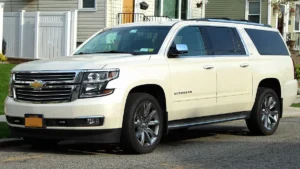
2017–2020 Chevrolet Suburban (11th Gen)
Chevrolet had managed to engineer out most of 2015’s major electronic glitches and transmission hesitation by the time 2017 rolled around.
A combination of the refined 6-speed automatic transmission and matured EcoTec3 5.3L V8 engine means sturdy stability for models from 2017, 2018, 2019, and only part-way through production in early-2020. This era serves as a core recommendation in any modern used suburban buying guide.
Opting for a 2018 or 2020 version means you can get into some of the latest cabin tech and active safety systems, minus the huge devaluation hit that comes with a new vehicle.
The 11th-generation models that came after those first two years are particularly impressive for best suburban year reliability tracking, showing some of the lowest powertrain failure rates in consumer databases, a fact that makes them the best overall recommendation for families looking for the best year used chevy suburban.
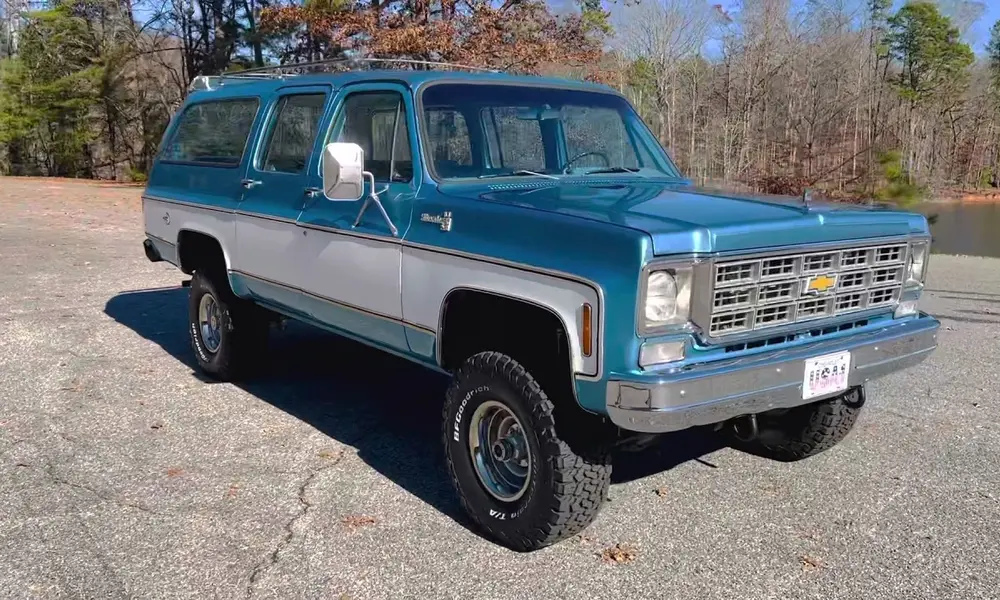
2013 Chevrolet Suburban (10th Gen)
For a nearly independent underage option existing for those with less flexibility of range, one of the reliable ’13-out GMT900 designs stands out as your highest choice for a best year used chevy suburban. Of course, earlier examples of this generation suffered from excessive oil consumption, but by 2013 the pistons had received updated, hardened rings and a new factory PCV valve (positive crankcase ventilation).
A clean 2013 model is based on a rugged, truck-type platform that also has the advantage of a structurally simpler and less costly vehicle to repair when compared with modern vehicles that are downtrodden. It does not boast complex digital displays, but it highlights excellent best suburban year reliability metrics and features a long history of durability.
Suburban Years to Avoid and Why
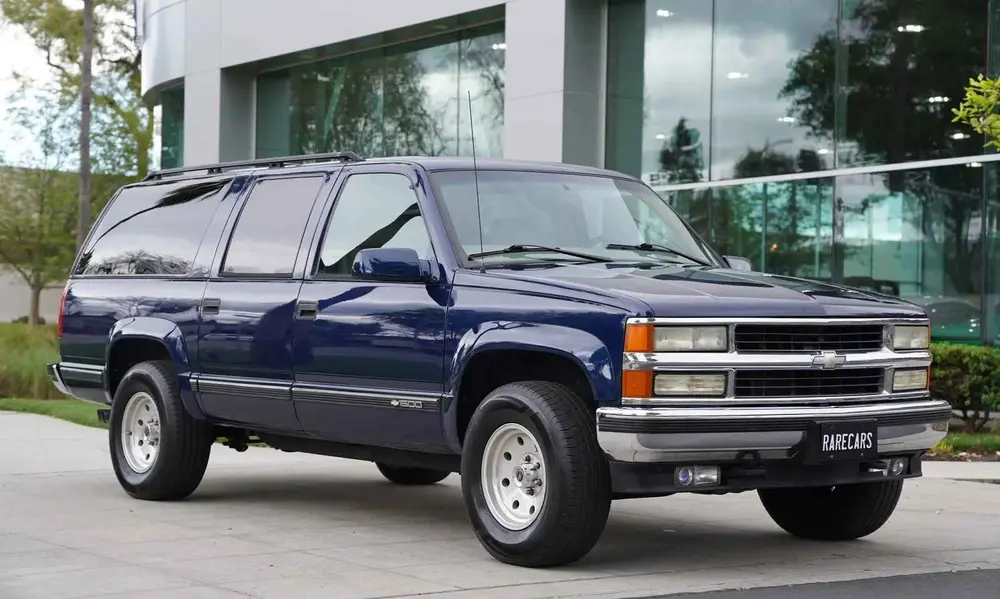
Avoiding troublesome first production runs saves your wallet from cataclysmic component failure. There are several suburban years to avoid that you’ll want to be especially wary of, or, best case scenario, skip entirely while browsing listings with your used suburban buying guide strategies in mind.
2007–2009 Models (10th Gen Launch)
The 2007 model year had the dubious honor of receiving more consumer complaints than any other modern production run, making it the top entry among the suburban years to avoid. Active Fuel Management (AFM): A system to deactivate cylinders for fuel savings, this was a new feature first introduced in 2005.
However, the AFM setup was famously flawed, had it engaged too soon, leading to catastrophic oil consumption that quickly starved the engine core, fouled plugs and ruined lifters. These specific suburban years to avoid were also known for transmission failures near the 100K mile mark, with rebuild bills estimated to start at an eye-watering $3,000.
2015 Model Year (11th Gen Launch)
Much like 2007, the 2015 redesign suffered from classic first-year production flaws. Owners frequently experienced early transmission shuddering, complete torque converter failures, and premature air conditioning condenser leaks.
Furthermore, widespread braking issues were reported around the 60,000-mile threshold, where the power assist would suddenly degrade. Due to these expensive mechanical liabilities occurring at relatively low mileage, it is a prominent inclusion in our suburban years to avoid checklist.
2021 Model Year (12th Gen Launch)
As the opening year for the independent rear suspension design, the 2021 model brought significant cabin comfort upgrades but introduced a wave of electronics and engine defects.
Early 2021 builds were hit with massive infotainment blackouts, shifting issues in the 10-speed automatic, and an official factory recall regarding improperly installed front seats, cementing its place among the suburban years to avoid.
Overview of Reliability Across Key Years
To help you see how different eras compare, the table below highlights historical problem areas, overall durability scores, and estimated repair risks based on industry tracking platforms.
| Model Year | Reliability Rating | Primary Known Vulnerabilities | Recommended Action |
| 2007 | Poor | AFM oil consumption, total transmission failure, cracked dashboard | Avoid entirely |
| 2013 | Good | Minor dashboard cracking, late-stage suspension wear | Buy with service history |
| 2015 | Poor | A/C condenser failure, 6L80 transmission shudder, brake assist loss | Avoid entirely |
| 2018 | Excellent | Minor infotainment pairing glitches, backup camera bugs | Highly Recommended |
| 2020 | Excellent | Rare electrical sensor faults, paint clear-coat peeling | Highly Recommended |
| 2021 | Fair | Infotainment screen freezes, early lifter failures on 6.2L V8 | Inspect thoroughly |
Crucial Pre-Purchase Inspection Steps
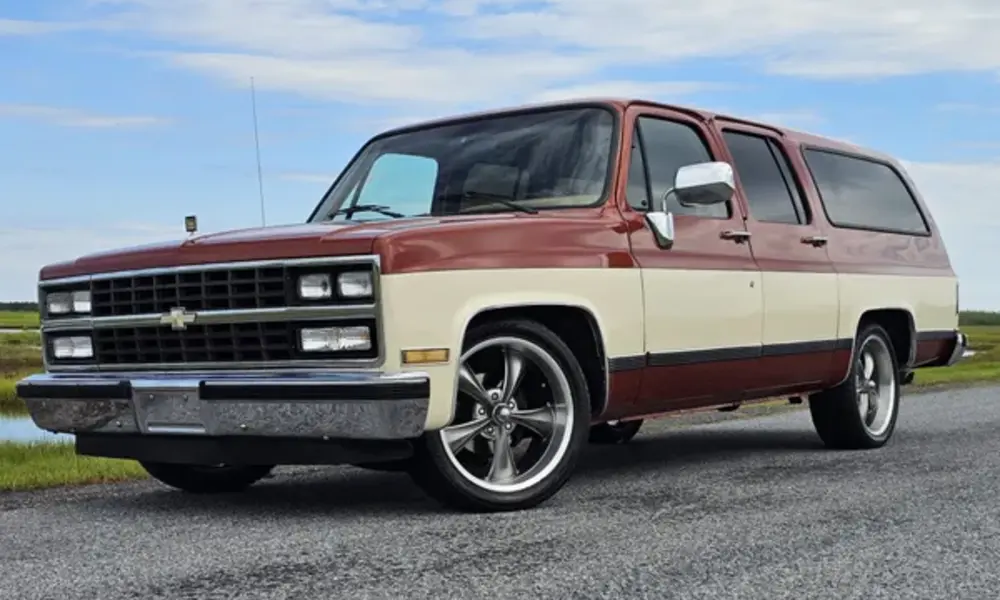
When assessing a candidate vehicle on a lot or through a private seller, executing a targeted used suburban inspection is vital to uncover hidden issues. Large truck-based vehicles can mask underlying mechanical wear during brief, low-speed test drives.
-
Test the Active Fuel Management System: Drive the vehicle on an open highway at cruising speeds. Watch the driver information display as the engine transitions between V4 and V8 modes during your used suburban inspection. Listen carefully for any prominent exhaust drone, cabin vibration, or mechanical ticking sounds.
-
Check the Transmission Fluid Status: If the vehicle has a physical dipstick, check the fluid level and smell during the used suburban inspection. A burnt odor or dark brown coloration points to severe internal friction and imminent component failure, especially on the 6L80 6-speed gearboxes.
-
Evaluate the Air Conditioning Output: Let the vehicle idle for ten minutes with the climate control system turned to max cold. Check that both the front dashboard vents and the rear ceiling vents blow freezing air, as leaking dual-evaporator lines are incredibly expensive to replace.
-
Scan for Historic Powertrain Codes: Plug an OBD2 diagnostic scanner into the vehicle port under the steering column as part of your comprehensive used suburban inspection. Look specifically for historic or pending P0300 codes, which signal internal cylinder misfires often linked to failing valvetrains or oil blow-by.
At ChevySUV, we always advise buyers never to skip a professional, third-party pre-purchase used suburban inspection on a hoist. Paying a qualified mechanic for an hour of shop time can protect you from taking home a vehicle with structural rust or hidden frame damage.
Certified Pre-Owned (CPO) Warranties
Purchasing a newer model through an authorized dealership network opens up access to factory-backed protection programs. A factory cpo suburban warranty provides an exceptional safety net for buyers targeting late-model family vehicles.
To qualify for this specific manufacturer tier, the pre-owned vehicle must be under 6 years old, show fewer than 75,000 miles on the odometer, and pass a rigorous 172-point dealer evaluation. The standard package backed by a factory cpo suburban warranty extends the original powertrain coverage out to 6 years or 100,000 total miles, while adding a dedicated 12-month bumper-to-bumper protection window.
This level of coverage is highly advantageous if you are considering a 2021 or 2022 model, as a comprehensive cpo suburban warranty completely shields you from out-of-pocket costs related to early electronic bugs or complex engine sensor replacements. Securing a strong cpo suburban warranty minimizes the risks associated with the newer generation models.
Essential Tips for Used Suburban Buying
Navigating the market successfully requires looking past shiny exterior detailing and focusing closely on vehicle history paperwork. Utilizing an accurate used suburban buying guide strategy will keep you focused on vehicles that were actually cared for by their past owners.
First, always demand a comprehensive vehicle history report from services like Carfax or AutoCheck. A proper used suburban buying guide highlights looking for consistent oil change intervals every 5,000 to 7,000 miles, as regular lubrication is the absolute single best defense against premature AFM lifter failure over long periods.
Second, pay close attention to the past regional usage of the vehicle. Large models originating from the northern rust belt frequently suffer from advanced corrosion on the rear brake lines, fuel tank brackets, and structural frame sections. If the underside reveals heavy, scaling rust flaking off the metal rails, walk away from the deal immediately.
Finally, prioritize single-owner vehicles that show a clear record of family use rather than units that spent their early lives as heavy-duty commercial fleet haulers or rental transport vehicles. Private family owners generally address small cabin trim issues and scheduling updates much quicker than fleet managers looking to cut operational costs.
Conclusion
Securing the best year used chevy suburban comes down to targeting specific production cycles where engineering updates resolved past mechanical weaknesses. Focusing your efforts on the highly reliable 2017 to 2020 window ensures you take home a durable, modern, and safe family cruiser that will serve you faithfully for years.
Be sure to bypass the high-risk 2007 and 2015 versions unless they come with fully documented proof of recent engine or transmission replacements. By utilizing a disciplined used suburban inspection strategy, consulting a trusted used suburban buying guide, looking for the best suburban year reliability markers, and considering factory-backed CPO coverage, you can buy your next large vehicle with complete confidence.
Frequently Asked Questions
What is considered high mileage for a pre-owned Suburban?
For a well-maintained V8 engine, miles over 150,000 are generally considered high mileage. However, if the service history proves consistent oil maintenance, these truck-based platforms can reliably push past 250,000 miles on their original internal components.
Is the 5.3L V8 engine or the 6.2L V8 engine more reliable?
The 5.3L V8 is widely considered more reliable and much cheaper to fix over long lifespans. The larger 6.2L engine offers phenomenal power and towing capacity, but early 12th-generation variations suffered from sporadic, severe main bearing and internal crankshaft failures.
Which older model year offers the best baseline durability?
The 2006 model year from the GMT800 generation is celebrated by enthusiasts as an incredibly tough, simple vehicle. It features the legendary Vortec V8 engine without complex active fuel management components, meaning it rarely suffers from internal oil consumption issues.
How much should I budget for annual maintenance on an older SUV?
Based on historical ownership tracking, you should estimate budgeting between $700 and $1,200 annually for routine upkeep. Older models will periodically require heavier wear-and-tear items like replacement suspension components, fresh water pumps, or new electronic window regulators.