
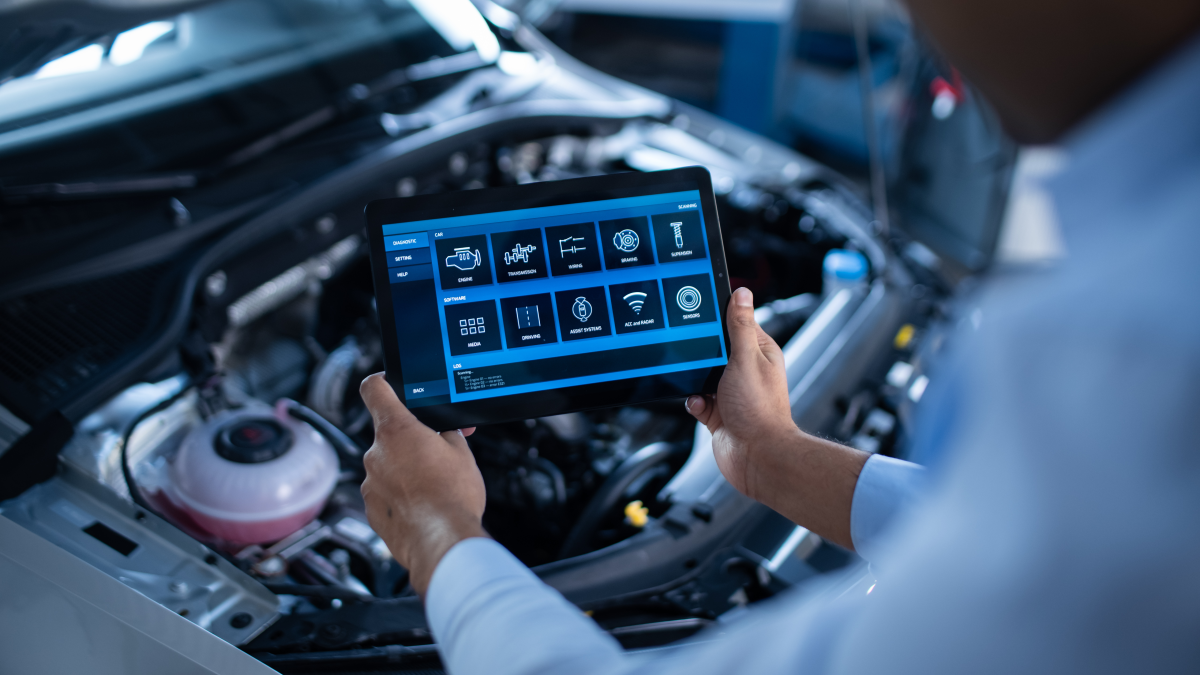
Illustrative scenario, not a real customer case.
Imagine it’s October 14, 2026. A driver takes the family SUV to a repair shop and gets an estimate for $900. A tire-pressure check that might have cost just $12 seemed easy to put off. Now, the driver is facing a repair bill and wondering whether the problems could have been caught sooner.
The mechanic explains that the vehicle has several issues that needed attention earlier. The driver remembers seeing a tire-pressure warning a few weeks ago. There was also a dashboard light that appeared and disappeared, so it didn’t seem urgent. The mechanic’s message is simple: “This was avoidable.”
Of course, not every repair can be prevented. Parts wear out, and some failures happen with little warning. But ignoring warning signs can allow a manageable problem to become a much more expensive one.
That’s what useful car maintenance tips are really about. You don’t need to spend every weekend under the hood or become an expert in every part of your vehicle. You need to know what to check, when to check it, and when to call a professional.
A few minutes each month can help you catch changes before they become bigger concerns. These 17 habits will help you build a practical routine without treating every little noise as a disaster.
AI Overview: What Are the Most Important Car Maintenance Tips?
Check tire pressure, tire condition, engine oil, fluid levels, brakes, lights, and dashboard warnings regularly. Follow your owner’s manual because maintenance schedules vary by vehicle, engine, and driving conditions. These simple checks can help you spot developing problems early, reduce avoidable wear, and plan repairs before they become urgent.
Key Takeaways
- Spend five minutes each month checking tires, lights, visible leaks, and warning signs.
- Use the tire-pressure figure on the driver’s door label, not the number on the tire sidewall.
- Follow your owner’s manual for oil changes and fluid replacement.
- Take brake problems, overheating, and oil-pressure warnings seriously.
- Learn simple DIY jobs, but leave safety-critical repairs to qualified professionals.
- Keep service records and investigate unusual changes before they turn into bigger problems.
Car Maintenance Tips Every Driver Should Know
If you’re new to owning a vehicle, start with five basic habits. They’re simple, useful, and don’t require you to know your way around an engine.
- Read your owner’s manual. Find the maintenance schedule, recommended fluids, tire pressures, and warning-light explanations.
- Check your tires monthly. Look for low pressure, cuts, bulges, uneven wear, and objects stuck in the tread.
- Check engine oil and visible fluids. Follow the correct procedure for your vehicle, and never open a hot cooling system.
- Pay attention to changes. New noises, vibrations, smells, leaks, or dashboard warnings deserve attention.
- Keep a maintenance record. Write down service dates, mileage, repairs, and the next due date.
These habits won’t prevent every breakdown. They will, however, help you notice when something changes instead of waiting until the vehicle develops a more serious problem.
Basic Car Maintenance Tips for Beginners
1. Read the owner’s manual before buying parts or fluids
Your owner’s manual is the best starting point for most maintenance decisions. It tells you which oil specification to use, what tire pressure your vehicle needs, and when particular services are due.
Don’t assume that two vehicles from the same manufacturer need the same maintenance. A Chevrolet Silverado and an Equinox, for example, can have different requirements even if they’re from the same model year. Check the instructions for your exact engine and configuration rather than relying on advice written for another vehicle.
You can find many Chevrolet owner manuals through Chevrolet’s Manuals and Guides page. Look up your specific model before buying fluids or parts.
2. Learn what the dashboard warning lights mean
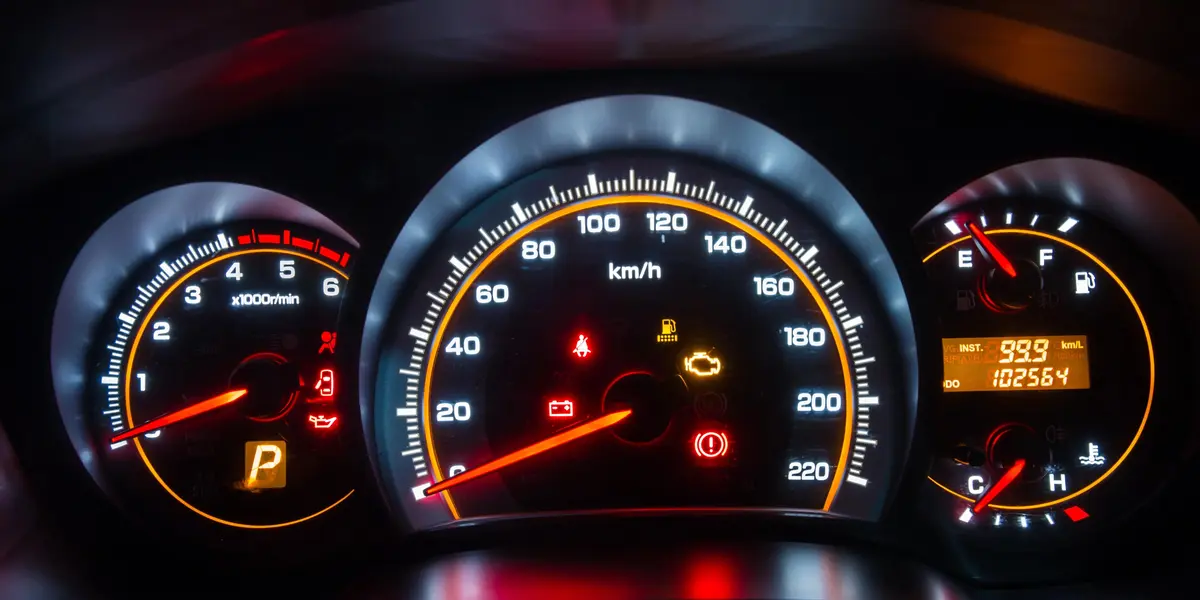
A warning light isn’t safe to ignore just because the vehicle still drives normally. Some warnings mean you should arrange service soon. Others can signal a problem that makes continuing to drive unsafe.
Learn the difference between a tire-pressure warning, a check-engine light, a battery or charging warning, and an oil-pressure warning. They don’t all carry the same level of urgency.
If a symbol appears and you’re unsure what it means, pull over somewhere safe if necessary and consult the manual. Guessing can be an expensive habit, particularly when the warning involves oil pressure, brakes, or engine temperature.
3. Keep a simple maintenance record
You don’t need an expensive tracking app to keep up with your vehicle’s maintenance. A notebook or spreadsheet will do the job.
Record the date, mileage, work completed, parts used, and next recommended service. Keep your invoices, too. A clear record can help you avoid paying twice for work that was recently completed and give a mechanic useful background when diagnosing a problem.
These records can also help when you sell the vehicle or make a warranty claim. It takes only a few minutes to write down a service visit, but trying to remember everything months later can be frustrating.
4. Check tire pressure once a month
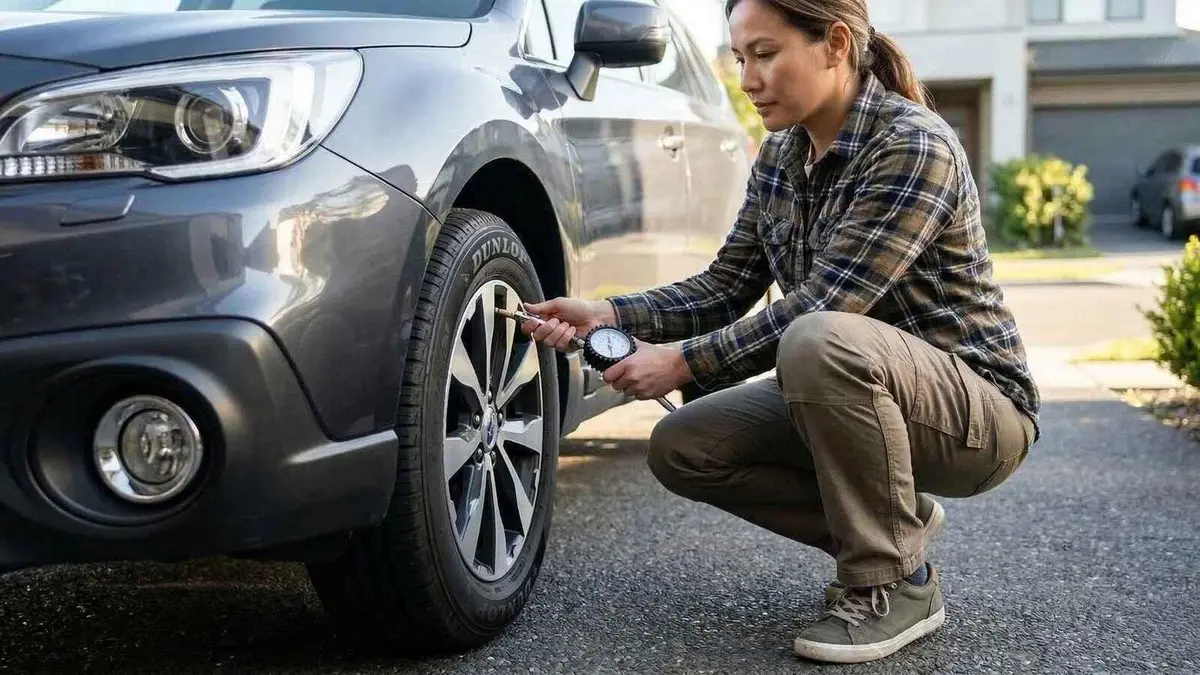
Tires gradually lose pressure, and changes in temperature can affect the reading. Check all four tires when they’re cold, ideally before driving or after the vehicle has been parked for several hours.
Use the pressure shown on the driver’s door-jamb label or in the owner’s manual. The number printed on the tire sidewall usually indicates a tire pressure limit, not the pressure recommended for everyday driving.
The National Highway Traffic Safety Administration (NHTSA), the US government agency responsible for vehicle safety, recommends checking tire pressure monthly. Its tire-safety guidance also explains where to find the correct pressure.
Don’t rely only on the tire-pressure monitoring system (TPMS). It can warn you when pressure becomes significantly low, but it doesn’t replace regular checks with a gauge. By the time the warning appears, a tire may already be underinflated enough to affect handling and wear.
5. Keep a small roadside kit
A basic roadside kit can make an unexpected stop less stressful. Consider carrying a tire-pressure gauge, flashlight, gloves, first-aid kit, portable phone charger, and reflective warning equipment where permitted.
Check what your vehicle actually carries, too. Some cars and SUVs have a spare tire and jack, while others come with a tire-repair kit instead. It’s better to discover that difference in your driveway than on the shoulder of a busy road.
A roadside kit won’t fix a failed alternator or a damaged tire. It can help you stay prepared while you arrange assistance. Make sure any equipment you carry is suitable for your vehicle and can be used safely.
Tire Maintenance Tips
Tires are the only parts of your vehicle that touch the road. Their condition affects braking, steering, ride comfort, and fuel economy, so they’re worth checking regularly.
6. Check tire tread and visible damage
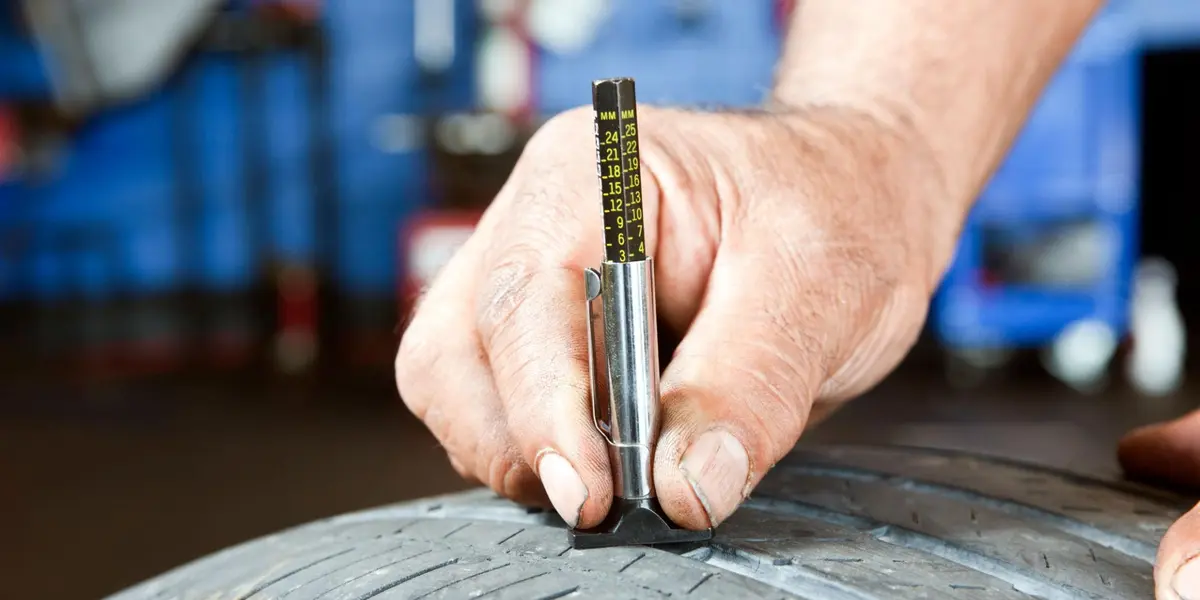
Look across each tire rather than checking just one spot. Uneven wear may point to incorrect pressure, alignment problems, suspension wear, or missed tire rotations.
NHTSA recommends replacing tires when the tread reaches 2/32 of an inch. Its guidance also describes the penny test: insert a US penny into the tread with Lincoln’s head facing downward. If you can see the top of his head, the tire may have too little tread remaining.
The penny test is a quick screening method, not a substitute for checking tread-depth indicators or asking a tire professional to inspect a questionable tire. If you’re unsure whether the tread is safe, don’t rely on a rough visual guess.
Look for bulges, deep cuts, exposed cords, and other signs of damage. These aren’t problems to ignore until your next scheduled service. Have a damaged tire inspected promptly, and avoid driving on it if its condition makes the journey unsafe.
7. Follow the tire rotation schedule
Front and rear tires can wear at different rates. Rotating them helps distribute that wear more evenly, but the correct pattern and interval depend on the vehicle, tire type, and drivetrain.
Follow the rotation schedule in your owner’s manual. If the tread is wearing unevenly or the vehicle pulls to one side, ask a tire shop to check the alignment as well. Rotation alone won’t correct an alignment problem.
If you get a flat, read our How to Change a Tire Safely article before attempting the job. It should explain the safe setup and precautions involved in changing a wheel.
Never change a tire beside moving traffic if you can avoid it, and never crawl under a vehicle supported only by a jack. If the location is unsafe or you don’t have the correct equipment, call for roadside assistance.
Engine Oil and Fluid Tips
8. Check engine oil the right way
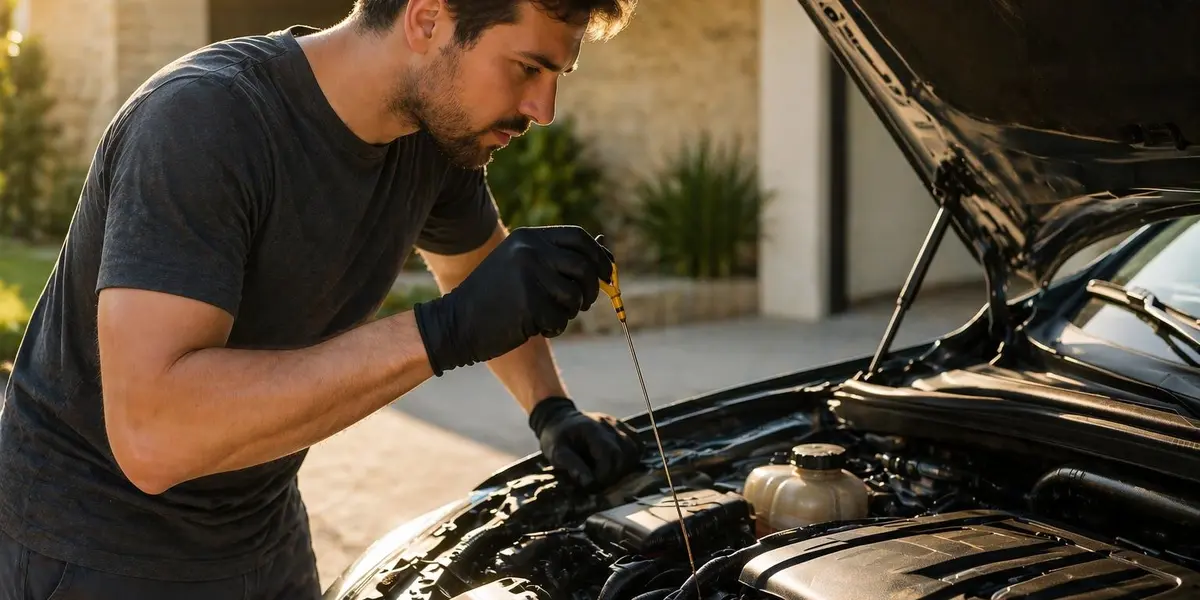
Park on level ground and follow our step-by-step guide on how to change engine oil for your vehicle. Depending on the vehicle, you may need to let the engine sit for a certain amount of time. Some newer cars use an electronic oil-level display instead of a traditional dipstick.
If the level is low, add the correct oil in small amounts and check the level again. Don’t overfill the engine; too much oil can also cause problems.
Keep in mind that checking the oil level and changing the oil are two different tasks. Checking tells you how much oil is present. An oil change replaces used oil and, where specified, the filter.
If you repeatedly need to add oil between services, don’t simply keep topping it up without asking why. A mechanic can check whether the engine is leaking oil, burning it, or experiencing another problem.
9. Follow the oil-life monitor or service schedule
The old rule of changing oil every 3,000 miles doesn’t apply to every modern vehicle. Engine designs and oil formulations have changed, and some vehicles use an oil-life monitoring system to estimate when an oil change is due.
Consumer Reports, a nonprofit consumer-testing and research organization, explains that many modern vehicles can go considerably longer than 3,000 miles between oil changes under normal conditions. The right interval still depends on the vehicle, the oil specification, and how the car is driven.
Follow your owner’s manual and oil-life monitor rather than applying one mileage figure to every car. Changing oil too late can harm an engine, but changing it far more often than the manufacturer recommends can waste money without providing a clear benefit.
Frequent short trips, towing, dusty roads, and severe temperatures may count as severe service for some vehicles. Check your manual to see whether your driving habits call for a different maintenance schedule.
10. Check visible fluids and watch for leaks
With the vehicle parked safely, look for obvious changes in fluid levels and signs of leaks. Follow the manual for each check, especially when the engine needs to be cool or a specific procedure is required.
- Coolant: Check the reservoir as directed. Never remove a pressurized radiator cap while the engine is hot; escaping coolant can cause severe burns.
- Brake fluid: A low level can indicate a leak or worn brake components. Don’t simply top it up and ignore the reason.
- Windshield washer fluid: Refill it when needed, using a product suited to your climate.
- Transmission and power-steering fluid: Check these only if your vehicle has a user-serviceable procedure. Many newer vehicles have specific temperature or service requirements, and some systems don’t have a conventional dipstick.
Pay attention to changes. A new puddle beneath the car, repeated fluid loss, or a sweet, burning, or fuel-like smell deserves investigation.
Don’t touch an unknown fluid or crawl beneath a vehicle that isn’t properly supported. If you can’t identify the leak or safely check the system, let a qualified mechanic handle it.
Brake, Battery and Light Tips
11. Take brake changes seriously
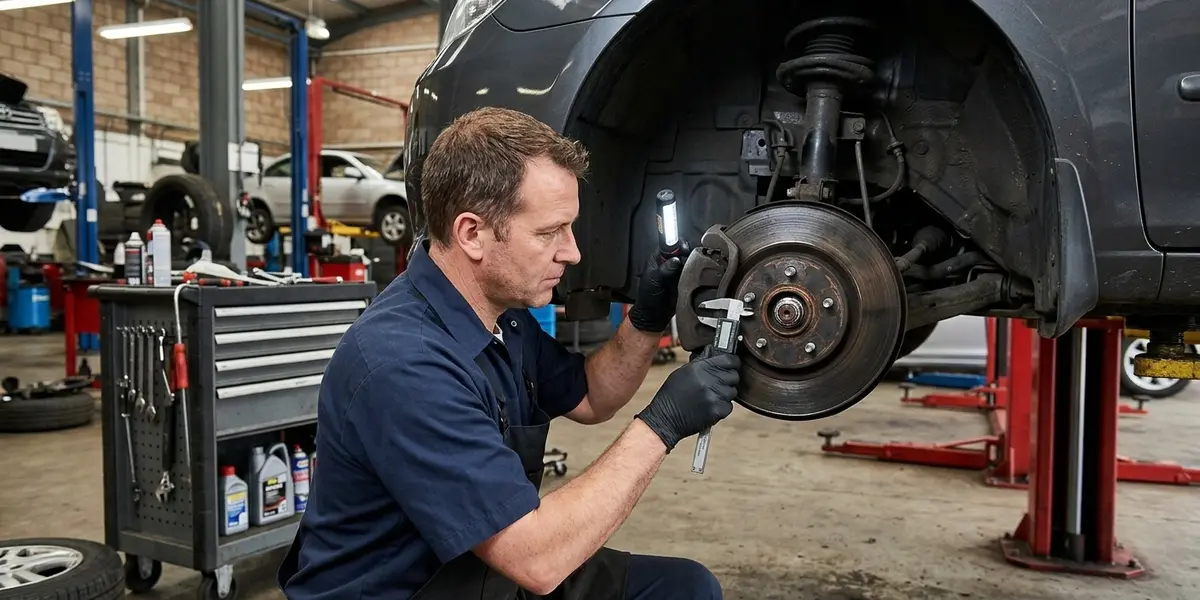
Squealing, grinding, vibration, a soft brake pedal, or pulling to one side can indicate a brake problem. Some vehicles may make a brief noise when the brakes are damp, so one sound alone doesn’t prove the pads are worn. Repeated noise or a noticeable change in braking deserves attention.
If the pedal feels unusually soft, the vehicle takes longer to stop, or a brake warning appears, stop somewhere safe and arrange professional help. Don’t assume that new brake pads will solve every problem. Rotors, calipers, brake fluid, and other components may also need inspection.
Brakes aren’t a good place to guess your way through a repair. If you don’t have the right tools and experience, paying a professional is usually the safer choice.
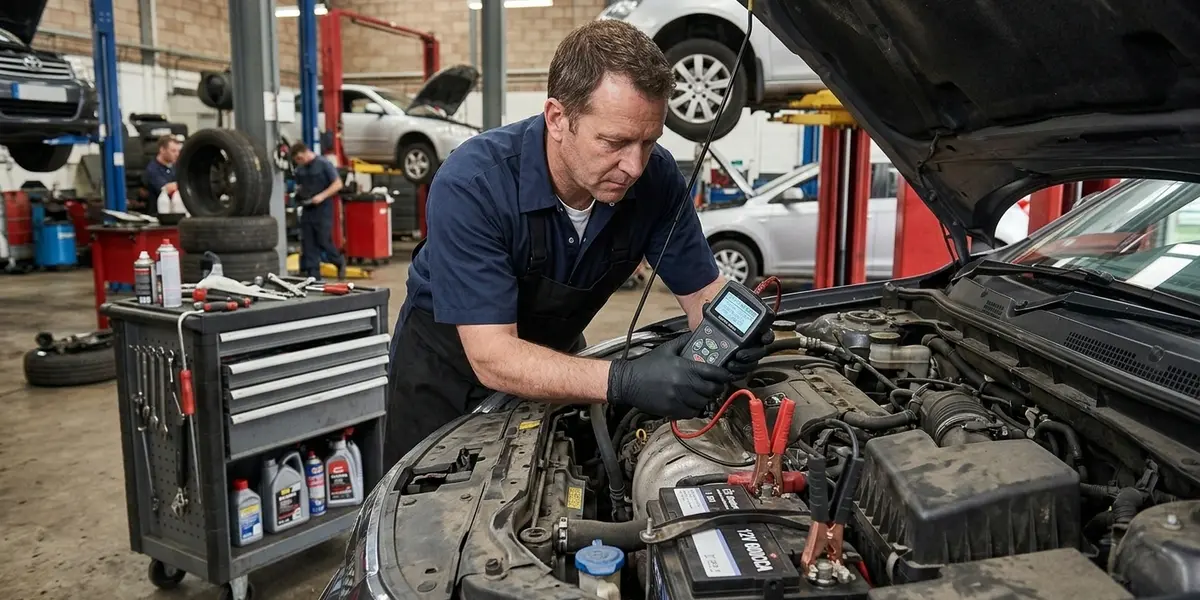
12. Test the battery, especially as it ages
Many conventional car batteries last around three to five years, although climate, driving habits, and battery type affect their lifespan. AAA, the American Automobile Association, identifies heat, time, and vibration as important factors in battery deterioration.
Watch for slow engine cranking, dim lights, repeated jump-starts, or corrosion around the terminals. These signs don’t prove the battery has failed, but they are good reasons to have the battery and charging system tested.
As the battery gets older, consider testing it more frequently, particularly before a season of extreme temperatures. A battery that fails unexpectedly can leave you stranded even if the car seemed fine the day before.
Don’t disconnect battery cables or handle a damaged, swollen, or leaking battery unless you know the correct safety procedure for your vehicle. Hybrid and electric vehicles also have high-voltage systems that require specialized care.
13. Test your lights every month
Check the headlights, brake lights, turn signals, reverse lights, and hazard lights. Ask someone to help you check the rear lights, or use a safe reflection to confirm that they work.
A failed bulb can reduce visibility or make your intentions less clear to other drivers. Replace bulbs with the correct type, and check the manual first. Some modern headlight assemblies are much more complicated than a simple bulb swap.
After replacing a bulb, test it again. If the new bulb doesn’t work, the problem could be a fuse, wiring, connector, or control module rather than the bulb itself. Replacing parts without checking the cause can waste money.
Car Maintenance Tips for SUVs and Trucks
Large vehicles often carry heavier loads and may tow trailers, travel on rough roads, or use four-wheel drive. Those conditions can change which maintenance tasks deserve the most attention.
14. Check tire load ratings and towing requirements
Don’t choose replacement tires based on size alone. Check the load rating and other specifications required for your vehicle, especially if you carry heavy cargo or tow a trailer.
Before towing, review the vehicle’s towing limits, trailer weight, tongue weight, tire pressures, and maintenance schedule. Towing can place extra demands on the engine, transmission, brakes, cooling system, and tires.
A vehicle’s advertised maximum towing figure doesn’t mean every trailer is safe at that weight. The actual limit depends on the vehicle’s configuration and the other loads you’re carrying. Check the figures for your exact vehicle rather than relying on a general number for the model.
15. Follow the service schedule for 4WD and AWD systems
Four-wheel-drive (4WD) and all-wheel-drive (AWD) systems may require maintenance of transfer cases, differentials, or other driveline components. The required fluids and service intervals vary by model.
Don’t assume these fluids last forever just because the vehicle feels normal. Check the manual for the required maintenance and pay attention to new whining noises, vibration, binding, or warning messages.
If you use your SUV or truck for towing, off-road driving, or frequent travel on dusty roads, ask a qualified shop whether your driving conditions call for a severe-service schedule.
Car Maintenance Tips for Electric Vehicles
Electric vehicles have fewer routine engine-related tasks because they don’t use engine oil or conventional engine air filters. They still need tire checks, brake inspections, working lights, cabin-filter replacement, and other model-specific service.
Tires deserve particular attention. Vehicle weight, instant torque, tire design, and driving style can all affect wear. Regenerative braking can reduce how often friction brakes are used, but it doesn’t mean the brakes can be ignored.
Always check your EV’s manual before cleaning or working near charging equipment, high-voltage components, or cooling systems. Leave high-voltage repairs to trained technicians.
Seasonal Car Maintenance Tips
Seasonal checks are useful when the weather changes, but you don’t need to pay for a special package just because summer or winter is approaching. Start with your manufacturer’s schedule and focus on anything the coming conditions could affect.
16. Prepare your car for winter
Cold weather can make a weak battery more noticeable. Have an aging battery tested before severe weather, inspect the wiper blades, and make sure the washer fluid is suitable for the temperatures you expect.
Check the coolant condition and freeze protection according to the manufacturer’s instructions. If winter tires are appropriate for your region, fit the correct set and check their pressure regularly.
Don’t wait until the first freezing morning to discover that the battery is weak or the wipers leave the windshield difficult to see through. A little preparation can save time when you need the car most.
17. Check cooling performance and tires in summer
Hot weather can place extra demands on the cooling system and air conditioning. Pay attention to temperature warnings, visible coolant leaks, and changes in cooling performance.
Tire pressure rises as tires warm during driving. Don’t release air from warm tires simply to bring the reading back to the cold-pressure figure. Check them when cold and use the manufacturer’s recommended pressure.
Consumer Reports advises following the manufacturer’s maintenance schedule rather than paying for unnecessary seasonal service packages. If your vehicle has a specific cooling-system or air-conditioning concern, though, have it checked rather than assuming everything is fine because the car still runs.
Car Maintenance Tips to Save Money
The cheapest repair is sometimes the one you catch early. A monthly check won’t prevent every failure, but it can help you notice worn wipers, a dirty cabin filter, or a weak battery before you’re forced to deal with the problem at an inconvenient time.
Which jobs can you do yourself?
| Task | Beginner-friendly? | What to check first |
| Replacing wiper blades | Usually | Correct blade size and attachment |
| Replacing a cabin air filter | Often | Access procedure and correct filter |
| Checking tire pressure | Yes | Door-jamb pressure label and cold tires |
| Checking oil level | Usually | Vehicle-specific checking procedure |
| Replacing an accessible bulb | Sometimes | Bulb type and access requirements |
| Replacing brake pads | Not recommended for most beginners | Correct tools, safe lifting, and brake-system knowledge |
| Diagnosing persistent warning lights | Usually needs professional help | Warning-light instructions and fault diagnosis |
| Working on high-voltage EV components | No | Qualified EV technician required |
DIY work isn’t always cheaper. Some jobs require special tools, awkward trim removal, or complicated access. A simple-looking task can become frustrating if you buy the wrong part or discover that half the assembly needs to come apart.
If you’re unsure, ask for a quote before starting. You can compare the parts cost with the labor charge and decide whether the job is worth doing yourself.
What could DIY maintenance save?
RepairPal, a US automotive repair-estimating service, published the following estimates on September 3, 2026. They offer a useful illustration of the costs involved in routine replacement jobs, but they’re professional replacement estimates, not guaranteed DIY savings.
| Job | RepairPal estimated total cost | Estimated labor portion |
| Cabin air filter replacement | 91–114 | 45–66 |
| Windshield wiper blade replacement | 101–123 | 34–50 |
| Headlight bulb replacement | 181–213 | 61–90 |
These are US estimates. Your actual costs may differ because of vehicle design, parts availability, taxes, fees, and local labor rates. Some vehicles also make routine replacements much easier than others.
The labor portion gives you a rough idea of what you might avoid paying if you can safely complete the job yourself. Your actual savings may be lower, especially if you need to buy tools or make a mistake.
Never attempt a repair just to save labor costs if you’re unsure how to do it safely. A mistake involving brakes, steering, suspension, lifting equipment, or high-voltage components can cost far more than professional labor.
Warning Signs You Shouldn’t Ignore
Some problems can wait until you arrange an appointment. Others mean you should stop driving. Knowing the difference can help protect both your vehicle and your safety.
A flashing check-engine light
A flashing check-engine light can indicate a serious engine misfire that may damage the catalytic converter. Reduce the risk by stopping somewhere safe and following the vehicle’s instructions. Don’t continue a long journey simply because the engine still runs.
A steady check-engine light also needs attention, even if the car seems normal. Arrange diagnosis promptly and consult the owner’s manual for your model’s guidance.
An overheating engine
If the temperature warning appears or the gauge moves into the danger zone, pull over safely and switch off the engine as directed by the manual. Don’t open a hot cooling-system cap. Pressurized coolant can cause severe burns.
Let the vehicle cool and arrange assistance if the cause isn’t clear. Continuing to drive an overheating engine can turn a cooling-system problem into serious engine damage.
A brake warning or change in pedal feel
A brake warning light, soft pedal, grinding noise, or sudden change in braking should never be brushed aside. If braking seems impaired, stop in a safe location and arrange professional assistance rather than trying to reach a repair shop at any cost.
An oil-pressure warning
An oil-pressure warning is different from a routine oil-change reminder. If it appears while the engine is running, stop safely and switch off the engine as soon as practical, following the manual’s instructions.
Continuing to run an engine with inadequate oil pressure can cause severe damage. Don’t assume adding oil will fix the problem. Check the level only when it’s safe to do so, and get the cause investigated before restarting or driving.
Your 5-Minute Monthly Car Check

Pick one day each month and make the check part of your routine. Do it with the vehicle parked on level ground, away from traffic.
- Check the tires. Look for obvious damage and use a gauge to check cold pressure. Normal means the readings match the manufacturer’s recommended figures, not simply that the tires look inflated.
- Look for new leaks. Check the ground beneath the parked vehicle. A new puddle or repeated fluid loss needs investigation.
- Check the lights. Confirm that the headlights, signals, brake lights, and hazard lights work. Ask someone to help with the rear lights.
- Look at the dashboard. Note any warning light that remains on or appears while driving. Normal means no unexplained warnings, not just that the car still starts.
- Check the service record. Confirm when the oil, filters, tire rotation, and next scheduled service are due.
You don’t need to open every reservoir or touch every component each month. Some checks require a particular engine temperature, vehicle position, or professional equipment, so follow the manual.
If you notice a problem, write it down and arrange the right help. The purpose of this five-minute check is to catch changes early, not to diagnose every fault yourself.
Conclusion: A Small Check Can Change What Happens Next
Think again about the driver facing that illustrative $900 repair estimate. The entire bill may not have been avoidable. Parts wear out, components fail, and some problems appear without much warning.
But the next visit could go differently. A monthly tire-pressure check might reveal a slow leak. A quick look at the maintenance record could stop an overdue service from being forgotten. Taking a warning light seriously might prevent a driver from making an existing problem worse.
That doesn’t mean you need to become your own mechanic. It means knowing enough about your vehicle to notice when something changes and to ask better questions when you need help.
Start with the five-minute check this month. Record what you find, follow the owner’s manual, and deal with warning signs before they become harder to explain. You don’t have to know everything about cars. You just have to stop ignoring the small things that are trying to tell you something.
Frequently Asked Questions
1. What are the most important car maintenance tips?
Check tire pressure, oil levels, lights, and warning signs regularly. Follow your owner’s manual and keep service records.
2. How often should I service my car?
Follow the maintenance schedule in your owner’s manual. Service needs depend on your vehicle and driving conditions.
3. How often should I change my oil?
Follow your manufacturer’s recommended interval or oil-life monitor. Don’t rely on the old 3,000-mile rule for every car.
4. How can I make my car last longer?
Keep up with scheduled maintenance, use the correct fluids, and fix problems before they become more serious.
5. What maintenance does a car need every month?
Check tire pressure, tire condition, lights, visible leaks, and dashboard warnings. Review your next scheduled service, too.
6. Is it worth doing car maintenance myself?
Yes, simple jobs like checking tire pressure and replacing wiper blades can save money. Leave safety-critical repairs to qualified professionals.
7. How do I know when my brakes need replacing?
Grinding, persistent squealing, vibration, or changes in pedal feel can signal brake problems. Have the system inspected promptly.
8. What should I do before a long road trip?
Check tires, lights, wipers, fluid levels, and service records. Address warning lights or unusual noises before leaving.
9. Does skipping maintenance void the warranty?
Not automatically in every case, but neglect may affect coverage for related damage. Check your warranty terms and keep service records.
10. What maintenance does an electric car need?
Electric cars need tire checks, brake inspections, working lights, cabin-filter changes, and model-specific servicing. Leave high-voltage repairs to trained technicians.

