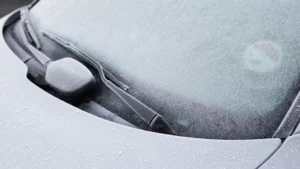
You step outside on a freezing morning and see your car covered in ice. The windshield is opaque, the wipers are stuck, and the tires have lost pressure after a sharp temperature drop. You are already late, but driving now would be a mistake.
The solution is not simply to clear one small patch of glass and leave. You need full visibility, proper tire pressure, enough traction, and a vehicle ready for cold conditions.
Car ice creates problems both while your vehicle is parked and once you reach the road. Here is how to deal with frozen glass, icy roads, weak batteries, poor traction, and other winter problems without adding unnecessary risk.
AI Overview: What Should You Do When Your Car Is Covered in Ice?
Clear all snow and ice from the windshield, windows, mirrors, lights, wipers, and roof before driving. Use the defroster and a suitable ice scraper rather than unsafe shortcuts. On icy roads, reduce speed, increase your following distance, and avoid sudden braking, acceleration, or steering. If conditions are severe enough to make control uncertain, delaying the trip may be the safest choice.
Key Takeaways
- Ice can reduce tire-to-road friction from about 0.7 on dry pavement to roughly 0.1–0.3.
- Stopping distances can become three to 10 times longer on ice, according to SGI.
- Clear every window, mirror, light, and the roof before driving.
- If your car has ABS, use firm, continuous pressure rather than pumping the brakes.
- Increase following distance to about 8–10 seconds on icy roads.
- Cold weather can reduce battery capacity and tire pressure.
- Winter tires can provide substantially better ice braking than all-season tires.
How Do You Safely Remove Ice From a Car?
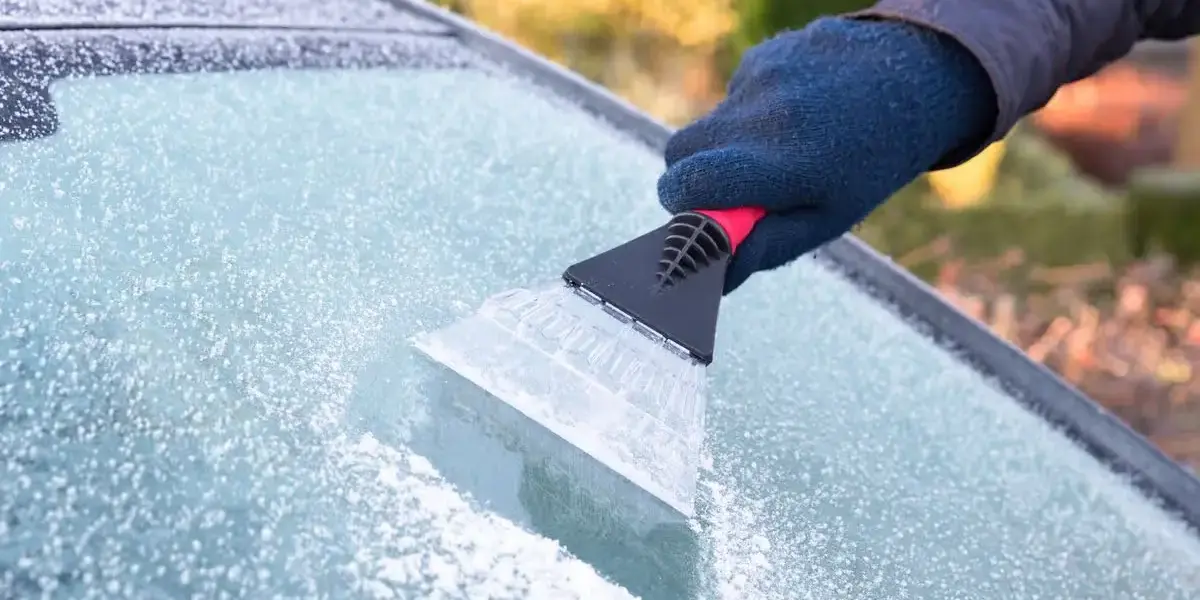
To safely remove car ice, start the defroster, brush away loose snow, and use a proper ice scraper on the windshield and windows. Clear the mirrors, lights, wipers, and roof as well. Do not drive with only a small section of glass cleared. Wait until you have full visibility and the vehicle is ready for the road.
15+ Common Car Ice and Winter Driving Problems
1. Frozen Windshield
A frozen windshield is more than an inconvenience. It can completely block your view of traffic, pedestrians, signs, and road conditions.
Use the vehicle’s defroster and carefully remove loosened ice. Do not drive until the windshield is fully clear.
2. Ice on Side Windows and Mirrors
Your windshield may be clear while your side windows and mirrors remain frozen. That still creates a serious visibility problem.
Clear them before moving. You need to see beside and behind the vehicle, not just through the windshield.
3. Frozen Windshield Wipers
Frozen wipers can stick firmly to the glass. Forcing them can damage the blades.
Free the ice first, then use the wipers. Winter-rated blades and washer fluid can also help maintain visibility in freezing conditions.
4. Frozen Car Doors and Locks
Moisture can freeze around doors and locks. Pulling harder is not necessarily the answer.
Avoid forcing a frozen door. Preventing moisture from freezing in the first place is safer than trying to overpower it.
5. Ice on the Roof
Roof ice and snow can become loose as you drive. It may slide onto your windshield or create a hazard for other road users.
Clear the roof before leaving, along with the hood, lights, and other exposed surfaces.
6. Frozen Headlights and Taillights
Ice and snow can cover lighting surfaces and reduce how well other drivers can see you.
Clear both headlights and taillights before driving. Visibility works both ways: you need to see others, and they need to see you.
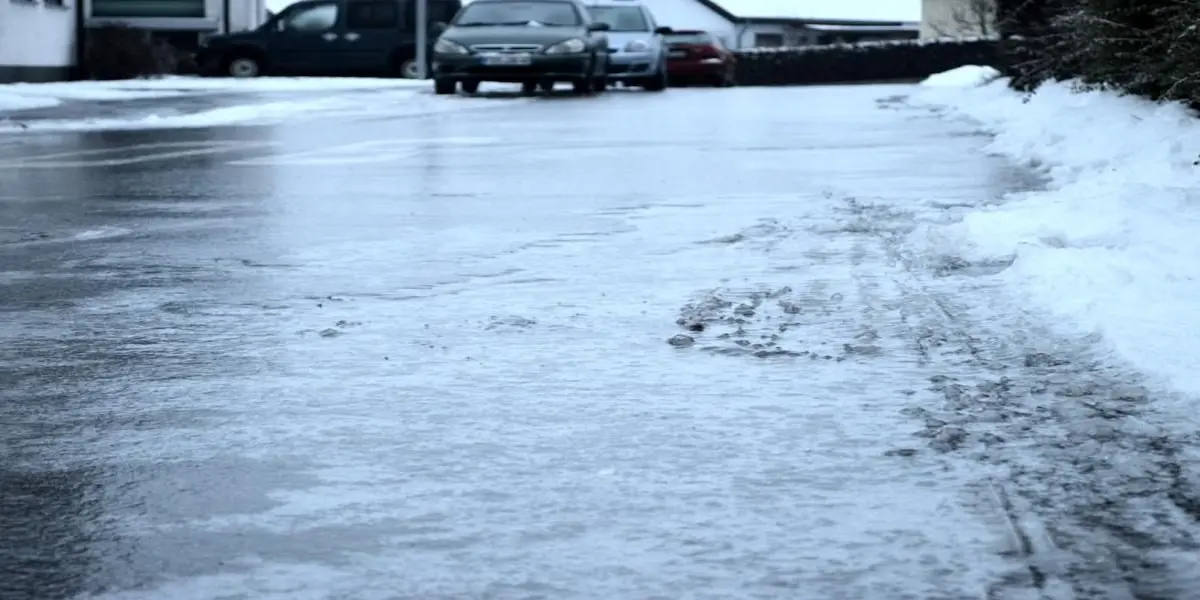
7. Black Ice on the Road
Black ice is especially dangerous because it can blend into the pavement. Drivers may not realize the road is slippery until the vehicle starts losing traction.
Bridges and overpasses deserve extra attention because they can freeze before nearby ground-level roads.
8. Longer Stopping Distance
Ice dramatically changes how your vehicle responds to braking.
SGI reports that stopping distances can increase by 3–10 times compared with dry pavement. That means you need to anticipate stops much earlier instead of relying on normal dry-road distances.
9. Skidding
A skid can begin before you realize how little traction is available.
If the vehicle starts sliding, stay calm, ease off the accelerator, and make smooth steering corrections. Avoid sudden braking or steering inputs that can make the loss of control worse.
10. Low Tire Pressure
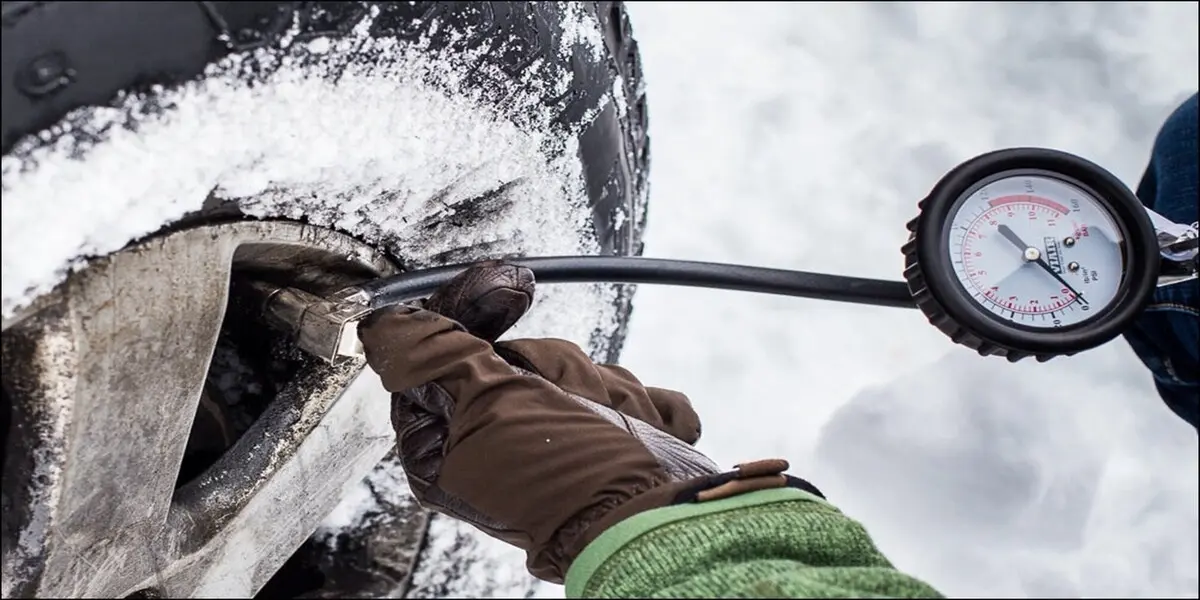
Cold air can reduce tire pressure. NHTSA guidance cited in the research indicates that pressure can fall by roughly 1 psi for every 10°F temperature drop.
Check tire pressure after major temperature changes and keep it at the vehicle manufacturer’s recommended level.
11. Weak or Dead Battery
Cold temperatures reduce battery capacity while making the engine harder to start. A weak battery may work during mild weather and fail when temperatures fall sharply.
If your battery is already showing signs of weakness, winter is a poor time to ignore it.
12. Frozen or Incorrect Washer Fluid
A frozen washer system can leave you unable to clean road spray and grime from the windshield.
Use washer fluid appropriate for freezing conditions. The research cites winter-rated fluid designed to remain usable at temperatures around -35°C and below.
13. Reduced Tire Traction
Tires are your primary connection to the road. Cold conditions, snow, ice, and worn tread can all make maintaining traction harder.
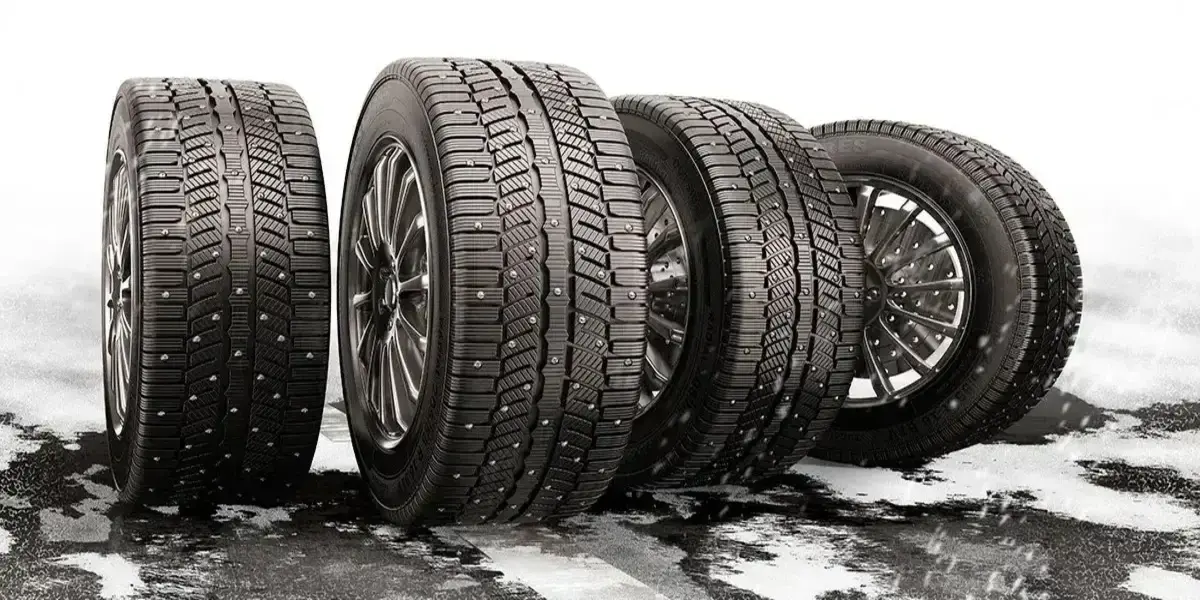
Winter tires use softer compounds and tread features designed for cold conditions. The supplied research reports 20–30% shorter ice stopping distances compared with alternatives discussed in the report.
14. Snow and Ice Blocking Visibility
Snow and ice should not be treated as a cosmetic problem.
Clear the windshield, side windows, mirrors, lights, and roof. A small opening in the windshield is not enough for safe visibility.
15. Freezing Rain
Freezing rain can rapidly create an icy driving surface. Conditions can change faster than you expect.
When freezing rain is present, slow down, increase space around your vehicle, and consider whether the trip can safely wait.
16. Cold-Weather Engine and Fluid Problems
Cold conditions affect more than the glass and tires. Battery performance, coolant, washer fluid, and other vehicle systems all deserve attention before winter driving.
A short pre-winter inspection can identify problems before they become roadside problems.
17. Hidden Ice on Familiar Roads
Knowing the road does not mean knowing its traction.
Shaded areas, bridges, overpasses, and other exposed surfaces can freeze unexpectedly. Familiar roads still require winter driving discipline.
How Does Ice Affect Your Car’s Stopping Distance?
Ice reduces the friction available between your tires and the road. The research places dry-pavement friction around 0.7–1.0, compared with approximately 0.1–0.3 on ice.
That difference matters when you brake. A vehicle that stops normally on dry pavement may need dramatically more space on ice.
The supplied research reports stopping distances increasing by 3–10 times on ice, while one cited analysis gives an example of roughly 140 feet on dry pavement versus about 600–720 feet on ice at 60 mph.
The practical lesson is simple: do not wait until the last moment to brake.
How to Brake Safely on Icy Roads
If your vehicle has ABS, press the brake firmly and hold the pressure rather than pumping the pedal. ABS is designed to prevent wheel lockup and preserve some steering control.
However, ABS cannot defeat the physics of ice. The research specifically notes that ABS does not automatically shorten stopping distances on icy surfaces.
Brake earlier, leave more room, and avoid sudden inputs.
How Far Should You Follow Another Car on Ice?
On dry roads, the research gives a typical following gap of about three to four seconds. On ice, it recommends increasing that distance to roughly 8–10 seconds.
That extra space gives you more time to react if the vehicle ahead brakes or loses traction.
It is one of the simplest winter driving tips to apply because it costs nothing and does not require special equipment.
Winter Tires vs. All-Season Tires
| Option | Main advantage | Main limitation |
| Winter tires | Better cold-weather and ice traction | Higher cost and seasonal change |
| All-season tires | Convenient for moderate conditions | Less suitable for frequent severe winter conditions |
| Snow chains/socks | Strong traction in extreme snow conditions | Need removal on clear roads and speed restrictions |
| No winter preparation | No upfront preparation | Greater traction and safety risk |
The research reports that winter tires can provide 20–30% better ice braking and remain more pliable in cold conditions.
They are most relevant for drivers who regularly face snow and ice. Chains or socks are more suited to extreme conditions such as deep snow and mountain passes.
If you are considering a product or service, the right choice depends on your climate, road conditions, vehicle, and local requirements. Do not assume the most expensive option is automatically the best one.
Who Should Consider Winter Tires?
Winter tires make the most sense if you regularly drive in areas with frequent snow and ice.
They are less compelling for someone who rarely encounters severe winter conditions, particularly where roads are quickly cleared and winter weather is mild.
Your local climate and driving pattern matter more than simply owning a particular type of tire.
Common Winter Driving Mistakes to Avoid
Driving with a Small Clear Patch
Never treat a small opening in an iced windshield as sufficient visibility. Clear the entire windshield and surrounding glass.
Keeping Normal Following Distance
A normal dry-road gap does not provide enough margin when traction is poor. Increase it substantially on icy roads.
Pumping ABS Brakes
If ABS is active, do not repeatedly pump the brake pedal. Hold firm pressure and allow the system to work.
Using Cruise Control on Ice
AccuWeather’s winter-driving guidance advises against cruise control in winter conditions because it cannot respond appropriately to sudden ice patches or wheel spin.
Ignoring the Roof
Clearing only the windshield leaves loose snow and ice that can move while driving. Clear the roof as well.
Driving at Summer Speeds
Cold-weather roads do not provide the same traction as dry pavement. Your normal speed may be inappropriate when ice is present.
A 5-Minute Car Ice Check Before You Drive
Before leaving, run through this quick sequence:
- Clear the windshield completely.
- Clear side windows and mirrors.
- Remove snow and ice from the roof.
- Clear headlights and taillights.
- Make sure the wipers are free.
- Check tire pressure after a major temperature drop.
- Confirm the defroster and washer system are usable.
- Check road and weather conditions.
- Increase your following distance before you encounter ice.
- Decide whether conditions are safe enough to travel.
This small routine catches many of the problems that become dangerous only after you are already moving.
What Should You Keep in Your Car for Winter?
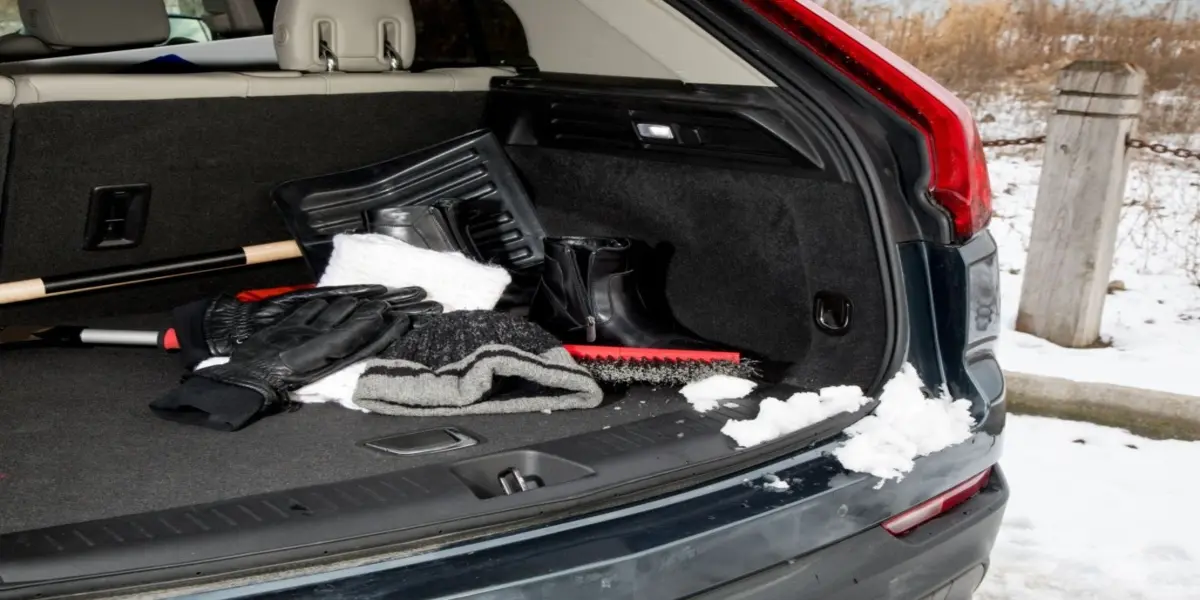
A useful winter emergency kit can include:
- Shovel
- Sand or another traction aid
- Blankets
- Flashlight
- Phone charger
- First-aid kit
- Water and snacks
- Jumper cables
The supplied NHTSA-based research specifically recommends these types of supplies for winter preparedness.
The point is not to prepare for every possible emergency. It is to have basic equipment available if snow or ice leaves you stranded.
How to Prevent Car Ice Problems Overnight
You cannot control the weather, but you can reduce the morning headache.
Use a windshield cover where practical, park in a sheltered location when available, and avoid leaving wipers frozen against the glass.
Before severe cold arrives, check your tires, battery, coolant, washer fluid, and brakes. A little preparation is easier than discovering a weak battery or low tire pressure when you are already late.
What Should You Do If Your Car Starts Sliding on Ice?
Take your foot off the accelerator and avoid sudden braking. Steer gently in the direction you want the vehicle to travel and allow the car to slow before making further corrections.
The goal is to regain control smoothly rather than reacting with a violent steering or braking movement.
If the road remains dangerously slippery, continuing the trip may not be worth the risk.
An Overlooked Problem: Ice Changes Your Normal Driving Habits
The biggest winter mistake may not be mechanical at all.
A modern car can have ABS, electronic stability control, traction control, and good tires, but those systems cannot make an icy road behave like dry pavement.
The research notes that driver overconfidence remains a major concern. Technology helps you manage reduced traction; it does not remove the need for slower speeds, longer gaps, and earlier decisions.
What About Electric Cars in Winter?
Electric vehicles face a different cold-weather challenge: range.
The supplied research reports that EVs can lose roughly 20–40% of range in cold conditions. Pre-conditioning while plugged in, maintaining a healthy charge, and using sheltered parking where possible can help manage the effect.
This does not mean an EV cannot handle winter. It means cold-weather planning needs to include energy management as well as traction and visibility.
Winter Driving Facts You Should Know
The scale of winter risk is easy to underestimate.
NHTSA data cited in the research recorded 320 fatal crashes and about 22,293 injury crashes in U.S. snow/sleet conditions during 2023.
The research also cites an estimate of around 500,000 winter-related crashes and more than 2,000 deaths annually in the U.S.
These numbers do not mean every icy trip is dangerous. They show why small decisions, clear glass, proper tires, extra space, and lower speeds, matter.
Conclusion: Give Ice More Respect Than Your Clock
That frozen windshield on a cold morning can feel like a small inconvenience, especially when you are already late. But the real problem begins when you treat ice as something you can work around instead of something that changes how your car behaves.
Clear the glass completely. Free the wipers. Check your tires and battery. Give yourself much more stopping space, and slow down when the road is icy.
Modern safety systems can help, but they cannot change the road beneath your tires. Good car ice preparation is ultimately about giving yourself enough visibility, traction, and time to make the next decision safely.
On a winter morning, arriving a little late is far better than discovering too late that the road was never going to forgive a rushed decision.
Frequently Asked Questions About Car Ice
What is black ice, and why is it so dangerous?
Black ice is a thin, transparent layer that can blend into the pavement. It is dangerous because you may not see it before your tires lose traction.
The research places black-ice friction below 0.1, making sudden loss of control possible.
How much does stopping distance increase on ice?
Stopping distance can become roughly 3–10 times longer than on dry pavement, according to SGI and the supplied research.
One cited example estimates about 140 feet on dry pavement versus approximately 600–720 feet on ice at 60 mph. The exact distance varies with conditions, vehicle, tires, and speed.
Should I use winter tires or all-season tires?
Winter tires are recommended in areas with frequent snow and ice because their compounds and tread are designed for cold conditions.
The supplied research reports approximately 20–30% shorter ice stopping distances for winter tires in the comparison provided.
How do I brake safely on ice?
Brake early and smoothly. If your vehicle has ABS, press firmly and hold rather than pumping the pedal.
Remember that ABS helps prevent wheel lockup and preserve steering control, but it cannot eliminate the longer stopping distance created by ice.
What should I do if I start to skid on ice?
Ease off the accelerator and avoid slamming the brakes. Steer gently in the direction you want to travel and allow the vehicle to slow before making further corrections.
The most important thing is to avoid a panicked, sudden steering or braking response.
How far should I follow another car on icy roads?
The supplied research recommends increasing your following gap to approximately 8–10 seconds, compared with about three to four seconds on dry roads.
The extra space gives you more time to react and stop when traction is poor.
How does cold weather affect my car battery?
Cold weather reduces battery capacity and makes the engine harder to start. A weak battery can fail when temperatures drop sharply.
Checking battery condition before winter can prevent an inconvenient breakdown.
Should you use cruise control in winter?
AccuWeather’s winter-driving guidance recommends avoiding cruise control in winter conditions.
Cruise control cannot respond appropriately to sudden ice patches or unexpected wheel spin, so maintaining direct control of speed is safer.