You park your car, turn off the engine, and notice it immediately: a strong gasoline smell. You look underneath but see no puddle. Now you are wondering, “Why does my car smell like gas, and is it safe to drive?”
A brief smell after refueling can come from a spill or fuel vapor. But a strong, persistent, or unexplained gasoline odor can point to a fuel leak, EVAP problem, injector issue, or engine problem. Gasoline evaporates easily, so you may not always see a liquid leak.
Key Takeaways
- A short-lived gas smell after filling up may come from spilled fuel.
- A loose gas cap can allow fuel vapor to escape.
- Fuel lines, tanks, injectors, and EVAP components can also cause gasoline odor.
- No visible puddle does not rule out a fuel-vapor leak.
- Strong fumes, visible fuel, or gasoline smell inside the cabin should be taken seriously.
Is It Normal for a Car to Smell Like Gas?
A brief gasoline odor immediately after refueling can happen because fuel spills or vapors escape during filling. Gasoline is volatile and evaporates readily.
However, a strong smell that continues after refueling is not something to simply ignore. It may indicate a fuel-system, EVAP, engine, or exhaust problem.
The key clues are where you smell it, when you smell it, how strong it is, and whether other symptoms appear.
15+ Possible Causes of a Gas Smell in Your Car
1. Recent Fuel Spill
The simplest explanation may be spilled gasoline around the filler area during refueling. If the smell started immediately after filling up and gradually disappears, a small spill may be responsible.
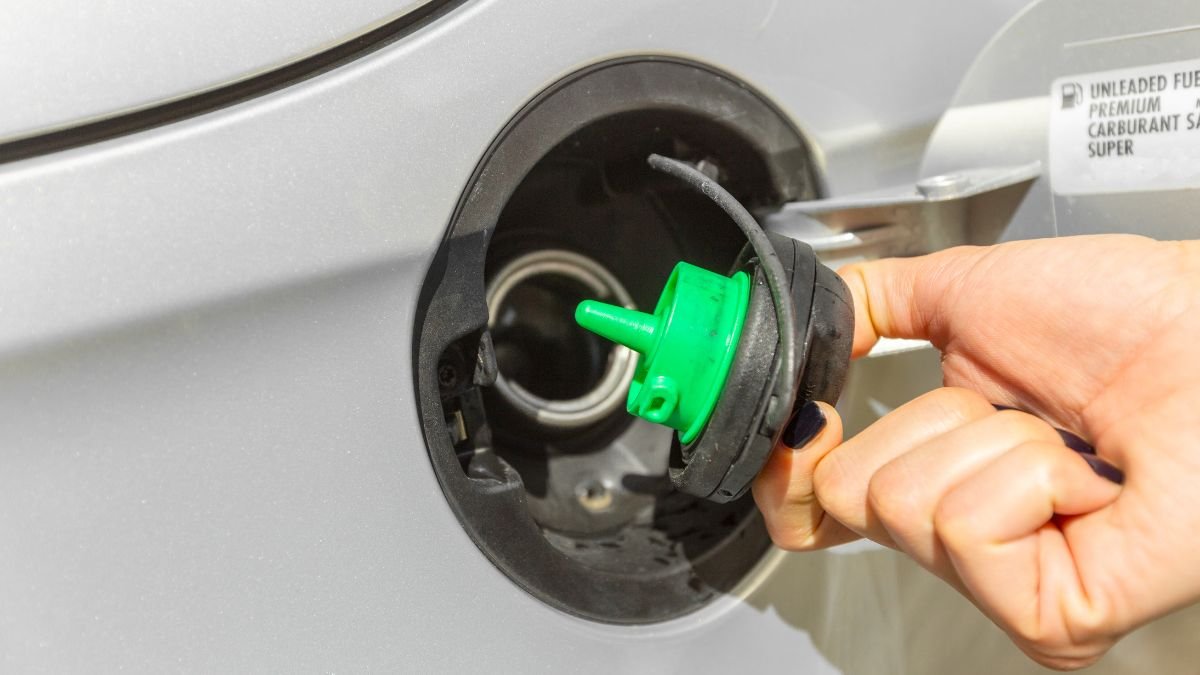
2. Loose or Damaged Gas Cap
A gas cap that is loose, cracked, or has a damaged seal can allow fuel vapor to escape. It may also trigger a check-engine light on some vehicles.
3. Overfilled Fuel Tank
Continuing to pump after the nozzle automatically stops can push fuel where it should not go. EPA guidance has long advised against topping off the tank.
4. Fuel Line Leak
Fuel lines carry gasoline between the tank and engine. A damaged or deteriorated line can allow fuel to seep or leak, creating a gasoline odor and potentially a more serious problem.
5. Fuel Tank Leak
A damaged or corroded fuel tank can leak gasoline, particularly around the rear of the vehicle. A visible wet spot or fuel puddle makes this more urgent.
6. Fuel Filler Neck or Seal Problem
The filler neck connects the fuel door area to the tank. A damaged neck, hose, or seal can release gasoline vapor, especially after filling up.
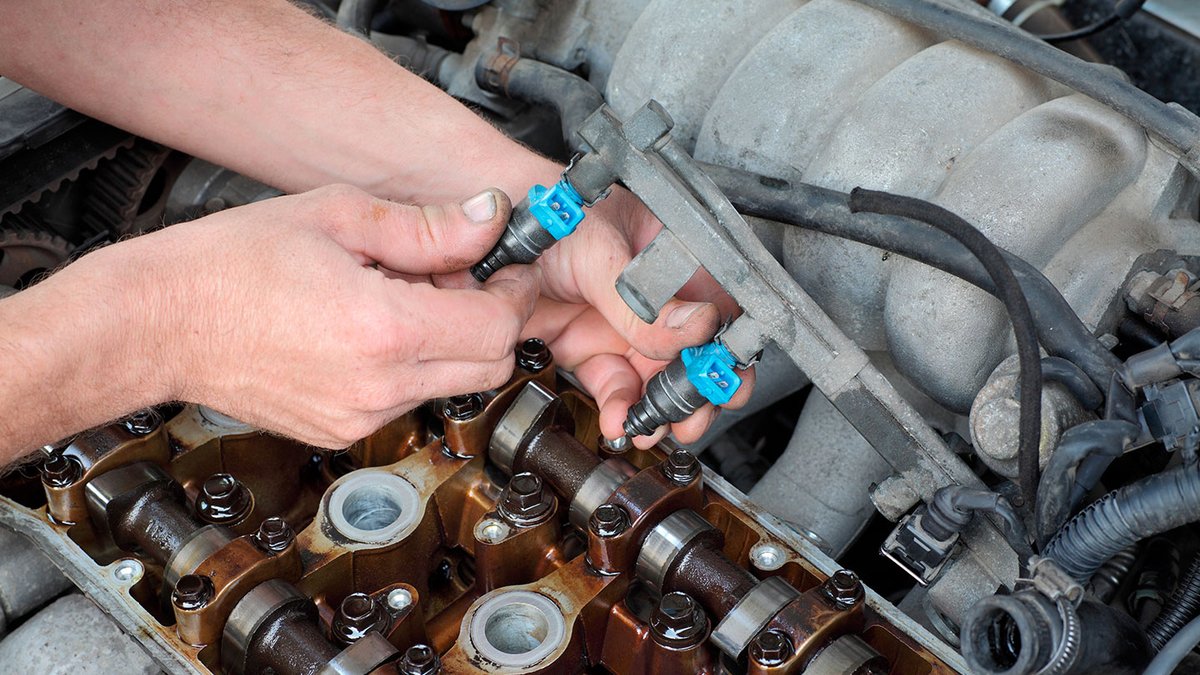
7. Leaking Fuel Injector
A fuel injector that leaks externally or does not seal correctly can produce a gas smell around the engine. Rough running or poor engine performance may appear at the same time.
8. Fuel Rail or Pressure Component Leak
Fuel rails and related pressure components can develop leaks or seal problems. Because these parts are located in the engine area, the smell may be strongest under the hood.
9. EVAP System Leak
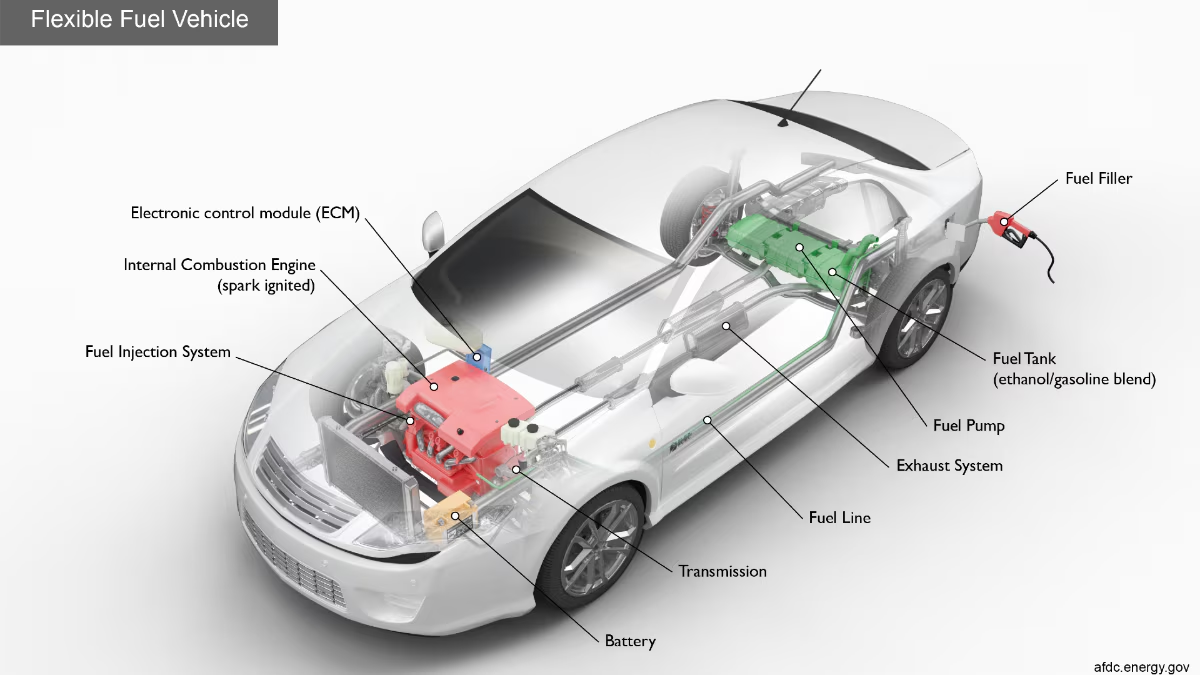
The evaporative-emissions system captures and manages gasoline vapors rather than allowing them to escape freely. A cracked vapor line, loose connection, or other EVAP fault can produce a gasoline odor without an obvious puddle.
10. Faulty Purge or Vent Valve
The purge and vent components control how fuel vapors move through the EVAP system. A fault can cause unusual fuel-vapor behavior and may also trigger an emissions-related warning.
11. Damaged Charcoal Canister or Vapor Line
The EVAP system uses an activated-charcoal canister to capture fuel vapors. Damaged vapor lines or a problem with the canister can allow gasoline fumes to escape.
12. Rich Fuel Mixture
An engine running with too much fuel compared with air can produce a gasoline-like odor. Other clues may include poor fuel economy, rough running, or a check-engine light.
13. Engine Misfire or Unburned Fuel
A misfiring engine may fail to burn fuel properly. Unburned fuel can contribute to a gasoline smell, particularly around the exhaust.
14. Exhaust Leak
Sometimes what smells like gasoline is actually exhaust containing unburned fuel or fumes. If exhaust odor is entering the cabin, the problem deserves prompt attention.
15. Fuel-Pressure or Engine-Control Problem
Problems involving fuel pressure or engine-control components can disturb the air-fuel balance. The result may be poor combustion, fuel odor, rough running, or warning lights.
16. Heat-Related Fuel Vapor After Parking
A smell that becomes noticeable after shutting off a hot engine can sometimes involve fuel vapor. Heat can increase fuel-tank vapor formation, so a small vapor-system problem may become more noticeable after parking.
17. Another Automotive Odor Mistaken for Gasoline
Not every strong vehicle odor is gasoline. Exhaust, oil, coolant, or other automotive smells can be confused with fuel. If you cannot identify the odor confidently, treat a strong gasoline-like smell cautiously rather than assuming it is harmless.
Where Do You Smell the Gas?
The location can help narrow down the possible source.
| Where you smell it | Possible causes | Priority |
| Inside the cabin | Fuel leak, EVAP vapor, exhaust fumes | High |
| Under the hood | Injector, fuel line, fuel rail, pressure component | High |
| Near the rear | Fuel tank, filler neck, EVAP system | Medium–High |
| Near the fuel cap | Loose cap, spill, vapor leak | Low–Medium if brief |
| Near the tailpipe | Rich mixture, unburned fuel, exhaust issue | Medium–High |
A smell inside the cabin deserves particular attention because you are directly exposed to the fumes. Do not assume that the absence of a visible leak means there is no problem.
When Does Your Car Smell Like Gas?
After Filling Up
Think first about a fuel spill, loose gas cap, filler-neck problem, or EVAP issue. If the odor quickly disappears after a small spill is cleaned and the cap is secure, the cause may be simple.
While Driving
A gasoline smell that appears while driving can point toward a fuel-system, EVAP, engine, or exhaust issue. If the odor is strong or gets worse, do not keep driving simply to see whether it disappears.
When Parked
If the smell appears after parking, fuel vapor or a small seepage problem may become easier to notice. A persistent odor after shutdown deserves inspection.
At Startup
A gasoline smell at startup may be related to fuel delivery, injectors, a rich mixture, or incomplete combustion. If the engine also runs rough, stalls, or shows a warning light, professional diagnosis is advisable.
When the Engine Is Hot
Heat can increase fuel-vapor formation. That can make an existing vapor-system problem more noticeable after driving or when the vehicle is parked.
Why Does My Car Smell Like Gas but Have No Visible Leak?
Gasoline can evaporate quickly, so a fuel-related problem does not always leave a puddle. Fuel vapor may escape through an EVAP-system fault, damaged vapor line, gas-cap seal, or another small leak.
A small injector or fuel-line seepage can also be difficult to spot.
That is why “I don’t see a leak” does not automatically mean the car is safe. If the smell is strong, persistent, or appears inside the cabin, have the vehicle checked.
Is It Safe to Drive a Car That Smells Like Gas?
It depends on the situation, but you should not ignore a strong or persistent gasoline smell.
| Situation | What to do |
| Brief odor immediately after refueling | Check for a spill and make sure the cap is secure |
| Smell disappears after a small spill | Monitor for any return of the odor |
| Persistent gasoline smell | Arrange an inspection |
| Strong smell inside cabin | Avoid continued driving and seek professional help |
| Visible fuel or dripping | Do not drive; arrange appropriate assistance |
| Gas smell plus rough running or warning lights | Stop driving if the symptoms are significant and have it diagnosed |
Fuel leaks can create serious safety concerns. Vehicle recalls documented by NHTSA have included fuel leaks where fuel odor and liquid fuel were warning signs.
If you see active fuel leaking, do not try to diagnose the source with a flame, heat, or other unsafe method.
What Should You Check First?
You can start with a few safe observations without taking apart the fuel system.
- Identify when the smell started. Was it after filling up, driving, parking, or starting the engine?
- Check the gas cap. Make sure it is properly closed and not obviously damaged.
- Look for obvious signs of fuel. From a safe position, check for fresh wet spots, stains, or dripping. Do not touch suspected fuel.
- Identify where the smell is strongest. Note whether it is inside the cabin, under the hood, near the rear, or around the exhaust.
- Check the dashboard. A check-engine light can provide an important clue.
- Decide whether professional diagnosis is needed. A persistent or strong odor should not be treated as a normal characteristic of the vehicle.
When Does a Gas Smell Need Professional Diagnosis?
Professional inspection is the right next step when the odor continues, becomes stronger, or has no obvious harmless explanation.
A technician may use an OBD-II scan, inspect fuel-system components, or perform appropriate EVAP testing. Smoke testing can also help locate certain vapor leaks that are difficult to see.
The important point is that a gasoline odor alone cannot identify one exact failed component. Several problems can produce similar symptoms.
What to Do If Your Car Smells Like Gas
If your car smells like gas, don’t jump straight to the worst-case diagnosis, but don’t dismiss it either.
Start with the simple clues: when the smell happens, where it is strongest, whether you recently refueled, and whether you see any signs of fuel.
A brief odor after a spill may disappear. But a persistent smell can involve the fuel system, EVAP system, engine, or exhaust. If you notice strong fumes, visible fuel, or gasoline odor inside the cabin, prioritize safety and get the vehicle professionally inspected.
The most useful rule is simple: if you cannot explain the gasoline smell and it keeps coming back, find the cause before continuing to drive normally.
Frequently Asked Questions
Why does my car smell like gas but have no leak?
Gasoline vapor can escape through an EVAP fault, gas-cap seal, vapor line, or small fuel-system seepage without leaving an obvious puddle. The absence of visible fuel does not completely rule out a leak.
Why does my car smell like gas after filling up?
A small fuel spill, loose gas cap, filler-neck problem, overfilling, or EVAP issue can cause an odor after refueling. If the smell persists after a spill has evaporated, have the vehicle checked.
Is it safe to drive if my car smells like gas?
A brief smell after refueling may have a simple explanation. A strong, persistent odor, visible fuel, cabin fumes, or worsening engine symptoms are reasons to avoid continued driving and seek professional assistance.
Why does my car smell like gas when parked?
Fuel vapor, a small fuel-system seepage problem, or an EVAP fault can become noticeable after parking. If the smell continues or becomes stronger, professional inspection is appropriate.
Why does my car smell like gas inside?
Possible causes include fuel vapor entering the cabin, a fuel-system leak, or exhaust fumes. Because the smell is inside the passenger area, persistent fumes should be treated seriously.
Can a bad gas cap cause a gas smell?
Yes. A loose, damaged, or poorly sealing gas cap can allow fuel vapor to escape. It may also contribute to an emissions-related warning light on some vehicles.
Can an EVAP leak make my car smell like gas?
Yes. The EVAP system manages gasoline vapors, so a damaged line, seal, valve, or other component can allow fuel vapor to escape and create a gasoline odor.
When should I take my car to a mechanic for a gas smell?
Have it inspected when the smell is strong, persistent, unexplained, returns repeatedly, occurs inside the cabin, or appears with visible fuel, rough running, or warning lights.