The Corolla looked perfect at first.
The paint was clean, the interior was well-kept, and the seller confidently pointed to the low odometer reading. On a quick look, it seemed like an easy decision.
But a closer inspection told a different story. There were signs of previous bodywork, worn suspension components, and details that did not fully match the claimed mileage.
That is the problem with buying a used Corolla. A clean-looking car is not always a well-maintained car.
Whether you’re buying a used Toyota Corolla for daily driving, family use, or resale, the important question isn’t simply, “Which Corolla should I buy?”
It is “Is this particular Corolla worth my money?”
This guide covers the checks that matter before you make an offer, including mileage, service history, engine, transmission, CVT, accident damage, documents, test drive, price, and the warning signs that should make you walk away.
Used Corolla Buying Guide: Quick Answer
A good used Corolla should have verifiable mileage, a healthy engine and transmission, no serious structural accident damage, consistent service history, valid documents, and a price that matches its actual condition.
Don’t choose a Corolla only because it is newer or has a low odometer reading. A well-maintained older car can be a better purchase than a newer example with hidden mechanical or accident problems.
Before paying, inspect the car independently, compare it with similar listings, and account for any repairs you will need immediately.
Key Takeaways Before Buying a Used Corolla
- Check the engine and transmission before focusing on appearance.
- Don’t trust the odometer alone; compare mileage with physical wear and records.
- Look for repainted panels, filler, uneven gaps, and structural repairs.
- Test the suspension, brakes, tyres, AC, electronics, and warning lights.
- Match the chassis/VIN and ownership information with the documents.
- Compare the asking price with similar used Toyota Corolla cars.
- Get an independent inspection before making the final payment.
- Be prepared to walk away when the car, paperwork, or seller raises serious concerns.
What Makes a Used Corolla Worth Buying?
Not every used Corolla offers the same value. Two cars from the same model year can have very different conditions and prices.
The best example is usually not the cheapest one or the one showing the lowest mileage. It is the car with the best combination of condition, history, maintenance, and price.
Overall Condition
Start by looking at the entire vehicle rather than one attractive feature.
A Corolla with clean paint can still have mechanical problems. Likewise, a car with a few repainted panels is not automatically a bad purchase if the repairs were cosmetic and properly completed.
Look at the car as a complete package.
Genuine Mileage
Mileage can help you understand how much a vehicle has been used, but the odometer should never be your only evidence.
Compare the displayed mileage with:
- Steering-wheel condition
- Pedal wear
- Driver-seat wear
- Gear selector or gear knob
- Service records
- Previous maintenance records
If a car claims unusually low mileage but shows heavy interior wear, investigate before accepting the seller’s claim.
Service History
A properly maintained Corolla can be more attractive than a newer car with an unknown history.
Look for evidence of regular servicing and major maintenance. Receipts, workshop records, service stickers, and previous inspection reports can help establish whether the vehicle was actually maintained as claimed.
A seller who can clearly explain the car’s maintenance history gives you more information than someone relying only on verbal promises.
Accident and Structural History
Not every repaired panel should scare you away.
A bumper or fender may have been repainted after minor damage. The bigger concern is structural damage that affects the vehicle’s underlying body or chassis.
Check panel gaps, paint consistency, welds, and structural areas carefully.
If you find evidence of major repair, have the car inspected before making a decision.
Variant, Model Year and Equipment
The Corolla name covers multiple generations and variants, so don’t compare cars based on model year alone.
You may be choosing between an XLi, GLi, Altis, or Grande depending on your budget and desired features.
Think about what matters most to you:
- Lower purchase cost
- Better equipment
- Automatic/CVT convenience
- Comfort
- Fuel economy
- Maintenance
- Resale value
The right variant is the one that fits your needs without making you overlook the condition of the individual car.
Asking Price
Finally, ask whether the car is worth its asking price in its current condition.
A cheap used Corolla can become expensive if it immediately needs tyres, suspension work, AC repairs, bodywork, or major mechanical repairs.
Before negotiating, compare similar cars and subtract the realistic cost of immediate repairs.
That gives you a much stronger basis for deciding what the Corolla is actually worth.
How Much Should You Pay for a Used Corolla?
There is no single price that makes every used Corolla a good deal.
The value depends on the model year, variant, mileage, condition, maintenance history, accident history, location, and documentation.
Current Pakistani used-car guides also emphasize that factors such as condition, mileage, accident history, engine and gearbox health, and maintenance can significantly affect used Corolla value.
What Determines the Market Value?
Consider these factors together:
| Factor | Why it matters |
| Model year | Newer cars generally command higher asking prices |
| Variant | Equipment and engine/transmission can change value |
| Mileage | Lower genuine mileage can increase value |
| Condition | Mechanical and cosmetic condition directly affects value |
| Service history | Records provide evidence of maintenance |
| Accident history | Structural damage can reduce value significantly |
| Originality | Paint and original components can influence buyer demand |
| Documents | Clear ownership and documentation reduce buying risk |
Why Two Similar Corollas Can Have Different Prices
Imagine two Corollas from the same year.
One has complete service records, healthy tyres, clean mechanicals, and no major accident history.
The other has a similar odometer reading but needs suspension work, tyres, AC repairs, and has unclear maintenance records.
They may look similar in an online listing, but they are not equally valuable.
This is why you should compare condition-adjusted prices, not just model years.
How to Judge an Asking Price
Start by finding several similar Toyota Corolla used cars.
Compare:
- Same or similar model year
- Same variant
- Similar mileage
- Similar city
- Similar condition
- Similar ownership history
Then account for immediate repairs.
A car that costs slightly more but needs little work may be cheaper in the long run than a cheaper car requiring thousands in repairs.
Which Used Corolla Should You Buy?
There is no single Corolla that is perfect for every buyer.
Your budget, driving needs, desired features, and tolerance for maintenance should determine the choice.
Best Choice for a Lower Budget
An older Corolla can make sense when it has a strong maintenance history and good mechanical condition.
Don’t buy an older car simply because it is cheap.
Keep some money aside for tyres, suspension, fluids, battery, AC work, or other age-related maintenance.
Best Choice for Everyday Driving
For daily use, prioritize:
- Reliable mechanical condition
- Good fuel economy
- Affordable maintenance
- Comfortable driving
- Available parts
- Clean documentation
A well-maintained example is more important than chasing a particular year.
Best Choice for Comfort and Features
Higher variants such as Altis or Grande may appeal to buyers who want more equipment and comfort.
However, additional features can also mean more components to inspect.
Check every electrical and comfort feature before buying.
Best Choice for Resale
If resale matters, focus on combinations that have strong buyer demand in your market.
But resale should not be the only reason to buy a particular car.
A popular variant with poor maintenance is still a poor purchase.
Best Used Corolla Overall
For most buyers, the safest rule is simple:
Buy the cleanest, properly maintained Corolla you can afford after an independent inspection.
A newer car with hidden problems is not automatically better than an older car with excellent maintenance and history.
XLi vs GLi vs Altis vs Grande: Which Used Corolla Is Right for You?
The right variant depends on what you expect from the car.
| Variant | Generally suits | Main consideration |
| XLi | Budget-focused buyers | Condition and equipment |
| GLi | Buyers seeking a balance | Features, condition and history |
| Altis | Buyers wanting more comfort/equipment | Maintenance and transmission condition |
| Grande | Feature-focused buyers | Electronics, CVT and overall condition |
Corolla XLi
XLi can appeal to buyers who want a Corolla at a lower entry price.
When shopping used, focus less on the badge and more on how the specific car was maintained.
Corolla GLi
GLi can be attractive for buyers looking for a balance between price and equipment.
Compare multiple examples rather than assuming every GLi is similarly equipped or maintained.
Corolla Altis
Altis can suit buyers who want additional comfort or equipment.
Pay particular attention to transmission condition, maintenance records, suspension, and electrical features.
Corolla Grande
Grande is aimed at buyers who want a more feature-rich Corolla.
Because there can be more equipment to test, make sure everything works before agreeing on a price.
Which Variant Offers the Best Value?
The best value depends on the condition-adjusted price.
A cheaper XLi that needs substantial repairs may not offer better value than a well-maintained GLi or Altis.
Don’t compare variants only by their purchase price.
How to Check the Engine of a Used Corolla
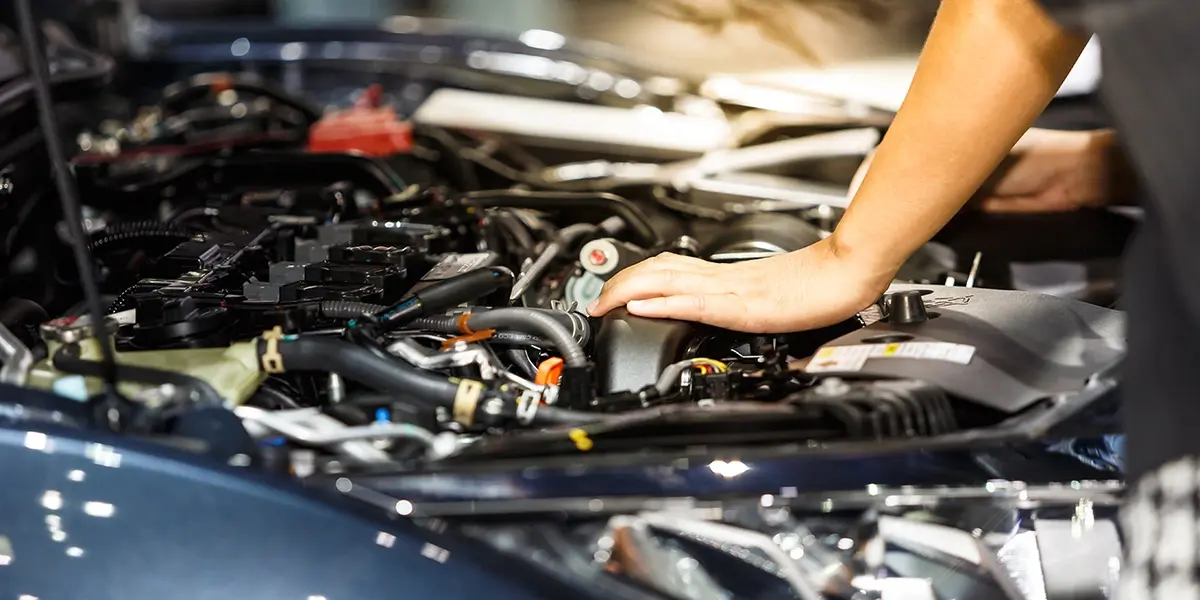
The engine deserves careful attention because mechanical problems can become expensive after purchase.
Start the Engine Cold
If possible, inspect the vehicle before it has been warmed up.
A cold start can reveal problems that may be less obvious once the engine reaches operating temperature.
Listen for:
- Difficult starting
- Rough idle
- Unusual knocking or ticking
- Excessive vibration
- Persistent smoke
- Warning lights
Let the engine idle and observe whether it settles into a smooth operating condition.
Check for Leaks and Fluid Problems
Look around the engine bay for signs of oil or coolant leakage.
Also check whether fluid levels and their condition appear consistent with normal maintenance.
A dirty engine does not automatically mean a bad engine, but fresh fluid around a component deserves investigation.
Check Exhaust Smoke and Warning Lights
Persistent unusual exhaust smoke can indicate a mechanical problem.
Also make sure warning lights behave normally when starting the vehicle.
Do not accept a seller simply saying, “The light is nothing.”
Have unexplained warning lights diagnosed.
How to Check the Transmission and CVT
A transmission problem can quickly change the economics of a used Corolla purchase.
What to Check in a Manual Corolla
During the test drive, check:
- Clutch engagement
- Gear selection
- Gear grinding
- Difficulty selecting gears
- Clutch slipping
- Unusual noises
The car should respond predictably without requiring excessive clutch input.
What to Check in an Automatic or CVT Corolla
Pay attention to:
- Hesitation
- Juddering
- Unusual noises
- Delayed response
- Abnormal acceleration behavior
Test the vehicle at different speeds and under normal acceleration.
A CVT that behaves unusually should be professionally inspected before purchase rather than dismissed as “normal.”
How to Check Mileage and Service History
A low odometer reading is attractive, but it is not proof of low use.
Why the Odometer Reading Is Not Enough
Compare the mileage with the physical condition of the car.
Heavy wear on the driver’s seat, steering wheel, pedals, and controls can raise questions if the odometer claims exceptionally low use.
This does not prove mileage fraud by itself.
It simply means you need more evidence.
Compare Mileage With Service Records
Look for:
- Oil-change records
- Workshop invoices
- Maintenance receipts
- Previous inspection records
- Service stickers
- Major repair history
The more pieces of evidence that agree with each other, the more confidence you can have in the claimed mileage.
Check Imported Corolla Records
For an imported Corolla, examine available auction or import documentation and compare identifying information.
The important principle is consistency:
Odometer + physical wear + service history + previous records
should tell a reasonably consistent story.
How to Check a Used Corolla for Accident Damage
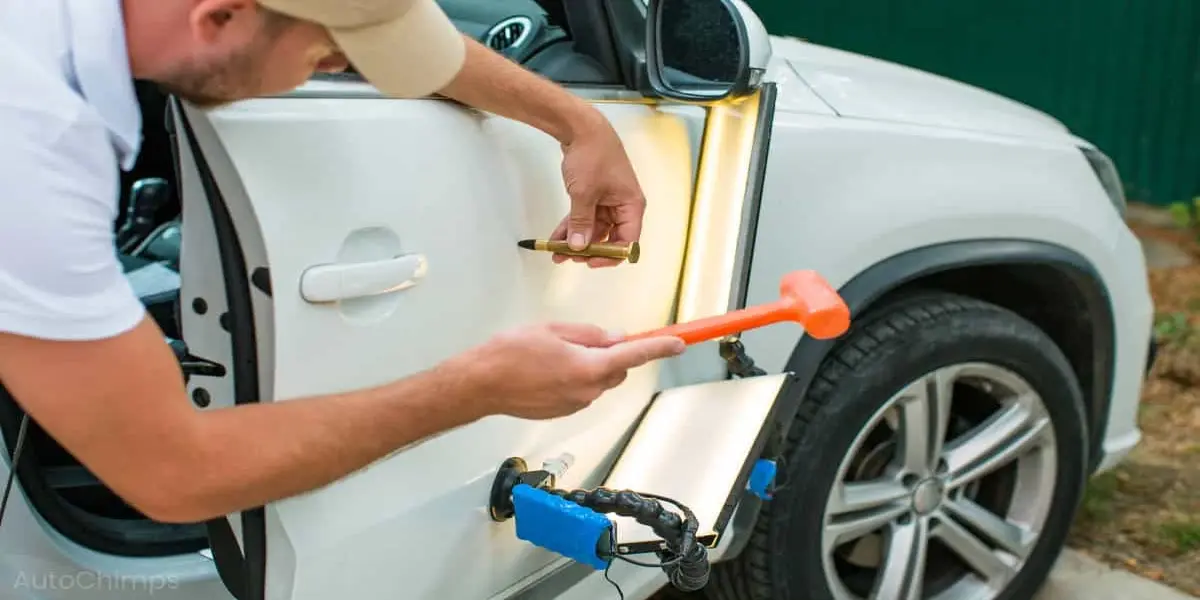
A vehicle can look excellent in photographs and still have a history of significant repairs.
Inspect Paint and Panel Gaps
Walk around the car in good daylight.
Look for:
- Different paint shades
- Uneven panel gaps
- Overspray
- Filler
- Misaligned panels
- Fresh paint that doesn’t match surrounding areas
A paint meter can provide additional information when used by someone who knows how to interpret the readings.
Look for Structural Repairs
Pay particular attention to areas that could reveal major accident repair.
These may include:
- Structural rails
- Strut towers
- Boot floor
- Weld areas
- Chassis sections
If you suspect structural damage, stop relying on visual inspection alone.
Get an experienced inspector to examine the vehicle.
Repainted Panel vs Serious Accident Repair
A repainted fender does not automatically make a Corolla a bad purchase.
The key question is why it was repainted and what was repaired underneath.
Cosmetic repair and structural repair are very different.
That distinction can make a major difference to the car’s safety, value, and future resale.
Check Suspension, Brakes and Tyres
These parts are easy to overlook because they are less exciting than the engine or exterior.
Suspension and Steering
During a drive, listen for:
- Knocking
- Clunking
- Excessive bouncing
- Steering vibration
- Uneven ride height
The car should feel stable and predictable.
Brake Performance
Check whether the vehicle:
- Stops smoothly
- Pulls to one side
- Vibrates under braking
- Has an unusually soft or hard pedal
Any serious braking concern should be addressed before purchase.
Tyre Condition
Inspect tread depth and look for:
- Uneven wear
- Cracks
- Very old tyres
- Different tyre types
- Abnormal wear on one side
Uneven tyre wear can sometimes point toward alignment, suspension, or steering problems.
Check the AC, Interior and Electronics
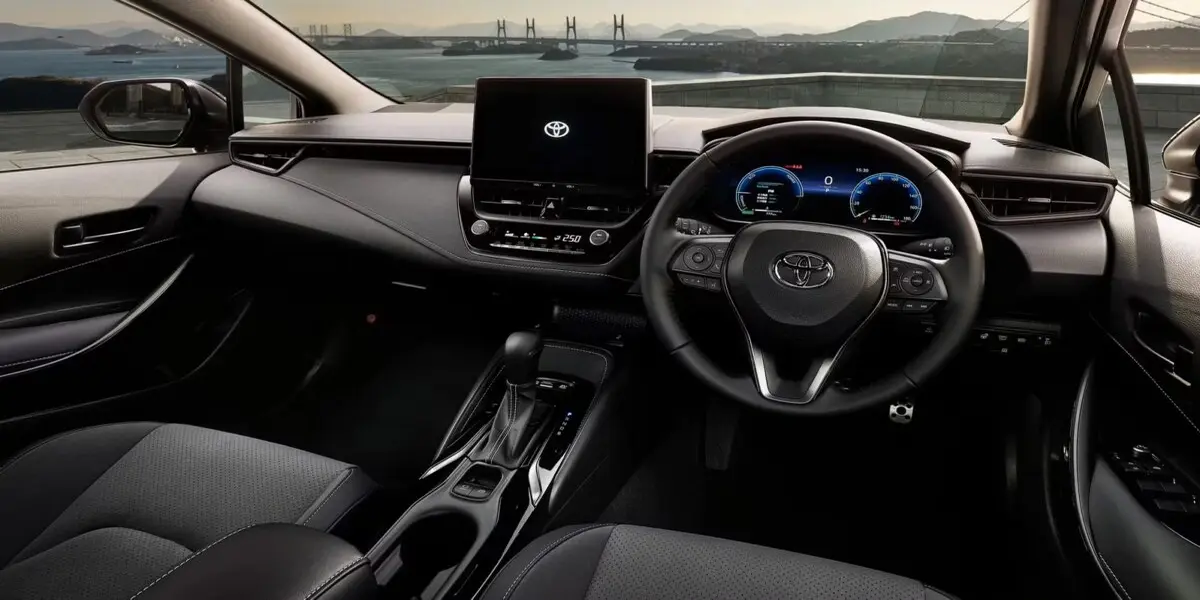
A used Corolla should be checked feature by feature.
Test the Air Conditioning
Don’t simply turn the AC on for a few seconds.
Check:
- Cooling at idle
- Cooling while driving
- Fan speeds
- Compressor behavior
- Unusual noises
Check Electrical Features
Test everything you can:
- Power windows
- Door locks
- Mirrors
- Lights
- Infotainment
- Instrument cluster
- Steering controls
Small electrical problems can become frustrating after purchase.
Check Dashboard and Safety Warning Lights
Pay attention to warning indicators for systems such as:
- ABS
- Airbags
- Engine
- Other vehicle systems
A warning light that stays on deserves diagnosis before you buy.
Check the Documents Before Paying
Mechanical condition is only one part of a safe used-car purchase.
Match the Chassis/VIN and Vehicle Details
Make sure the vehicle identification information corresponds with the available documentation.
Do not ignore discrepancies because the car itself looks good.
Verify Ownership and Registration
Confirm:
- Seller identity
- Registration details
- Ownership information
- Transfer requirements
- Relevant tax/token status
Requirements can vary by province and vehicle circumstances, so verify the current procedure with the appropriate authority before completing the transfer.
Check Imported Vehicles
For imported cars, pay particular attention to available import and auction records.
The identification information should remain consistent across the vehicle and documentation.
How to Test Drive a Used Corolla

Never buy a used Corolla based only on a parked inspection.
Before Moving
Start the car and observe:
- Cold-start behavior
- Idle quality
- Warning lights
- Engine sounds
- AC operation
During City Driving
Pay attention to:
- Steering response
- Braking
- Gear changes
- CVT behavior
- Suspension noise
- AC performance
At Higher Speeds
Where safe and legal, observe:
- Straight-line stability
- Vibrations
- Acceleration
- Transmission response
- Unusual road noise
You don’t need to drive aggressively.
The purpose is to discover how the car behaves under normal conditions.
After the Test Drive
Park the car and look again.
Check for:
- New leaks
- Unusual smells
- Excessive engine heat
- Warning lights
- New noises
Problems that appear after the drive deserve attention.
Should You Get a Used Corolla Inspected Before Buying?
Yes.
An independent inspection is especially valuable when the vehicle represents a significant portion of your budget or when the seller’s history is incomplete.
What a Proper Pre-Purchase Inspection Should Cover
At minimum, ask the inspector to assess:
- Engine
- Transmission/CVT
- Suspension
- Brakes
- Steering
- Body
- Chassis
- Electrical systems
- AC
- Tyres
- Mileage consistency
- Documents where applicable
Why an Independent Inspection Matters
A seller may genuinely believe the car is excellent.
That still doesn’t make the seller an independent inspector.
Use someone who is working for your buying decision, not someone whose income depends on completing the sale.
An inspection may cost money upfront, but it can help you identify problems before they become your repair bill.
Used Corolla Red Flags That Should Make You Stop
Some problems deserve more than a lower offer.
Watch for these warning signs:
- The seller refuses an independent inspection.
- The mileage doesn’t match the car’s physical wear.
- Service records are missing or inconsistent.
- There are unexplained signs of major body repair.
- Structural or chassis damage is suspected.
- The transmission or CVT behaves abnormally.
- Important warning lights remain on.
- Vehicle documents don’t match the car.
- The seller pressures you to pay immediately.
- The price is dramatically below comparable cars without a convincing reason.
One small issue does not necessarily mean you should walk away.
Several serious issues together are different.
How to Negotiate the Price of a Used Corolla
Good negotiation starts with evidence.
Compare the Car With Similar Listings
Find comparable cars based on:
- Model year
- Variant
- Mileage
- City
- Condition
Don’t compare a high-mileage base variant with a low-mileage premium variant and call the difference a “discount.”
Convert Immediate Repairs Into Negotiation Points
Suppose your inspection identifies:
- Worn tyres
- Suspension work
- AC repair
- Battery replacement
- Body repair
Estimate the realistic cost of fixing those items.
Then use the evidence to discuss the price.
Negotiate Using Inspection Evidence
Instead of saying:
“Your price is too high.”
Explain the specific reasons.
For example:
“The car needs tyres and suspension work, and there is evidence of previous repair. I’ve included those costs when calculating my offer.”
That makes the negotiation more reasonable.
Know When Not to Negotiate
Some problems are not bargaining opportunities.
If the car has serious structural damage, questionable documents, major mechanical problems, or an unwilling seller, walking away may be better than negotiating a lower price.
30-Minute Used Corolla Inspection Checklist
If you are seeing a used Corolla for the first time, use this simple sequence.
First 5 Minutes: Documents and Exterior
Check:
- Vehicle identity
- Chassis/VIN information
- Registration details
- Panel gaps
- Paint differences
- Obvious accident signs
Next 10 Minutes: Engine and Mechanical Condition
Check:
- Cold start
- Engine noise
- Leaks
- Exhaust smoke
- Warning lights
- Transmission/CVT behavior
Next 10 Minutes: Interior and Systems
Test:
- AC
- Windows
- Locks
- Mirrors
- Lights
- Dashboard
- Infotainment
- Safety warning indicators
Final 5 Minutes: Test Drive and Recheck
Drive normally and evaluate:
- Steering
- Brakes
- Suspension
- Acceleration
- Transmission
- Unusual noises
Then park the car and look again for leaks, smells, warning lights, or anything you missed earlier.
This isn’t a replacement for a professional inspection, but it can help you decide whether the car deserves a closer look.
When Should You Walk Away From a Used Corolla?
Sometimes the best buying decision is not buying the car.
Walk Away Because of the Vehicle
Consider leaving if you discover:
- Serious structural damage
- Major unresolved mechanical faults
- Severe transmission/CVT problems
- Evidence of significant water damage
- Multiple unexplained problems
Walk Away Because of the Paperwork
Do not ignore:
- Identification mismatches
- Unclear ownership
- Missing essential documents
- Problems that cannot be properly verified
Walk Away Because of the Seller
A seller who refuses reasonable inspection or creates pressure to pay immediately can turn a simple purchase into a risky one.
You are allowed to take your time.
Walk Away Because the Price No Longer Makes Sense
Even a good Corolla can be a bad purchase at the wrong price.
If the required repairs plus the asking price make the car less attractive than cleaner alternatives, move on.
There will always be another used Corolla for sale.
Where to Find a Used Corolla for Sale
You can search for a used Corolla through online marketplaces, dealerships, private sellers, and local automotive networks.
Online marketplaces can help you compare many cars quickly, but listings should be treated as starting points rather than proof of condition.
A seller’s description is not an inspection report.
When comparing Toyota Corolla used cars, focus on the actual vehicle, its history, and its inspection results rather than trusting photographs or listing language alone.
How We Evaluate Used Corolla Buying Advice
A useful used-car guide should not tell you that every Corolla is reliable and leave it there.
Good buying advice should consider:
- Current market conditions
- Vehicle condition
- Mileage evidence
- Maintenance history
- Accident history
- Model and variant
- Transmission type
- Documentation
- Inspection findings
- Repair costs
Market information can change, especially used-car asking prices.
For that reason, current listings and local inspection evidence should be checked before making a purchase decision.
If this guide is published with an author or automotive reviewer, their real experience, qualifications, and review date should be clearly shown. No first-hand inspection experience should be claimed unless it actually occurred.
Final Verdict: Is a Used Corolla Worth Buying?
Yes, a used Corolla can be a very sensible purchase, but the Toyota badge should not replace an inspection.
The best used Corolla is usually the one that combines:
Good condition + genuine history + manageable mileage + clean documentation + fair price.
Don’t let a low odometer reading or shiny exterior make the decision for you.
Check the engine. Test the transmission. Inspect the body. Verify the mileage. Review the documents. Take a proper test drive.
Then compare the total cost with other cars on the market.
If the Corolla passes those checks and the price makes sense, you have a much stronger reason to buy.
If it fails several important checks, walking away is not losing the deal.
It is avoiding the wrong deal.
Frequently Asked Questions About Used Corolla
Is a used Toyota Corolla worth buying?
Yes, if the specific car has good mechanical condition, verifiable history, clean documentation, and a fair price. Condition matters more than simply choosing the newest model year or lowest advertised mileage.
What should I check before buying a used Corolla?
Check the engine, transmission or CVT, mileage, service history, body and chassis, suspension, brakes, tyres, AC, electronics, documents, and accident history. A professional pre-purchase inspection is strongly recommended.
How many kilometers is good for a used Corolla?
There is no single mileage number that makes a Corolla good or bad. Genuine mileage matters, but maintenance history and overall condition are equally important. A higher-mileage Corolla with excellent records can be a better purchase than a low-mileage car with questionable history.
How can I check if a Corolla has genuine mileage?
Compare the odometer with steering-wheel, pedal, seat, and interior wear. Then compare it with service records, receipts, previous inspection information, and other available vehicle history. Physical wear alone cannot prove mileage fraud.
Which Corolla variant is best to buy used?
It depends on your priorities. XLi may suit budget-focused buyers, while GLi, Altis, and Grande can appeal to buyers wanting different levels of equipment and comfort. The best choice is the variant with the right features and a well-maintained individual car.
Should I get a used Corolla inspected before buying?
Yes. An independent inspection can identify mechanical, structural, electrical, suspension, transmission, and other problems before you commit your money. It is particularly important when the vehicle’s history is incomplete.
What are the biggest red flags when buying a used Corolla?
Major warning signs include suspected structural damage, unexplained mileage, serious transmission or CVT problems, inconsistent documents, missing service history, multiple unresolved faults, and a seller who refuses independent inspection.
How do I know if a used Corolla is fairly priced?
Compare similar cars by model year, variant, mileage, location, and condition. Then account for immediate repair costs. The cheapest listing is not necessarily the best value, and a slightly more expensive car may be better if it needs significantly less work.