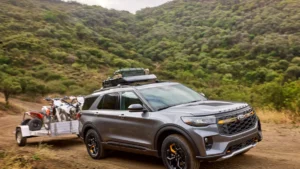
The 2026 Ford Explorer and Toyota 4Runner serve different needs: Explorer excels as a comfortable, tech-forward family SUV with smooth on-road performance, while the 4Runner is a rugged, off-road-focused adventure vehicle with high torque and towing. Explorer suits daily driving; 4Runner thrives on trails. Price, reliability, and fuel efficiency vary,
Introduction
The distinction between a 2026 Ford Explorer and a Toyota 4Runner feels like choosing between a Swiss army knife and an actual hammer. While the two vehicles have been engineered to take you off the beaten path, they do so in far different manners. To finally put the Ford Explorer vs Toyota 4Runner debate to bed: for the families who need a plush, strong daily driver with some light off-road ability at times, pick the Ford Explorer.
It doesn’t matter if you’re negotiating a muddy trailhead or a suburban school zone; the 2026 market is as diverse as ever. Sure, the modern driver requires a perfect mix of grit and grace in a ChevySUV. Although those two titans own their niches, it ultimately comes down to which attribute is more important for you: Ford’s unibody refinement or Toyota’s body-on-frame ruggedness.
Performance and Powertrain: Efficiency vs. Grunt
This is where these two cars reveal the engine room. While both manufacturers have embraced turbocharged four-cylinder engines in 2026, the end product couldn’t be more different in terms of driving experience.
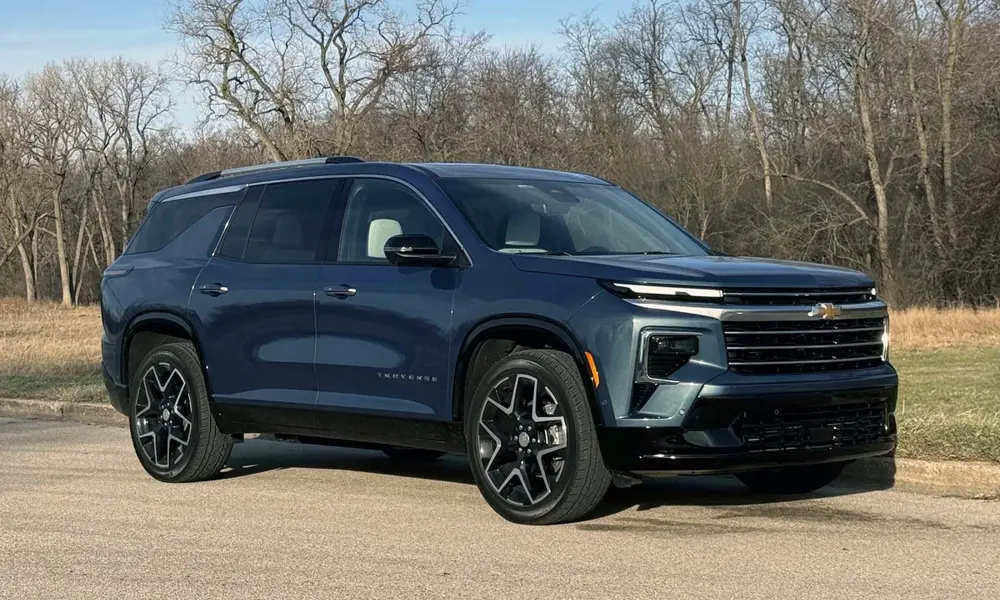
The Ford Explorer hits the highway with a throaty punch from its 2.3L EcoBoost, providing a car-like degree of effortless-ish acceleration on long-haul drives. For those looking for more, the Explorer’s 3.0L Twin-Turbo V6 in ST trim transforms the SUV into a performance machine that simply can not be matched by the 4Runner off-pavement.
In the interest of full disclosure, Toyota has finally brought the 4Runner into Modern Times, but with an i-FORCE and i-FORCE MAX hybrid powertrains. It won’t beat an Explorer ST in a drag race, but the 4Runner’s hybrid system delivers huge low-end torque. And that’s a very important benefit when you’re trying to crawl over a boulder at 2 mph. The reason the 4Runner feels more “truck-like” is that it is designed to handle the rigors of less-than-smooth surfaces rather than the flat, high-speed stretches of the Autobahn.
Transmission and Handling
If you’re towing or merging, Ford’s 10-speed automatic becomes a work of art of near-seamless shifting while keeping the engine in its power band. The 4Runner, however, is equipped with a more deliberate-feeling, rugged 8-speed automatic.
With its independent rear suspension, the Explorer never feels unrealistic in corners. On-road, the 4Runner’s solid rear axle is less sophisticated, but it has the needed wheel articulation to keep your tires on the ground when trails turn ugly.
Off-Road off-road SUV 2026: Tremor vs. Trailhunter
Two particular trims are supposed to shine through the off-road SUV 2026 landscape: The Explorer Tremor and the 4Runner Trailhunter. This is the point in the competition that became serious. With a Torsen limited-slip rear axle and 8.7 inches of ground clearance, the Ford Explorer Tremor is surprisingly able. It’s ideal for accessing remote campsites or negotiating snowbound mountain passes.
Although there is no competition to the Toyota 4Runner Trailhunter for serious off-road performance. It’s a purpose-built adventure rig complete with Old Man Emu shocks, 33-inch Toyo tires, and an insane 10 inches of ground clearance on some models.
If off-road SUV 2026 means winch points, snorkels, and high-clearance bumpers for you, the Toyota is definitely the winner. The Ford is a road trip; the Toyota is an adventure.
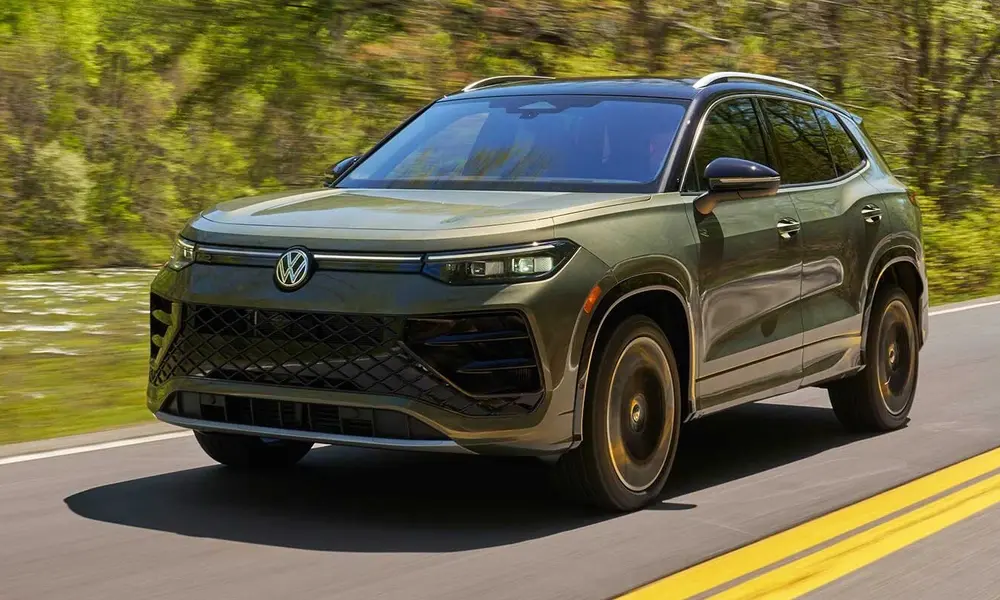
Off-Road Tech and Features
Toyota comes with its Multi-Terrain Select system and Crawl Control system standard on the majority of off-road trims as well. They also serve as low-speed cruise control for the dirt.
In response to this, Ford makes use of its Terrain Management System that alters throttle response and gear holding for various surfaces like “Deep Sand” or “Trail.” Both systems are excellent, but Toyota’s mechanical locking rear differential takes the edge in the most extreme recovery situations.
Interior Comfort and Technology
And this is where Ford has the Explorer pull ahead for average families. It needs the extra legroom, extra shoulder room, and a far more contemporary digital experience. The center display is a crisp, intuitive 13.2 inches wide, actually feels like a vehicle from 2026 should feel. The Explorer offers a significantly quieter and more comfortable cabin to spend six hours in if you are heading out on a long trip.
The exterior of the 4Runner got better for 2026, it’s interior remains largely “utility-first”. The buttons are oversized and easy to manipulate, even while wearing work gloves. It has a nice 14-inch touchscreen as an option on top trims now, but the overall layout is more utilitarian and less “luxury” than the Ford.
At ChevySUV, we usually pull into two camps when it comes to something like this: durability-focused buyers go for the Durango, tech or performance-oriented ones lean toward the Ford.
Comparing Key SUV SUV specs comparison
|
Feature |
2026 Ford Explorer (Tremor) | 2026 Toyota 4Runner (Trailhunter) |
| Engine | 2.3L EcoBoost I-4 |
2.4L i-FORCE MAX Hybrid |
|
Horsepower |
300 hp | 326 hp |
| Torque | 310 lb-ft |
465 lb-ft |
|
Ground Clearance |
8.7 Inches | 10.1 Inches |
| Max Towing | 5,000 lbs |
6,000 lbs |
|
Seating Capacity |
6 or 7 Passengers |
5 or 7 Passengers |
Practicality: Towing and Cargo SUV specs comparison
In an SUV specs comparison, the 4Runner actually has a slight edge over its competition for towing. Able to tow 6,000 pounds worth of boat or small camper, it is pretty darn capable. The Explorer has a respectable but non-class-leading maximum towing capability of 5,000 pounds.
The unibody design helps give the Ford Explorer an advantage when it comes to cargo, particularly with a lower floor for loading heavy groceries or camping gear. There is also more total passenger volume with the result that your teenagers won’t be groaning about cramped legs in the second row.
Among the 4Runner’s signature styling features is the separate rear-window glass extension (it’s also been a favorite feature for fans), which allows you to retrieve small items from the back or let your dog get in and out of fresh air without opening the entire liftgate.
Pricing and Value in the USA Market
Crucial for making a wise purchase is to know the trends in SUV prices in the USA. The Ford Explorer typically offers a lower starting price point for families watching their budgets. But for those who opt for the ST or Platinum, you could end up paying more than $55 grand.
The price will be higher for the same trim level (starting MSRP), and this is due to specialized hardware in the Toyota 4Runner, which historically gives you a good resale value. You’ll likely pay more for a 4Runner initially than most other midsize SUVs, but history has shown you’ll extricate a larger share of that money when you trade one in. The prices for both models have increased slightly in 2026 due to the implementation of new hybrid technology and enhanced safety suites.
- Ford Explorer Starting Price: Estimated at $38,465 for the Active trim.
- Toyota 4Runner Starting Price: Estimated at $41,870 for the SR5 trim.
- Top-Tier Pricing: Both can reach into the $65,000 range for fully loaded off-road or luxury editions.
- Maintenance Costs: Ford parts are generally widely available and affordable; Toyota offers legendary reliability but can be pricier for specialized hybrid components.
- Fuel Economy: The Explorer wins on the highway; the 4Runner Hybrid wins in stop-and-go city traffic and low-speed trail work.
Reliability and Long-Term Ownership
Reliability is a major factor in the Ford Explorer vs Toyota 4Runner decision. Toyota’s reputation for building 300,000-mile vehicles is well-earned. The 4Runner’s body-on-frame construction is inherently more robust for long-term abuse. If you plan on keeping your SUV for 15 years, the Toyota is usually the safer bet.
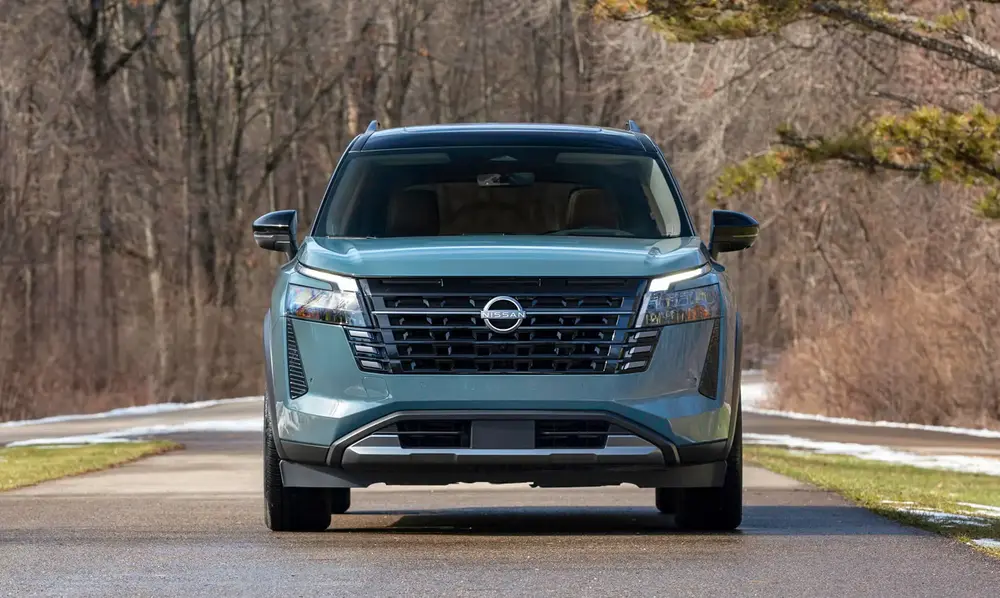
Ford has made massive strides in its EcoBoost technology, and the 2026 Explorer is a very well-built machine. However, unibody SUVs can develop more squeaks and rattles over time if they are frequently used on rough dirt roads. If your “off-roading” is limited to gravel driveways and the occasional beach trip, the Ford will hold up perfectly fine and provide a much better daily experience.
Conclusion
At the end of the day, these are two very different tools for different jobs, we explore Ford Explorer vs Toyota 4Runner. The Ford Explorer is the “Smart Choice” for the vast majority of Americans. It is faster, more comfortable, better on fuel during road trips, and packed with the latest technology.
It’s the SUV that handles the 99% of your life that happens on paved roads with ease, while still being “tough enough” for the other 1%. Visit ChevySUV for more
Frequently Asked Questions
Which SUV is better for a family of six?
The Ford Explorer is generally better for larger families. It offers more interior volume, more comfortable third-row seating, and a smoother ride that prevents car sickness on long trips. While the 4Runner offers a third row, it is quite cramped and better suited for small children.
Does the 2026 Toyota 4Runner have a V6 engine?
No, the 2026 4Runner has moved to a 2.4L turbocharged four-cylinder engine. However, the i-FORCE MAX hybrid version produces more torque (465 lb-ft) than the old V6 ever did, making it more capable for towing and off-roading.
Is the Ford Explorer Tremor as good as a TRD Pro?
Not quite. While the Tremor is very capable for an “all-road” SUV, the TRD Pro (and the new Trailhunter) features more advanced suspension, like FOX or Old Man Emu shocks, designed specifically for high-speed desert running and rock crawling.
What is the average fuel economy for these SUVs?
The Ford Explorer averages around 21-28 MPG, depending on the engine. The Toyota 4Runner Hybrid is expected to get around 23 MPG combined, which is a massive improvement over previous generations but still slightly behind the Ford on the highway.
Which one has better resale value?
The Toyota 4Runner consistently holds one of the highest resale values in the entire automotive industry. If you plan to sell the vehicle in 3 to 5 years, you will likely lose much less money on the Toyota than the Ford.