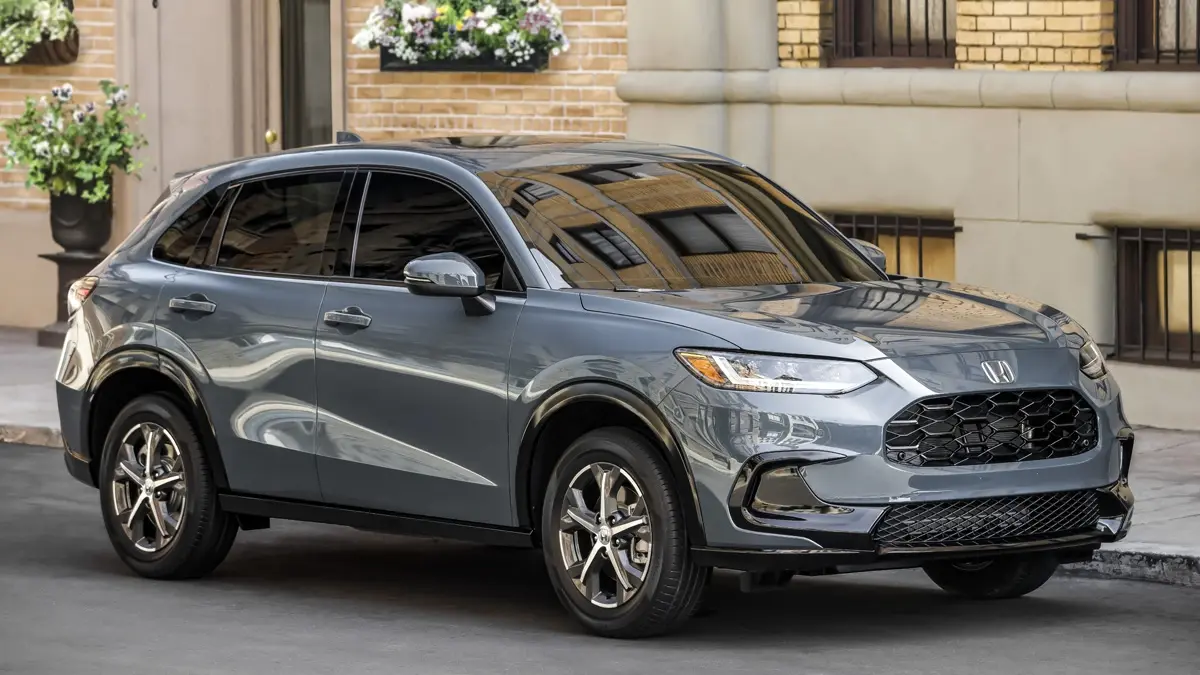
Key Takeaways
-
Trax offers significantly lower starting prices across all trim levels.
-
Honda provides available all-wheel drive while Chevy is front-wheel drive only.
-
Trax wins on rear cargo space behind the back row seats.
-
HR-V comes standard with a larger center touchscreen for this model year.
Are you hunting for a brand-new crossover that fits tight city parking spaces but still carries all your weekend gear?
If so, you have definitely crossed paths with the massive debate around the chevy trax vs honda hrv.
Both of these machines are absolute powerhouses in the modern automotive market, but they take completely different paths to win your driveway.
Based on available data, choosing between the trax vs hrv comes down to what you value most: budget-friendly style or foul-weather traction.
The Chevy Trax brings an incredibly sharp design, massive value, and an affordable price tag that makes budget-conscious buyers smile.
On the flip side, the Honda HR-V relies on its classic reputation for reliability, a smooth ride, and the option for all-wheel drive.
Let’s dive right into the details to figure out which one deserves your hard-earned cash.
AI Overview
When comparing the chevy trax vs honda hrv, you are looking at two top contenders for the title of best subcompact suv. The Chevy Trax stands out with a highly affordable starting price, bold exterior styling, and impressive cargo efficiency. The Honda HR-V counters with available all-wheel drive, a larger standard infotainment setup, and a highly refined cabin experience. Fuel efficiency is another big talking point, with the latest trax vs hrv mpg ratings showing both crossovers are highly efficient for daily commuting.
Under the Hood: Engine Performance and Drive Feel
Let’s talk about how these two vehicles actually feel when you push the start button and hit the open road.
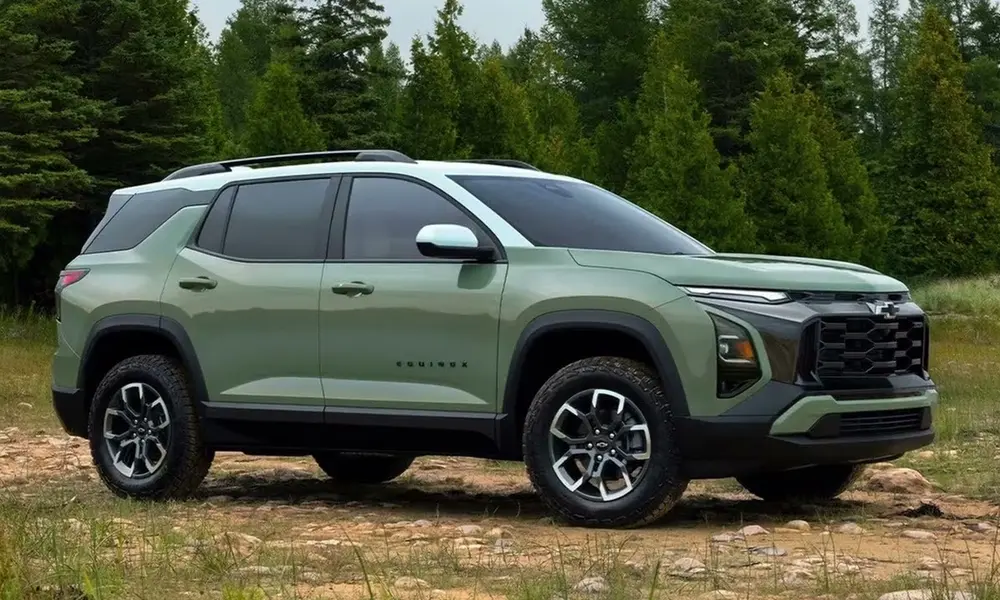
The engine setups are totally different, and it changes the whole driving dynamic.
Chevy’s Punchy Turbocharged Approach
The Chevy Trax uses a small but mighty 1.2-liter turbocharged 3-cylinder engine.
Now, don’t let the three cylinders scare you off.
Because it is turbocharged, it makes 162 lb-ft of torque very early in the rev range.
This means when you step on the gas from a dead stop, it feels quick and light on its feet.
It uses a traditional 6-speed automatic transmission, which skips the annoying rubber-band stretching feeling of a CVT.
Honda’s Smooth and Steady Cruiser
Honda takes a completely traditional route with a 2.0-liter 4-cylinder engine that makes 158 horsepower.
While it has more peak horsepower than the Trax, it has less torque at just 138 lb-ft.
It uses a Continuously Variable Transmission (CVT) that focuses entirely on smoothness.
Acceleration feels steady, but it can get a bit loud if you muddle through highway traffic.
Real-World Efficiency: Breaking Down the Fuel Economy
If you are buying a small crossover, you probably want to save cash at the gas pump.
Let’s look closely at the official trax vs hrv mpg numbers.
| Metric | Chevy Trax (FWD Only) | Honda HR-V (FWD) | Honda HR-V (AWD) |
| City MPG | 28 | 26 | 25 |
| Highway MPG | 32 | 32 | 30 |
| Combined MPG | 30 | 28 | 27 |
Based on available data, the Chevy Trax holds a slight advantage in the city and in combined driving.
If you choose the front-wheel-drive Honda, the highway mileage matches the Trax exactly at 32 mpg.
However, if you add the heavy all-wheel-drive system to the HR-V, your fuel numbers will drop down a bit.
For maximum fuel savings during a regular urban commute, the Trax generally holds the crown.
Cabin Space, Comfort, and Cargo Capabilities
Step inside the cabin, and you will notice that both brands worked hard to make these interiors feel premium.
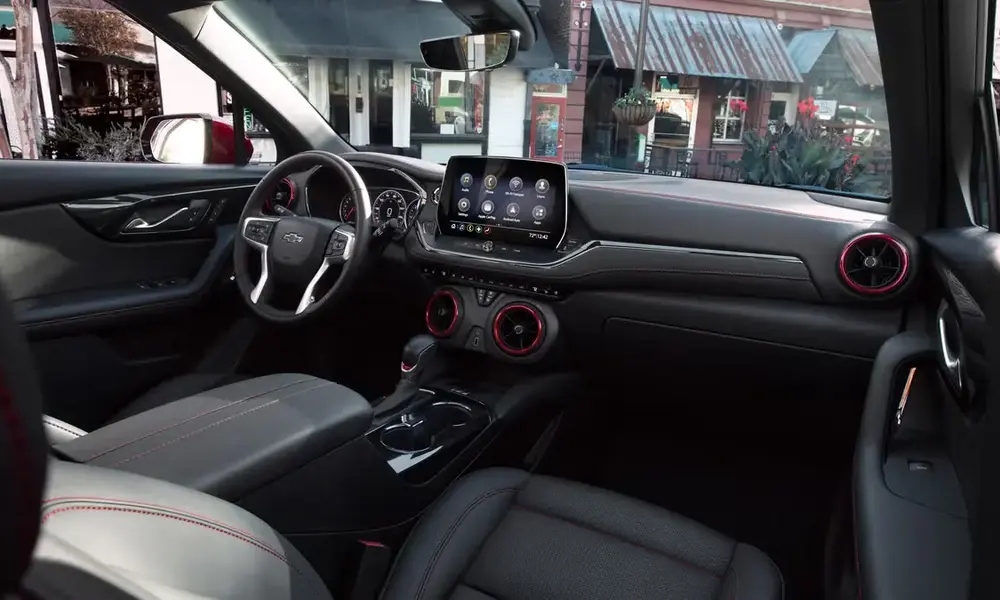
They don’t feel like cheap starter cars anymore.
Cargo Space Championship
If you love road trips, cargo space is everything.
The Chevy Trax provides an impressive 25.6 cubic feet of space right behind the rear seats.
The Honda HR-V falls slightly short here, offering 24.4 cubic feet.
However, if you fold the back seats down completely flat, the Honda expands to 55.1 cubic feet.
The Trax gives you 54.1 cubic feet with the seats down, making it a virtual tie for big hauling days.
Passenger Comfort and Layout
The HR-V feels slightly wider inside, giving your passengers a bit more shoulder room.
ChevySUV layout engineers gave the Trax a longer wheelbase, which translates into great legroom for back-seat passengers.
In most cases, adults can sit comfortably in the back of either vehicle without their knees hitting the front seats.
Technology and Safety Features Compared
We all want the latest tech screens and safety guards when we drive.
Luckily, both models are packed with modern goodies.
The Screen Setup
Honda upgraded the HR-V lineup to feature a standard 9-inch touchscreen with wireless phone integration.
The Trax starts with an 8-inch screen on base models, but quickly upgrades to a massive 11-inch screen on higher trims.
Both systems support wireless Apple CarPlay and Android Auto, so your navigation maps display instantly.
Driver Assistance Tech
Safety is a huge priority for both automotive manufacturers.
Detailed Trim Breakdown and Feature Offerings
To truly find the best subcompact suv for your daily routine, you have to look at what you get for the price at each tier.
Neither brand forces a one-size-fits-all model on consumers, which is great news for your budget.
The Five Flavors of Trax
Chevy divides the Trax lineup into five separate trims: LS, 1RS, LT, 2RS, and Activ.
The LS keeps things dead simple with steel wheels but includes privacy glass and active noise cancellation.
Moving up to the 1RS adds sporty black-out trim pieces and aggressive 18-inch aluminum wheels.
The LT brings the real luxury touches, introducing the large 11-inch digital screen and automatic climate control.
If you prefer maximum sportiness, the 2RS delivers a flat-bottom steering wheel and red interior accents.
The Activ trim sits at the top, offering a unique monochromatic look and a power driver’s seat.
The Three Options from Honda
Honda streamlines the HR-V lineup into three simple choices: LX, Sport, and EX-L.
The LX serves as the entry point, offering clean lines and standard safety tech.
Stepping up to the Sport gives you a bold black grille, black wheels, and a unique orange stitch pattern inside.
The top-tier EX-L goes all out on comfort, bringing leather seating surfaces, a power sunroof, and dual-zone climate control.
Every single Honda trim allows you to add all-wheel drive for a small price increase.
Daily Usability: Parking, Visibility, and Maneuverability
How do these vehicles handle when you are stuck in a tight parallel parking spot downtown?
Size matters here, and both vehicles use their small footprints wisely.
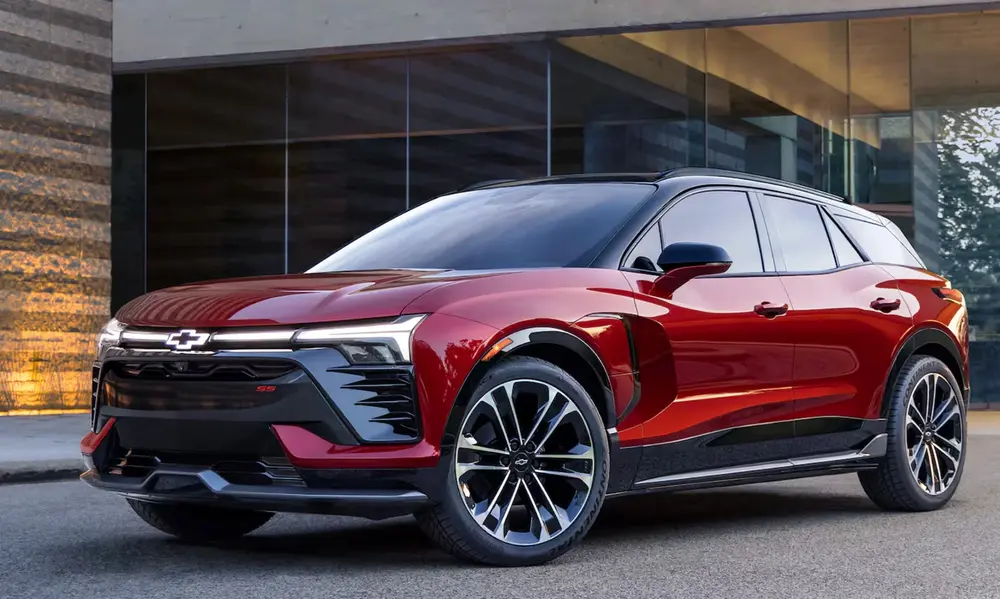
Sightlines and Blind Spots
The Honda HR-V sits slightly higher up, giving you a commanding view of the traffic ahead.
Its large side mirrors make checking your blind spots a breeze on the highway.
The Chevy Trax has a more low-slung, wagon-like stance from the driver’s seat.
While forward visibility is excellent, the stylish sloping rear roofline makes the rear windows slightly smaller.
Thankfully, the standard backup camera on the Trax completely resolves any parking anxiety.
Turning Radius and Agility
If you have to pull a quick U-turn on a crowded street, both of these options shine.
The Trax features a tight turning circle that makes navigating parking garages feel effortless.
The HR-V feels equally nimble, thanks to an independent rear suspension that keeps the body flat during quick turns.
In most cases, you will find both options significantly easier to park than a traditional midsize SUV.
Total Cost of Ownership: Long-Term Value
Buying the vehicle is only the first step; you also have to keep it on the road.
Let’s look at maintenance expectations, warranty coverage, and expected resale value.
Warranty Comparison
-
Bumper-to-Bumper: Both models offer a 3-year or 36,000-mile limited warranty.
-
Powertrain: Both brands cover your engine and transmission for 5 years or 60,000 miles.
-
Complimentary Maintenance: Chevy includes your first oil change and tire rotation for free within the first year.
Long-Term Dependability and Resale
Honda generally holds an advantage when it comes to keeping its value over a five-year period.
The HR-V is known in the industry for excellent residual value, meaning you get more money back when you trade it in.
However, because the Trax starts at such a low price point, your total dollar depreciation is often remarkably similar.
ChevySUV engineering has closed the gap significantly in recent years regarding overall mechanical durability.
Comfort Features: Beating the Summer Heat and Winter Cold
Depending on where you live, climate control features can make or break your daily drive.
Let’s look at how these subcompact stars handle extreme weather conditions.
Cold Weather Readiness
If you deal with freezing winter mornings, both vehicles offer packages to keep you warm.
The Trax offers heated front seats, a heated steering wheel, and heated side mirrors on multiple trims.
Honda offers heated front seats starting on the Sport trim, but a heated steering wheel requires looking at accessories.
The HR-V counters with standard rear-seat heater ducts to keep passengers in the back warm quickly.
Summer Cooling Efficiency
On blistering summer days, air conditioning performance is crucial for a comfortable ride.
The Honda EX-L features a dual-zone automatic climate control system, allowing the driver and passenger to set separate temperatures.
The Trax uses a single-zone automatic system on its upper trims, which is simple and cools the small cabin down fast.
Both vehicles offer rear tinting to keep solar heat from cooking the back row.
Audio and Entertainment: The Soundtrack to Your Drive
Whether you love listening to true-crime podcasts or blasting your favorite music, sound systems matter.
Let’s see how the tech inside these cabins delivers entertainment.
Speaker Layouts
The base models for both vehicles start with modest 4-speaker sound systems that get the job done.
As you move up the trim ladder, Chevy upgrades the Trax to a crisp 6-speaker system.
Honda goes a step further on its EX-L trim, packing an 8-speaker premium audio setup with an amplifier.
If you consider yourself a true audiophile, the top-tier Honda provides a richer bass response.
Connectivity Ports
No one likes fighting over USB ports to charge their smartphones during a long road trip.
The Trax features USB-A and USB-C ports up front, with additional charging ports available for rear passengers.
Honda includes multiple USB ports throughout the cabin as well, ensuring everyone stays powered up.
Wireless charging pads are available on the top trims of both vehicles for ultimate convenience.
Real-World Ride Quality: Smoothness vs Handling
How do these vehicles actually handle potholes, speed bumps, and rough pavement?
The mechanical architecture underneath plays a major role in your daily comfort.
The Suspension Difference
Honda equipped the HR-V with a sophisticated multi-link independent rear suspension system.
This setup allows each rear wheel to react to bumps independently, resulting in a smooth ride.
The Trax utilizes a simpler torsion beam rear suspension setup to maximize interior cargo space.
While it feels firm and sporty around corners, you might notice sharp potholes a bit more in the Chevy.
Cabin Quietness
Chevy took an aggressive approach to wind and road noise by adding active noise cancellation standard.
This technology emits inverted sound waves through the speakers to cancel out annoying highway drone.
The HR-V relies on traditional acoustic glass and heavy insulation layers to keep the cabin quiet.
At highway speeds, both cabins do a commendable job of allowing easy conversation without shouting.
Styling and Curb Appeal: Standing Out in the Parking Lot
Let’s be honest, we all want a vehicle that looks good sitting in our driveway.
Designers took completely opposite paths when sketching these two crossovers.
The Aggressive Modern Look of the Trax
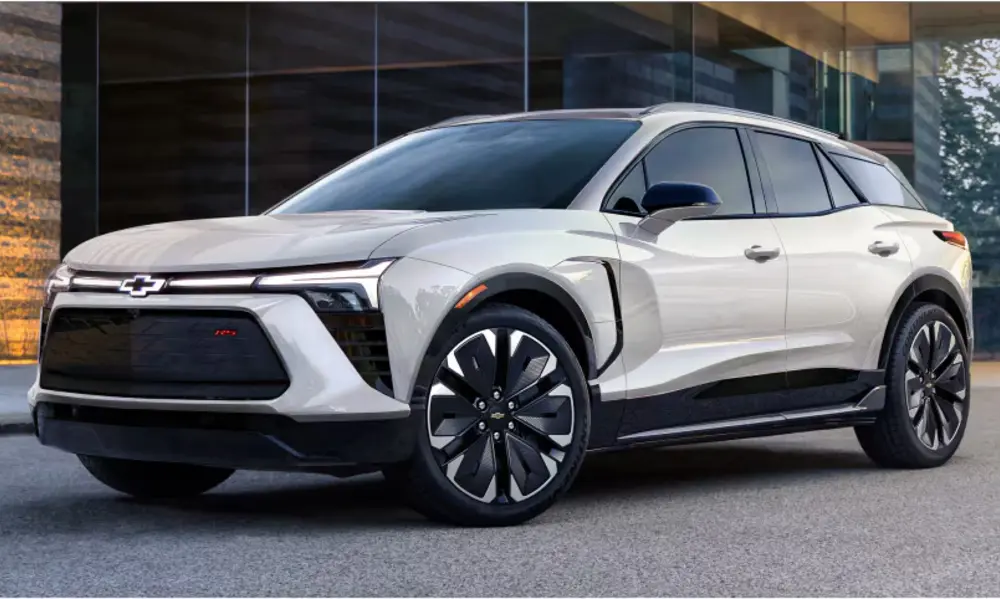
The Chevy Trax borrows heavy design cues from its larger sibling, the Blazer.
It features ultra-thin LED daytime running lights mounted high up, with the main headlights tucked down low.
The long, low body gives it an athletic stance that looks more like a sporty hatchback than a boxy SUV.
It turns heads easily, especially in bold paint colors like Cacti Green or Nitro Yellow.
The Clean Sophistication of the HR-V
Honda opted for a mature, timeless aesthetic when designing the latest HR-V.
It features a long hood, a sleek honeycomb grille, and wide LED headlights that create a premium look.
The rear of the vehicle is clean and uncluttered, avoiding unnecessary plastic cladding or fake vents.
It looks elegant and expensive, fitting in perfectly at a high-end restaurant valet or a grocery store lot.
Pricing and Overall Value Proposition
This is where the road splits completely for these two vehicles.
The price difference is hard to ignore.
The Chevy Trax is well-known for having one of the most affordable starting prices in the entire industry.
You can buy a highly optioned, sporty Trax trim for less than the starting price of a base-model Honda HR-V.
If you want to maximize your features per dollar spent, the Trax is incredibly tough to beat.
The Honda HR-V demands a higher premium upfront.
You are paying for that legendary Honda resale value and the ability to get power sent to all four wheels.
If you live in an area with heavy winter snow, that available all-wheel-drive system might be worth the extra cost.
Final Verdict: Which One Should You Buy?
At the end of the day, both options deserve their spot at the top of the shopping lists.
They are excellent examples of what a modern, smart crossover should be.
Choose the Chevy Trax if you want an affordable monthly payment, love bold styling, and want great city fuel economy.
It is an incredible package that proves you don’t have to spend a fortune to get a great vehicle.
Turn to ChevySUV options if you want maximum value.
Choose the Honda HR-V if you absolutely need all-wheel drive for winter weather or prefer a highly traditional engine feel.
It costs more upfront, but it pays you back with high resale value down the line.
Frequently Asked Questions
Does the Chevy Trax offer all-wheel drive?
Based on available manufacturer data, the Chevy Trax is strictly a front-wheel-drive vehicle across all five trim options. If you absolutely require all-wheel-drive traction for heavy winter snow or muddy trails, you will need to look at alternatives like the Honda HR-V.
Which vehicle has better fuel economy?
The Trax generally wins the efficiency battle, averaging an estimated 30 combined mpg according to official ratings. The front-wheel-drive Honda HR-V delivers a combined 28 mpg, which drops down to 27 combined mpg if you choose the heavier all-wheel-drive configuration.
Which crossover has more cargo space?
The Chevy Trax offers more usable cargo room when the rear seats are upright, giving you 25.6 cubic feet. However, if you fold the rear seats flat, the Honda HR-V takes a slight lead by expanding to a maximum capacity of 55.1 cubic feet.
Is the Honda HR-V faster than the Chevy Trax?
The two vehicles are incredibly close in straight-line acceleration, but they deliver power differently. The Trax feels punchier during initial city acceleration because its turbocharger creates torque early, while the HR-V builds power slowly and smoothly as engine revs climb.
Which model has a better standard infotainment screen?
The Honda HR-V comes standard with a user-friendly 9-inch screen across its trim lineup. While base models of the Chevy Trax start with a smaller 8-inch screen, stepping up to higher trims rewards you with a much larger 11-inch display.