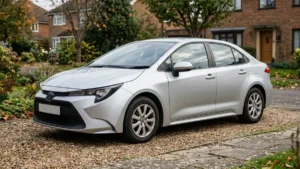
Used Car Buying Tips can help you avoid costly mistakes when buying a used car. A car may look clean and shiny but still have serious engine problems or incorrect paperwork. Even a small mistake could leave you with expensive repair bills.
You do not need to be a car expert to make a smart choice. This guide explains how to set your budget, check documents, inspect the engine, test drive the car and pay the seller safely. Follow these simple steps to reduce the risk of scams and unexpected costs.
Used Car Buying Tips: Key Takeaways
- Set Money Aside for Extra Costs: The car’s price is only part of the total cost. You may also need money for registration, taxes, insurance and early repairs. Saving an extra 8% to 15% is a useful starting point, but actual costs depend on where you live.
- Check the Paperwork: Do not go ahead with a purchase if documents are missing, incorrect or appear to have been changed. Get the issue checked and fixed by the right authority first.
- Match the VIN Numbers: Check the Vehicle Identification Number (VIN), also called the chassis number in some markets, against the number recorded on the car’s documents.
- Stay Away From Risky Cars: Be careful with cars that have a salvage title, unclear ownership or missing service records.
- Get a Professional Inspection: A seller’s word is not enough. Ask an independent mechanic or trained car expert to check the vehicle before you buy it.
- Choose a Safe Payment Method: Avoid carrying large amounts of cash if possible. Use a payment method that leaves a record and confirm that the seller has received the money before finishing the deal.
1. Used Car Buying Tips: Set Your Real Budget
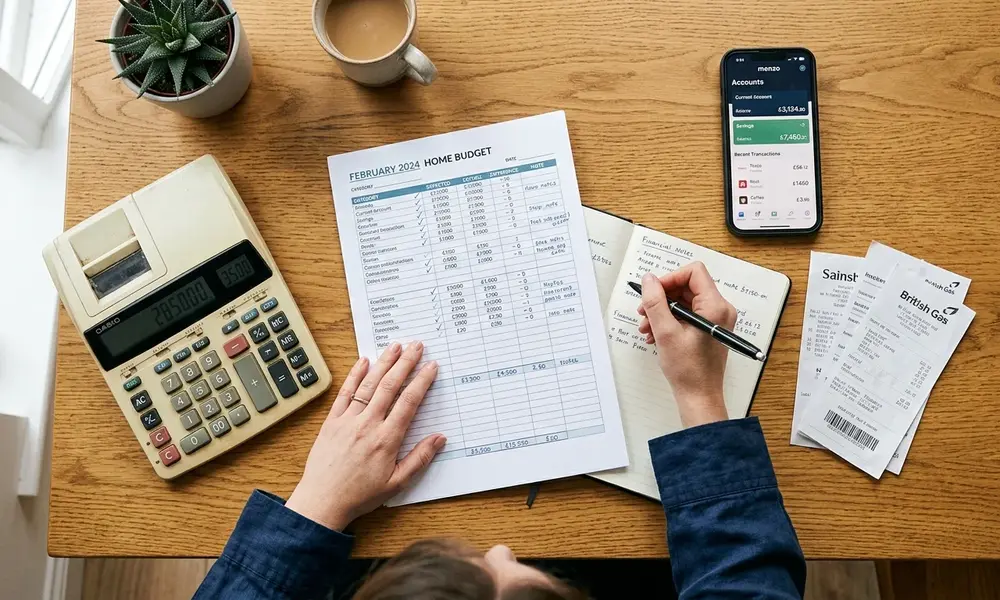
The asking price is not the only amount you need to think about. A used car can bring extra costs, and these can add up quickly.
- Title and Registration Fees: You may need to pay the local vehicle office to register the car or transfer ownership into your name.
- Sales Tax: Depending on local rules, buying or transferring a car may involve sales tax or other government fees.
- Car Insurance: Arrange any insurance required by law or your lender before driving the car.
- Money for Early Repairs: The car may need an oil change, new filters, tires or other repairs soon after you buy it.
Budget Allocation Buffer Table
| Expense Category | Est. Percentage (% of Total Budget) | Example ($20,000 Total Budget) |
|---|---|---|
| Car Purchase Price | 85%–90% | $17,000–$18,000 |
| Title, Transfer & Registration Fees | 2%–3% | $400–$600 |
| Sales Tax & Government Fees | 4%–6% | $800–$1,200 |
| Immediate Service / Tires / Battery | 4%–6% | $800–$1,200 |
| Initial Insurance Setup | 2%–3% | $400–$600 |
Budget note: These figures are examples, not fixed rules. Depending on the percentages you use, the total may be more than 100% of your budget. Check the actual costs in your area and adjust your spending to stay within the money you have.
Finance vs. Cash
If you plan to use a car loan, make sure the monthly payments fit your budget. Compare offers from banks or credit unions before visiting a dealer. A loan term of 36–48 months is one option, but the right choice depends on your budget, interest rate and financial situation. Do not focus only on the monthly payment. Check the total interest and fees as well.
Paying in cash can make the process simpler, but keep a record of the transaction whenever possible. Save the payment receipt or other proof for your records.
2. Decide What You Need, Not What You Want
It is easy to choose a car because you like its looks or features. But the better choice is one that suits your daily life, family needs and budget.
Car Use-Case Matrix
| Usage Need | Best Car Choice | Advantage | Engine Type |
|---|---|---|---|
| Daily City Commute | Compact Hatchback / Sedan | Easy to park, good fuel economy and affordable parts | Small Gas / Hybrid |
| Family & Highway Trips | Mid-size Sedan / Compact SUV | More cabin space, a larger trunk and comfortable seats | Gas / Hybrid / Diesel |
| Rideshare / Business Use | Fuel-Efficient Hybrid Hatchback | Good city fuel economy and possibly lower running costs | Hybrid / Plug-in Hybrid |
Engine Type Comparison: ICE vs. Hybrid vs. EV
- Gas/Diesel (ICE): These cars often cost less to buy at first, and many repair shops know how to work on them. Fuel and repair costs depend on the model, fuel prices and how you drive.
- Hybrid (HEV): A hybrid combines a fuel engine with an electric motor. It can use less fuel, especially in city traffic. However, some repairs require a mechanic with experience in hybrid systems.
- EV (Electric Vehicle): An electric car has no exhaust pipe emissions and usually needs fewer regular repairs to its drive system than a fuel-powered car. The total cost depends on electricity prices, charging access, battery condition and access to repairs.
3. Research the Model and the Market Price

Before contacting sellers, spend some time learning about the model you want. This can help you spot common problems and avoid paying too much.
- Reliability Reviews: Read car reviews and discussions from owners of the model year you are considering. Look for common issues, including gearbox or electrical problems.
- Loss in Value and Resale Price: Find out how quickly similar cars lose value in your area. Popular models may be easier to sell later, while some luxury cars can be more expensive to repair or lose value faster.
- Compare Prices: Look at at least 3 to 5 similar cars for sale in your area. This gives you a better idea of the usual price range. Compare their mileage, condition, model version, service records and accident history rather than looking at the asking price alone.
4. Ask the Seller These Questions Before You Visit
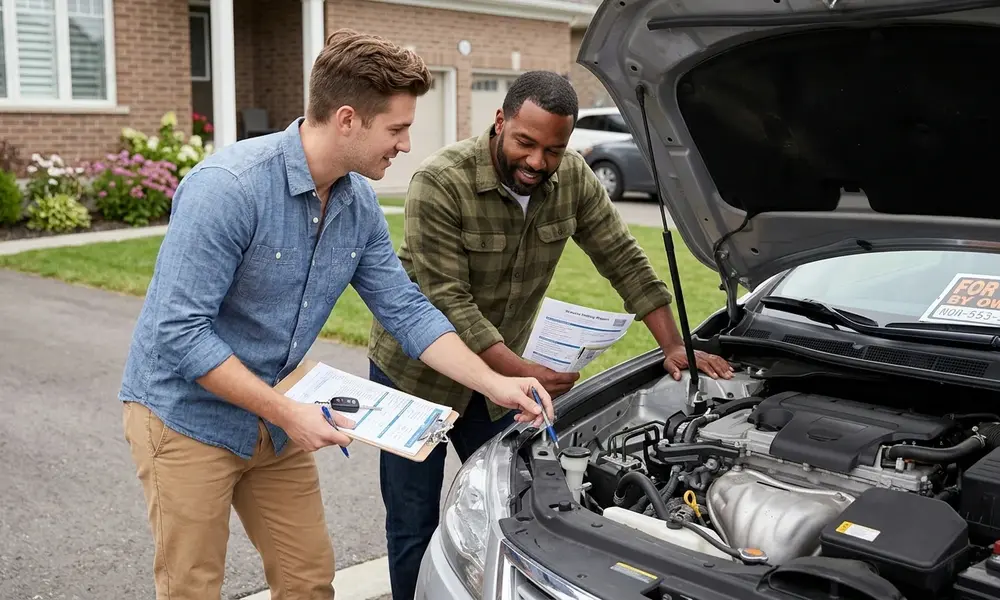
A few questions by phone or email can save you a wasted trip. They may also help you spot problems before spending time inspecting the car.
- “Is the car registered in your name, and can you show me the required ownership documents?”
- “Do you have the car’s service and maintenance records?”
- “Has the car ever been in an accident, damaged by a flood or repainted?”
- “Is there any unpaid loan, legal claim or other issue that could prevent the ownership transfer?”
Common Seller Red Flags vs. What They May Mean
- Seller Says: “The car is registered in a family member’s name, but I have the title.”What It May Mean: You need to confirm who legally owns the car. The legal owner may need to take part in the sale. Before paying, make sure the ownership can be transferred into your name under local rules.
- Seller Says: “It only needed a small paint touch-up to look better.”What It May Mean: The paint work might be harmless, but it could also cover old damage or rust. Look closely at the paint and ask for a professional inspection if anything seems unusual.
- Seller Says: “The AC only needs a cheap gas refill.”What It May Mean: Low refrigerant can be caused by a leak, although poor cooling can have other causes too. Have the AC checked before assuming the repair will be cheap.
5. Used Car Buying Tips: How to Check the Documents
These Used Car Buying Tips can help you avoid paperwork problems before buying a used car. Check the ownership documents, seller’s ID and VIN carefully to make sure the details match. Also, look for outstanding loans, legal restrictions and available vehicle history records before committing to the purchase.
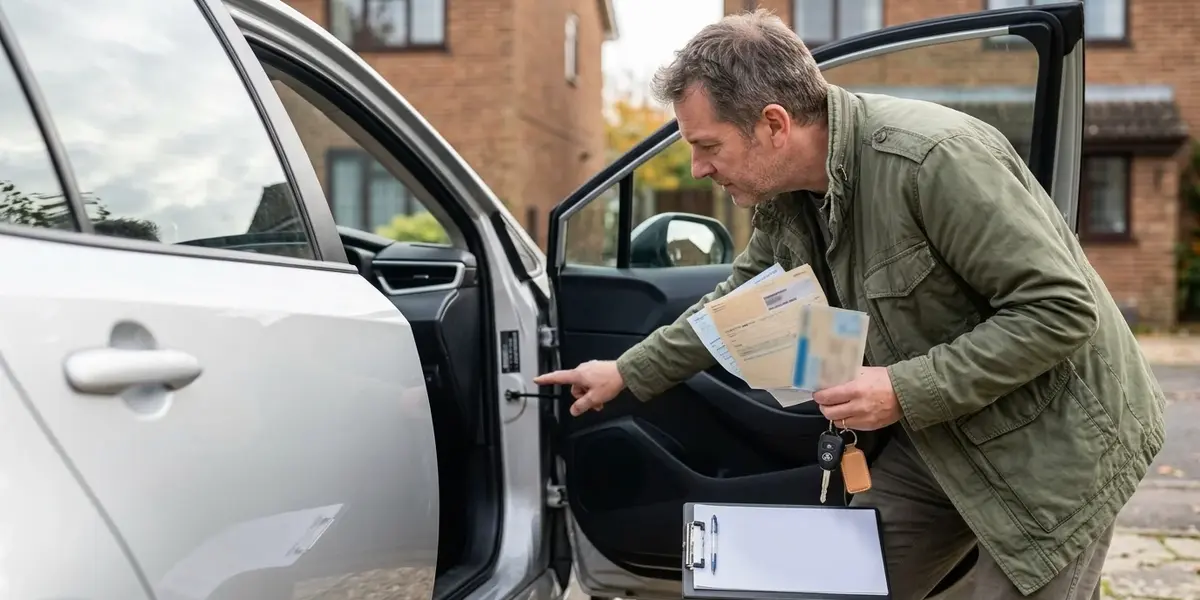
- Check Ownership: Review the original or officially accepted ownership documents. Confirm that the car can legally be transferred into your name. Where records are available, look for signs that it was written off, damaged by a flood, rebuilt or given another special status.
- Match the Seller’s ID: Compare the legal owner’s name on the documents with the seller’s official ID. If the names do not match, find out why and resolve the issue before proceeding.
- Check the VIN in Person: Match the Vehicle Identification Number (VIN), also called the chassis number in some markets, on the documents with the number marked on the car. Modern cars often have a 17-character VIN, but the format and location can vary by car and market. Check the locations listed by the manufacturer. Any mismatch or sign of tampering needs further investigation.
- Get a Vehicle History Report: If a report is available, use the VIN or chassis number to check the car’s recorded mileage, past owners, service records and reported accidents. Keep in mind that some events may not appear in the report. A clean report does not prove that the car has never been damaged.
- Check for Unpaid Loans: Find out whether an unpaid loan, legal claim or other financial restriction is attached to the car. If a release document is needed, make sure you get the correct paperwork.
- Check Emissions and Safety Records: Where local rules require these checks, confirm that the car meets the rules for emissions, safety and road use.
6. Cars You Should Avoid
A low asking price can be tempting, but some cars may cost much more than expected once problems come to light. Be extra careful with these six types.
- Salvage or Rebuilt Title Cars: An insurance company may have declared these cars a total loss, or they may have been rebuilt after major damage. Check their damage history, legal status and repair quality before considering a purchase.
- Cars With Unclear Ownership: Do not buy a car if you cannot confirm the seller’s identity or legal right to sell it using the ownership documents.
- Flood-Damaged Cars: Heavy water exposure can cause hidden engine problems, electrical faults and rust. Some damage may not be easy to spot during a quick inspection.
- Cars With Changed VIN Numbers: Be cautious if the VIN markings are scratched, missing, do not match the documents or look as if they have been welded back into place. Do not buy the car until the issue has been checked and cleared by the right authority.
- Cars That Need Major Repairs: Be careful with cars that have missing parts, a broken drive system or serious problems described as “minor work.” Get a repair estimate before deciding whether the car is worth buying.
- Cars With Changed Odometer Readings: Compare the dashboard mileage with service records, inspection reports and the car’s general condition. Differences may raise concerns about whether the reading is correct.
7. Body and Paint Check (Do It in Daylight)
These Used Car Buying Tips can help you spot visible damage before buying a used car. Inspect the body and paint in bright daylight, as darkness, heavy rain and poor lighting can hide scratches, rust and signs of previous repairs.
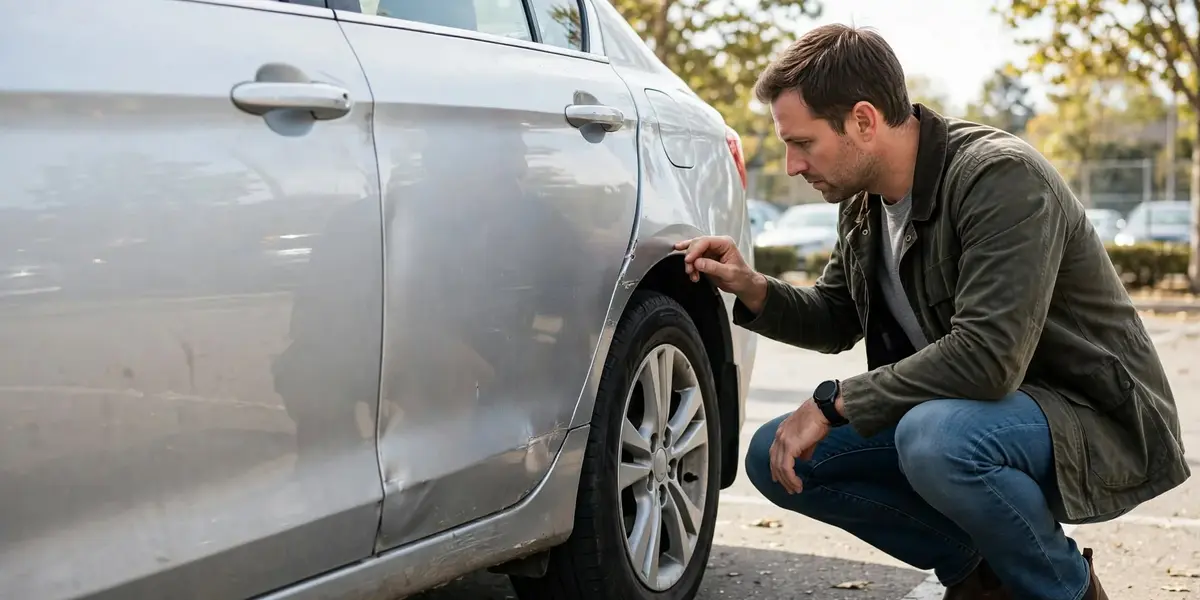
- Panel Gaps: Look at the gaps around the hood, doors and trunk. Uneven gaps may point to old repairs, poor alignment or accident damage. However, uneven gaps alone do not prove that the car has structural damage.
- Paint Color and Finish: Look along the sides of the car for differences in color, uneven reflections or paint on rubber trim. These signs may mean that some parts have been repainted or repaired.
- Rust and Corrosion: Check the lower edges of the doors, the body panels below them, the wheel arches and any parts underneath the car that you can safely reach. Pay special attention to rust that could weaken the car’s structure.
- Trunk Floor Sealant: Lift the trunk carpet and look around the spare tire. Uneven or disturbed sealant may be a sign of earlier repairs. If you suspect accident damage, ask a trained inspector to check it.
- Tire Tread and Age: Check all four tires for uneven tread wear. This can point to problems with wheel alignment, suspension or tire pressure. Where available, look for the four-digit date code on each tire’s sidewall. Old tires need careful checking even when the tread looks fine. Replacement advice varies by manufacturer and vehicle, so follow the correct guidance. Replace any tire that is damaged or unsafe.
8. Engine Bay Check
These Used Car Buying Tips can help you spot potential engine problems before buying a used car. Before starting the engine, open the hood and look for leaks, visible damage and signs of poor maintenance. These basic checks can reveal warning signs, but a professional inspection is still important to identify hidden problems.
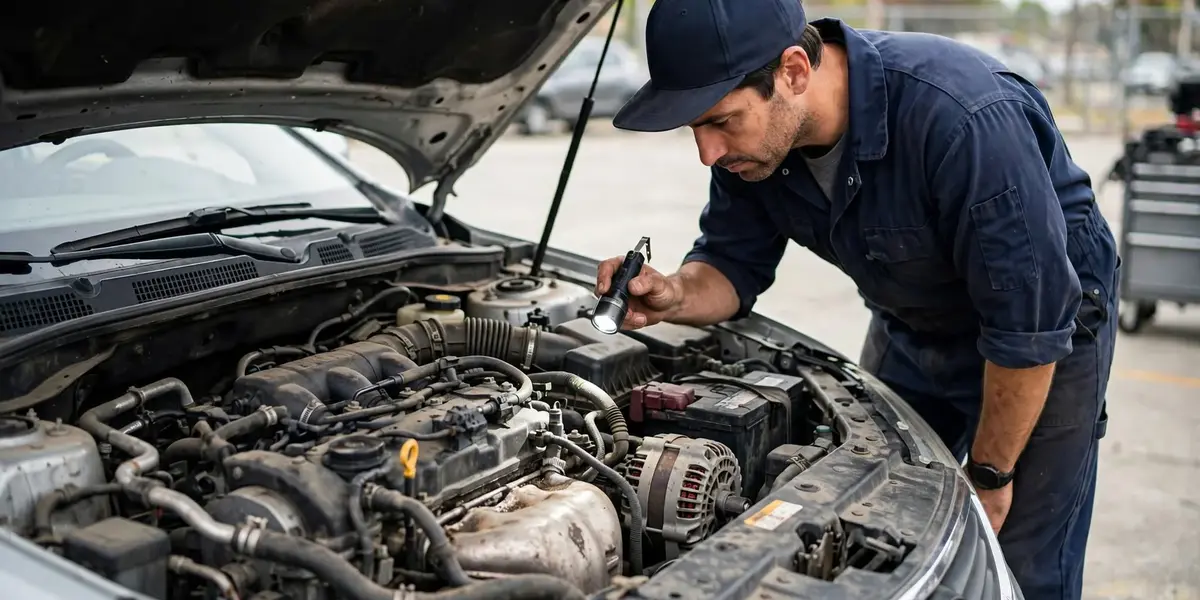
- Froth Under the Oil Cap: Remove the oil filler cap and look for milky white deposits. Moisture can cause these deposits, but they may also appear when coolant mixes with engine oil. This sign alone does not prove that the head gasket is damaged. Ask a mechanic to find the cause.
- Exhaust Smoke and Blow-By: If possible, start the engine while it is cold and watch the exhaust. Blue smoke may mean the engine is burning oil. Black smoke may point to too much fuel or fuel that is not burning properly. A little white vapor during a cold start can be normal. Thick white smoke that continues may mean coolant is entering the engine’s burning chambers. Have unusual or ongoing smoke checked by a professional.
- Coolant Condition: Check the coolant tank only when the engine is cool. Coolant comes in different colors, so color alone cannot tell you if it is in good condition. Look for dirt, oily deposits, unusual color changes or signs of leaks. Never open a hot cooling system that is still under pressure.
- Fluid Leaks: Look under the engine, around the engine covers and near radiator hoses for oil or coolant leaks. Some leaks are difficult to find without lifting the car or getting a professional inspection.
- A Very Clean Engine Bay: A clean engine bay in an older car is not automatically a warning sign. However, washing the engine can make fresh leaks harder to spot. Look for leaking fluids and ask for a professional inspection if you have concerns.
9. Interior, Gauge, and AC Check
The car’s interior can tell you something about how it has been used and maintained. Check the seats, controls and warning lights instead of judging the cabin by its appearance alone.
- Wear vs. Mileage: Compare the interior with the mileage shown on the dashboard. Worn pedals, a smooth steering wheel or a sagging driver’s seat in a low-mileage car may raise questions. However, wear also depends on how the car was used and maintained, so it does not prove that the mileage is wrong.
- Electrical System: Test the power windows, mirrors, door locks, radio buttons, windshield wipers and inside lights. Check the warning lights and make sure important systems work as they should.
- Air Conditioning and Heater: Test both cooling and heating if the car has these features. Check that air flows through the different vents. Notice any bad smells, weak cooling, unusual noises or uneven heating and cooling.
10. How to Do a Proper Test Drive
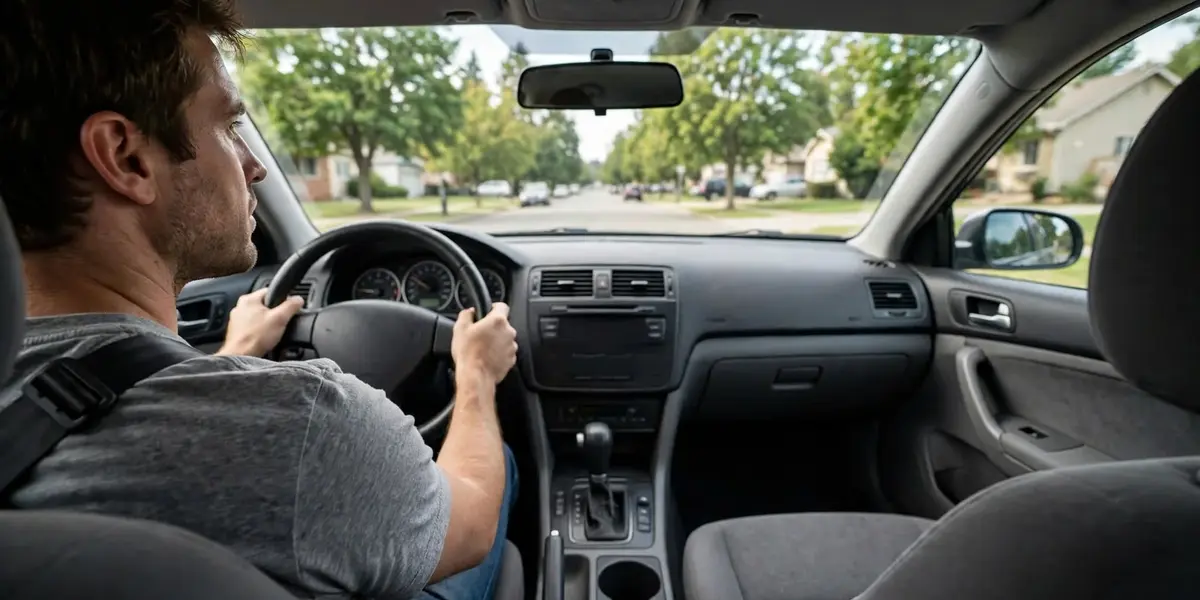
These Used Car Buying Tips can help you get more out of your test drive. Drive the car on different types of roads, check how the brakes respond and listen for unusual noises. A proper test drive can reveal problems that may not be obvious when the car is parked.
- Cold Engine Start: If possible, see the car before the engine has been warmed up. Listen for unusual metal ticking, knocking or other strange sounds when you start it.
- Steering Alignment: If road conditions allow, drive along a straight, level road. Notice whether the car pulls to one side or the steering wheel shakes. Keep in mind that the road’s slope, tire condition and wind can also affect how the car moves.
- Brake Performance: Test the brakes firmly at a safe speed, such as 40 mph (about 64 km/h), if traffic and road conditions allow. The car should slow down in a steady, controlled way. Grinding, unusual noises or shaking through the brake pedal need further checking.
- Gear Shifts: Automatic gears should usually change smoothly and predictably. A manual gearbox should change gears without heavy grinding or clutch slipping. Normal behavior depends on the type of gearbox.
- Suspension Check: Drive carefully over normal bumps or uneven roads. Listen for clunks or squeaks and notice whether the car bounces too much. These signs may point to suspension problems.
11. Get an Independent Inspection
Used Car Buying Tips are especially helpful when checking a vehicle for hidden damage, poor maintenance and signs of previous repairs.
- Pre-Purchase Inspection (PPI): Ask an independent mechanic or qualified repair shop to inspect the car before you buy it. They should check the engine, gearbox, brakes, suspension, body structure, signs of past repairs and other key parts.
- Diagnostic OBD-II Scan: If the car supports it, use a suitable scanner with its diagnostic port to check current and saved fault codes. Some cars may keep records of recently cleared codes or tests that are not yet complete. However, a scan cannot always prove whether a seller has deliberately cleared a warning light.
- Check Service Records: Look through available receipts and service records for regular oil changes, timing belt changes where needed and other major services. Compare the dates and recorded mileage to see whether the details make sense.
12. Buying a Used Hybrid or EV: What Is Different
Hybrid and electric cars need a few extra checks because their batteries and electrical systems can affect running costs. You should still complete the usual paperwork, body and mechanical checks.
- Battery State of Health (SOH): Ask an EV expert to use a suitable diagnostic tool to check the condition and available capacity of the main high-voltage battery. An SOH below 80% may mean less driving range, but that figure alone does not mean the battery needs replacing. Check the manufacturer’s guidance, remaining warranty, usable range and test results before buying.
- Home Charging Equipment: Check whether the car includes suitable charging cables and any original portable charger. Equipment can vary by model and market. Confirm which plugs and adapters come with the car and whether they work with your planned charging setup.
- Regenerative Braking: If possible, test the system that uses the electric motor to slow the car and recover energy. Braking can feel different from one car to another. Look for warning lights, unusual behavior or sudden changes between electric braking and normal brakes.
- Battery Cooling and Related Systems: Ask an expert to check the battery cooling system, inverter cooling system and related parts according to the car’s design. Not all electric cars use the same cooling system, and service needs vary by model.
13. Negotiate Like a Pro
Once you know the car’s condition and the prices of similar models, you have a stronger basis for making an offer. Use real inspection findings rather than guessing how much the seller should lower the price.
- Use the Inspection Report: Do not let excitement push you into paying more than you planned. Point to specific repairs found during the inspection. For example: “The mechanic found worn front brakes and an oil leak, so I have included the expected repair costs in my offer.”
- Sample Negotiation Statement: “Based on the prices of similar cars and the new tires this car will need, my offer is $15,500.”
- Know When to Walk Away: Be ready to leave if the seller refuses a fair inspection, pressures you to decide immediately or will not resolve serious ownership or safety issues.
14. Pay Safely and Complete the Transfer
Before handing over money, make sure you understand how the payment and ownership transfer will work. Keep a clear record of the sale and follow the rules in your area.
- Traceable Payment Methods: Avoid carrying large amounts of cash when possible. Use a verified bank transfer or another payment method that leaves a record and suits the deal. Confirm that the payment has gone through and keep proof.
- Bill of Sale: Where required, prepare a written sale document signed by both the buyer and seller. Include the date, purchase price, VIN or chassis number, recorded mileage and the relevant details of both parties. Follow the rules for sale documents in your area.
- Complete the Title Transfer: Fill out the ownership transfer papers with the seller and submit them to the correct vehicle office within the required time. The paperwork, process and deadlines depend on where you live.
15. Warranty and After-Sales Cover
These Used Car Buying Tips also include checking warranty options before you buy. A warranty may help cover certain repair costs after purchase, but the protection depends on the plan. Read the terms carefully to understand what is covered, what is excluded and whether the extra cost is worth it.
- Certified Pre-Owned (CPO) Programs: Some car makers and official dealerships sell certified used cars that have passed set checks and include a warranty. The checks and benefits vary, so read the actual terms instead of assuming every program offers the same protection.
- Third-Party Extended Warranties: These optional plans may cover certain mechanical problems. Check what is excluded, how much you must pay for a claim, the claim limits, the maintenance rules and which repair shops you can use.
16. Used Car Buying Tips Checklist
Take this checklist with you when you inspect a car. It can help you keep track of what you have checked and what still needs attention.
| Step / Category | Inspection Item | Status (OK / Issue) |
|---|---|---|
| Documents | Ownership papers checked and seller’s identity matched | [ ] |
| Documents | VIN or chassis number on the car matches the papers | [ ] |
| Documents | Available history checked for accidents and mileage | [ ] |
| Exterior | Panel gaps checked and paint finish inspected | [ ] |
| Exterior | Underside, doors and floor checked for rust | [ ] |
| Engine Bay | Oil, coolant and visible leaks checked | [ ] |
| Drive & Cabin | Gear shifts, brakes, steering and climate control tested | [ ] |
| Payment | Sale papers completed and payment method checked | [ ] |
Common Mistakes First-Time Buyers Make
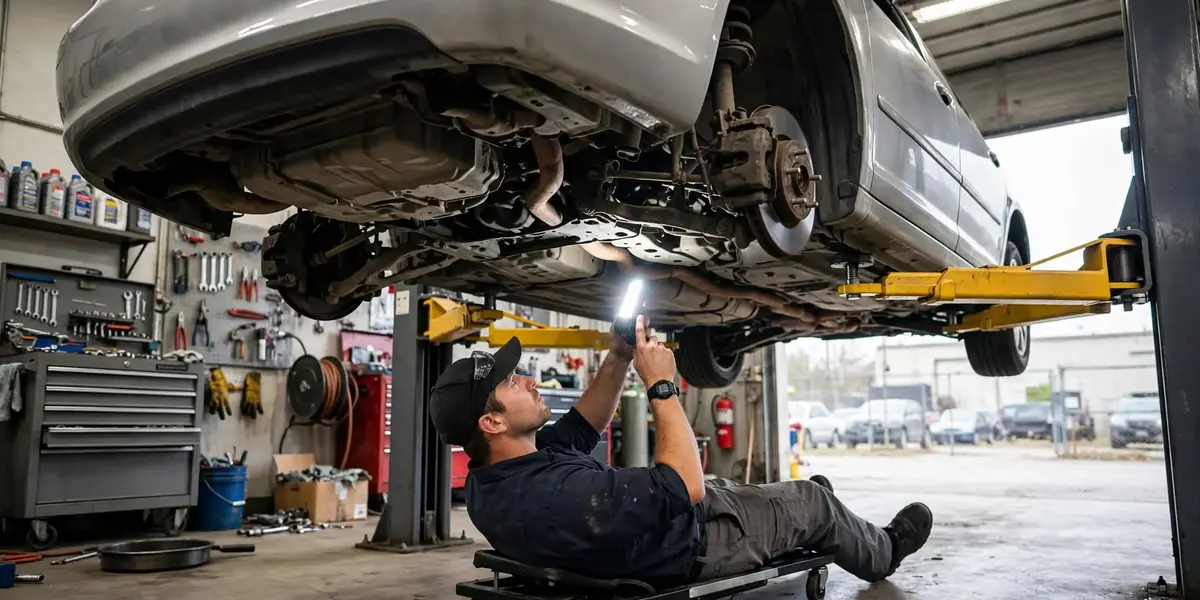
These Used Car Buying Tips can help first-time buyers avoid common mistakes that lead to unexpected expenses. Focus on the car’s condition, get an independent inspection, verify ownership details and leave enough money for costs beyond the purchase price.
- Buying With Your Heart: Getting excited about special wheels, leather seats or other features while overlooking major engine or gearbox problems.
- Skipping a Professional Inspection: Trying to save money by skipping an independent mechanic’s inspection. This can leave you unaware of problems that may cost much more to repair later.
- Ignoring Ownership Details: Paying before checking the ownership papers, available car history and the seller’s legal right to sell the vehicle.
- Forgetting Extra Costs: Spending all your money on the car itself and leaving nothing for taxes, insurance, repairs or early maintenance.
Final Word
Following these Used Car Buying Tips can help you make a safer choice and reduce the risk of costly mistakes. Take your time, check the paperwork, inspect the car in daylight and have an independent mechanic examine it before you decide. These steps can lower the risk of unexpected repair bills and help you choose a car that suits your needs.
Clear Actionable Step: Get a vehicle history report for the car you are considering, using its VIN or chassis number where a report is available. Then book an inspection with a qualified mechanic before agreeing to buy it.
FAQs
Is it safe to buy a car without service records?
It can be riskier because you have less information about the car’s maintenance history. If the records are missing, arrange a full inspection before buying and check an available vehicle history report for recorded service and mileage details. Neither check can guarantee that the car was properly maintained throughout its life.
What is considered normal annual mileage for a used car?
Normal yearly mileage depends on the country, driving habits and how the car is used. As a rough guide, some markets use 10,000 to 12,000 miles (about 16,000 to 19,000 km) per year as a benchmark. A 5-year-old car with 50,000 to 60,000 miles may fall within this range. However, mileage alone cannot tell you whether the car is in good condition. Compare it with service records, inspection results and the car’s overall wear.
How do I know if an odometer reading was rolled back?
Compare the dashboard mileage with available vehicle history reports, inspection reports and service records. Heavy wear on the steering wheel, pedals, driver’s seat and other parts may raise concerns if the mileage is low. But wear alone cannot prove that the reading was changed. A qualified inspection can help identify signs that do not match the recorded mileage.
Should I buy a used car from a private seller or a dealer?
Private sellers may offer lower prices, but your legal protection and warranty depend on local law and the terms of the sale. Dealers may offer loans, inspection reports or certified used-car programs, but these benefits vary. Before deciding, compare the car’s condition, paperwork, total cost and the protection available to you.
Is a pre-purchase inspection worth the money?
Yes. An inspection can help uncover hidden engine, gearbox, body or accident damage before you buy the car. The price depends on your location, the type of car and how detailed the checks are. Ask an independent mechanic for a price before booking.
What is the safest way to pay a private seller?
Use a payment method that leaves a record, such as a verified bank transfer where available. Check the seller’s identity, confirm that the money has gone through and keep proof of the payment. Follow any extra payment rules that apply in your area.