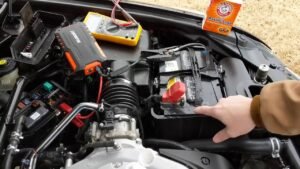
You’re halfway to work when the brake pedal suddenly feels softer than usual. A few minutes later, you notice the temperature gauge climbing and a small puddle under the car.
It’s tempting to think, “I’ll deal with it after work.”
That decision can turn a simple maintenance problem into an expensive repair.
The better approach is to stop, look for the warning signs, and find the likely cause before the problem gets worse. A low fluid level, damaged tire, weak battery, worn brake component, or warning light can often tell you that your car needs attention.
These car repair tips show you what to check first, which problems you may be able to handle yourself, and when it’s safer to call a mechanic.
Car Repair Tips: What Should You Check First?
When your car suddenly behaves differently, don’t start replacing parts based on a guess. Start with the symptom.
Car won’t start? Check the battery and connections.
Brake pedal feels soft? Stop treating it as a minor issue and have the brake system checked.
Engine temperature is rising? Pull over safely and let the engine cool rather than continuing to drive.
Tire keeps losing air? Look for a puncture or damage instead of repeatedly adding air.
The key is simple: notice the symptom, check the obvious causes, and fix the problem before it creates a bigger one.
Key Takeaways
Before getting into individual problems, remember these simple rules:
- Check early: Strange noises, warning lights, leaks, and changes in handling should not be ignored.
- Start with basics: Check tires, battery connections, fluid levels, and visible damage before assuming a major failure.
- Know your limits: Wipers, tire pressure, and some basic checks may be DIY-friendly. Brakes, steering, overheating, and complex electrical faults may need a mechanic.
- Don’t guess: A single symptom can have several causes. Diagnose before replacing parts.
- Follow your manual: Your owner’s manual gives the correct maintenance intervals, fluid specifications, tire pressures, and vehicle-specific instructions.
What Are the Most Important Car Repair Tips?
The best car repair tips are often simple: notice problems early, check the basics, maintain your car regularly, and don’t ignore safety-related symptoms.
For example, a tire that slowly loses air may only need a puncture repaired. But continuing to drive on an underinflated tire can create a much bigger problem.
The same applies to other systems:
- Check tire pressure and condition regularly.
- Monitor engine oil and other required fluids.
- Pay attention to brake, steering, and suspension changes.
- Investigate warning lights instead of ignoring them.
- Listen for new or unusual noises.
- Keep your battery and charging system in good condition.
- Follow the manufacturer’s maintenance schedule.
- Get professional help when a repair involves safety-critical systems.
The goal isn’t to become a mechanic overnight. It’s to recognize a problem early enough to make a smart decision.
26 Common Car Problems and Maintenance Solutions
Your car usually gives you clues before a repair becomes serious. The trick is knowing what those clues can mean and what to do next.
1. Car Won’t Start
You turn the key or press the start button and nothing happens, or the engine cranks but doesn’t start.
Start with the basics. Check the battery condition and connections. If those look fine, the starter, fuel system, ignition, or electrical system may need diagnosis.
Best move: Don’t keep replacing parts based on guesses. Find the cause first.
2. Weak or Dead Battery
A slow engine crank, clicking sound, dim lights, or repeated starting problems can point to a weak battery.
Check the battery terminals for looseness or corrosion. If the battery keeps going flat after charging, have the battery and charging system tested.
Best move: If the battery repeatedly dies, look for the underlying charging or electrical problem.
3. Check Engine Light
A check-engine light doesn’t automatically mean you need a new sensor or expensive engine repair. Many different faults can trigger it.
A diagnostic scanner can reveal stored trouble codes, but the code is only a starting point, not always proof that a particular part has failed.
Best move: Diagnose the cause instead of clearing the light and hoping it stays away.
4. Engine Overheating
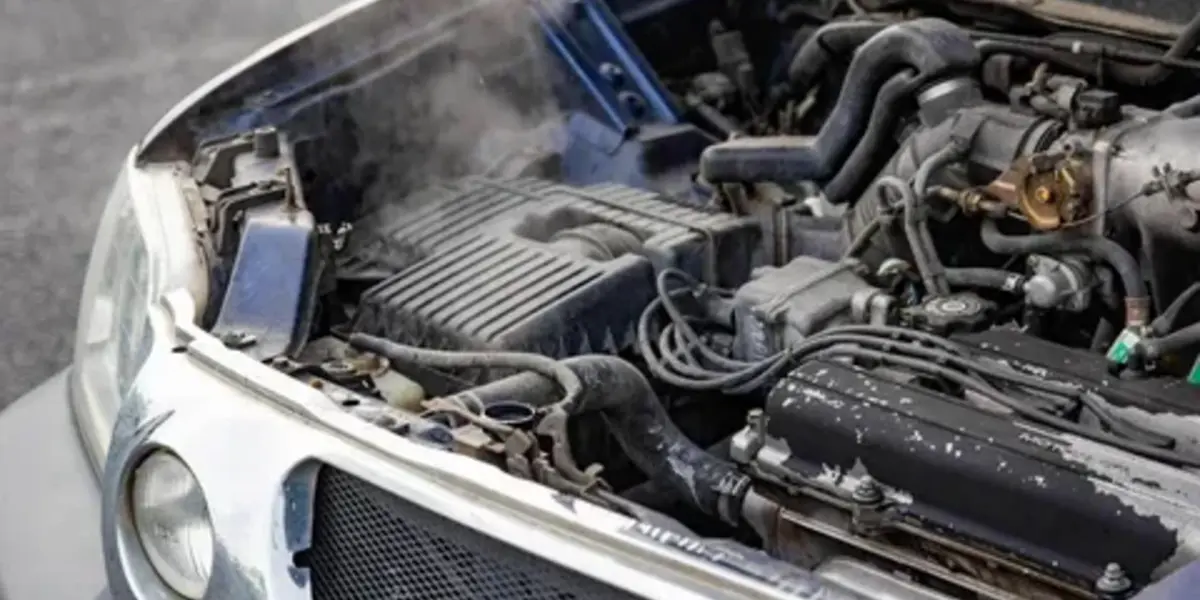
A rising temperature gauge, warning light, steam, or coolant smell can signal an overheating problem.
Possible causes include low coolant, a leak, cooling-fan problems, thermostat issues, or other cooling-system faults.
Best move: Stop safely if the engine is overheating. Let it cool and never open a hot radiator or coolant-system cap.
5. Low Engine Oil or an Oil Leak
Oil is essential for engine lubrication. A low level or visible oil leak shouldn’t be ignored.
Check the oil according to your owner’s manual and use the specified oil type. If the level keeps dropping, find out where the oil is going.
Best move: Don’t simply keep adding oil without investigating a recurring loss.
6. Squealing or Grinding Brakes
A brief squeal doesn’t always mean the same thing as grinding, but persistent brake noise deserves attention.
Grinding can indicate severe wear or damaged components. Changes in braking performance make the situation even more urgent.
Best move: Have unusual or worsening brake noise inspectesd rather than waiting for the brakes to fail.
7. Soft or Spongy Brake Pedal
A brake pedal that suddenly feels soft, low, or spongy can indicate a hydraulic problem, air in the system, low fluid, or a leak.
Because braking is safety-critical, this isn’t a good problem to experiment with.
Best move: If braking feels abnormal, have the system inspected before continuing normal driving.
8. Low Tire Pressure
A tire can lose pressure because of a puncture, valve problem, temperature change, or other leak.
Check pressure when the tires are cold and use the vehicle manufacturer’s recommended pressure.
Best move: If one tire keeps losing air, find the leak instead of repeatedly adding air.
9. Flat or Damaged Tire
A flat tire is inconvenient, but driving on a severely damaged or underinflated tire can make the problem worse.
Look for punctures, cuts, cracks, or bulges. Use your spare or approved emergency equipment if appropriate.
Best move: Don’t assume a visibly damaged tire is safe simply because it can still hold some air.
10. Uneven Tire Wear
If one edge of a tire wears faster than the rest, something may be wrong with tire pressure, alignment, wheel balance, or suspension components.
Replacing the tire without correcting the cause can lead to the same problem again.
Best move: Have abnormal wear inspected before buying replacement tires.
11. Car Pulls to One Side
If your car constantly drifts left or right, first check tire pressures.
If the pressures are correct, alignment, brakes, steering, suspension, or tire problems could be involved.
Best move: Don’t ignore persistent pulling, especially if the steering behavior suddenly changes.
12. Car Shakes or Vibrates

A shaking car can have several causes, including tire damage, wheel imbalance, alignment problems, or worn suspension parts.
Pay attention to when the vibration happens. Shaking at a certain speed points to different possibilities than shaking mainly during braking or acceleration.
Best move: Check the tires first, then have the wheels, alignment, brakes, and suspension inspected if the vibration continues.
13. Strange Engine Noises
Clicking, knocking, squealing, rattling, or grinding sounds can be early warnings of mechanical trouble.
Don’t assume the noise automatically identifies the failed part. Note when it happens, during startup, acceleration, braking, or idling.
Best move: A new, loud, or worsening engine noise deserves diagnosis before it turns into a major repair.
14. Worn or Dirty Air Filter
A heavily restricted air filter can reduce proper airflow to the engine.
Check the filter according to your vehicle’s maintenance instructions. Some cars require replacement more often than others depending on driving conditions.
Best move: Inspect it and replace it when the manufacturer recommends it or when its condition requires replacement.
15. Worn Windshield Wipers
If your wipers leave streaks, skip across the glass, smear water, or fail to clear the windshield properly, visibility can suffer.
This is one of the easier DIY car repair jobs.
Best move: Replace damaged or worn wiper blades rather than driving with poor visibility.
16. Low or Dirty Coolant
Low coolant can result from normal maintenance needs, leaks, or cooling-system problems. A recurring drop in level needs investigation.
Only check or open the cooling system when the engine is cool.
Best move: Use the coolant specified for your vehicle and find the cause of repeated coolant loss.
17. Brake Fluid Problems
Low brake fluid can be caused by normal brake wear or a leak, depending on the vehicle and situation.
Never simply assume that adding fluid solves the problem.
Best move: Check the correct fluid specification and have unexplained fluid loss or changes in braking inspected promptly.
18. Transmission Problems
Slipping, delayed shifting, harsh gear changes, unusual noises, or fluid leaks can indicate transmission trouble.
Transmission problems can become expensive when ignored, and the correct repair depends heavily on the vehicle and transmission type.
Best move: Have persistent symptoms diagnosed early rather than continuing to drive and hoping they disappear.
19. Weak Alternator
A weak charging system may cause dim lights, electrical problems, warning lights, or a battery that repeatedly loses charge.
A new battery won’t permanently solve the issue if the charging system isn’t working correctly.
Best move: Test the battery and charging system before replacing parts.
20. Starter Problems
If the battery appears healthy but the engine won’t crank, the starter or starting circuit may be involved.
However, a no-start condition can have several causes, so don’t automatically blame the starter.
Best move: Check the battery and connections first, then diagnose the starting system.
21. Worn or Faulty Spark Plugs
Depending on the engine, worn spark plugs can contribute to rough running, misfires, hesitation, or poor acceleration.
Spark-plug service intervals vary by vehicle.
Best move: Follow the manufacturer’s replacement schedule and investigate persistent misfires instead of simply changing plugs repeatedly.
22. Fluid Leaks
A puddle under your car can be an important clue. Oil, coolant, brake fluid, transmission fluid, and condensation from air conditioning can have different appearances.
Best move: Identify the fluid and its source before deciding whether the vehicle is safe to drive.
23. Poor Fuel Economy
A sudden drop in fuel economy may come from low tire pressure, driving conditions, maintenance issues, or an engine-related fault.
Don’t immediately blame the fuel itself.
Best move: Start with tire pressure and basic maintenance, then investigate if the change is sudden or persistent.
24. Steering Problems
Difficulty steering, excessive play, unusual noises, or a sudden change in steering feel can indicate a problem with steering, suspension, tires, or related components.
Best move: Treat significant steering changes as safety concerns and have them inspected promptly.
25. Suspension Problems
A car that bounces excessively, clunks over bumps, sits unevenly, or develops unusual tire wear may have a suspension problem.
Worn components can also affect handling and tire wear.
Best move: Have the suspension inspected instead of replacing one part based only on a symptom.
26. Dashboard Warning Lights
Warning lights are your car’s way of telling you that something needs attention.
Some warnings may allow you to continue carefully to a repair facility, while others require immediate action. The meaning depends on the specific symbol and vehicle.
Best move: Check your owner’s manual and don’t ignore a warning that appears with severe symptoms or a change in vehicle behavior.
Which Car Repairs Can You Do Yourself?
Not every car problem needs a repair shop. Some basic maintenance jobs are simple enough to handle at home, while others can become dangerous if done incorrectly.
The key question isn’t just “Can I fix it?” It is “Can I fix it safely and correctly?”
Beginner-Friendly DIY Car Repairs
If you have the correct tools and your owner’s manual supports the procedure, beginners can usually start with simple jobs such as:
- Checking and adjusting tire pressure
- Replacing windshield wipers
- Inspecting tires for visible damage
- Checking accessible fluid levels
- Replacing some air filters
- Inspecting battery terminals
- Checking lights and other basic equipment
Before starting, park on a stable surface, use the correct tools, and follow the vehicle-specific instructions.
Repairs Better Left to a Mechanic
Some problems require specialized equipment, experience, or safety precautions.
These include:
- Major brake repairs
- Steering and suspension repairs
- Airbag systems
- Transmission repairs
- Major engine work
- Complex electrical faults
- High-voltage hybrid and EV systems
If you cannot confidently identify the problem or don’t understand the repair procedure, stop and get professional help.
| DIY-friendly | Skill-dependent | Professional recommended |
| Tire pressure | Battery replacement | Airbag systems |
| Wiper replacement | Spark plugs | Major brake work |
| Basic inspections | Some electrical work | Transmission repair |
| Some filters | Some fluid services | Major engine work |
Which Car Problems Need Immediate Attention?
Some problems can wait for a convenient appointment. Others shouldn’t.
Fix Now
Stop and address the problem promptly if you experience:
- Serious brake problems
- Severe engine overheating
- Major fluid leaks
- Significant steering problems
- Serious tire damage
- Loss of normal vehicle control
If the vehicle isn’t safe to drive, don’t risk driving it to a repair shop. Arrange appropriate roadside assistance or professional help.
Fix Soon
These problems may not require an immediate stop, but don’t ignore them:
- Repeated battery problems
- Persistent warning lights
- Uneven tire wear
- Worsening unusual noises
- Recurring fluid loss
- Poor vehicle performance
Early diagnosis can prevent a small fault from becoming a larger repair.
Monitor and Maintain
Minor issues that don’t affect safety can sometimes be monitored while you arrange routine service.
However, a problem that changes, worsens, or begins affecting braking, steering, engine temperature, or vehicle control should move into the fix soon or fix now category.
Common Car Symptoms and What to Check First
When your car behaves differently, the symptom can help you decide where to start.
| Symptom | Possible cause | First action |
| Car won’t start | Battery, starter, electrical fault | Check battery and connections |
| Grinding brakes | Worn brake components | Arrange brake inspection |
| Engine overheating | Coolant or cooling-system problem | Stop safely and let it cool |
| Car shaking | Tire, wheel, alignment, suspension issue | Inspect tires first |
| Car pulls sideways | Tire pressure, alignment, brake issue | Check tire pressures |
| Fluid under car | Oil, coolant, brake or transmission leak | Identify the fluid |
| Warning light | System fault | Check the owner’s manual |
These checks are starting points, not diagnoses. One symptom can have several causes, so avoid replacing parts until the fault has been properly identified.
Basic Car Repair Checklist for Beginners
A simple maintenance routine can help you catch problems before they become expensive.
Weekly Checks
Take a quick look at:
- Tire condition
- Visible leaks
- Warning lights
- Lights and indicators
- Changes in braking, steering, or handling
You don’t need to perform a full inspection every week. The goal is to notice something that wasn’t there before.
Monthly Checks
Check:
- Tire pressure
- Tire tread and visible damage
- Engine oil, when appropriate for your vehicle
- Accessible fluid levels
- Battery condition
- Windshield wipers
Tire pressure deserves particular attention. NHTSA recommends checking tire pressure at least monthly and before long trips. Use the pressure specified by the vehicle manufacturer.
Before a Long Trip
Before heading out, check:
- Tire pressure and condition
- Engine oil
- Required fluids
- Brakes
- Lights and wipers
- Battery condition
- Spare tire or emergency equipment
A five-minute check can reveal a low tire or fluid leak before you’re stranded far from home.
Follow Your Manufacturer’s Maintenance Schedule
Don’t use a random online mileage chart as a universal rule.
Maintenance intervals vary by vehicle, engine, model year, driving conditions, and manufacturer.
Your owner’s manual is the best starting point for knowing when to service or replace vehicle-specific components.
Basic Tools for DIY Car Repair
You don’t need a professional workshop to perform basic checks.
A useful starter kit includes:
- Tire-pressure gauge
- Basic socket and wrench set
- Screwdrivers
- Flashlight
- Work gloves
- Wheel chocks
- Appropriate vehicle lifting and support equipment
- OBD-II scanner for basic diagnostics, where compatible
Start with tools you’ll actually use. Buying specialized equipment before knowing what repair you’re performing can waste money.
When Should You Take Your Car to a Mechanic?
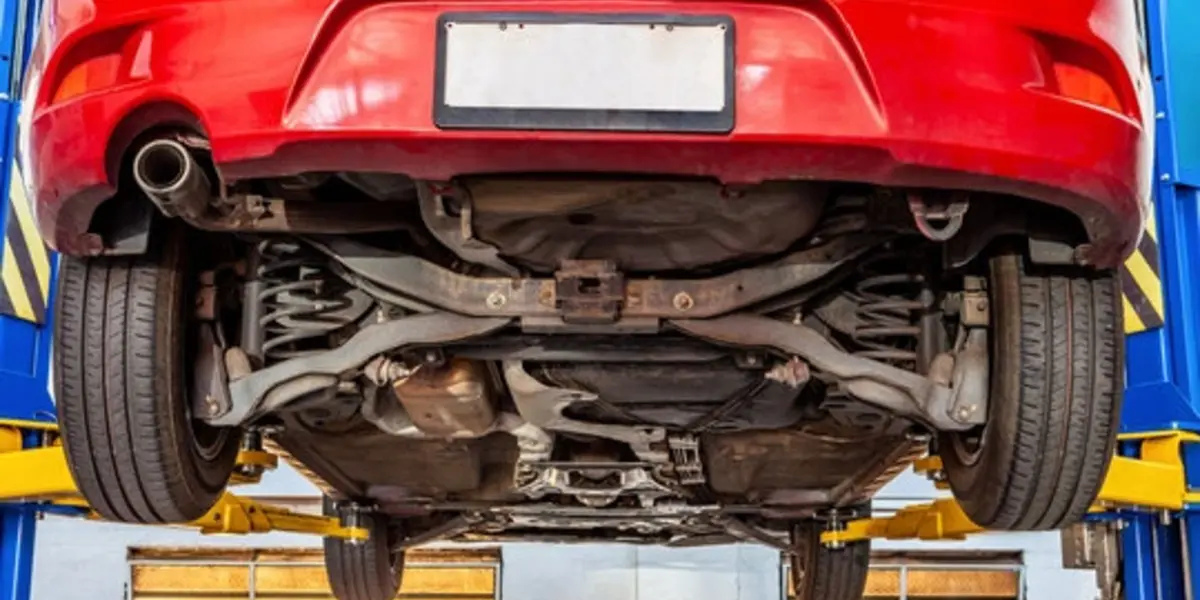
A mechanic is the better choice when the problem involves safety, specialized equipment, or a diagnosis you can’t confidently make.
Get professional help if:
- Brakes feel abnormal
- Steering suddenly changes
- The engine overheats
- A major fluid leak appears
- A warning light appears with severe symptoms
- The repair involves airbags
- The problem involves high-voltage hybrid or EV components
- You have already tried basic checks but can’t identify the cause
A good repair isn’t necessarily the one you can do yourself. It’s the one that fixes the problem safely and correctly.
How to Avoid Unnecessary Car Repair Costs
A repair bill becomes harder to control when you don’t know what actually failed.
Diagnose Before Replacing Parts
A symptom doesn’t always identify the faulty component.
For example, a car that won’t start may have a battery, starter, electrical, or other problem. Test first rather than buying parts based on a guess.
Ask for a Written Estimate
Before approving major work, ask what the estimate includes:
- Diagnosis
- Parts
- Labor
- Additional recommended repairs
- Warranty, if applicable
Don’t Automatically Choose the Cheapest Quote
Two estimates may not cover the same repair. Compare the parts, labor, repair scope, and warranty, not just the final number.
Keep Your Maintenance Records
Save receipts and note the date, mileage, repair performed, and recurring symptoms.
Good records make it easier to spot repeated problems and explain the vehicle’s history to a mechanic.
Final Thoughts on Car Repair Tips
You don’t need to become a mechanic to take better care of your car.
You just need to notice when something changes.
A tire that keeps losing air, a brake pedal that feels different, an engine that runs hot, or a warning light that suddenly appears can all be early clues. Deal with those clues before they become bigger problems.
Use these car repair tips as a starting point, but rely on your owner’s manual for vehicle-specific maintenance instructions. And when a repair involves safety-critical systems or you’re not confident about the diagnosis, getting professional help is usually the smartest repair decision.
Frequently Asked Questions
What are the most important car repair tips?
Check your tires, fluids, brakes, battery, warning lights, and unusual symptoms regularly. Follow your manufacturer’s maintenance schedule and investigate small problems before they become expensive repairs.
What car repairs can I do myself?
Basic jobs such as checking tire pressure, replacing wipers, inspecting tires, checking accessible fluids, and replacing some filters may be suitable for DIY work.
How do I know if my car needs repair?
Watch for warning lights, unusual noises, vibrations, fluid leaks, poor performance, unusual smells, braking changes, steering problems, or anything that feels different from normal.
How can I prevent expensive car repairs?
Keep up with scheduled maintenance, maintain correct tire pressure, check fluids, respond to warning lights, and investigate unusual symptoms early.
What should I check if my car won’t start?
Start with the battery and its connections. If they appear healthy, the starter, charging system, fuel system, ignition, or electrical system may need further diagnosis.
When should I take my car to a mechanic?
Get professional help for abnormal braking or steering, severe overheating, major leaks, complex electrical problems, transmission issues, airbags, and high-voltage hybrid or EV systems.
What tools do I need for basic car repair?
A tire-pressure gauge, basic socket and wrench set, screwdrivers, flashlight, gloves, wheel chocks, and suitable vehicle-support equipment are useful starting tools.
How often should I maintain my car?
Follow the maintenance schedule in your owner’s manual. Service intervals vary by vehicle, engine, age, mileage, driving conditions, and manufacturer recommendations.