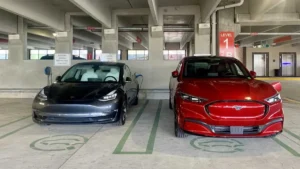
The 2026 electric vehicle market is buzzing with competition, particularly between the Tesla Model 3 and Ford Mustang Mach-E. Choosing between them boils down to personal preferences. The Tesla Model 3 is a stylish sedan focused on technology and performance, while the Ford Mustang Mach-E is an SUV offering more space for passengers, making it ideal for those who prioritize roominess over style. Both vehicles offer impressive features, but the decision ultimately depends on whether you prefer a sleek sedan or a more spacious SUV with advanced technology.
Introduction
By 2026, the electric vehicle market will be as hot as it gets in the USA, and many drivers will find themselves reluctantly caught between two of the most titanic offerings: Ford vs Tesla. The decision between the Tesla Model 3 vs Mustang Mach‑E really is a choice of whether you want a new sedan that prioritizes style and technology or an SUV with room for more passengers. The latter excels in interior space and traditional build quality, while the Model 3 still reigns supreme as far as efficiency and charging infrastructure.
But ChevySUV says, if the most range and best software in the business are your main priorities, then it’s Tesla all the way. However, if you require a family-friendly crossover with a slightly more traditional cabin layout and rugged exterior styling, then it’s the Ford that wins.
Designing the Future: Sedan vs. SUV
EV Comparison USA: A Tale of Form Factor First The traditional Nissan Leaf is a low-slung aerodynamic sedan designed to carve through the air with little resistance, but the Tesla Model 3 promises even lower drag. It looks sharper than ever following a recent “Highland” refresh, and its 2026 model year updates focused on smoothing out the techies.
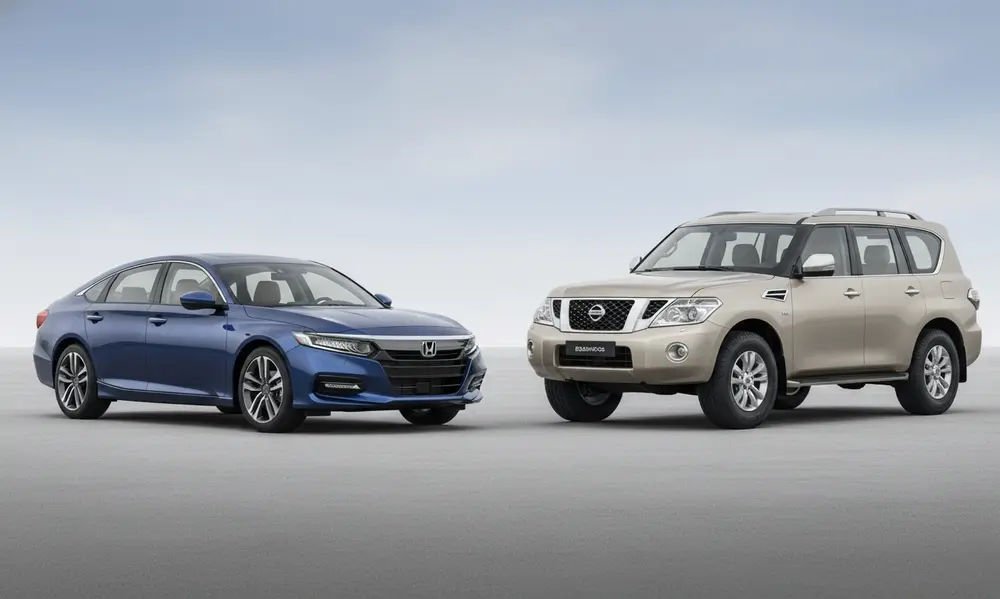
The only exception is the Ford Mustang Mach-E, which is taller and sports artfully chiseled haunches that are typical of its namesake. The position is much higher, a big advantage for buyers transitioning from conventional gas-powered crossovers. The Tesla is designed for efficiency, the Ford for presence, providing at least hatchback capacity to make loading groceries or sports equipment so much easier.
Analyzing EV Performance and Handling
In EV terms, both vehicles are astonishingly quick on the launch, fast enough to embarrass most sports cars. Particularly, the Model 3, especially in Performance trim, is like a scalpel; it has such a low center of gravity and a quick steering rack that it feels as if it’s pirouetting on top of its wheels. And it is the choice for the driver who wants to feel bonded with the road.
The Mustang Mach-E GT certainly holds its own, serving up prodigious thrust that pins you firmly to your seat. However, as a larger SUV, it’s got more lean in the turns than the Tesla. Ford has made the suspension a touch more compliant over potholes, giving it a ride some American families may be accustomed to for long interstate hauls.
Performance and Range electric SUV specs
Here’s the electric SUV specs comparison table:
|
Feature |
2026 Tesla Model 3 (Long Range) | 2026 Ford Mustang Mach-E (Ext. Range) |
| 0-60 MPH | ~4.2 Seconds |
~4.8 Seconds |
|
Estimated Range |
340+ Miles | 310+ Miles |
| Drivetrain | Dual Motor AWD |
Dual Motor AWD |
|
Top Speed |
125 MPH | 120 MPH |
| Charging Speed | 250 kW (Supercharger) |
150 kW (DC Fast Charge) |
Interior Comfort and Technology
The dashboard is also where much of the ongoing Tesla Model 3 vs Mustang Mach-E debate gets hottest. The Tesla cabin is notoriously spartan, dominated by a single 15-inch touchscreen that operates everything from the windshield wipers to the glovebox. For some, the futuristic aspect of this is appealing, while for others, the lack of physical buttons or an instrument cluster behind the steering wheel could be a drawback.
Ford is more moderate about it. One touch screen dominates the Mach-E’s interior and is oriented vertically, but a small digital speed-and-maps display lies before the driver.
Meanwhile, the infotainment system in the Ford offers a much more traditional, upscale vibe with loads of soft-touch materials plus all those memory foam surfaces and whatnot that give the Tesla’s vegan-leather-and-plastic interior at least occasional second-horned-muy-granto vibes.
Practicality and Storage Solutions
The Mach-E, of course, offers more utility when you look at specs for electric SUVs. It includes a practically sized trunk, plus what Tesla refers to as “frunk,” bolded for extra marketing pizzazz (ahem), including a drain plug and marketed as an ice chest, complete with drinks for tailgating. In the suburbs, where you may have kids or pets in need of ferrying, even more headroom and that upright entry/exit you get in your Mach-E makes it a better everyday driver.
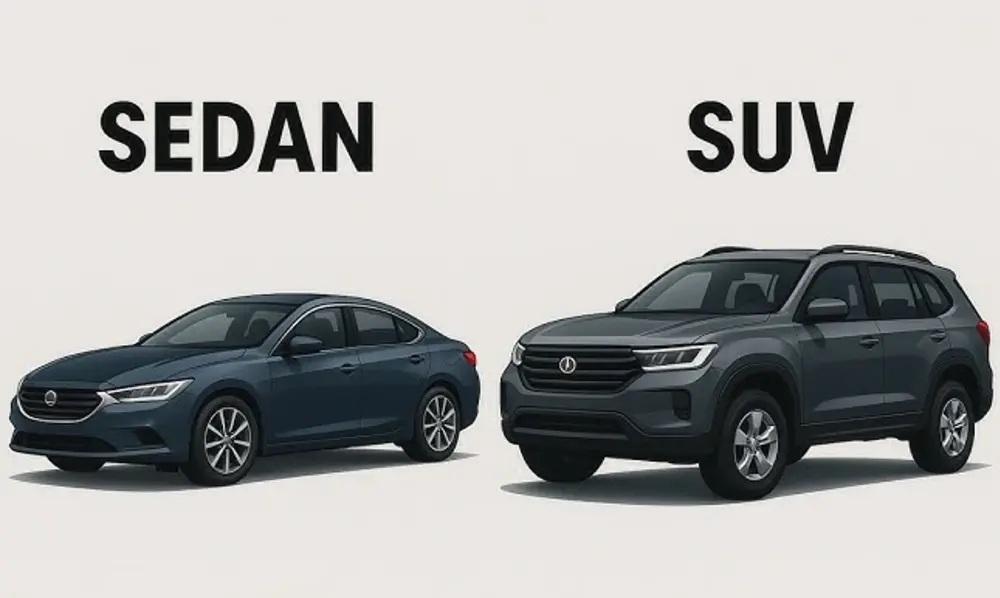
Semi-flat model: The Model 3 has a shockingly deep trunk (not HEAP level) and its own frunk, but the opening to the sedan is virtually where my grandma would stow her valuables. You won’t be throwing a mountain bike or most furniture delivery boxes in the Tesla nearly as easily as you would into the Ford.
But according to ChevySUV, when it comes to trip planning and the “Plug & Charge” technology, which is basically worry-free activation and usage of all of Tesla’s Superchargers, well, in that regard, Tesla’s software integration continues to be the best around.
Charging Infrastructure in the USA
Charging experience: One of the most significant points in any EV comparison in the USA is the charging experience. For years, Tesla has had a walled garden with its fast-charging Supercharger network, but the lines have started to blur in 2026 as Ford owners gain access to many Tesla stations using adapters. Tesla, on the other hand, does have a more seamless integration where you can simply navigate to a station and the car will precondition it for optimized charging speed.
Ford customers use the metered BlueOval Charge Network, which rolls up a number of separate third-party chargers like Electrify America. These have come on leaps and bounds, but are still varying levels of reliable. If you regularly rack up ultra-long-distance road trips across rural states, the Tesla still holds a modest edge when it comes to “refueling” convenience.
Software and Driver Assistance
The Tesla Model 3 vs. Mustang Mach‑E debate is controversial but truly advanced. Still monitored by a driver, these systems are now smoother than ever in 2026. Your car could literally get new features and an improved range as you sleep in your driveway, thanks to Tesla’s ability to push over-the-air updates.
FordBlueCruise is a strong contender, especially for real hands-free driving on certain North American highways. BlueCruise has become a popular choice with drivers, as it utilizes an infrared camera to observe driver gaze rather than simply needing a hand on the wheel.
Ownership Costs and Maintenance
When examining all the stats for electric SUVs – and even sedan costs – EVs are typically winning on maintenance. Ditch the oil changes, ditch the spark plugs (in many cases), ditch the timing belts. Ford and Tesla offer solid battery warranties, generally for about 8 years or 100,000 miles, so there’s peace of mind as to long-term reliability.
Insurance costs, however, can be very different. The specially prepared aluminum body and glass roofs of Teslas tend to push repair costs up, which can also lead them to be more expensive to insure. In some states, using more conventional methods of construction, the Mustang Mach-E might see lower premiums. Always be sure to get a quote on both of these prior to signing on the dotted line.
Environmental Impact and Sustainability
Tesla Model 3 vs Mustang Mach-E: What Are the Differences?
Both companies are headed towards more eco-friendly manufacturing practices. Tesla is way ahead on cobalt in its batteries, and Ford has pledged carbon neutrality throughout its manufacturing footprint by 2050.
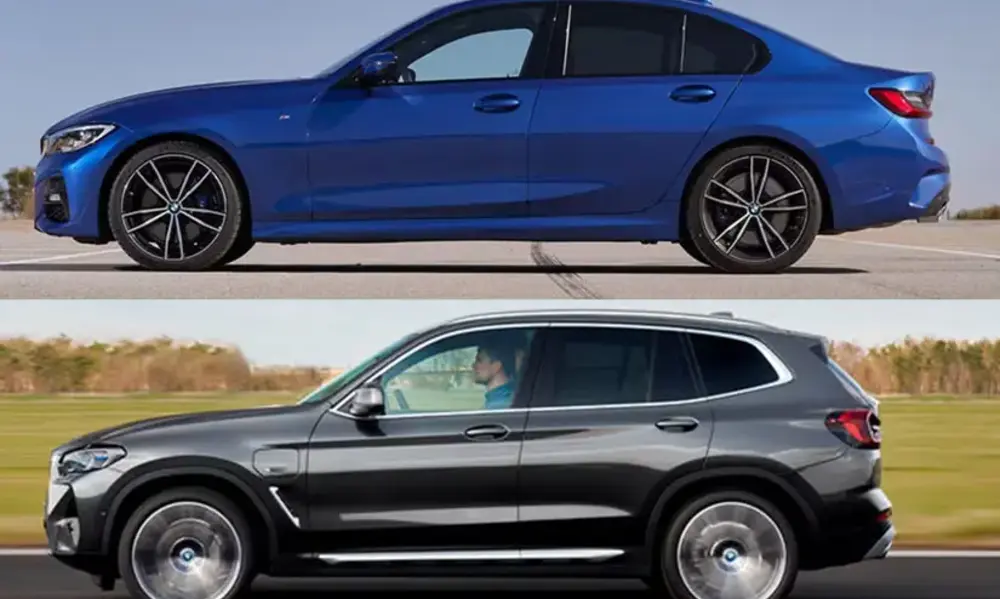
By being efficient, the Model 3 will use better energy consumption per mile driven, and that means a lower total carbon footprint over its lifetime. Ford is on the right track here, too, while using recycled interior materials for the Mach-E shows a commitment to circular economy principles. Each is the top of the American engineering tree in the race to decarbonize our streets.
Which Performance Trim Should You Buy?
The Model 3 Performance is a speed freak’s delight, with EV performance that can’t be beat. As well as a “Track Mode” that lets you create your own ratio for power between the front and rear wheels. It’s a car for drivers that love to drive, and want something responsive the moment they push a pedal.
The Mustang Mach-E GT Performance Edition is for the “stoplight grand prix.” It sends a shocking shove from rest that feels like an old-school American muscle car.
No, it’s not primarily about track times; it’s all about the neck-snapping power on a highway merge. Both brands have managed to keep their distinct “souls” in the electric era, an aspect we applaud here at ChevySUV.
Real-World Driving: The Commuter’s Perspective
An average of 30 miles a day commute would lead one to choose comfort between Tesla Model 3 vs Mustang Mach‑E. Double-paned glass makes the Model 3 exceptionally quiet, isolating you from road noise. Its seats can often make the claim to be some of the most comfortable in all of automotive history, as if you’re essentially plopping down into a high-end office chair.
The Mach-E offers a bit more road feel, which may appeal to some drivers. Apple CarPlay and Android Auto, two things that Tesla still refuses to support, are both available with the new infotainment system over-the-air. So if your life is driven (so to speak!) by the ecosystem of your smartphone, it might be the Ford that proves far less exasperating on a daily basis.
Value Retention and Resale
Resale Value has been up & down in the EV comparison USA market. Tesla has even cut prices on several occasions, which can prove painful for existing owners who want to sell their vehicles, although the brand retains a cult-like following to maintain demand. The Model 3 is a global best-seller for good reason: it is a well-known platform with an enormous parts and service market.
For an electric crossover, the Mustang Mach-E really holds its value well. The “Mustang” nameplate possesses a level of esteem in the automotive space that makes it rise above the growing number of folks looking for used EVs. Ford’s network of dealerships also means that service or trade-in appraisals are easier to come by than with Tesla’s more centralized service center model.
Why Form Factor Matters for Families
As we dig into the comparison of Tesla Model 3 vs Mustang Mach‑E, it can’t be ignored. Fitting a rear-facing car seat in the back of a Tesla Model 3 can be somewhat tight, and you will bend over low to buckle a kid up. Compared to the Mach-E, that higher roofline and wider door openings make it a much more parent-friendly option.
The Mach-E also includes an optional fixed panoramic glass roof that adds to the spacious feel of the cabin, just like the Tesla. Ford, however, treats its glass with a special coating that blocks infrared light even better in order to keep the cabin cooler during the scorching summer heat of the southern USA.
Frequently Asked Questions
Which is better, the Tesla Model 3 or the Ford Mustang Mach-E?
It depends on your preferences. The Tesla Model 3 offers style and cutting-edge technology, while the Ford Mustang Mach-E excels in space and versatility as an SUV.
What’s the difference between the Tesla Model 3 and the Ford Mustang Mach-E?
The Model 3 is a sedan focused on sleek design and advanced tech, while the Mach-E is an SUV designed for more passenger space and a higher ride.
Is the Tesla Model 3 more suitable for families?
No, the Tesla Model 3 is a sedan, offering limited space. For families, the Ford Mustang Mach-E is a better option with its roomier interior.
Does the Ford Mustang Mach-E offer the same tech as the Tesla Model 3?
The Mach-E offers solid tech features, but the Tesla Model 3 is known for its superior tech, including autonomous driving features and over-the-air updates.
Which electric vehicle has more driving range?
A5: Both vehicles offer impressive ranges, but the Tesla Model 3 typically offers a longer range compared to the Ford Mustang Mach-E, depending on the model chosen.