Key Takeways
- Sequoia uses standard hybrid power for efficiency
- Tahoe offers multiple engine options including diesel
- Sequoia delivers higher instant hybrid torque
- Tahoe wins in cargo space and interior practicality
- Sequoia is more fuel-efficient in city driving
- Tahoe performs better in highway economy (diesel)
- Sequoia vs Tahoe: hybrid innovation vs V8 versatility
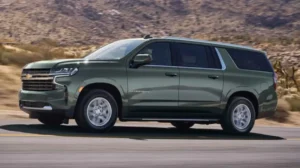
When you need to haul the big family, tow that boat or tackle a cross-country road trip, as only traditional, full-size SUVs can, no other type of vehicle will do. In this installment, two giants take the challenge with a distinctly different engineering approach. Now its not just brand loyalty its tahoe vs sequoia powertrains. Some brands shut the door on their storied, low-rumbling V8s, while Toyota put all its chips in on a state-of-the-art twin-turbocharged hybrid system.
The tahoe vs sequoia showdown examines two different visions of modern capability. The Chevy Tahoe wins for families on the go with a real useable third row and an enormous flat cargo floor according to the automotive experts. Over the Sequoia, on the other hand, replies more than with a remarkable torque delivery and better efficiency.
You need to look beyond the shiny brochures at ChevySUV, where we know that choosing a full-size rig is about more than marketing. So, let’s analyze how these two giants compare in a head-to-head tahoe or sequoia matchup to see which is the best tahoe vs sequoia towing, cargo, and lifestyle machine for your driveway.
Fuel Economy and Real-World Efficiency
The most dramatic disparity between these two platforms manifests itself at the pump. But if your goal is to squeeze the most miles from every gallon, take a look at the tahoe vs sequoia mpg numbers and you can see that these two vehicles were engineered in very different ways.
The standard, and conventional, 5.3-liter EcoTec3 V8 provides a classic powertrain with classic fuel appetites; rear-wheel-drive models manage to wrangle an EPA-estimated 15 mpg in the city and 20 mpg on the highway. Of course, those numbers change a bit when you choose the more muscular 6.2-liter V8. Chevrolet, however, has a secret weapon for the mileage nerds in the form of an optional 3.0-liter Duramax turbo-diesel inline-six. This all-diesel powerplant splits the difference, with a stellar EPA rating of 21 mpg city and 27 mpg highway for high-mileage tricksters. fuel economy that already has highway crusaders talking about interminable road-trip distances.
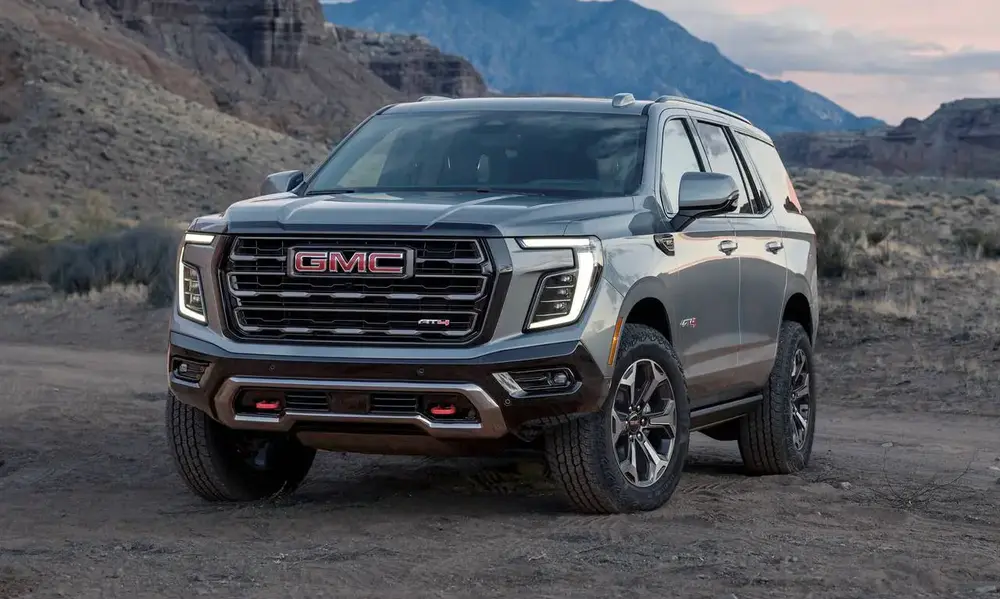
Toyota drops engine options altogether with the i-FORCE MAX hybrid system being standard on every trim level. In this setup, a 3.4-liter twin-turbo V6 is paired with an electric motor to maximize every mile from a gallon of gas. When comparing tahoe vs sequoia hybrid efficiency, the most fuel-efficient Sequoias, the rear-wheel-drive models, earn an EPA-estimated 21 mpg city and 24 mpg highway, while four-wheel-drive versions are in the low-teens for combined. In so-called stop-and-go city traffic, the hybrid system works brilliantly, as the electric motor puts it all out at crawl speed without burning a single drop of fuel. However, for sheer highway cruising, the diesel Tahoe still edges out the tahoe vs sequoia mpg battle.
Towing Performance and Grunt
These rigs are sold for many buyers to haul heavy toys. This means that, when comparing tahoe vs sequoia towing specs (for example), neither is more powerful than the other; they’re just using their strengths in unique ways.
The numbers speak for themselves, as the Toyota Sequoia has a maximum tow capacity of up to 9,520 pounds when properly equipped. The real magic, though, is in the standard tahoe vs sequoia hybrid powertrain rated a whopping 437 horsepower and a pavement-shaking 583 pound-feet of torque. The Sequoia takes off the line with seemingly effortless strength, thanks to an electric motor that provides instant torque and allows the truck to feel firmly grounded pulling a heavy camper up a mountainous highway.
A rear-wheel-drive Chevy Tahoe with the 5.3-liter V8 tops out at 8,400 pounds. Although that total is less than the Sequoia’s peak tahoe vs sequoia towing limit, the Tahoe might offer a slightly better towing experience-which traditionally is helped immensely by such factors as wheelbase and suspension type-as Chevy ships it with an independent rear suspension. ChevySUV also offers up to 14 available camera views, a boat-ramp assist feature, and smart trailering app that integrates directly with the infotainment screen and computes custom routes based on your trailer’s dimensions.
Cargo Space and Interior Practicality
As impressive as mechanical muscle is, an SUV’s day-to-day needs entail passengers and their cargo (other than the occasional hillclimb, of course). Exploring the tahoe vs sequoia interior layouts, we can see this is functional due to the hybrid design from Toyota.
Chevy Tahoe Interior Design
The nonindependent rear suspension of older generations is gone, and the tahoe vs sequoia interior space highlights the packaging of the Chevy Tahoe, which benefits from an independent axle that permits such a low, flat cabin floor. The Tahoe has a maximum cargo space of 122.7 cubic feet with all rear rows laid flat.
Even with the third row lifted, the trunk is an extremely practical space for suitcases and strollers. Adults or taller teenagers will find 34.9 inches of legroom in the third row, which is adequate for comfortable long-distance road trips. The large 17.7-inch infotainment touchscreen sits on the dashboard, tilted toward the driver.
Toyota Sequoia Interior Design
Because of this mechanical layout, the Toyota Sequoia has to compromise significantly on packaging. In order to accommodate the tahoe vs sequoia hybrid battery pack and a standard solid rear axle, Toyota needed to lift the floor at the back of the truck. Consequently, the third-tier chair clash cartridges are probably not going to drop totally level into the floor as they do in various SUVs; rather will collapse downwards before stepping into a rack process.
Cargo room is slightly eclipsed, maxing out at 86.9 cu-ft., while third row space falls to a more confined 12 cubic ft. The high floor also puts the seats in the third row into a “knees-up” position, which is less accommodating for adults. If you always fly a full house plus luggage, selecting the tahoe or sequoia is basically an open-and-shut case in favor of the roomy Chevy tahoe vs sequoia interior architecture.
Long-Term Reliability and Ownership
Buying a big SUV is an expensive endeavor, so long-lasting reliability plays an enormous role in your buying decision. When it come to the sequoia vs tahoe reliability debate, two legendary automotive reputations go head-to-head.
For most of its history, Toyota has carefully cultivated an image for mechanical durability that is nearly bulletproof. The Sequoia carries this lineage with it and rides on the Tundra’s high-strength truck platform. That said, buyers evaluating sequoia vs tahoe reliability should also keep in mind the i-FORCE MAX hybrid system is rather complicated and features both turbochargers, intercoolers, an electric motor generator as well as a battery pack. The historical data show excellent residual values, but with so many moving parts, long-term maintenance is a specialist task.
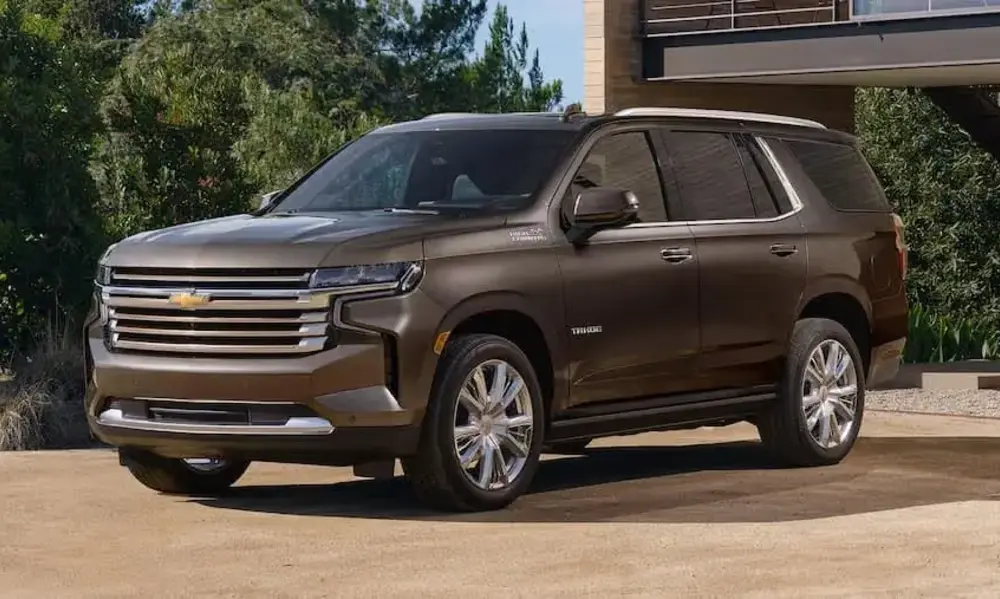
Chevrolet has gone about it more in the old-school tradition with its small-block V8 engines. Basically, every mechanic in North America knows the 5.3-liter and 6.2-liter motors inside and out, with parts easily available and inexpensive as well. Historically, the Tahoe has performed among the best in both initial quality and long-term reliability scoring by J.D. Power. If you’re an owner who would rather deal with simple, tried-and-true mechanical components instead of high-tech hybrid complexities, then the Tahoe has provided some old-school reassurance that’s tough to pass up in the sequoia vs tahoe reliability calculation.
Technology and Safety Layouts
Both manufacturers have loaded their 2026 flagships with cutting-edge driver assistance systems to protect your family on the open road.
-
Chevy Safety Assist: Every Tahoe from ChevySUV comes standard with advanced front pedestrian and bicycle braking, lane keep assist, and blind zone steering intervention.
-
Super Cruise hands-free driving: Available on higher trims, this class-leading system allows for true hands-free driving across hundreds of thousands of miles of mapped North American highways.
-
Cabin Glance Camera: A clever, discreet interior camera allows parents to monitor children sitting in the rear rows directly on the main 17.7-inch center screen.
-
Toyota Safety Sense 2.5: Standard on all Sequoia trims, this suite includes pre-collision warning systems, lane tracing assist, and full-speed dynamic radar cruise control.
-
Panoramic Multimedia Screen: Most Sequoia configurations feature a crisp 14-inch touchscreen interface running Toyota’s latest intuitive multimedia software.
The Verdict: Hybrid Innovation vs. V8 Utility
When choosing between the tahoe or sequoia, the final decision comes down to how you plan to use the vehicle every day. The Toyota Sequoia is a technological tour de force, offering incredible hybrid torque, excellent city fuel economy, and massive tahoe vs sequoia towing numbers for drivers who do not mind a tighter third row.
However, the Chevy Tahoe wins the overall crown for family utility. A full-size SUV is ultimately defined by its ability to carry people and cargo without compromise. With its vastly superior tahoe vs sequoia interior cargo layout, adult-friendly third row, advanced trailering tech, and flexible engine options, the Tahoe from ChevySUV remains the gold standard for full-size family transportation.
Frequently Asked Questions
Which SUV is better for fuel efficiency, the Tahoe or the Sequoia?
The Toyota Sequoia wins the standard tahoe vs sequoia mpg comparison by offering an EPA-estimated 21 city / 24 highway mpg across its lineup thanks to its standard hybrid powertrain. However, if you choose the Chevy Tahoe with the available 3.0L Duramax turbo-diesel engine, it beats the Sequoia on the highway by delivering up to 27 mpg.
Why is the cargo space so different between the Tahoe and the Sequoia?
The difference in the tahoe vs sequoia interior dimensions stems from their rear suspensions. The Tahoe uses a compact independent rear suspension, allowing for a low, flat floor. The Sequoia utilizes a solid rear axle and must clear space for its tahoe vs sequoia hybrid battery pack, which creates a raised, uneven cargo floor that reduces total storage volume.
Can the Chevy Tahoe drive hands-free on the highway?
Yes, when equipped with the available Super Cruise driver assistance technology at ChevySUV, the Chevy Tahoe can steer, accelerate, and change lanes completely hands-free on more than 400,000 miles of compatible highways in the United States and Canada.
What are the main engine differences in the tahoe vs sequoia hybrid match-up?
The tahoe vs sequoia hybrid debate highlights two opposite engineering paths. The Sequoia uses a single, high-tech 3.4L twin-turbo V6 hybrid setup across all models. The Tahoe avoids standard hybridization entirely, offering a choice between a 5.3L V8, a 6.2L V8, or a 3.0L inline-six turbo-diesel engine.
Which vehicle wins the sequoia vs tahoe reliability comparison?
The sequoia vs tahoe reliability evaluation shows strong marks for both. Toyota benefits from its global reputation for long-term durability, though its twin-turbo hybrid system is highly complex. Chevrolet offers simpler, time-tested V8 engines that are inexpensive to maintain and working on a widely used platform backed by ChevySUV.