Luxury Car Logos Explained: History, Meaning & Brand Power
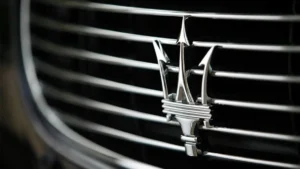
Luxury cars are not just about speed and performance; they are statements of prestige, identity, and craftsmanship. A brand’s emblem is often its most recognizable symbol, representing heritage, innovation, and aspiration. Luxury car logos like the winged Bentley “B,” the Mercedes-Benz star, or BMW’s roundel are more than decorative; they tell a story that resonates globally.
For enthusiasts and researchers, understanding these logos adds depth to the appreciation of high-end automobiles. From the streets of Detroit to the luxury dealerships of Los Angeles and New York, these emblems communicate authority and legacy.
AI Summary
This article explains luxury car logos, exploring their history, meaning, and brand power. Iconic emblems like Bentley, Mercedes-Benz, BMW, and Audi reflect heritage, prestige, and engineering excellence. It highlights how logos shape luxury branding and influence buyers in US markets. A must-read for enthusiasts and researchers interested in premium car badges.
The History of Luxury Car Logos
Car emblems evolved over more than a century. In the early 1900s, manufacturers used monograms, family crests, or simple initials to identify their vehicles. By the 1920s and 1930s, as luxury branding emerged, logos became more intricate, symbolizing not only engineering prowess but also style and exclusivity.
The modern era of logos focuses on sleek design, global recognition, and brand storytelling. The Mercedes-Benz three-pointed star, for example, originated in 1909 in Stuttgart, Germany, representing dominance on land, sea, and air. Similarly, American automotive hubs like Detroit influenced the spread of premium emblems, emphasizing reliability and status.
Iconic Luxury Car Logos and Their Meaning
Bentley Logo
The Bentley emblem features a winged “B” that represents speed, elegance, and Bentley’s aviation heritage. Introduced in 1919, it has become synonymous with British luxury and racing prestige. In luxury markets like Beverly Hills and New York, the Bentley logo is prominently displayed as a symbol of success and lifestyle.
Mercedes-Benz
Mercedes-Benz is instantly recognizable by its three-pointed star. This logo reflects the brand’s ambition to dominate on land, sea, and air, originating in Stuttgart in the early 20th century. It is both a mark of engineering excellence and global luxury, frequently showcased in US luxury car markets.
BMW
BMW’s roundel consists of blue and white quadrants, inspired by Bavarian state colors and often associated with aircraft propellers. Since 1917, the emblem has represented precision engineering and performance, blending heritage with modern innovation.
Rolls-Royce
The interlocked “RR” monogram of Rolls-Royce symbolizes royal elegance and engineering superiority. Known as the pinnacle of British luxury, the emblem carries authority and status, especially in affluent markets like New York, Los Angeles, and Miami.
Audi
Audi’s four interlinked rings represent the merger of four founding companies: Audi, DKW, Horch, and Wanderer. The logo emphasizes unity, precision, and German engineering, making it a global symbol of quality and innovation.
Premium Car Badges: Design and Brand Influence
Luxury car logos are not mere decoration; they are essential tools in brand strategy. A successful emblem is instantly recognizable, communicates heritage, and reflects sophistication. For example, Bentley’s winged “B” conveys speed and luxury, while BMW’s roundel merges national identity with performance.
| Brand | Logo Symbol | Meaning | Headquarters |
|---|---|---|---|
| Bentley | Winged B | Speed & elegance | Crewe, UK |
| Mercedes-Benz | Three-pointed star | Land, sea, air mobility | Stuttgart, Germany |
| BMW | Roundel | Bavarian pride & propellers | Munich, Germany |
| Rolls-Royce | Interlocked RR | Royal elegance & engineering | London, UK |
| Audi | Four rings | Union of four companies | Ingolstadt, Germany |
German luxury logos dominate the global market, representing precision, innovation, and design. Brands such as Mercedes-Benz, BMW, Audi, and Porsche have set benchmarks for elegance and engineering worldwide. In US cities like Los Angeles and Miami, these logos symbolize success and exclusivity, reinforcing brand perception through visual identity.
The Role of Car Emblems in Luxury Branding
Car emblems have evolved from functional markers to powerful symbols of status. Beyond representing a manufacturer, they communicate trust, quality, and lifestyle. Emblems increase recognition, enhance resale value, and influence buying decisions. For instance, the Bentley winged “B” is more than a badge—it signals legacy, refinement, and performance to any onlooker.
Luxury branding relies heavily on these logos to tell a story. They encapsulate decades of heritage, technological innovation, and aspirational marketing. The subtle elegance of a Rolls-Royce monogram or the simplicity of Audi’s four rings creates instant association with luxury, precision, and exclusivity.
Conclusion
Luxury car logos are more than visual markers—they are stories of innovation, heritage, and status. From the Bentley logo meaning to German luxury emblems like Mercedes-Benz and BMW, each badge communicates brand authority and identity.
For enthusiasts and researchers in the US, exploring these logos offers insight into automotive history and the power of visual branding. Visiting local dealerships in cities like Los Angeles, New York, or Detroit allows you to see these symbols up close and understand the prestige they convey.
Call-to-Action: Explore luxury car showrooms in your city to experience these iconic logos firsthand and deepen your understanding of automotive branding.
FAQs
Q1: What do luxury car logos represent in the United States?
A: They symbolize heritage, engineering excellence, and status among luxury buyers in cities like New York and Los Angeles.
Q2: What is the Bentley logo meaning?
A: The winged “B” represents speed, elegance, and Bentley’s racing and aviation heritage.
Q3: Which German luxury logos are most recognized globally?
A: Mercedes-Benz, BMW, Audi, and Porsche are iconic German luxury logos known worldwide.
Q4: Why are car emblems important for branding?
A: They communicate identity, prestige, and quality, influencing consumer perception and loyalty.
Q5: How has the history of car emblems shaped modern luxury branding?
A: Logos evolved from simple identifiers to powerful symbols of status, tradition, and global recognition.