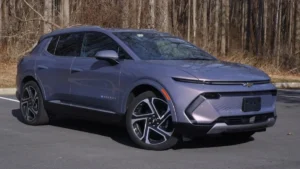
The automotive industry is undergoing significant change, with a major focus on SUVs. Future Chevrolet SUVs will integrate Ultium battery power, efficient hybrid systems, and hands-free driving capabilities. Chevrolet’s roadmap includes zero-emission models, versatile powertrains, and AI-powered safety features. The future lineup will include both all-electric and hybrid SUV options, catering to various consumer needs.
Introduction
The automotive world is experiencing its greatest disruption since the assembly line. The most attractive development of this shift for American families and the adventure-minded is the spudding of SUV. These future Chevy SUVs are more than just concepts; they showcase the capabilities of what they will become, enabled by the move to Ultium battery power, a resurgence in efficient hybrid systems, and an incremental rollout of hands-free driving.
Chevrolet’s roadmap will be built on three key pillars: zero-emissions capability, powertrains that can complement each other while meeting the needs of customers not yet ready to go completely electric, and advanced safety using artificial intelligence.
Well, if you’re looking for the short answer, it’s like this: Future Chevy SUVs will be primarily made up of a lineup of all-electric models between the Equinox and Blazer EVs, added in at the same time as lower-cost but powerful new-generation hybrid Chevy SUV options to help bridge distances.
The Electric Revolution: Ultium Power and Beyond
The move to the Chevy electric SUV is built on the Ultium Platform. That modular battery architecture is precisely why it allows Chevrolet to essentially build any compact crossover, all the way up to a half-ton and larger truck off the same foundation. This technology is important because it greatly reduces the cost of production, while enhancing both range and performance of every automobile.
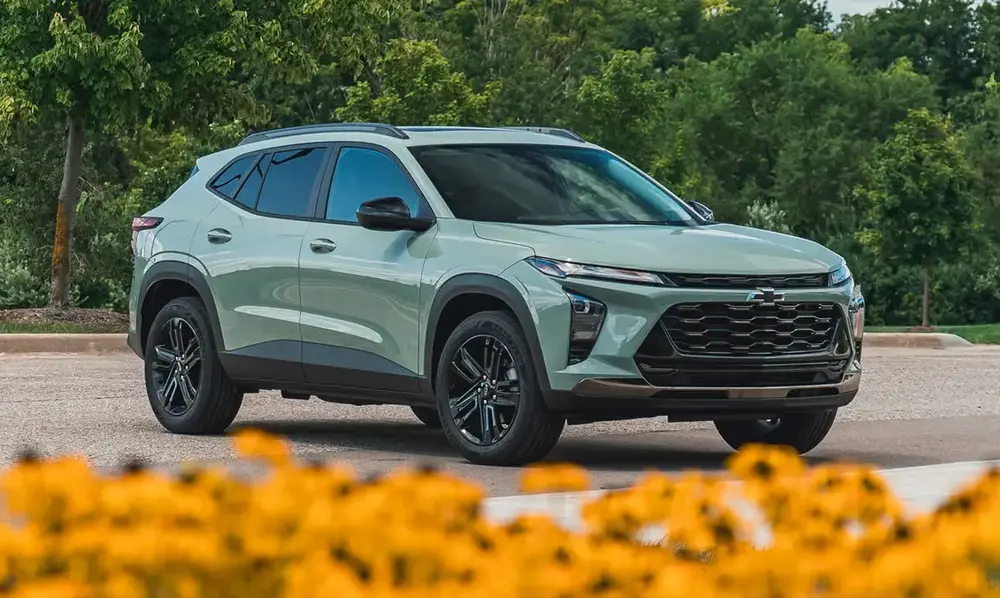
For the average driver, it amounts to longer range or more distance per charge and less time charging. For Future Chevy SUVs, the target apparently is to be in the ballpark of 300 to 400 miles per charge.
It also effectively eradicates “range anxiety” at this level of capability, making the transition to an electric lifestyle a far more viable prospect for those with families or people who live in colder climates where battery efficiency can be variable.
Why Ultium Matters for Modern Families
In the case of a Chevy electric SUV, the inside is going to be bigger than its gas-powered counterpart. Since the batteries are thin and mounted under the floor, it’s not at all unusual for designers to have a lot more freedom in extending legroom or cargo capacity. The new era’s signature feature is this “skateboard” layout, which provides a lower center of gravity for better handling.
The Strategic Return of the Hybrid Chevy SUV
The industry was adamant in pursuing total electrification, yet consumer impressions were clear that the need for flexibility remains. Thus, the hybrid Chevy SUV is back in action. Leave it to hybrids, those vehicles that combine an electric motor for the day-to-day grind of city driving with a gasoline internal combustion engine for highway cruising.
This makes a new hybrid Chevy SUV especially attractive for customers who may not have access to fast EV chargers. Chevrolet, for its part, enables the plug-in hybrid (PHEV) system to let drivers commute solely on electricity during the week, with gasoline doing weekend getaway duty. The brand’s promise to make green driving available for everyone, no matter if their local infrastructure supports it or not, is a big focus for the transitional tech.
Hybrid vs. Electric Comparison
|
Feature |
Chevy Electric SUV | Hybrid Chevy SUV |
| Primary Power | Battery/Motor |
Gas Engine + Electric Motor |
|
Tailpipe Emissions |
Zero | Reduced |
| Fueling Method | Charging Station |
Plug-in Charging + Gas Station |
|
Best For |
Local commuting & Home charging | Long-distance & Mixed utility |
| Maintenance | Lower (No oil changes) |
Standard (Engine maintenance required) |
Autonomous Chevy Technology: Super Cruise and Ultra Cruise
The next thing in the future is not just what drives the car, but who or what does the driving. Super Cruise is evolving into an experience for an autonomous Chevy. At the moment, only compatible highways across North America (hundreds of thousands of miles worth) allow for hands-free driving with this system.
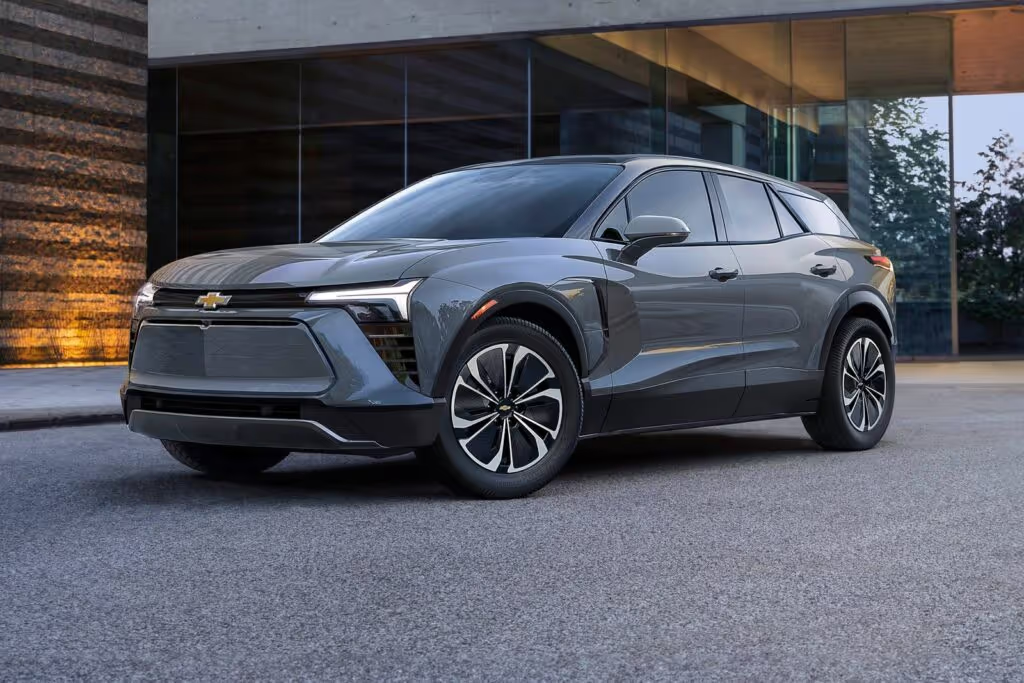
Looking further into the future, in 2026 and beyond, really, Chevy envisions an autonomous car that can provide assistance from “door-to-door.” Ultra Cruise, the next tier up, is designed to accommodate 95 percent of driving situations, think urban roads, intersections, and neighborhood streets. AI systems combine cameras, LiDAR, and radar to create a protective envelope around the vehicle, virtually eliminating the chances of human error.
Experience with Hands-Free Tech
Well, Chevy SUV recently harnessed some data to support the knowledge that drivers are considerably less fatigued on long hauls while using Super Cruise. It tracks the driver’s eyes to check whether he or she is still alert, making it a co-op between the human brain and AI. This is expertise in action, so you can be sure that “autonomous” doesn’t mean “unattended.”
Design Evolution of Future Chevy SUVs
New Tech-Forward Look for Future Chevy SUVs. Electric motors require nothing like gas engines do in terms of cooling; thus, the old front grille is going away in favor of aerodynamic shields that can contain sensors and light signatures. This isn’t merely for aesthetic considerations, but also affects the drag coefficient and thus translates into more miles of range.
In the cabin, physical buttons of yore make way for huge, integrated displays. Though Chevrolet design insists on one area of fit, “Authoritativeness” with essential controls staying close to home. As reflected in the Chevy electric SUV lineup’s eco-conscious mission, high-quality materials and sustainable fabrics are also nearing the as-standard line.
Infrastructure and the Ownership Experience
Having a Future Chevy SUV model is about more than the car itself; it is also about the charging ecosystem. Chevrolet has come a long way from its early days, partnering with several charging networks to make finding a “plug” as easy as finding a gas station.
- Home Charging Installation: Chevrolet often provides credits or assistance for installing a Level 2 charger at your residence.
- The MyChevy App: This tool allows you to plan routes based on real-time charging station availability.
- Battery Health Monitoring: Advanced software ensures your battery lasts for the life of the vehicle, often backed by an 8-year or 100,000-mile warranty.
- Over-the-Air (OTA) Updates: Your autonomous Chevy software will get better over time, with updates delivered directly to the vehicle via the cloud.
Sustainability and Corporate Responsibility
A Chevy electric SUV would be part of a larger commitment to carbon neutrality. GM has set out to stop producing tailpipe emissions in new light-duty vehicles by 2035. This means the Future Chevy SUVs currently seen driving around the streets are actually trailblazers for an all-green fleet.
But it’s not just the vehicles; the “greening” also extends to how they are made. Both factories are being rapidly converted to run on renewable energy, and the recycling of battery components is a key focus. Driving a hybrid Chevy SUV means you are part of a global shift to be more responsible about how we move.
Summarizing the Chevrolet Vision
While the world goes electric, it recognizes that it takes time. And with a strong Chevy electric SUV lineup paired with a practical hybrid Chevy SUV selection, no driver is left in the dust.
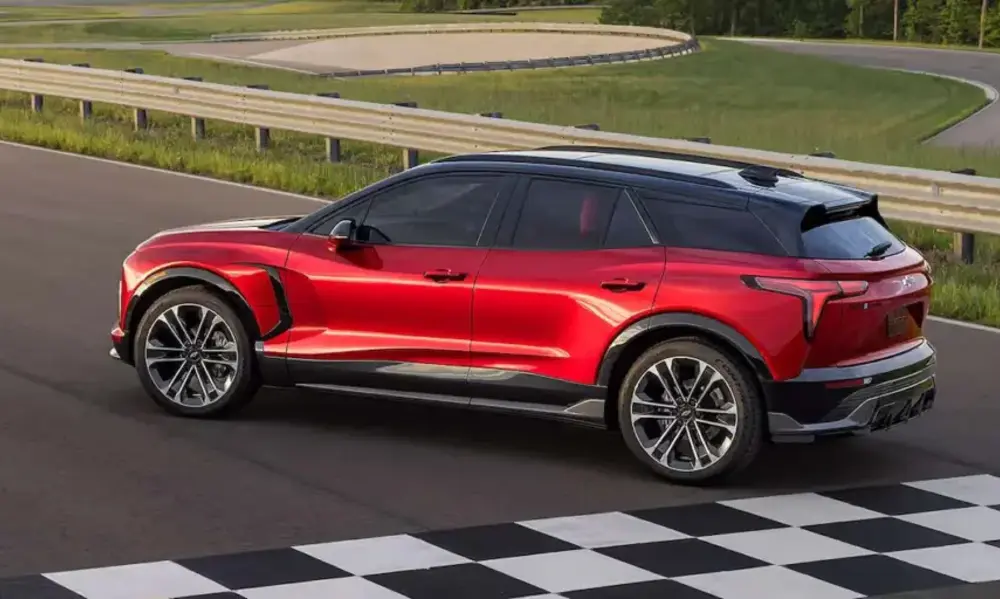
At ChevySUV, we think the biggest difference is peace of mind with features available to your new Chevy. How Driving is Getting Safer, Cleaner, and More Convenient. Whether you want the raw thrust of an electric motor or a hybrid’s flexible driving range, Chevrolet will design an automobile for the unforeseen demands of the next decade.
Conclusion
Future Chevy SUVs are on the path to a seamless blend of tradition and modernity. Here you have a brand that appreciates its genesis in utility and family adventure but also realizes that 2026 calls for high-tech iron. Chevy is handling the shift to a Chevy electric SUV world carefully, making sure infrastructure and affordability keep up with the technology.
Here at ChevySUV, we love to see the evolution take place and are here to help guide you through all of your options in this changing age of transportation. The American road goes electric. The American road has gone smart, and Chevy is at the helm.
Frequently Asked Question
What is the expected range for the next generation of Future Chevy SUVs?
According to available data and current Ultium technology, the vast majority of upcoming all-electric models are aiming for a range of 300 – 450 miles per charge. At a DC fast-charging station, with at least 100 miles of range in as little as 30 minutes from empty to full.
Will there be a hybrid Chevy SUV available for all models?
Chevrolet has announced that it will be returning plug-in hybrid technology to the North American market. It may not be available for every single size model immediately, but it will likely come to the mass popularity range of sizes largely as a happy medium for folks who aren’t ready for an actual Chevy electric SUV.
Is an autonomous Chevy safe for highway driving?
Yes. Super Cruise is the industry-leading hands-free driving system at present. It uses high-definition mapping and real-time sensor data to keep the vehicle in between lanes at a safe distance, but requires the driver to stay engaged so that he/she is prepared to take over when needed.
How much will Future Chevy SUVs cost?
Chevrolet is working with an “EVs are for everybody” mentality. No one would expect luxury trims, but the Equinox EV is created to challenge gas-powered options that start in the $35,000 to $45,000 range (before any possible government tax credits).