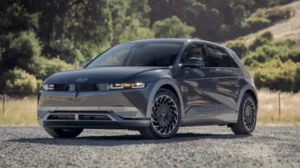
In 2026, choosing between an electric SUV and sedan depends on lifestyle, commute, and weekend activities. Electric SUVs offer more cargo space, higher seating, and family-friendly features, while electric sedans excel in range efficiency, handling, and affordability. The choice hinges on personal needs, with advancements in battery technology bridging performance gaps in both vehicle types.
Introduction
When it comes to choosing your next car in the year 2026, it feels a little bit like being at a technological crossroads. Now, the electric SUV vs electric sedan is no longer a sizing issue; you must look at how you live, how far you want to cover, and what exactly are the priorities of a contemporary machine? You want the electric SUV if you need the most cargo space, a higher seating position, and family friendliness.
But that is assuming you can get their first electric sedan, which will still be the better option for those focused on range efficiency, sharper handling, and a lower sticker price. We learn from daily observations that drivers at ChevySUV wrestle with these issues, and the correct answer for them often comes down to their commute and how they plan to spend their weekends.
The automotive world has changed a lot. Battery technology is reaching previously undreamt levels this year, which is closing the gap in performance, but as always, you are still physically bound by the real-world realities of aerodynamics and weight.
Efficiency and Range: The Aerodynamic Edge
Physics is the never-biased ultimate arbiter of an EV comparison. Inherently, sedans are more aerodynamic than SUVs. Their lower stance means they can slice through the air with less resistance, which has a direct correlation to improved “miles per kilowatt-hour.”
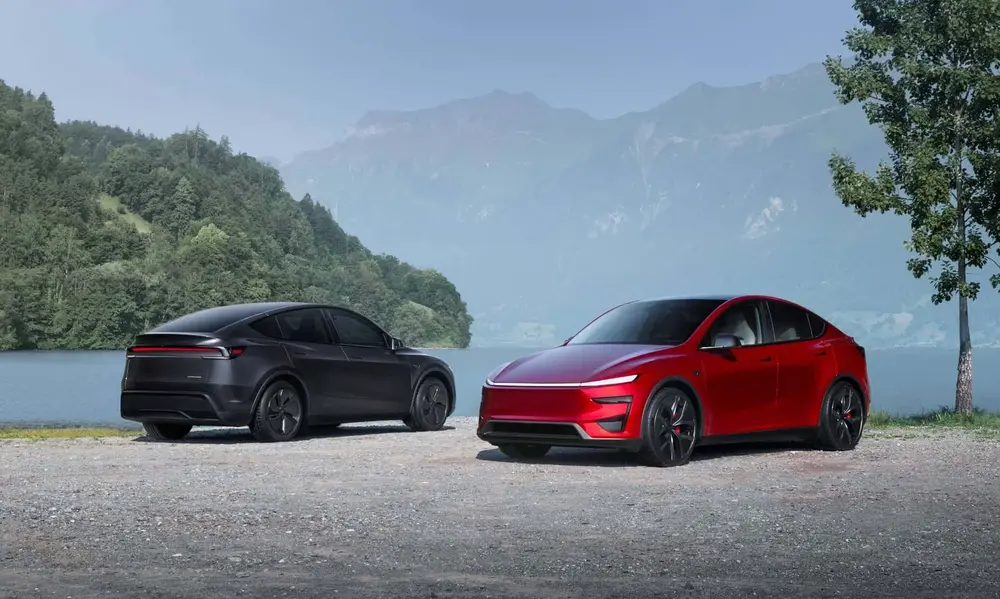
Compare a versus an, and that sedan will always go further on the same battery pack. This, in turn, makes sedans among the most advantageous EV types for long-range commuters who are looking to cut down on their time spent at charging stations. And if you regularly take to highway speeds, the aerodynamic drag on a bigger SUV will sap the charge from your battery much quicker than it would in temperate climates and particularly cold ones where air density increases.
Nonetheless, the SUVs seen through 2026 have progressed hugely. Now, many include active grille shutters and smooth underbodies to replicate the slipperiness of their lower brothers. The sedan may win on range alone, but the SUV is hardly “the energy hog that it used to be.”
Interior Space and Daily Utility
For families, usually, this is where the debate between electric SUV vs electric sedan ends. A sedan could never provide the vertical space of an SUV. It’s not just about cramming more grocery bags into it; It’s about the fact that small SUVs are so low that baseball players can load in a car seat without pulling their backs out, or slide in a 7-ft.
Modern EVs have flat floors courtesy of the “skateboard” chassis used in all vehicle types, but the SUV leverages that additional height to provide a higher driving position. Part of the reason so many buyers flock to Chevy SUVs is the higher seating position. For many drivers, these advantages are so indispensable that they provide a sense of safety and an improved overview even in heavy traffic.
The trunk space in a sedan is decent, but it has some limitations with bulky items. A crossover’s wide-opening liftgate will still leave traditional four-door cars standing in the dust of its narrow trunk opening. If your lifestyle revolves around loading up sports gear, camping gear, or large dogs, the SUV has versatility that you can’t beat.
Performance and Driving Dynamics
The sedan is the best type of electric vehicle for you if you like to drive. Due to the heavy battery pack being located low in the car, sedans have an ultra-low center of gravity. This has made them feel grounded yet agile in the corners.
We found this in our electric SUV vs electric sedan testing, where sedans felt consistently “sportier”. They are more responsive in terms of steering and have less body roll. Due to their lower weight, they are also slightly quicker and have a shorter stopping distance than an equivalent heavier SUV with the same engine layout.
SUVs, in contrast, are tuned for comfort and go-anywhere ability. They generally boast longer suspension travel, which helps to absorb potholes and road imperfections. For the sort of daily drive that takes you over jumbled pavement or dirt roads, a higher driving position and more ground clearance in an SUV means lower risk, this is not something driver’s low-set sedan can offer.
Cost Analysis: Upfront Price vs. Long-Term Value
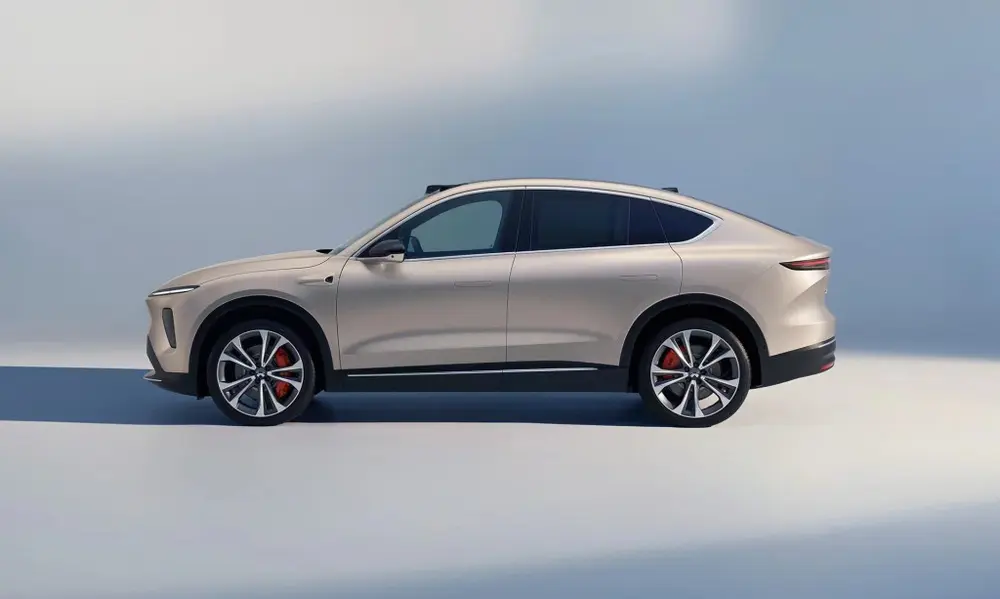
Any comprehensive EV buying guide must address the elephant in the room: the price tag. Generally speaking, an electric sedan will cost less than an equivalent SUV. You are paying for the extra materials, the larger frame, and often a slightly larger battery pack required to move that extra weight.
|
Feature |
Electric Sedan | Electric SUV |
| Average Starting Price | Lower ($40k – $60k) |
Higher ($50k – $80k) |
|
Energy Efficiency |
High (4.0+ miles/kWh) | Moderate (2.8 – 3.5 miles/kWh) |
| Cargo Volume | 13 – 18 cu. ft. |
25 – 70+ cu. ft. |
|
Seating Position |
Low / Sporty | High / Commanding |
| Parking Ease | Easier in tight spots |
Requires more clearance |
When looking at the electric SUV vs electric sedan financial picture, you also have to consider insurance. Heavier vehicles with higher repair costs, common in the SUV segment, often carry slightly higher monthly premiums. However, SUVs tend to hold their resale value better in the current market, as consumer demand for crossovers remains at an all-time high.
Charging and Infrastructure Considerations
A major part of any EV comparison is how the car fits into your charging routine. Because sedans are more efficient, they “recover” miles faster on a Level 2 home charger. For example, if you plug in for eight hours, a sedan might gain 200 miles of range, while a heavier SUV might only gain 160 miles in the same timeframe.
This difference is even more noticeable at public DC fast chargers. On a long road trip, a sedan’s efficiency allows you to spend less time plugged in and more time on the road. If you are someone who suffers from “range anxiety,” the sedan’s ability to stretch every kilowatt is a significant comfort.
That said, many 2026 SUVs come equipped with faster charging architectures (800V systems) that allow them to add 100 miles of range in under 10 minutes. At ChevySUV, we focus on ensuring that the convenience of fast charging offsets the slightly higher energy consumption of a larger vehicle.
Which Best EV Type is Right for Your Family?
Deciding on the best EV type often comes down to the number of people you need to carry. While most sedans are rated for five passengers, the middle seat in the back is often cramped. SUVs, especially mid-size and large models, offer true five-passenger comfort and often provide a third-row option for larger families.
The Case for the Sedan
- You drive alone or with one passenger most of the time.
- You want the lowest possible monthly “fuel” cost.
- You have a small garage where every inch of parking space matters.
- You prefer a sleek, professional aesthetic for business meetings.
The Case for the SUV
- You have children or frequently transport elderly family members.
- You live in an area with heavy snowfall or unpaved roads.
- You use your vehicle as a mobile base for outdoor hobbies.
- You value the safety perception of a larger, heavier vehicle.
In the electric SUV vs electric sedan battle, the SUV is the “Swiss Army Knife”, it does everything well, even if it isn’t the most efficient tool in the shed. The sedan is the “Scalpel”, precise, efficient, and perfect for a specific type of high-speed travel.
The Environmental Impact: A Nuanced View
The sedan wins if your focus in an EV buying guide is to be as green as possible. To fabricate an ever-bigger SUV, you need more primary resources like steel, plastic, and battery minerals (lithium and cobalt).
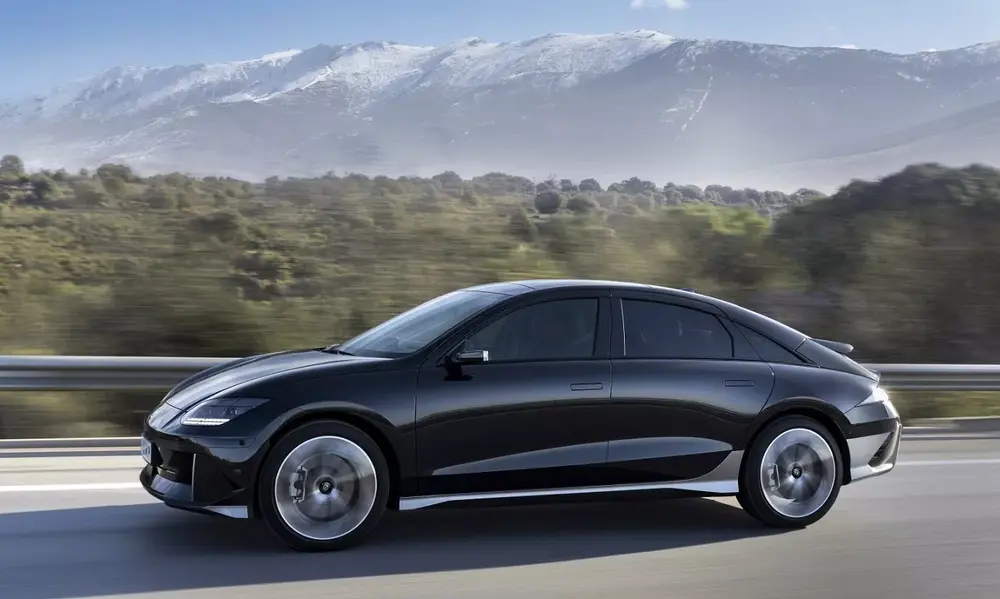
Generally, the same car produces less lifetime carbon because it’s less energy-intensive to move the sedan. Even if you charge with 100% renewable energy, there is still “embedded carbon” from the manufacturing process. That said, any move from an ICE (internal combustion engine) Chevrolet to a fully electric Chevy SUV is still a huge win for the environment since it will eliminate tailpipe emissions entirely in those models and bring your overall carbon footprint down significantly.
Conclusion
Don’t stress about electric SUV vs. electric sedan. We are in a golden age of choice among cars; options out there at any price point that might be considered “bad” are becoming increasingly rare. If the premium isn’t a deal breaker and you require practicality, it’s hard to resist the versatility that an SUV provides. The sedan will spare you the expense and deliver more smiles per mile if you’re a lone commuter who loves that car-hugs-the-road feel.
At ChevySUV, we recommend that you arrange a test on both models. You know the way a sedan darts into a corner, and you know the way an SUV sweeps over the horizon, right? A spec sheet will tell you that much as well, but your gut feeling during the first mile usually says more.
Frequently Asked Question
Which is safer in a crash, an electric SUV or a sedan?
When judging based on data available to you, SUVs are often considered safer due to their mass, but sedans are actually less likely to roll over because of their center of gravity. Both types of modern EVs typically rack up high safety ratings from the IIHS as well as NHTSA, thanks to their advanced driver-assistance systems.
Do electric SUVs lose more range in the winter than sedans?
Yes, estimates have shown a somewhat greater percentage of range loss in extreme cold for SUVs. That comes as their larger cabins take more energy to heat, and their less aerodynamic shapes fight the cold winter air harder.
Is it harder to find tires for an electric SUV?
Not necessarily, but you need to make sure you purchase tires that are “EV-rated.” Since electric SUVs weigh much more than gas counterparts, they need the relatively higher load ratings and rubber compounds to avoid premature wear.
Can an electric sedan tow a trailer?
Some can, but it is rare. There are a few sedans rated to do any meaningful towing. Unless you want to pull a boat or a small camper, an electric SUV is essentially a must, as they are built with the required structural reinforcement for towing.
Which has a better resale value?
The trend continues at the moment, with SUVs tending slightly to hold values better than sedans. With used crossovers still such hot commodities, an electric SUV could prove to be a smarter long-term play, at least if you’re planning on trading in your ride in three to five years.