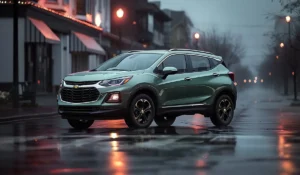
Key Takeaways
- Infotainment screen blackouts and random reboots are widely reported.
- Parasitic battery drain bugs can leave drivers stranded unexpectedly.
- Recent redesigns rely on small, highly efficient turbocharged engines.
- Routine maintenance protects the unique oil-bathed timing components.
Introduction
If you are hunting for an affordable, stylish crossover to handle your daily commute, you have almost certainly looked at the Chevy Trax. It has become incredibly popular because it looks sharp, drives easily, and offers massive screen real estate without breaking your bank account.
However, no vehicle is completely perfect, and before you sign those final papers at the dealership, it is essential to know what you might face down the road. In this guide, we are diving deep into the most common chevy trax problems that real owners have reported over the years so you can make an educated choice.
Whether you are looking at a brand-new model off the lot or shopping around the used car market, understanding these potential headaches will keep you from getting caught off guard.
Based on available data, while these small crossovers offer incredible value, they do have a few common electrical bugs and mechanical quirks that show up across various online forums and owner complaints. Let’s peel back the layers and take an honest look at what living with this vehicle is actually like.
AI Overview
When considering a subcompact crossover, knowing the primary chevy trax problems helps set realistic expectations. Most recent complaints center around electronics, including frozen infotainment screens and parasitic battery drains that cause starting issues. Some drivers also report minor oil leaks or low-speed transmission shuddering. While these bugs can be frustrating, keeping up with manufacturer software updates and routine maintenance generally resolves most issues.
The Digital Headaches: Infotainment and Electrical Glitches
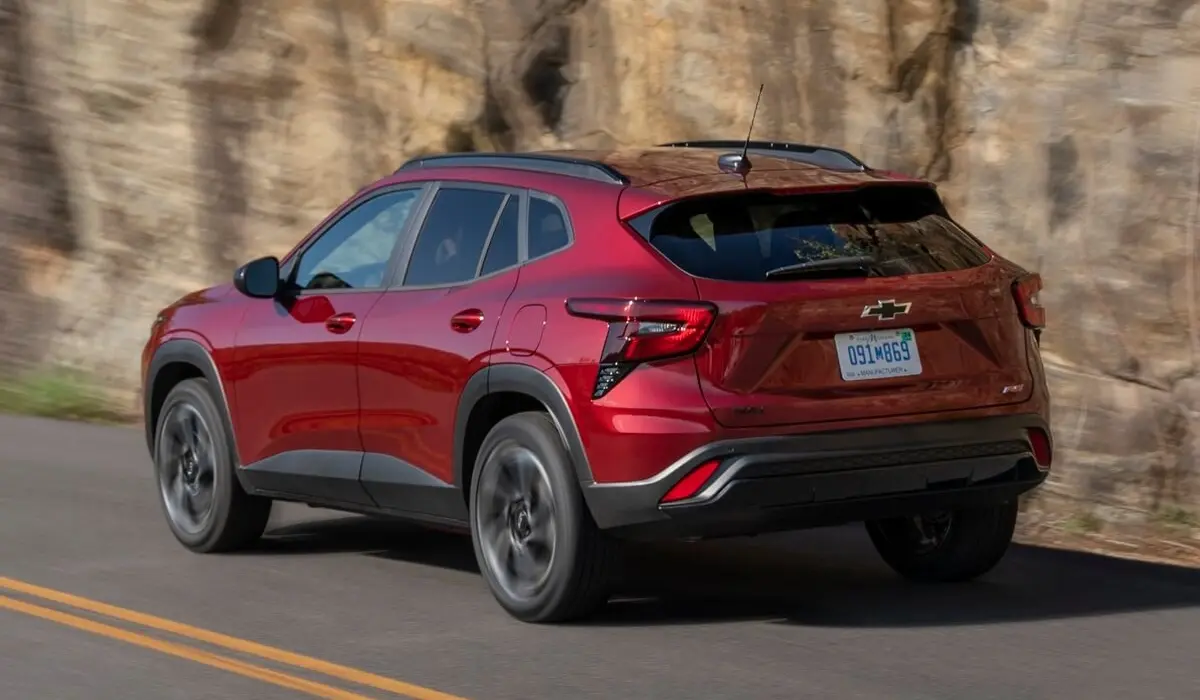
In today’s automotive world, vehicles are essentially rolling computers. That is especially true for the newer generations of this ChevySUV, which boast beautiful, massive digital displays stretching across the dashboard.
While these screens look incredibly high-end and premium, they are also the source of the most common complaints among everyday drivers.
Frozen Screens and Random Reboots
A huge chunk of reported chevy trax problems involves the central touchscreen system suddenly freezing up, lagging heavily, or completely blacking out while you are driving down the highway. Imagine driving to a new destination and having your navigation map freeze right before a major exit.
In most cases, the system will randomly reboot itself after a few minutes, but it is still an incredibly frustrating quirk. Drivers often find that their Bluetooth drops connections constantly, or the backup camera displays an upside-down or blurry image.
Parasitic Battery Drain
Another electronic bug that has tripped up quite a few owners is a completely dead battery in the morning. You could drive your crossover all day with zero issues, park it in your garage, and wake up to a car that won’t even attempt to turn over.
Mechanics have discovered that this usually happens because certain electronic modules fail to go into “sleep mode” after the vehicle is turned off.
Because a computer component stays active all night, it slowly drains the battery to zero. Dealerships have been addressing this specific issue by flashing updated software to the car’s computer network.
Under the Hood: Real-World Trax Engine Problems
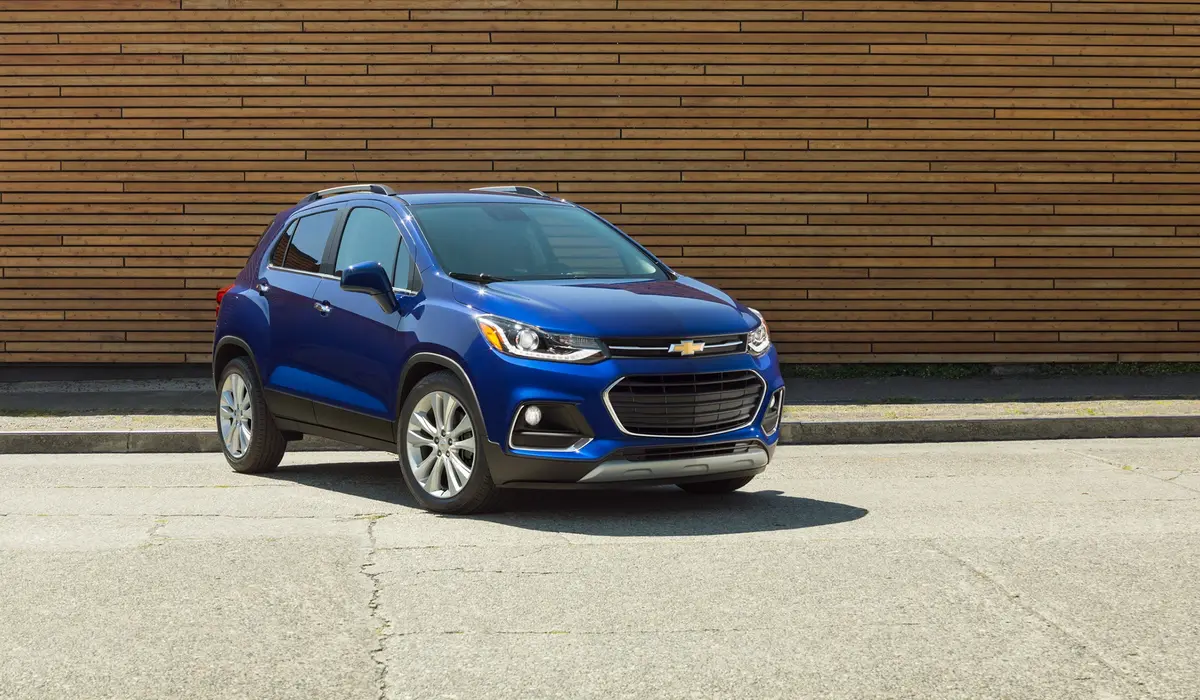
While electronics make up a massive portion of driver complaints, we also need to talk about what is happening under the hood.
The powertrain layout has changed significantly over the generations, moving toward small-displacement, highly efficient turbocharged three-cylinder options.
While great for fuel economy, these setups come with unique trax engine problems that require close attention.
Power Loss and Accelerated Acceleration Lag
Some drivers report a scary situation where the vehicle feels like it loses all acceleration power when trying to merge onto a fast-moving highway or climb a steep hill. This sudden sluggishness can feel like the car is getting tangled up in deep mud.
Generally, this lag becomes much more noticeable when you have the air conditioning running on full blast during a hot summer day. The tiny three-cylinder engine has to work incredibly hard to power the cabin’s cooling system while simultaneously pushing the car forward, resulting in a distinct delay when you press down on the gas pedal.
Oil Loss, Leaks, and Dilution Issues
Another area to monitor closely is your engine oil level between your scheduled shop visits. A few owners have noticed their oil levels dropping much faster than anticipated, often caused by minor leaks around the valve cover gasket or the oil pan.
Furthermore, some mechanics have documented cases of oil dilution, which occurs when unburned fuel seeps past the piston rings and mixes into the oil pan.
If you ever notice a faint smell of raw gasoline when you pull out your oil dipstick, or if the oil looks slightly milky, it is a sign that fuel is contaminating the lubricant. This compromises the oil’s ability to protect vital internal components and must be addressed quickly to avoid permanent engine wear.
Measuring Longevity: A Look at Trax Reliability
With all these potential issues floating around online forum boards, you might be wondering about overall trax reliability. Is this a vehicle that will comfortably last you past the 100,000-mile mark, or is it a ticking financial time bomb?
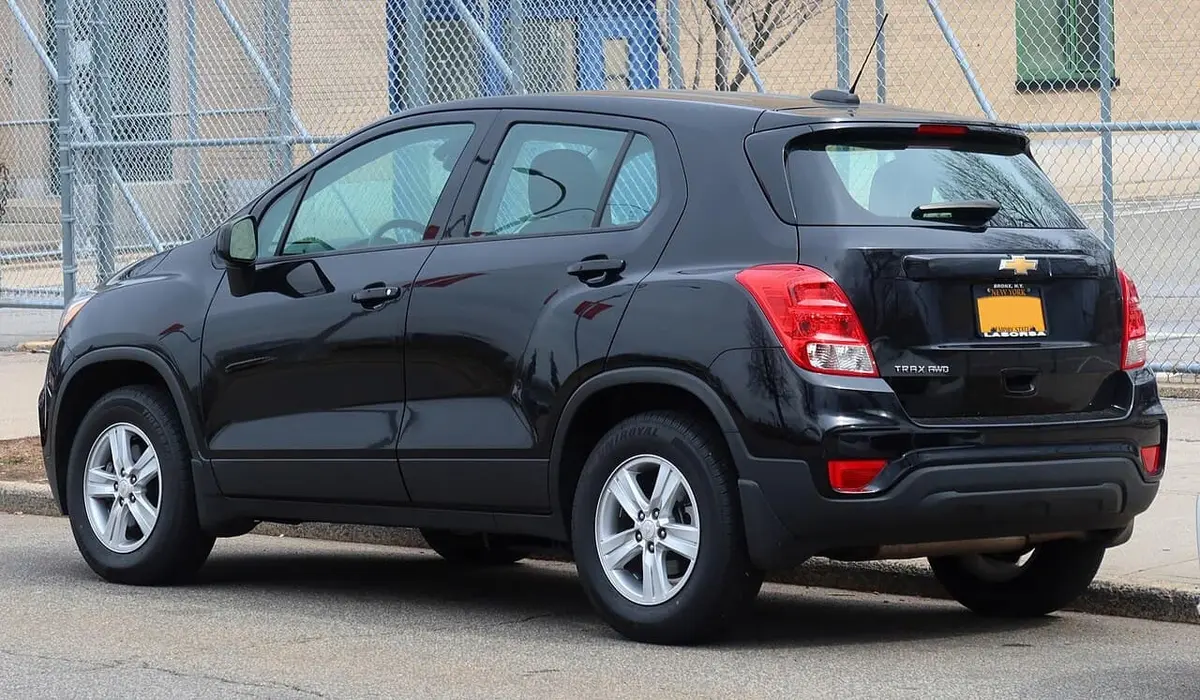
The answer generally comes down to how meticulously you maintain the car and which model year you choose to buy. Based on available data from automotive tracking sites, the reliability trajectory looks completely different depending on the generation you are looking at.
| Generation Model Years | Average Annual Repair Costs | Common Areas of Wear & Tear | Overall Reliability Vibe |
| First Gen (2015–2022) | Estimated $488 | Air conditioning compressors, turbochargers, coolant leaks | Decent budget value, but prone to mechanical wear as miles rack up. |
| Second Gen (2024–Present) | Covered under warranty | Infotainment software bugs, battery drain, sensor errors | Highly modern and mechanically stable, but plagued by frustrating tech glitches. |
As the data shows, older versions tend to suffer from traditional mechanical wear like brittle plastic coolant lines and worn-out turbo seals. On the other hand, the newer redesigned models are mechanically solid but require frequent trips to the dealer for software patches to keep the digital dashboard happy.
Safety First: Understanding Past Trax Recalls
When evaluating the long-term safety and financial stability of a used crossover, checking out historical trax recalls is a critical step. A recall means the manufacturer identified a widespread safety flaw and will fix it completely free of charge at a local dealership.
Looking back at the history of this specific lineup, there are a few major safety bulletins that every potential buyer should verify have been completed on their vehicle:
- Virtual Cockpit Blanking (2024 Models): General Motors issued a safety recall because a software bug caused the entire digital instrument cluster to go completely black at startup or while driving, hiding critical speed info.
- Lower Control Arm Welding (2015–2019 Models): A serious mechanical recall was issued for older generations regarding improperly welded joints in the front lower control arms that could break and cause steering separation.
- Airbag Deployment Modules (2019 Models): Some vehicles were accidentally left in a temporary “manufacturing mode” from the factory, which completely prevented the airbags from deploying in a crash.
- Front Suspension Separation (2017–2018 Models): Similar to the control arm issue, certain batches of older models needed complete front-end suspension inspections to ensure the wheels wouldn’t pull outward.
If you are buying a used model, always type the vehicle’s unique VIN into the NHTSA database to ensure a previous owner didn’t skip out on these vital safety repairs.
Suspension Wear and Cabin Comfort Issues
Moving away from the engine bay, the daily driving experience reveals a few more chevy trax problems related to the chassis, suspension components, and cabin materials. Since this vehicle is built strictly to be an affordable entry point into the crossover market, certain components wear out faster than they would on a luxury vehicle.
Squeaking and Popping in the Front End
Over time, the lightweight suspension system takes quite a beating from rough city potholes and bumpy dirt roads. Many owners report hearing loud squeaking, creaking, or popping noises coming from the front wheels whenever they make sharp turns or drive over speed bumps.
In most cases, these annoying noises are traced back to worn-out stabilizer bar links, front ball joints, or cracked rubber control arm bushings. While these parts are relatively inexpensive to replace, neglecting them will eventually compromise your steering precision and tire wear patterns.
Low-Speed Transmission Shudder
Some drivers notice a distinct shuddering or vibrating sensation right through the floorboards when pulling away slowly from a complete stop. This clunky feeling typically happens when the automatic transmission tries to shift quickly into second gear to save fuel.
While it does not always indicate a total transmission failure, it can make stop-and-go morning traffic feel a bit jerky and unrefined compared to smoother competitors.
What Do Owners Say? Real-World Driving Experiences
If you talk to a group of owners, you will quickly realize that opinions on this ChevySUV vary wildly depending on what they expect out of a car. Those who bought it expecting a lightning-fast sports car or a heavy-duty off-road machine are usually disappointed by the small engine specs and lightweight front-wheel-drive layout.

However, parents and daily commuters who bought the vehicle knowing it was designed as a stylish, budget-friendly town car tend to absolutely love it. They appreciate the excellent fuel economy, which consistently averages around 28 to 32 mpg depending on your highway habits. They also love how easy it is to slide into tight parallel parking spaces downtown.
The consensus is clear: if you keep your expectations realistic and do not skimp on your scheduled oil changes, it serves as a highly capable and incredibly affordable daily driver.
Conclusion
At the end of the day, every single vehicle on the road has its fair share of quirks, and the chevy trailblazer sibling is no exception.
Ihe main chevy trax problems to keep on your radar are centered around glitchy dashboard screens, occasional battery issues, and the need for strict, on-time engine maintenance to protect the turbo components.
If you can handle a few digital hiccups and commit to never skipping an oil change, this crossover offers a ton of style, modern tech, and daily utility for a price that is incredibly tough to beat.
Frequently Asked Questions
What are the most common chevy trax problems reported by owners?
The most widespread complaints focus heavily on electronic glitches, specifically frozen or blacked-out infotainment screens, laggy backup cameras, and parasitic battery drains that leave the car unable to start. Mechanically, some drivers report accelerated engine oil consumption and low-speed transmission shuddering.
Is overall trax reliability considered good or bad compared to rivals?
Based on available data, its reliability is considered average for the subcompact crossover class. While older models face physical part wear like coolant leaks, newer models are mechanically dependable but suffer from minor electronic bugs that usually require simple dealership software updates.
What are the main signs of serious trax engine problems?
Drivers should watch out for a noticeable loss of acceleration power when merging or climbing hills, a rough idling sensation at stoplights, and low oil levels between service visits. Checking your oil dipstick for a milky texture or a strong raw fuel smell can also help catch oil dilution issues early.
Where can I check if a used vehicle has been fixed for past trax recalls?
You can easily check by grabbing the car’s 17-digit Vehicle Identification Number (VIN) and entering it directly into the official National Highway Traffic Safety Administration (NHTSA) recall lookup tool online. This will instantly show you any open, unrepaired safety bulletins on that specific chassis.
Does this Chevy SUV hold its value well despite these common issues?
Because it has such a low initial starting price when brand new, it actually holds onto its value remarkably well as an affordable option in the used car market. Budget buyers are always looking for efficient, modern-looking crossovers, which keeps demand steady.