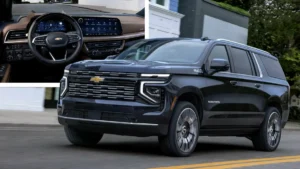
Key Takeaways
- Chevrolet Super Cruise is a Level 2 hands-free highway driving system
- Works only on pre-mapped (600,000+ miles) compatible highways
- Uses LiDAR maps + GPS + cameras + radar for lane-centering and speed control
- Driver Attention System tracks eyes to ensure road focus at all times
- Strong performance for long highway trips, towing, and large SUVs like Tahoe/Suburban
- Costs extra: ~$6,650 upfront + ~$40/month subscription after trial period
Imagine a long-distance family road trip on the open highway, switching lanes and letting go of the steering wheel. It sounds like something from science fiction, but thanks to the latest chevy super cruise technology, it’s a very real thing. Long trips on highways can take their toll quickly for those behind the wheels of big three-row family haulers such as the Chevrolet Tahoe and Suburban. An advanced driver assistance system like chevy super cruise can help relieve that fatigue, buoying long-distance travel into something resembling real relaxation.
This system is the industry’s first true hands-free driving assistant designed specifically for prequalified highways. It’s offered on a variety of trims, including the Tahoe and Suburban models, and this super cruise hands free technology automatically controls steering, acceleration, and braking if it spots a car or something in your path.
This chevy super cruise system has been extensively tested at ChevySUV on real-world highways, tight traffic patterns, and heavy-duty trailering. This is a guided super cruise review of how the system works, how much the super cruise subscription cost is, where to find super cruise compatible roads, and where it ranks in a super cruise vs autopilot comparison.
AI Overview
Chevy Super Cruise is a Level 2 hands-free driving system for Tahoe and Suburban using mapped highways, cameras, radar, and driver eye monitoring. It supports steering, braking, lane changes, and trailering across 600,000+ miles of roads. Costs $6,650 upfront + $40/month after trial. Compared to Autopilot, it is true hands-free but limited to mapped highways. Best for long trips.
How Super Cruise Works on the Tahoe and Suburban
The Chevy Super Cruise system is essentially a Level 2 self-driving feature; it automatically steers and manages speed, but it is not going to do that whole attention thing for you. To make this magic work, Super Cruise Tahoe configurations require a real-time, highly integrated network of advanced technologies.
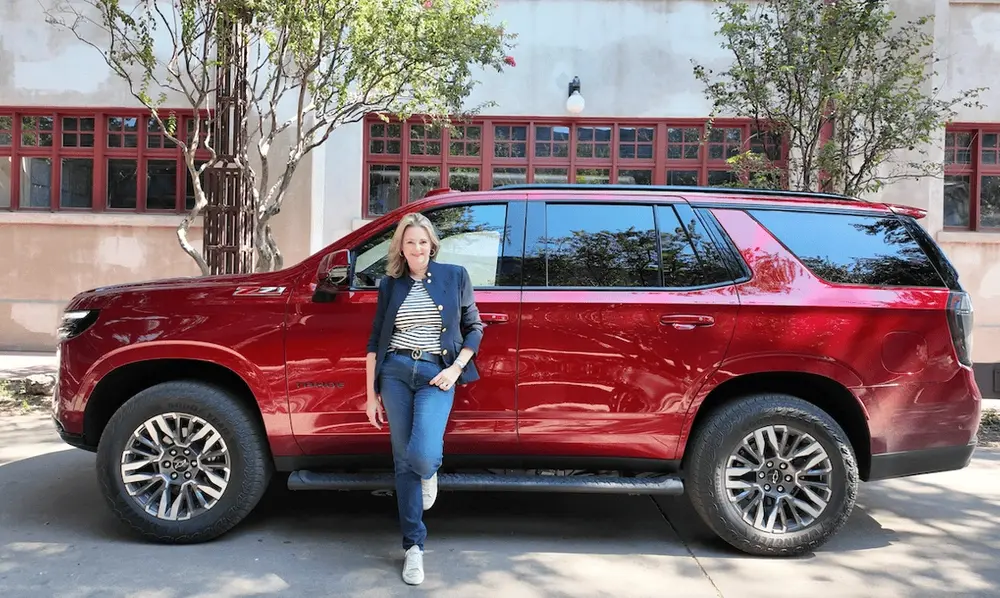
Unlike purely visible lane line systems, General Motors uses high-precision LiDAR-mapped highway data to guide the Super Cruise hands free setup. This means that the on-board computer can know every curve, rise, and exit ramp on super cruise compatible roads before your vehicle gets there.
This mapping data is combined with real-time GPS tracking, forward-facing cameras, and radar sensors to provide a constant, multi-layered blanket of protection around your vehicle.
The Driver Attention System
The technology is based on safety, which will be hands-free. At the core of the Driver Attention System is a small infrared camera that is built directly onto the steering column to monitor super cruise hands free operation. The camera follows your eye gaze and head position to check that you are looking straight ahead on the road.
The system, which is a big part of this true premium SUV experience, can tell if you take your eyes off the massive 17.7-inch center touchscreen too long or look away to talk with passengers while Chevy Super Cruise is active. A light bar at the top of the steering wheel will flash green to make sure you get your attention. Ignore it for longer, and the bar blares red, an alarm goes off, and the Super Cruise Tahoe system tells you to take control right now.
Activating the System
Initiating the super cruise hands free driving mode on your Tahoe or Suburban is remarkably simple and intuitive. The step-by-step operation flows like this:
-
Accelerate up to highway speed and turn on the standard Adaptive Cruise Control system.
-
Look for a white Super Cruise icon to appear on your digital gauge cluster, which indicates you are driving on super cruise compatible roads.
-
Center your vehicle within the lane markings and press the dedicated Super Cruise button located on the left side of the steering wheel to engage Chevy Super Cruise.
-
Watch for the steering wheel light bar to turn solid green, which signifies that you can safely take your hands off the wheel.
Performance and Capability on Large SUVs
Driving a vehicle as substantial as a Tahoe or a Suburban requires confidence, especially when navigating around tight highway bends or driving next to massive commercial semi-trucks.
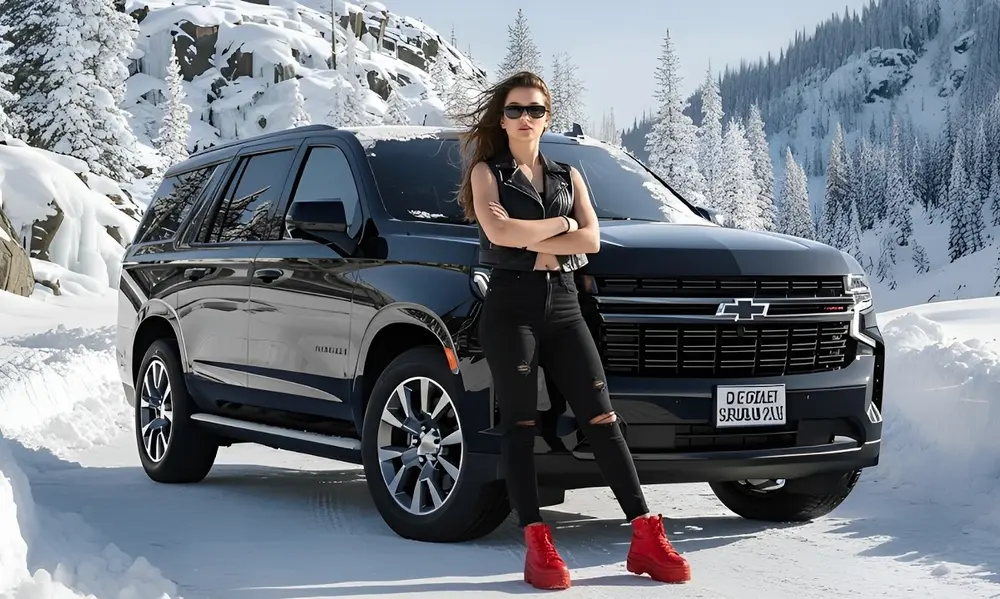
During our testing at ChevySUV, we found that the Super Cruise Tahoe system manages the sheer footprint of these full-size SUVs with remarkable composure. The steering inputs feel deliberate, fluid, and natural, avoiding the nervous lane-ping-ponging behavior that plagues lesser lane-centering systems when evaluation notes are gathered for a super cruise review.
| Super Cruise Feature | Practical Benefit for SUV Owners |
| Hands-Free Trailering Capability | Pulls boats and campers on highways without steering fatigue. |
| Automatic Lane Changing | Overtakes slow moving semi-trucks and returns to lane seamlessly. |
| LiDAR-Linked Speed Adjustment | Automatically slows down for upcoming tight highway curves. |
Lane Change on Demand and Automatic Lane Change
The newest software updates bring enhanced capabilities to the Tahoe and Suburban lineup. With Lane Change on Demand, you can simply tap the turn signal stalk in your desired direction. The vehicle’s radar network will scan for a safe gap in traffic, signal to surrounding cars, and glide smoothly into the next lane entirely on its own while operating under chevy super cruise.
Even more impressive is the Automatic Lane Change feature. If your Tahoe or Suburban catches up to a slower-moving vehicle on the highway, it will automatically initiate a lane change to pass it. Once it successfully overtakes the slower vehicle, it signals again and returns you safely back to your original cruising lane, making super cruise hands free travel incredibly seamless.
Hands-Free Trailering
For many ChevySUV buyers, a Tahoe or Suburban is purchased specifically for its heavy-duty towing capacity. Fortunately, GM engineers calibrated chevy super cruise to support hands-free trailering.
When a trailer is hooked up and the super cruise tahoe platform is engaged, the software automatically extends the vehicle’s blind-spot monitoring zones backward to account for the total length of your load. It also adjusts the following distance and braking parameters to accommodate the extra weight, giving you peace of mind while towing your boat or camper down the interstate.
Super Cruise Compatible Roads
You cannot just turn on this hands-free system on any neighborhood street or gravel road. To ensure total safety, the technology is strictly geofenced to verified super cruise compatible roads.
-
The Mapped Network: General Motors has meticulously mapped over 600,000 miles of divided and undivided highways across the United States and Canada. This represents the single largest hands-free driving network currently open to consumers in North America, expanding the availability of super cruise compatible roads.
-
Continuous Expansions: The network is constantly growing, with GM regularly adding tens of thousands of miles of secondary state highways and dual-carriageway routes via over-the-air software updates to build out more super cruise compatible roads.
-
System Restrictions: The system will automatically disengage or refuse to activate if you enter a complex construction zone with temporary lane shifts, if heavy rain or snow obscures the camera lenses, or if the lane markings become completely invisible.
Super Cruise vs Autopilot: How Do They Compare?
When shoppers look at premium driver assistance packages, the most common showdown is super cruise vs autopilot. While Tesla’s Autopilot has dominated pop culture conversations, the driving experience between the two platforms is fundamentally different.
The primary difference lies in the level of physical freedom you are allowed. Tesla’s Autopilot is a “hands-on” assistant. It requires you to keep physical torque on the steering wheel at regular intervals, which can sometimes lead to a frustrating “tug-of-war” feeling between the driver and the car’s computer. In contrast, checking the facts on super cruise vs autopilot shows that GM offers true super cruise hands free operation. As long as your eyes stay focused on the road ahead, you do not have to touch the wheel at all for hundreds of miles at a time.
Tesla’s Autopilot relies exclusively on cameras, which can occasionally suffer from “phantom braking” when shadows or bright reflections trick the system. When weighing super cruise vs autopilot, Chevrolet’s approach combines cameras with high-definition LiDAR maps, creating a much more stable, predictable, and repeatable highway experience that rarely gets startled by changing light conditions.
Super Cruise Subscription Cost and Trim Availability
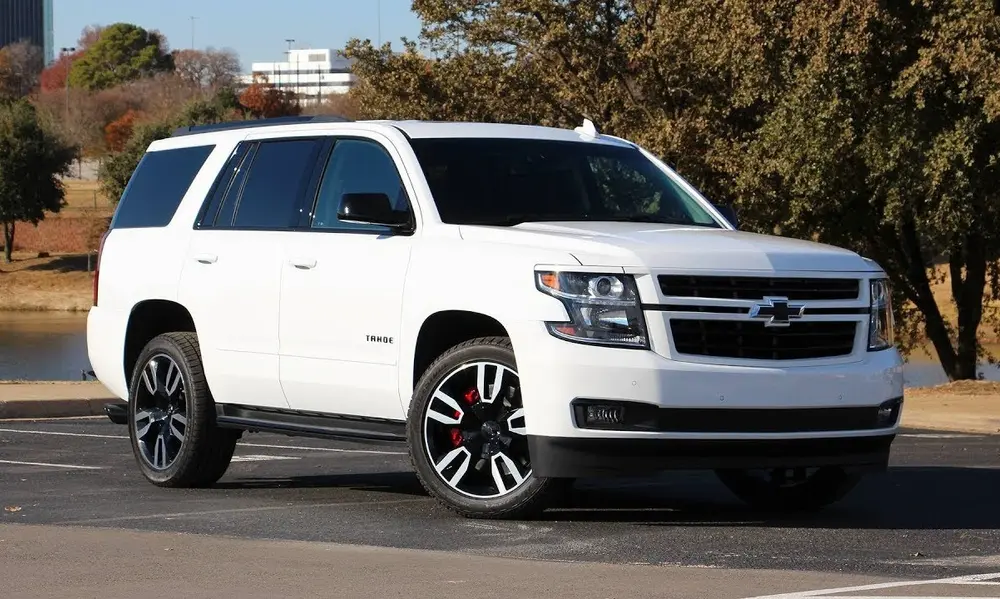
When purchasing a new Tahoe or Suburban, this hands-free tech is not standard across the entire board. It is available as an option pack on the LT, RST, Z71, Premier, and High Country trims, though it is excluded from the base LS trim.
What is the upfront and ongoing cost?
When configuring your SUV, adding the required technology packages usually costs around $6,650, depending on the specific trim level and bundled features. This upfront price includes a complimentary 3-year trial period to access the network.
Once that initial trial period ends, an ongoing super cruise subscription cost is required to keep the system active. Currently, the subscription is managed through GM’s OnStar connectivity platform and costs approximately $40 per month. You can also look into bundled OnStar premium packages to lower the individual super cruise subscription cost.
Why is there a recurring subscription fee?
Some buyers wonder why they have to pay a recurring super cruise subscription cost for hardware already built into their vehicle. The monthly fee keeps the system safe by funding real-time data needs:
-
Frequent Map Data Updates: Roads are constantly being reconfigured, repaved, and modified. Your vehicle pulls regular over-the-air map updates to ensure its LiDAR charts match actual highway conditions.
-
OnStar Satellite Connectivity: The system requires a live, active cellular and GPS data stream to verify vehicle positioning and ensure active safety features remain calibrated.
Final Thoughts: Is It Worth It?
After extensive miles behind the wheel, our super cruise review concludes that this feature is an absolute game-changer for full-size SUV owners. If you use your Tahoe or Suburban primarily for short city commutes or school carpool lanes, the upfront price and the ongoing super cruise subscription cost might be tough to justify.
However, if your lifestyle includes frequent road trips, interstate travel, or towing heavy loads over long distances, this super cruise review finds it is worth every penny. The system significantly reduces the mental and physical fatigue of driving a large vehicle, making you arrive at your destination feeling refreshed rather than exhausted. It is easily one of the most cohesive, reliable, and well-engineered pieces of automotive technology analyzed in any modern super cruise review today.
Frequently Asked Questions
Can I use Chevy Super Cruise while towing a boat or trailer?
Yes, the system automatically adjusts braking, acceleration, and blind-spot zones to support hands-free trailering.
What happens if I have a medical emergency while using it?
The vehicle safely stops in its lane, activates hazard lights, and contacts emergency services via OnStar.
Does Super Cruise work in heavy rain, fog, or snow?
No, the system automatically disengages if weather conditions block the cameras or radar sensors.
Are all highways in the United States compatible with the system?
No, but it works on over 600,000 miles of certified, pre-mapped highways across North America.