Key Takeways
- Suburban is powerful but fuel-hungry in city driving
- Diesel engine gives the best highway MPG
- V8 engines are less efficient, especially 6.2L
- Real-world MPG is usually lower than EPA ratings
- Towing and load significantly reduce fuel economy
There are few vehicles that can hold a candle to the brute strength and absolute interior volume of the Chevrolet Suburban when it comes time to haul a huge family, your gear for a weekend away, or tow something large like a heavy boat. But historically, being in control of a rolling fortress involves a very nasty fuel economy hit. If so, especially if shopping for a used family hauler or leasing a new model this year, you may want to know how the official chevy suburban mpg compares with suburban real world mpg performance over real pavement before budgeting your annual fuel costs.
Thanks to a series of big mechanical updates, chevy suburban mpg ratings for the last dozen model years ranged widely from 2015 through 2026. Gearing decisions help keep your overall suburban fuel economy from a scandalously thirsty 14 miles per gallon in gridlocked city traffic to an ultra-contender estimated 27 miles per gallon for your suburban highway mpg, depending upon whether you saddle it with a V8 engine or the more economical diesel option.
That’s why, in this comprehensive guide, we’re going to break down suburban real world mpg efficiency figures, pit a slew of engine options against each other to help you find the best possible suburban gas mileage from the decades-spanning lineage of this famous ChevySUV.
AI Summary
The Chevrolet Suburban delivers strong towing power and massive interior space, but its fuel economy varies widely by engine and generation (2015–2026). Older V8 models average mid-teens MPG, while newer 10-speed systems improve efficiency slightly. The 3.0L Duramax diesel offers the best performance at up to ~27 MPG highway. Real-world mileage drops with city driving, towing, terrain, and larger wheels, making diesel the most efficient option overall.
Suburban Efficiency, the Core Evolution (2015-2026)
To see how this tall rig takes care of the fuel, it pays to divide its modern history into two distinct mechanical generations: the 11th generation (2015–2020) and the wholly-contoured 12th-generation (2021–2026). During that 12-year period, General Motors went from older six-speed automatic gearboxes to ultra-advanced ten-speed transmissions, altering the baseline suburban fuel economy and introducing impressive cylinder-deactivation technology to improve efficiency.
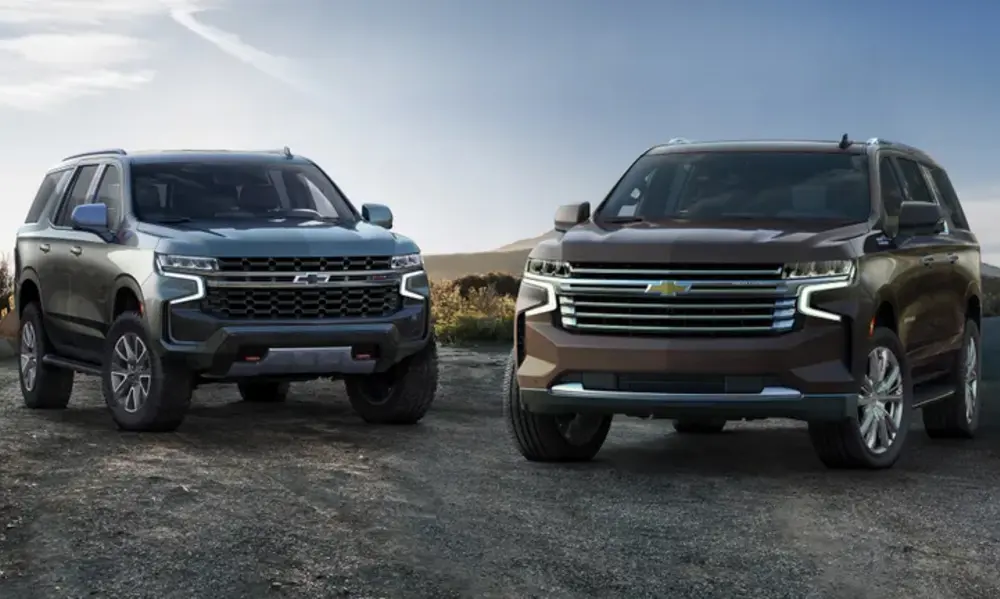
The 5.3-liter EcoTec3 V8 was almost the only engine offered with the vehicle during the 11th generation era. It was a very dependable vehicle, but with its brick-shaped physical footprint, to have a respectable suburban gas mileage number one needed a feather-like foot.
Things were turned upside down with the introduction of a multi-link independent rear suspension when the 12th generation was released in 2021, as well as a new 3.0-liter Duramax Turbo-Diesel inline-six engine, which many had been anticipating for years. That one addition completely changed what drivers could expect for suburban diesel mpg on long road trips.
Official vs Real-World Mileage: Year-by-Year Comparison
In this way, the table below provides what would seem to be the best estimate of suburban real world mpg driving calculated against official EPA lab figures. Rather than pristine lab test benches, these real-world numbers are generated from pooled owner driving logs, suburban highway mpg road tests at 75 mph, and everyday commuting practices affecting real-world suburban gas mileage.
| Model Year Range | Engine Type | Drivetrain | Official EPA (City/Hwy) | Real-World Combined |
| 2015 – 2018 | 5.3L V8 (6-Speed) | 2WD / 4WD | 16 / 23 | ~16 MPG |
| 2019 – 2020 | 5.3L V8 (6-Speed) | 2WD / 4WD | 15 / 22 | ~15 MPG |
| 2019 – 2020 | 6.2L V8 (10-Speed) | 4WD Only | 14 / 20 | ~15 MPG |
| 2021 – 2024 | 5.3L V8 (10-Speed) | 2WD / 4WD | 15 / 20 | ~16 MPG |
| 2021 – 2024 | 6.2L V8 (10-Speed) | 4WD Only | 14 / 19 | ~14 MPG |
| 2021 – 2024 | 3.0L Diesel I6 | 2WD / 4WD | 21 / 27 | ~24 MPG |
| 2025 – 2026 | 5.3L V8 (Revised) | 2WD / 4WD | 15 / 20 | ~16 MPG |
| 2025 – 2026 | 6.2L V8 (Revised) | 2WD / 4WD | 14 / 19 | ~14 MPG |
| 2025 – 2026 | 3.0L Diesel (HP Boost) | 2WD / 4WD | 20 / 26 | ~23 MPG |
Analysis of Generation 11: 6-Speed V8 (2015 – 2020)
If you are looking at the used market for a family car on the cheap, it is likely that you’re doing so at many of those in production from 2015 through 2020. Active fuel management in these trucks lets the vehicle safely shut down four of the eight cylinders if you’re cruising along a flat highway at constant speeds to save gasoline, heavily influencing the chevy suburban mpg.
Despite a respectable 22 to 23 mpg factory suburban highway mpg rating, highway-conditions testing has generally averaged around 18 to 19 mpg for the older models’ suburban real world mpg.
The reasons are mainly two for city work: being a heavy car, it demands a lot of energy to begin moving from rest. Consequently, drivers often get an actual city average that brings down the total suburban gas mileage to around 12 to 13 mpg with a full load of family and gear aboard.
The Final Generation: 10-Speed Diesel Power (2021-2026)
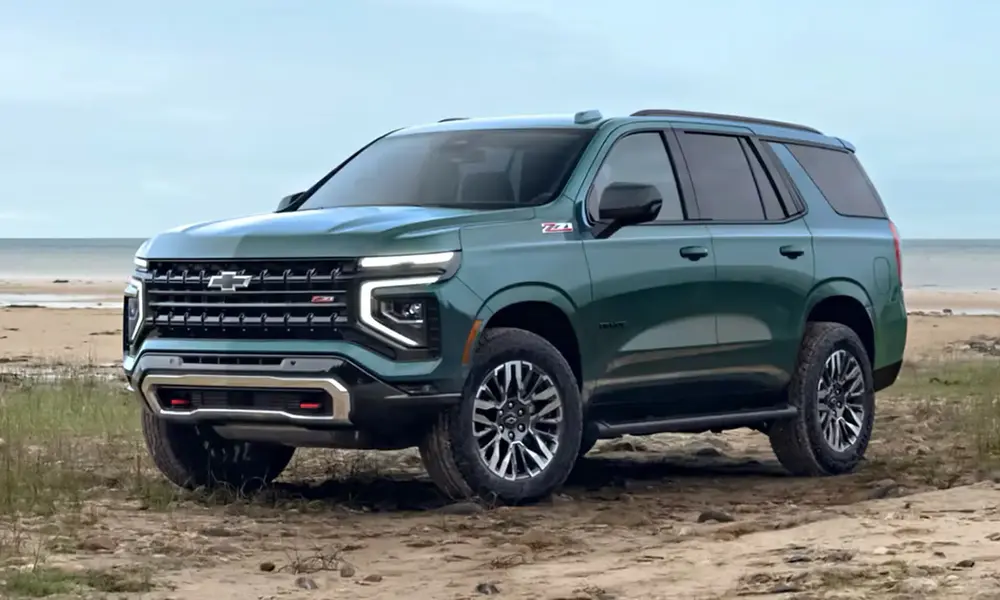
2021 brought a huge structural rework. Replacing the archaic leaf-spring rear setup with independent suspension yielded even more room inside. Chevy fitted a crisp ten-speed automatic transmission as standard throughout the range so as to compensate for adding up weight, heavily dictating the modern suburban fuel economy, and this was also the ideal gearbox that we timed amongst shifts.
A Closer Look at the 6.2L V8 Engine
The 6.2-liter V8 only comes with the premium trims for drivers looking for ultimate performance. It is an amazing-sounding, smooth-as-silk accelerating engine, but the data surrounding the suburban 6.2 mpg show it to be the thirstiest option in this lineup by far.
In fact, real-world tracking across forums suggests that the suburban 6.2 mpg average is only 14 combined mpg. With this engine, anticipate plenty of trips to the gas pump, especially if you alley in a hilly area or cart around heavy loads regularly, which limits your maximum suburban gas mileage.
The Duramax Diesel Revolution
The king of efficiency, if your primary concern is keeping operating costs low when covering long distances on the highway, is Chevrolet’s 3.0-liter Duramax Turbo-Diesel engine. This powertrain provides an extraordinary suburban diesel mpg rating that flies in the face of the huge scale of this vehicle.
Highway tests in the real world have routinely shown that it can be tough to miss a 26-27 mpg suburban highway mpg when traveling at a steady clip with a two-wheel-drive diesel on board. This unparalleled efficiency, reflected in the stellar suburban diesel mpg, coupled with a maximum cruising range of up to 728 miles on one complete fill-up, makes the vehicle even more appealing.
Chevy tuned this diesel engine to deliver 305 horsepower (up from 277 for the 2021-2024 model years) in the 2025 and 2026 variations. Although this upgrade gives an extra hit of pulling energy, it lowers the suburban diesel mpg returns by nearly one mile per gallon compared to the earlier versions.
Factors That Can Affect Your Suburban Real World MPG
Keep in mind these are laboratory tests done in an ideal world with absolutely no wind, no extra passengers, and all on perfectly flat roads. It is very unlikely that your suburban real world mpg family trip mileage in a ChevySUV will match the window sticker estimates, as there are multiple variables at play affecting your overall suburban fuel economy:
-
Towing Big Trailers: If you are to hitch up a fat camper or perhaps a boat on the back of your truck, your chevy suburban mpg should approach 50 percent lower in the soonest. Expect to average between 8 and 10 mpg with a standard 5.3L V8 towing 6,000 pounds.
-
Wheel and Tire Selection: Premium trims with huge 22-in. or even 24-inch wheels look great, but the increased rolling resistance and enormous weight will continually cost you an estimated 1 to 2 mpg less on your suburban gas mileage than the standard-issue, lighter, lower-rolling-resistance 18-in. wheels fitted on lesser models.
-
Terrain and Elevation: If you are on steep mountain passes, the transmission will hold lower gears longer, which will quickly empty your tank and drop your suburban real world mpg.
The Savings of the Duramax Diesel Engine But is it Enough?
Yes, if you do most of your driving over the highway in excess of 15,000 miles a year, at least based on existing data, the excellent suburban diesel mpg will ultimately repay that engine cost premium and the added price of diesel fuel within two to three years [relative to a gasoline equivalent], making a major difference in your annual suburban fuel economy.

You are also taught to know that the 6.2L V8 really enjoys its premium fuel and appears to actually work better running on the good stuff, particularly if it gets out of the kitchen. The high-output 6.2-liter V8 has been specifically tailored to run on premium unleaded gasoline. Using regular fuel isn’t going to destroy the engine, but the computer will pull back timing, leading to worse horsepower and a 5 percent loss in your estimated overall suburban 6.2 mpg.
Conclusion
In the end, there really is no doubting that the chevy suburban mpg data reveals a vehicle with many of its old, thirstiest tendencies when it hits city traffic, yet at highway speeds, modern engineering has made it surprisingly frugal. For less highway review and more worldly regular day-to-day existence, those base V8 models will deliver the most genuine suburban real world mpg numbers in the mid-teens.
That said, if you use this legendary ChevySUV as intended, unleash its legs on long interstate road trips during which the game-changing Duramax diesel powertrain can maximize your suburban highway mpg, you enjoy huge utility for pennies per mile from your household stimulus program. Choose the powertrain that matches your weekly driving habits, maximize your suburban gas mileage, and experience the unrivaled capability only a Suburban can provide.
Frequently Asked Questions
What is the true real-world highway mileage of a modern Chevy Suburban V8?
While the factory window sticker for a modern 5.3L V8 lists the suburban highway mpg at 20 miles per gallon, an estimated majority of everyday drivers report getting between 17 and 18.5 mpg during normal highway cruising at standard speeds.
Is the Duramax diesel engine worth it for fuel savings alone?
Yes, based on available data, if you drive more than 15,000 miles per year, primarily on the highway, the exceptional suburban diesel mpg will quickly offset the slightly higher upfront engine cost and the price of diesel fuel within an estimated two to three years of ownership.
Does using premium fuel improve the gas mileage of the 6.2L V8?
The high-performance 6.2-liter V8 engine is specifically calibrated to run on premium unleaded gasoline. While using regular fuel won’t destroy the engine, it will cause the computer to pull back timing, resulting in reduced horsepower and an estimated 5% drop in your overall suburban fuel economy.
How does the Suburban’s fuel economy compare to the smaller Chevy Tahoe?
Because both trucks share identical engines, transmissions, and front-end aerodynamics, their fuel economy ratings are nearly identical. The Suburban is roughly 200 pounds heavier due to its extended cargo length, which results in a negligible penalty of less than 0.5 mpg compared to a Tahoe under identical driving conditions.