
AI Overview: Can You Lease a Used Car?
Yes, you can lease a used car, but it is much less common than leasing a new one. Some dealerships offer leases on eligible used or certified pre-owned vehicles, often newer models with remaining warranty coverage. Availability, vehicle age, mileage, credit requirements, fees and lease terms vary by manufacturer, leasing company and dealership.
The important part is this: a used-car lease is not automatically a better deal just because the vehicle costs less. You need to compare the complete lease cost with buying that same used car and with leasing a new vehicle.
Key Takeaways
- Used-car leasing is possible, but finding an eligible vehicle can be harder than finding one to buy.
- Certified pre-owned vehicles can be a practical place to look.
- Your monthly payment is only one part of the cost.
- Check mileage limits, fees, warranty coverage and the vehicle’s history before signing.
- A used lease can make sense for some drivers, but buying used or leasing new may be better in other situations.
Can You Lease a Used Car?
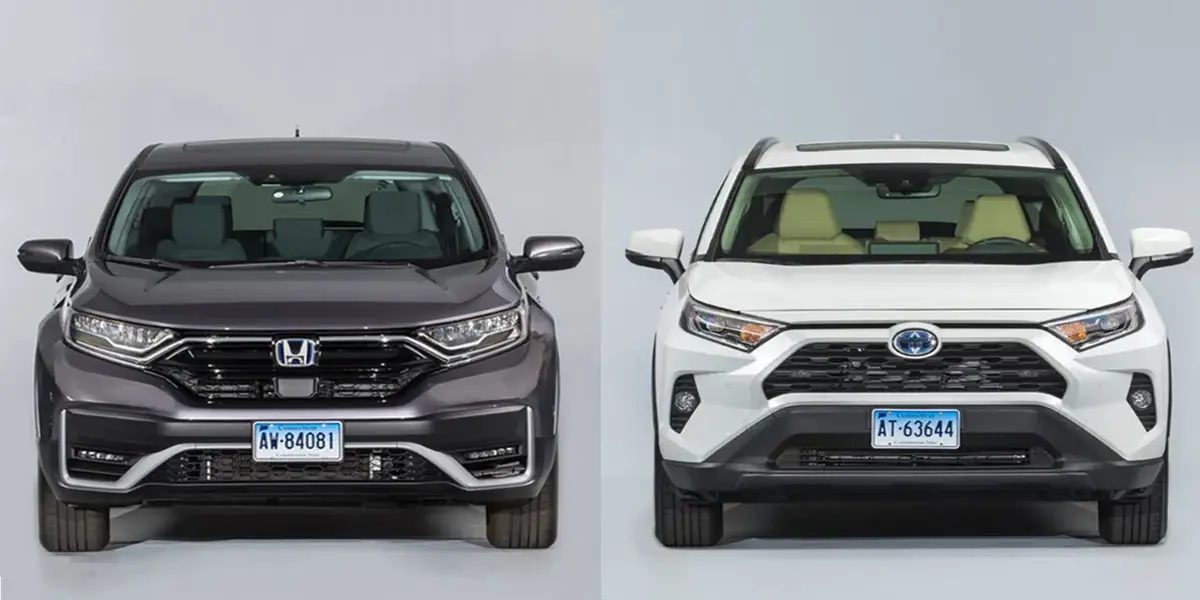
Imagine finding a two-year-old car that has already taken its biggest depreciation hit. It has the features you want, the price looks more comfortable than a new model, and you start wondering:
“Why can’t I just lease this instead of buying it?”
You actually can in some cases.
The problem is that used-car leasing is not as widely available as new-car leasing. Some dealerships offer it, while others do not. Current Kelley Blue Book and Chase guidance both confirm that used leases exist, but availability is limited and shoppers may need to ask dealerships directly rather than relying on advertised lease specials.
That makes the real question slightly different:
Can you find a used car with a lease program that makes financial sense for you?
That’s where the details matter.
Why Used-Car Leases Are Less Common
A lease depends heavily on what the vehicle is expected to be worth when the lease ends. With a used vehicle, the leasing company has to estimate the future value of an already-depreciated car while also accounting for its age, mileage, condition and remaining warranty.
That can make used leases harder to structure than new-car leases.
Certified pre-owned inventory can be particularly relevant because CPO vehicles generally have to meet manufacturer-specific standards and may include additional warranty coverage. However, CPO rules differ by manufacturer.
How Does a Used-Car Lease Work?
A used-car lease works on the same basic principle as other closed-end vehicle leases: you pay for the right to use the vehicle for a specified period and mileage allowance rather than purchasing it outright.
Your payment generally reflects the vehicle’s expected depreciation during the lease, plus a finance charge and applicable taxes and fees. Experian describes depreciation, the money factor and various fees as important components of lease cost.
What Determines the Monthly Payment?
Several numbers can affect your payment:
- The vehicle’s negotiated value
- Expected residual value
- Depreciation during the lease
- Money factor
- Lease term
- Mileage allowance
- Taxes
- Acquisition and other applicable fees
- Any amount paid upfront
A lower sticker price does not automatically produce a lower lease payment. The lease company’s valuation of the vehicle and the terms of the contract matter too.
How Depreciation Affects a Used Lease
Depreciation is one reason people consider leasing a used car.
A vehicle has already lost some of its value before you take the lease. However, that doesn’t guarantee that the remaining depreciation will be favorable or that the lease will beat a purchase.
The right comparison is the total cost of the specific deal, not simply the vehicle’s age.
How a Used Lease Differs From a New Lease
New vehicles generally have more widely available manufacturer lease programs. Used leases can be much more dependent on a particular dealership, manufacturer program, vehicle and leasing company.
New vehicles also generally begin with stronger factory warranty coverage, while a used vehicle may have less warranty remaining. That difference can become important if the lease lasts several years.
Which Used Cars Can You Lease?
There is no single rule saying every used car under a certain age can be leased.
Eligibility depends on the specific program.

Certified Pre-Owned Cars
CPO vehicles deserve special attention because manufacturers typically impose inspection, age, mileage and condition requirements before certifying them.
Chase notes that CPO programs vary by manufacturer, while Kelley Blue Book identifies CPO inventory as a common source for used-car leasing.
That doesn’t mean every CPO vehicle qualifies for a lease. Certification and lease eligibility are separate questions.
Always ask the dealership whether that specific VIN qualifies for a lease.
Does Vehicle Age Matter?
Yes, but there is no universal maximum age that applies to every used-car lease.
Some programs may accept relatively old vehicles, while others focus on newer CPO inventory. Kelley Blue Book’s current used-leasing guidance notes that dealerships can have substantially different age limits.
So instead of asking only, “How old can a used car be?” ask:
“What is the maximum age and mileage allowed under this specific lease program?”
Does Mileage Matter?
Yes.
You need to consider both:
- The vehicle’s current odometer reading.
- The mileage allowance you receive during your lease.
Common lease structures use annual mileage allowances, and Kelley Blue Book notes that 10,000–15,000 miles per year is a typical range for leases. Your actual contract may differ.
If you regularly drive more than the agreed allowance, calculate the excess-mileage cost before signing.
Does Every Dealership Offer Used-Car Leases?
No.
This is one of the biggest differences between shopping for a used purchase and shopping for a used lease.
A dealership can have the exact used vehicle you want but still not offer a lease on it.
Where Can You Find a Used-Car Lease?
Finding the vehicle can be harder than understanding the lease itself.
Check Manufacturer-Backed Leasing Programs
Start by checking whether the manufacturer or its finance company supports leasing on eligible used or CPO vehicles.
Do not assume that because a manufacturer leases new vehicles, it also leases its used inventory.
Program availability can change.
Search Certified Pre-Owned Inventory
CPO inventory is worth checking because these vehicles are generally subject to manufacturer-defined standards and may have warranty benefits.
But treat CPO status as a starting point, not proof that a lease is available.
Call the Dealership Before Visiting
This can save you a wasted trip.
Ask:
“Do you currently offer leases on eligible used or certified pre-owned vehicles?”
Then ask whether the particular vehicle you’re considering qualifies.
Compare Multiple Lease Quotes
Don’t accept the first monthly payment you hear.
Ask for the complete numbers, including:
- Vehicle price
- Monthly payment
- Amount due at signing
- Lease term
- Mileage allowance
- Money factor
- Residual value
- Acquisition fee
- Taxes
- Other dealer or lender fees
A low monthly payment can look attractive while hiding a large amount due upfront.
How Much Does It Cost to Lease a Used Car?
There is no reliable single “average used-car lease payment” that applies to everyone. The vehicle, lease program, credit profile, term, mileage and fees can all change the result.
Instead, understand what you’re actually paying for.
Costs That Make Up a Used-Car Lease
Common costs can include:
- Monthly lease payments
- Amount due at signing
- Acquisition fee
- Taxes
- Registration
- Insurance
- Maintenance
- Excess-mileage charges
- Excess-wear charges
- Lease-end disposition fee, where applicable
Experian specifically identifies depreciation, money factor, acquisition fees, registration, sales tax, disposition fees, excess mileage and excess wear as components that can affect lease cost.
What Determines Your Monthly Payment?
Think of a lease payment as a combination of the vehicle’s depreciation during your lease and the cost of financing that use, with taxes and applicable fees added.
A vehicle that costs less today can still have an unattractive lease if its residual value, money factor or fees are unfavorable.
Illustrative Used-Car Lease Cost Example
Suppose a hypothetical used vehicle has a negotiated value of $25,000 and is expected to be worth $17,000 when a three-year lease ends.
The simplified depreciation portion would be:
$25,000 − $17,000 = $8,000
Spread across 36 months, that’s about:
$222 per month
But that is not the final lease payment.
Finance charges, taxes and applicable fees still have to be considered. The example is only meant to show why the vehicle’s starting value and residual value matter. It is not a quote or current market average.
Used Car Lease vs. New Car Lease
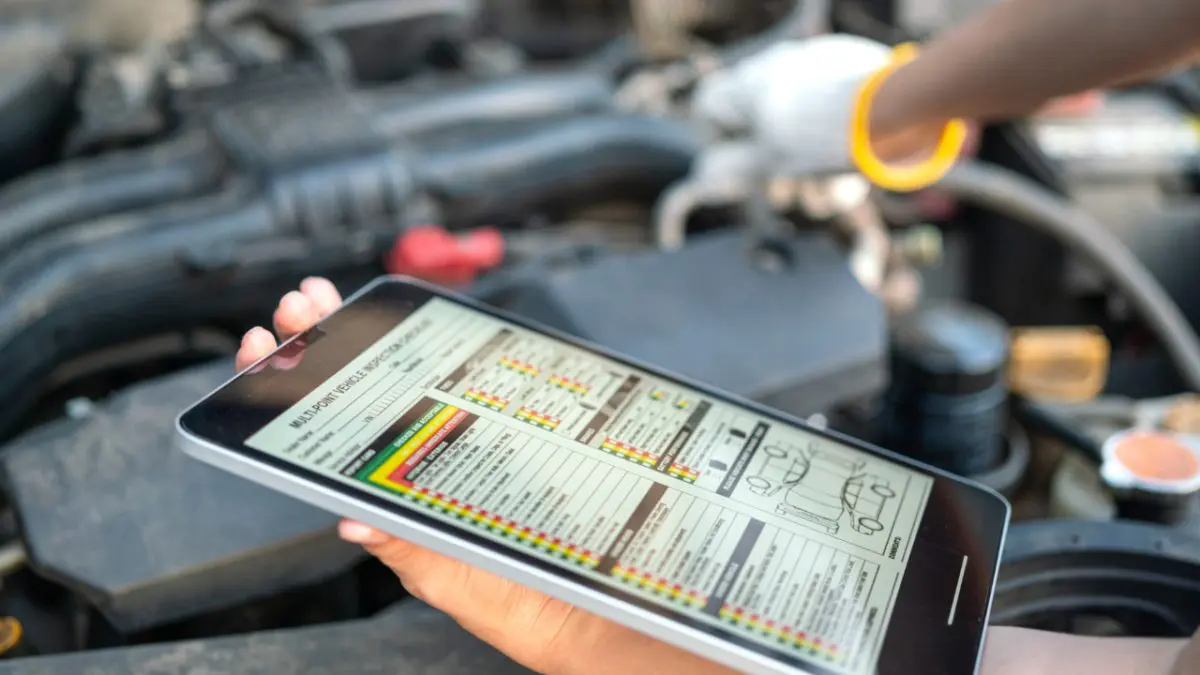
| Factor | Used Lease | New Lease |
| Availability | More limited | Usually broader |
| Vehicle price | Generally lower | Generally higher |
| Warranty | May have less remaining | Usually starts with full factory coverage |
| Incentives | Program-dependent | Manufacturer incentives are more common |
| Selection | More limited | Usually broader |
| Depreciation | Some depreciation already occurred | More initial depreciation |
Why a New Lease Can Sometimes Be Cheaper
This is where many shoppers make a mistake.
They assume:
Used car = cheaper lease.
Not necessarily.
New vehicles can receive manufacturer-supported lease programs, incentives or favorable residual assumptions that a used vehicle doesn’t receive. Kelley Blue Book’s current 2026 leasing guidance also emphasizes that a lower monthly payment alone should not be the basis for choosing a lease.
So compare the actual offers side by side.
When a Used Lease Has the Advantage
A used lease may be worth considering when:
- You find an eligible vehicle at a favorable valuation.
- The vehicle still has useful warranty coverage.
- The lease terms are competitive.
- The mileage allowance fits your driving.
- The total cost beats your alternatives.
Used Car Lease vs. Buying
| Factor | Lease Used | Buy Used |
| Ownership | No ownership during normal lease | You own the vehicle after purchase |
| Mileage | Usually restricted | No contractual mileage limit |
| Equity | Generally none at normal lease end | Builds ownership value as the loan is paid |
| Long-term use | Less suitable for keeping the car many years | Often better suited |
| Flexibility | Contract restrictions apply | More freedom to keep or sell |
| Lease-end charges | Possible | No lease-end mileage charges |
When Leasing Makes More Sense
A used lease may fit you if you want a relatively short commitment, drive within the mileage allowance and find a genuinely competitive lease.
It can also make sense if ownership isn’t important to you.
When Buying Makes More Sense
Buying is often more attractive if you:
- Drive a lot of miles.
- Want to keep the car for many years.
- Want ownership equity.
- Don’t want mileage restrictions.
- Want freedom from lease-end return requirements.
Compare Total Cost, Not Just Monthly Payment
A $300 lease isn’t automatically better than a $400 loan payment.
The loan payment may be building ownership in the vehicle. The lease payment is paying for use and depreciation during a defined period.
Compare the amount you’ll spend over the same period, then consider what you own at the end.
What Credit Score Do You Need to Lease a Used Car?
There is no universal minimum credit score for a used-car lease.
Experian notes that every lease is different and that lenders consider creditworthiness when determining approval and terms. A stronger credit profile may help you qualify for more favorable terms, but a single score should not be treated as a guaranteed cutoff.
What Lenders Consider
Depending on the lender, the application can involve factors such as:
- Credit history
- Payment history
- Income
- Existing debt
- Overall credit profile
- Vehicle
- Lease terms
Can You Lease a Used Car With Bad Credit?
It may be possible, but approval can be harder and the terms may be less favorable.
Don’t solve an affordability problem by accepting a lease you cannot comfortably afford.
What Should You Check Before Signing a Used-Car Lease?
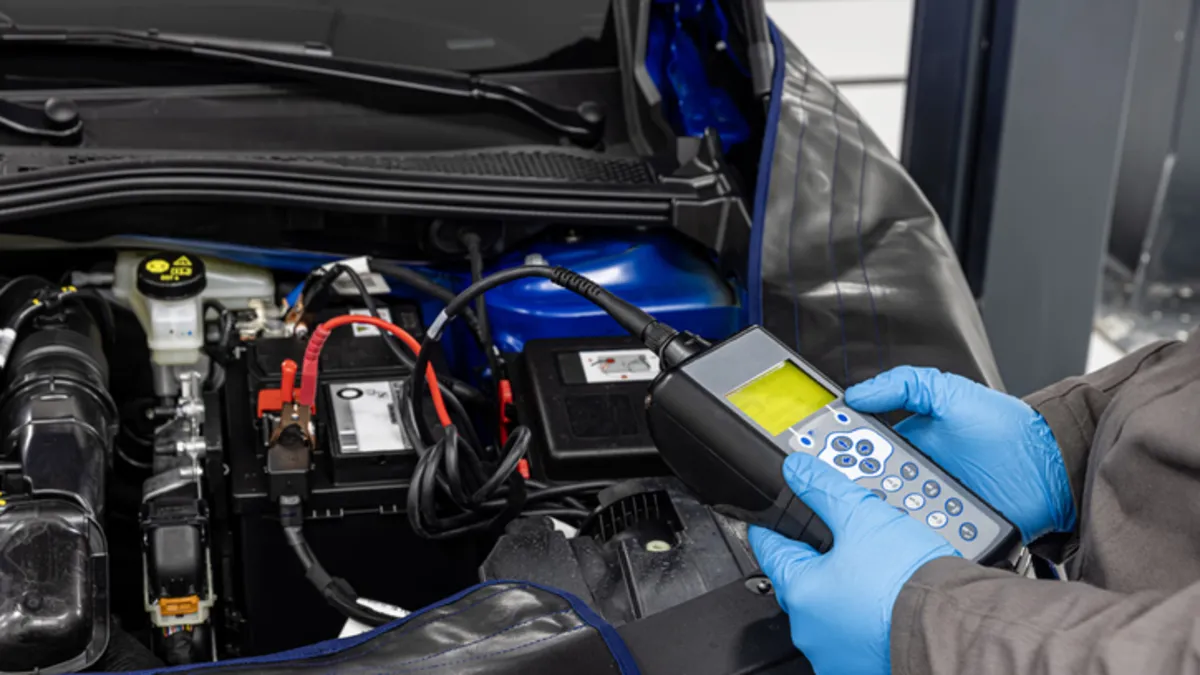
The vehicle may look perfect under dealership lights. That doesn’t mean the contract is perfect.
Check the Vehicle History
Get the VIN and review the vehicle’s accident, ownership and service history.
A history report is useful, but it shouldn’t replace a physical inspection. Kelley Blue Book specifically recommends obtaining a vehicle history report when leasing a used vehicle.
Verify Remaining Warranty Coverage
Find out exactly what warranty remains and when it expires.
This is particularly important with an older used vehicle because the lease can continue after factory coverage ends.
Confirm Mileage and Lease Term
Know:
- Current odometer reading
- Annual mileage allowance
- Total permitted mileage
- Cost of excess miles
- Lease length
Don’t choose a low mileage allowance simply because it produces a lower payment if it doesn’t match your actual driving.
Review Every Lease Fee
Ask for the complete amount due at signing and the expected total cost.
Don’t judge the deal from the monthly payment alone.
Get an Independent Inspection
If the program and dealer allow it, an independent inspection can uncover mechanical or cosmetic issues that aren’t obvious during a short test drive.
Kelley Blue Book recommends an independent inspection, particularly for non-CPO used vehicles.
Compare the Full Lease Cost
Before signing, compare the used lease with:
- A new-car lease.
- A used-car loan.
- Buying the used car with cash, if practical.
That three-way comparison can reveal whether the lease is actually competitive.
Used-Car Lease Red Flags
A Large Upfront Payment
A large amount due upfront can make a monthly payment look artificially low.
Always evaluate the deal using the full amount paid, not just the advertised monthly number.
A Dealer Focused Only on Monthly Payment
If the salesperson won’t clearly show the vehicle price, lease term, mileage, fees and amount due at signing, slow down.
Warranty Ending Before the Lease
A used vehicle that leaves warranty coverage halfway through your lease deserves extra scrutiny.
You could be responsible for maintenance or repairs while still making lease payments.
Unclear Money Factor or Fees
Ask the dealer to explain every charge you don’t understand.
If the numbers don’t make sense, don’t sign until they do.
Excessive Mileage Charges
Calculate your expected annual mileage before accepting the contract.
A cheap lease can become expensive if you consistently exceed its mileage allowance.
Unnecessary Add-Ons
Review optional products separately from the actual lease.
Don’t let accessories, protection packages or other extras make it difficult to see the underlying deal.
No Comparison With a New Lease
If a new vehicle has a heavily supported lease program, it may compete surprisingly well with the used option.
Always compare.
When Is Leasing a Used Car a Bad Idea?
Consider Buying Instead If You Drive High Mileage
A lease may become less attractive when your annual driving regularly exceeds the contract’s mileage allowance.
If you already know you’ll keep the vehicle for many years, buying may also make more sense.
Consider a New Lease Instead If the Incentives Are Better
If a new model has a strong manufacturer lease program while the used vehicle has a high money factor or weak residual value, the new lease may provide better overall value.
Consider a Used Lease If the Numbers Actually Work
The best reason to lease a used car isn’t simply that it’s used.
It’s that the specific lease is competitive after all costs are considered.
What Happens When a Used-Car Lease Ends?
Return the Vehicle
You normally return the vehicle according to the lease contract and may be responsible for eligible excess mileage, damage or other end-of-lease charges.
Buy the Vehicle
Some contracts provide a purchase option at lease end. Check the contract for the predetermined buyout amount and other applicable costs.
Mileage and Wear Charges
Review your contract before returning the vehicle so you know what counts as excess mileage or chargeable wear.
Ending the Lease Early
Early termination can be expensive and depends on the individual contract.
Don’t assume you can simply return the vehicle early without financial consequences.
Used Lease, New Lease, or Buy: Which Should You Choose?
| Your Priority | Usually Worth Comparing First |
| Want a used vehicle and short-term use | Used lease |
| Want the latest model and strong warranty coverage | New lease |
| Drive high annual mileage | Buy used |
| Want long-term ownership | Buy used |
| Want to avoid mileage restrictions | Buy used |
| Found a highly competitive CPO lease | Used lease |
| New-car manufacturer incentives are strong | New lease |
The word “usually” matters here. Your actual numbers can change the answer.
Conclusion: Is Leasing a Used Car Worth It?
So, can you lease a used car? Yes, but the bigger question is whether you should.
Used-car leasing can work when you find an eligible vehicle, reasonable lease terms, suitable mileage limits and enough warranty coverage to reduce your risk. But availability is limited, and a used lease isn’t automatically cheaper than buying or leasing new.
Before signing, compare the complete numbers, not just the monthly payment. Check the vehicle history, inspect the car, understand the warranty, calculate your mileage and review every fee.
At ChevySUV, the goal should be simple: help readers make the decision with clear numbers rather than sales-pitch promises.
If the used lease wins after that comparison, it may be worth considering. If it doesn’t, walking away is often the better deal.
Frequently Asked Questions
Can you lease a used car from a dealership?
Yes. Some dealerships offer leases on eligible used or CPO vehicles, but used leasing is less common than new-car leasing. Always confirm that the specific vehicle qualifies.
Can you lease a certified pre-owned car?
Sometimes. CPO vehicles can be a useful place to look, but CPO certification does not automatically mean the vehicle has a lease program. Manufacturer and lender rules vary.
Is leasing a used car cheaper than buying?
Not automatically. A used lease may have a lower monthly payment, but you should compare total lease payments, fees, mileage costs and what you have at the end against the cost of buying.
Is it better to lease a new or used car?
Neither is always better. A used lease may offer a lower vehicle price, while a new lease may have stronger manufacturer incentives and warranty coverage. Compare the actual offers.
What credit score do you need to lease a used car?
There is no universal minimum score. Lenders evaluate your broader credit profile and application, and stronger credit may help you receive better terms.
How old can a used car be to lease?
There is no universal age limit. Each manufacturer, lender or dealership can set different requirements. Ask for the age and mileage limits of the specific program.
Can you buy a used leased car at the end?
You may be able to if the lease contract includes a purchase option. Check the contract for the buyout amount and any additional charges before deciding.