Choosing a compact luxury crossover can feel like navigating an overwhelming array of high-tech cabins, turbocharged powertrains, and premium badges. At the very center of this competitive segment stand two German icons: the BMW X3 and the Audi Q5. Both entry-level models bring prestige, standard all-wheel drive, and sharp engineering, yet they approach everyday driving from drastically different angles.
The BMW X3 leans heavily into sporty dynamics, offering driver-focused handling, sharp throttle response, and a bold design ethos. On the other side, the Audi Q5 focuses on serene cabin isolation, intuitive technology, and a smooth, confident ride that prioritizes everyday usability.
In this comprehensive BMW X3 vs Audi Q5 comparison, we will examine performance specs, interior ergonomics, cargo room, ownership costs, and long-term usability. Whether you want a dynamic car for back-road thrills or a quiet sanctuary for your daily commute, this detailed guide will help you determine which luxury SUV deserves a spot in your garage.
Article Summary
- BMW X3 Key Strengths:Superior driving engagement, sportier handling, higher maximum cargo volume (up to 67.1 cu ft), and stronger fuel efficiency on highway stretches (33 MPG).
- Audi Q5 Key Strengths: Plush ride quality, refined dual-clutch transmission shifts, standard tri-zone climate control, and superior cabin noise isolation.
- Performance Overview: The X3 30 xDrive delivers 255 hp and 295 lb-ft of torque, while the Audi Q5 2.0 TFSI offers 268 hp and 295 lb-ft of torque.
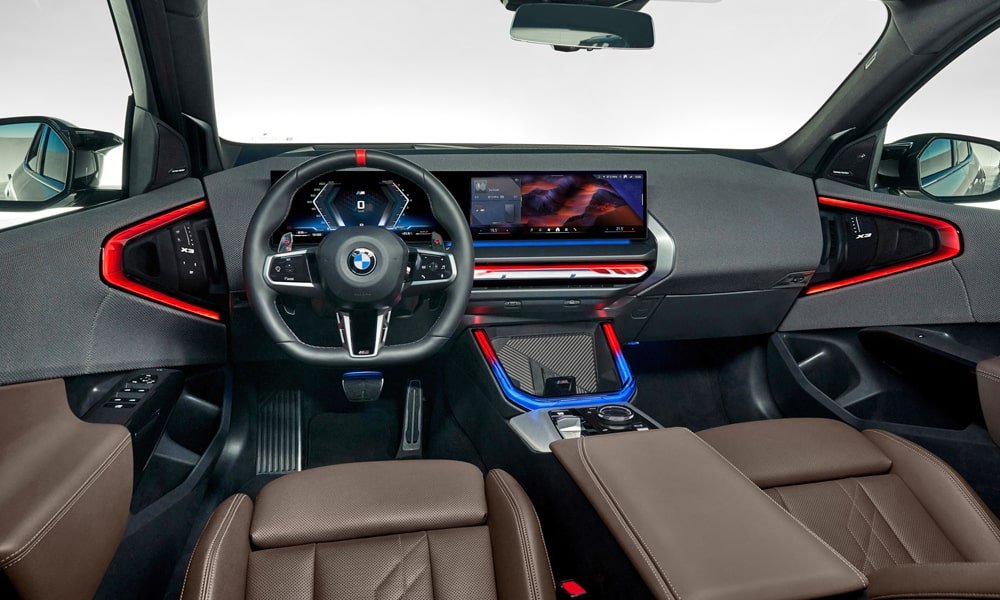
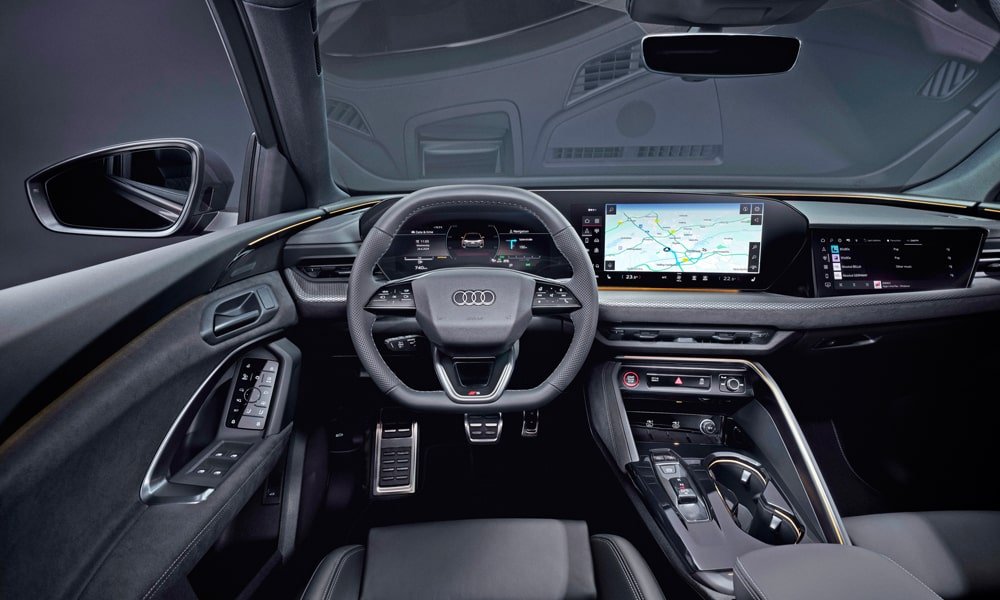
- Cabin Experience: BMW’s curved display houses iDrive on a massive widescreen setup, whereas Audi’s Virtual Cockpit and dual MMI screens emphasize sleek digital organization.
- Verdict: Pick the BMW X3 if driving dynamics and maximum cargo flexibility are your top priorities. Choose the Audi Q5 if you prefer a quiet, comfortable daily driver with a plush ride and seamless power delivery.
Key Takeaways
- Driving Dynamics: The BMW X3 review results consistently highlight its engaging cornering and firm suspension control. In contrast, the Audi Q5 review feedback praises its compliant ride over rough pavement and balanced adaptive damping setup.
- Powertrain & Efficiency: Both luxury crossovers rely on 2.0-liter turbocharged four-cylinder engines augmented by mild-hybrid systems, but BMW’s 8-speed automatic achieves better overall EPA fuel economy figures (29 MPG combined vs. 25 MPG combined).
- Utility & Space: The BMW X3 leads in maximum cargo space with rear seats folded down (up to 67.1 cubic feet), compared to the Audi Q5’s 56.9 cubic feet.
- Infotainment & User Interface: BMW keeps the physical iDrive rotary controller on the central console, while Audi offers an optional front-passenger display screen for distraction-free media playback.
- Practical Value: Pricing across both platforms is competitive, but BMW includes complimentary scheduled maintenance for the first 3 years or 36,000 miles, giving it an edge in initial ownership costs.
Detailed Comparison Table
| Feature / Specification | BMW X3 (30 xDrive) | Audi Q5 (2.0 TFSI Quattro) |
| Base Engine | 2.0L Turbocharged Inline-4 w/ 48V Hybrid | 2.0L Turbocharged Inline-4 w/ 48V Hybrid |
| Horsepower | 255 hp @ 4,700 rpm | 268 hp |
| Torque | 295 lb-ft @ 1,600 rpm | 295 lb-ft |
| Transmission | 8-Speed Automatic | 7-Speed Dual-Clutch S tronic |
| Drivetrain | Standard xDrive All-Wheel Drive | Standard Quattro All-Wheel Drive |
| 0–60 MPH Acceleration | Approx. 6.0 Seconds | Approx. 5.8 Seconds |
| EPA Fuel Economy (City/Hwy) | 27 / 33 MPG | 22 / 30 MPG |
| Max Cargo Space (Seats Down) | Up to 67.1 cu. ft. | Up to 56.9 cu. ft. |
Styling and Design Philosophy
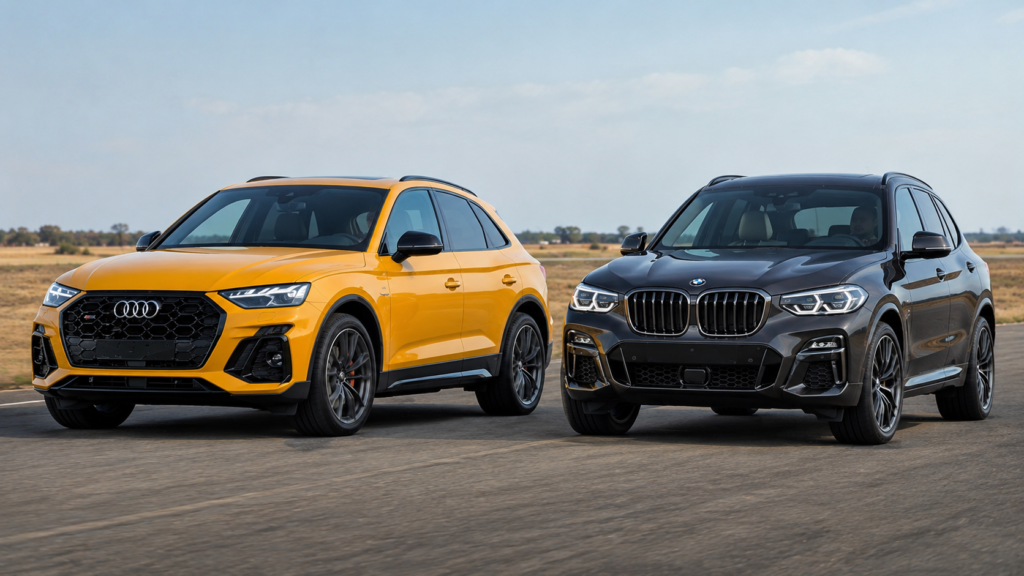
The aesthetic split between these two German automakers is noticeable at first glance, reflecting two completely distinct brand identities.
BMW X3 Exterior
The BMW X3 showcases a low, wide stance with assertive lines, dynamic lighting elements, and sculpted body panels. The prominent double-kidney grille, flush door handles, and sharp rear LED tail lamps give the X3 a purposeful, athletic character that stands out in traffic. Its focus is centered on sharp edges, a wide stance, and aggressive body contours designed to evoke a sense of continuous motion.
Audi Q5 Exterior
The Audi Q5 takes a refined, understated path. Featuring Audi’s Singleframe grille, crisp LED lighting signatures, and sleek body lines, the Q5 avoids flashy design gimmicks in favor of clean symmetry. It maintains an elegant presence that suits suburban commutes and upscale city settings alike, prioritizing balanced proportions, subtle elegance, and timeless styling.
Powertrain Options and Performance Breakdown
BMW X3 Performance
Under the hood of the entry-level BMW X3 30 xDrive, a 2.0-liter turbocharged four-cylinder engine delivers 255 horsepower and 295 lb-ft of torque. Power flows through a well-calibrated 8-speed automatic transmission to all four wheels, resulting in a 0 to 60 mph acceleration time of approximately 6.0 seconds.
For buyers seeking serious acceleration, the performance-oriented BMW X3 M50 xDrive replaces the four-cylinder with a turbocharged 3.0-liter inline-six pushing 393 horsepower and 428 lb-ft of torque. This variant hits 60 mph in roughly 4.4 seconds and features standard adaptive M suspension for improved cornering balance and sharp road holding.
Audi Q5 Performance
The standard Audi Q5 2.0 TFSI Quattro uses a turbocharged 2.0-liter four-cylinder engine generating 268 horsepower and 295 lb-ft of torque. Joined to a 7-speed S tronic dual-clutch transmission, the Q5 delivers crisp shifts and rapid off-the-line response, sprinting from 0 to 60 mph in 5.8 seconds
If you step up to the performance Audi SQ5, Audi installs a turbocharged 3.0-liter V6 producing 362 horsepower, providing seamless passing power paired with a tuned sport suspension system that rockets to 60 mph in under 4.7 seconds.
Which Luxury SUV Offers the Superior Driving Dynamics?
When comparing road manners in this BMW vs Audi SUV matchup, the driving feel reveals two distinct engineering goals tailored to different driver preferences.
Handling and Steering
The BMW X3 behaves like a sport sedan with a higher seating position. Its steering is quick, precise, and communicative, letting drivers tackle sharp turns with confidence. The chassis remains composed through fast directional changes, minimizing body roll during aggressive cornering maneuvers.
The Audi Q5 uses a lighter steering setup designed for low-speed maneuvering and stress-free highway cruising. While it handles corners with grip and stability thanks to standard Quattro all-wheel drive, it prioritizes isolated comfort over sporty feedback, making it easier to park and guide through dense urban traffic.
Ride Quality and Comfort
The trade-off for the BMW’s athletic handling is a firm suspension tune. Rough pavement, potholes, and expansion joints are communicated more directly into the cabin, which may feel taut to drivers looking for a floating ride feel.
The Audi Q5 offers a smoother, more compliant ride over uneven surfaces. Road vibration and tire noise are well suppressed by its multi-link suspension setup, making long highway drives feel effortless and relaxed for both driver and passengers.
Interior Comfort, Materials, and Craftsmanship
Inside the cabin, both brands offer modern luxury, though they execute their interior architecture in entirely different ways.
- BMW X3 Interior Highlights: Features a sweeping curved display housing a 12.3-inch instrument cluster alongside a massive 14.9-inch central touchscreen running the latest iDrive software. BMW retains the physical rotary controller on the center console, allowing drivers to navigate menus without constantly reaching for the screen while driving. The front sport seats offer strong lateral support, though some drivers may find the seat cushions firm over long trips.

- Audi Q5 Interior Highlights: Places digital tech front and center with a free-standing housing that contains an 11.9-inch Virtual Cockpit gauge cluster and a 14.5-inch MMI touchscreen. Passengers can also enjoy an optional 10.9-inch dedicated touchscreen with a privacy filter, allowing them to stream media without distracting the driver. Material choices are soft to the touch, featuring plush leatherette and natural wood trim accents with straightforward dash ergonomics.
Which Vehicle Is More Practical for Daily Driving and Cargo?
For daily family duties, weekend road trips, and grocery runs, overall cargo volume, rear-seat ergonomics, and interior flexibility matter greatly.
- Rear-Seat Space and Comfort: The Audi Q5 offers comfortable rear legroom (38.0 inches) for adults, aided by standard tri-zone automatic climate control and rear USB-C charging ports. The BMW X3 provides 36.3 inches of rear legroom with adequate headroom and footwell space, but its fixed seatbacks can feel slightly constrained on longer trips for tall adult passengers.
- Cargo Usability and Storage: The BMW X3 holds a clear advantage in sheer volume, offering up to 31.5 cubic feet of cargo space behind the second row and expanding to 67.1 cubic feet with the rear seats stowed. The Audi Q5 provides 27.6 cubic feet behind the second row and tops out at 56.9 cubic feet with the rear seats folded flat. However, the Q5 features a wider loading opening and flat floor that makes sliding heavy luggage in and out simple.
Infotainment, Safety Features, and Technology Integration
Both models come equipped with cutting-edge active safety suites and modern software ecosystems designed to keep drivers connected.
BMW iDrive Overview
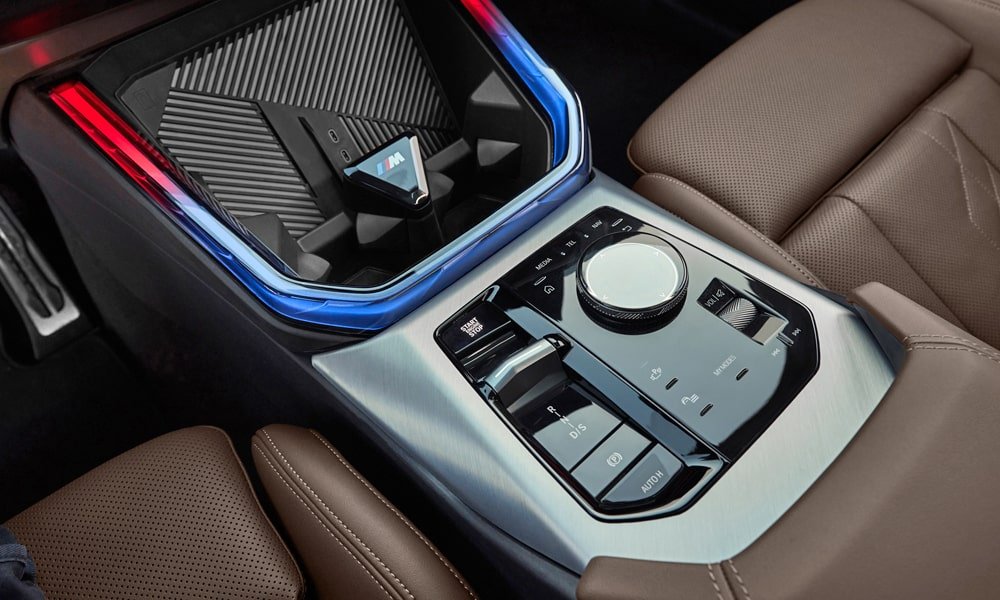
BMW’s latest iDrive system integrates navigation, media, and vehicle settings into a single seamless digital display. Wireless Apple CarPlay and Android Auto are standard across all trims. The physical rotary knob on the center console remains one of the best input methods in the luxury segment, though nesting climate controls into touchscreen submenus requires an adjustment period for new owners.
Audi MMI Touch Overview
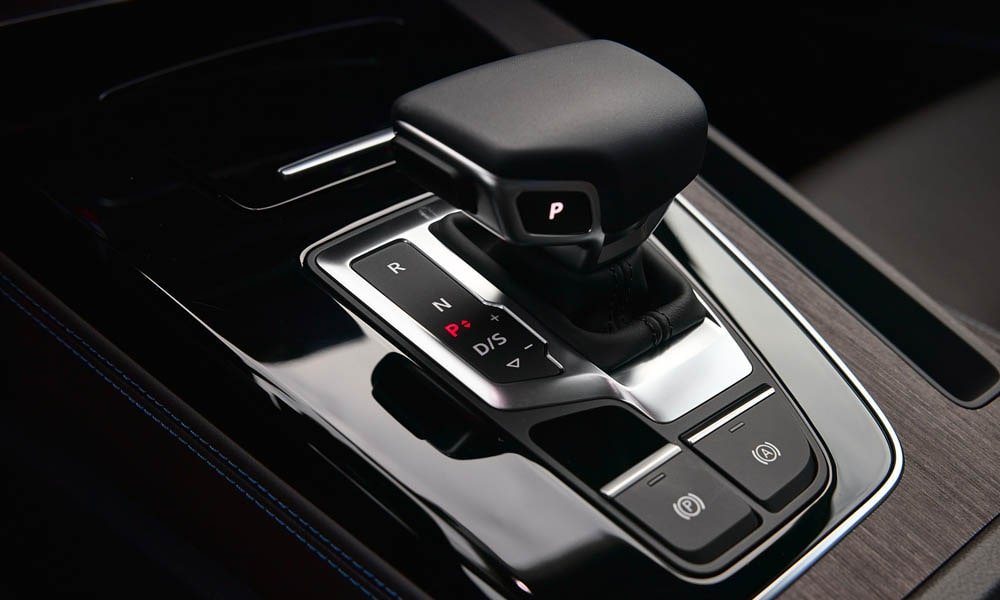
Built on an Android Automotive OS foundation, Audi’s MMI system provides fast menu response, crisp graphics, and accurate natural-speech voice recognition. Wireless smartphone integration is standard. The touch control layout is clean, intuitive, and easy to operate at a glance, and Audi’s Virtual Cockpit digital gauge cluster remains a industry benchmark for map visualization.
Active Safety and Driver Assistance Systems
Both luxury SUVs come standard with comprehensive safety features:
- Automated Forward Emergency Braking with Pedestrian Detection
- Lane Departure Warning and Active Lane Keeping Assist
- Blind-Spot Monitoring with Rear Cross-Traffic Alert
- Driver Attention Monitoring and Adaptive Cruise Control
Optional technology packages on both models add hands-free highway driving assistance, automatic parking assistance, and 360-degree surround-view camera systems.
Real-World Fuel Economy and Ownership Costs
Fuel Efficiency Breakdown
Thanks to its sleek aerodynamic design and calibrated 48V mild-hybrid system, the BMW X3 30 xDrive earns EPA ratings of 27 MPG City / 33 MPG Highway / 29 MPG Combined. The Audi Q5 2.0 TFSI achieves an estimated 22 MPG City / 30 MPG Highway / 25 MPG Combined. On long highway road trips, the BMW X3 delivers significantly better fuel range between gas station stops.
Warranty Coverage and Maintenance Benefits
- BMW Warranty: Covers 4 years or 50,000 miles, and includes BMW’s Complimentary Scheduled Maintenance program for 3 years or 36,000 miles. This covers routine oil changes, brake fluid replacements, and vehicle inspections at no additional cost.
- Audi Warranty: Covers 4 years or 50,000 miles, but prepaid maintenance plans must be purchased separately through Audi Care.
What Are the Long-Term Reliability and Cost to Own Expectations?
When purchasing a luxury compact SUV, long-term maintenance costs and component reliability are crucial factors to consider.
Maintenance and Repair Considerations
Luxury German vehicles require adherence to strict maintenance schedules. Both the BMW X3 and Audi Q5 utilize direct-injected turbocharged engines that require synthetic oil, premium gasoline, and periodic spark plug replacements.
Because BMW includes complimentary maintenance for the first three years, initial ownership costs for the X3 are lower. Out-of-warranty repairs for suspension bushings, complex infotainment modules, and all-wheel-drive components can be comparable across both brands over time.
Resale Value Retainage
Historically, both the BMW X3 and Audi Q5 retain steady resale value relative to the broader luxury SUV market. Retaining maximum resale value relies on consistent dealer maintenance records, avoiding excessive mileage, and opting for desirable options packages like driver assistance upgrades and premium sound systems.
Frequently Asked Questions (FAQs)
Is the BMW X3 faster than the Audi Q5?
In entry-level trims, the Audi Q5 2.0 TFSI is slightly faster off the line, reaching 60 mph in roughly 5.8 seconds, compared to 6.0 seconds for the BMW X3 30 xDrive. However, when comparing performance trims, the 393-horsepower BMW X3 M50 outpaces the 362-horsepower Audi SQ5 in sprint times and top-end highway acceleration.
Which SUV is more comfortable for long road trips?
The Audi Q5 generally delivers better long-distance ride comfort. Its suspension setup absorbs road imperfections more effectively, and its cabin isolates wind and tire noise exceptionally well at highway speeds. The BMW X3 offers a quiet cabin as well, but its firmer suspension tune can feel busier over degraded asphalt.
Does the BMW X3 or Audi Q5 have more cargo space?
The BMW X3 offers significantly more total cargo capacity. It provides up to 31.5 cubic feet of space behind the rear seats and expands to 67.1 cubic feet of maximum cargo space with the rear seats folded flat. In comparison, the Audi Q5 offers 27.6 cubic feet behind the second row and tops out at 56.9 cubic feet.
Are all-wheel-drive systems standard on both luxury SUVs?
Yes, both models feature standard all-wheel drive in their primary configurations. BMW uses its xDrive system, which biases power to the rear wheels for a sportier driving feel. Audi uses its Quattro system, which optimizes traction across all four wheels for confident handling in snow, rain, and poor weather conditions.
Which luxury crossover holds its resale value better?
Historically, both the BMW X3 and Audi Q5 retain average resale values typical of the compact luxury segment. Resale values depend heavily on options, overall mileage, and detailed maintenance history. However, BMW’s standard complimentary maintenance package helps ensure owners complete routine servicing during early ownership.
Conclusion: Which Luxury SUV Should You Buy?
Both the BMW X3 and Audi Q5 represent top-tier engineering in the compact luxury crossover class, but they cater to fundamentally different driving styles and personal priorities.
Buy the BMW X3 if: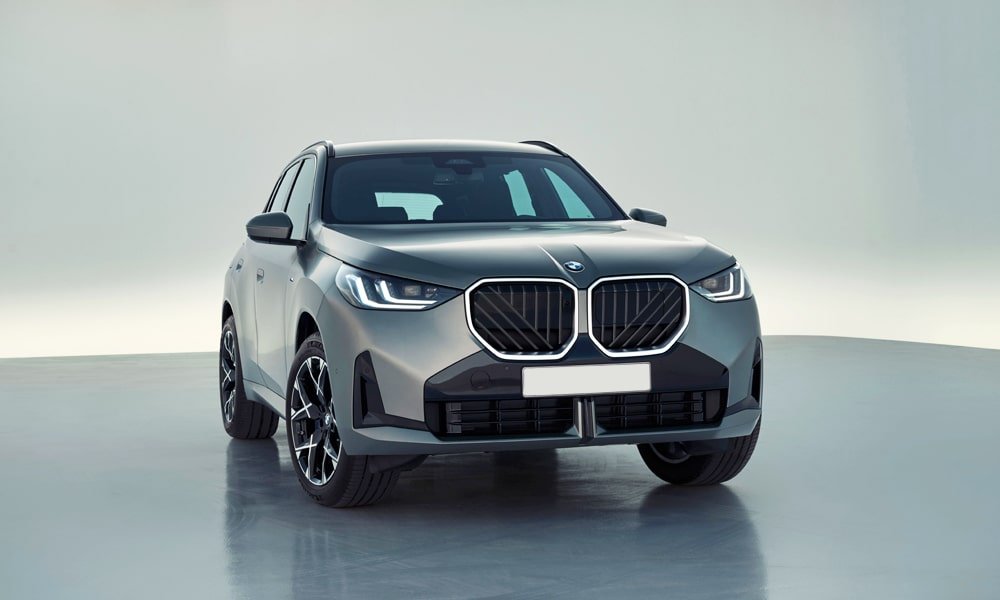
- You want sharp, sports-car-inspired handling and engaged steering response.
- You need maximum rear cargo storage volume for luggage, gear, or family trips.
- Highway fuel efficiency is a high priority for your daily driving habits.
- You prefer maintaining a physical console iDrive knob rather than relying solely on touchscreens.
- You value complimentary scheduled maintenance during your first three years of ownership.
Buy the Audi Q5 if: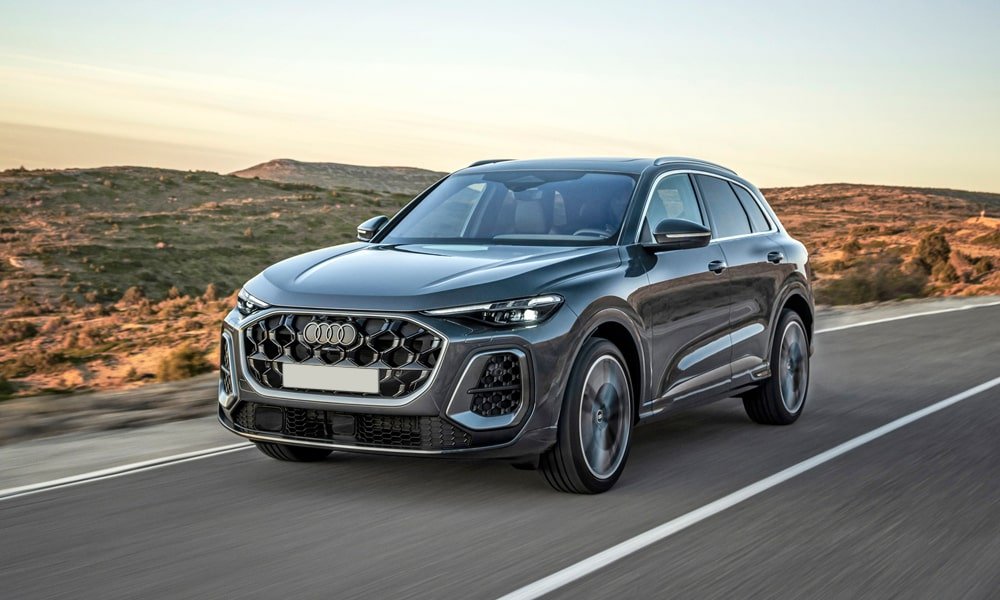
- You prioritize a smooth, supple, and relaxed ride over rough city streets and highways.
- You want quick, seamless dual-clutch transmission shifts and rapid low-end torque delivery.
- You prefer an intuitive, multi-screen dashboard layout with dedicated passenger display options.
- You want an under-the-radar, understated luxury design with quiet interior cabin isolation.
If you crave an engaging drive, responsive handling, and extra cargo room, the BMW X3 is the better fit. If you prefer smooth ride comfort, quiet cruising, and modern digital cabin technology, the Audi Q5 remains an excellent choice for daily luxury. Consider scheduling a back-to-back test drive at your local dealerships to see which driving character matches your daily routine best!
Frequently Asked Questions (FAQs)
Is the BMW X3 faster than the Audi Q5?
In entry-level trims, the Audi Q5 2.0 TFSI is slightly faster off the line, reaching 60 mph in roughly 5.8 seconds, compared to 6.0 seconds for the BMW X3 30 xDrive. However, when comparing performance trims, the 393-horsepower BMW X3 M50 outpaces the 362-horsepower Audi SQ5 in sprint times and top-end highway acceleration.
Which SUV is more comfortable for long road trips?
The Audi Q5 generally delivers better long-distance ride comfort. Its suspension setup absorbs road imperfections more effectively, and its cabin isolates wind and tire noise exceptionally well at highway speeds. The BMW X3 offers a quiet cabin as well, but its firmer suspension tune can feel busier over degraded asphalt.
Does the BMW X3 or Audi Q5 have more cargo space?
The BMW X3 offers significantly more total cargo capacity. It provides up to 31.5 cubic feet of space behind the rear seats and expands to 67.1 cubic feet of maximum cargo space with the rear seats folded flat. In comparison, the Audi Q5 offers 27.6 cubic feet behind the second row and tops out at 56.9 cubic feet.
Are all-wheel-drive systems standard on both luxury SUVs?
Yes, both models feature standard all-wheel drive in their primary configurations. BMW uses its xDrive system, which biases power to the rear wheels for a sportier driving feel. Audi uses its Quattro system, which optimizes traction across all four wheels for confident handling in snow, rain, and poor weather conditions.
Which luxury crossover holds its resale value better?
Historically, both the BMW X3 and Audi Q5 retain average resale values typical of the compact luxury segment. Resale values depend heavily on options, overall mileage, and detailed maintenance history. However, BMW’s standard complimentary maintenance package helps ensure owners complete routine servicing during early ownership.