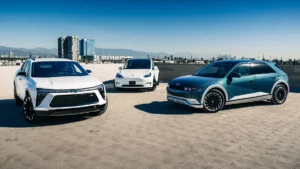
The Chevy Blazer EV vs Tesla Model Y present a classic Detroit vs. Silicon Valley showdown. The Model Y leads in efficiency, cargo capacity (76.2 cu ft), and towing (3,500 lbs), featuring a minimalist cabin. The Blazer EV counters with aggressive styling, physical controls, a 17.7-inch screen, and hands-free Super Cruise. Both offer 240–260 miles of highway range and share Supercharger access.
Introduction
The electric crossover market is officially in its adult phase. Comparing blazer ev vs tesla model y, you are setting up a Detroit vs Silicon Valley apocalypse between manufacture muscle and digital dominance.
It all comes down to how these two compare, Blazer EV vs Tesla Model Y, on a day-to-day basis, the potential for charging ecosystems, and long-term utility. The Model Y also plays the advantages of a minimalist cabin layout and extensive Supercharger network, while there’s no denying the Blazer EV can project an aggressive road stance along with relatively traditional luxury cabin appointments and a very advanced battery architecture.
Here at ChevySUV, we go deeper than the surface marketing materials to help you decide which electric challenger is worthy of a permanent place in your driveway.
Direct Architectural and Styling Differences
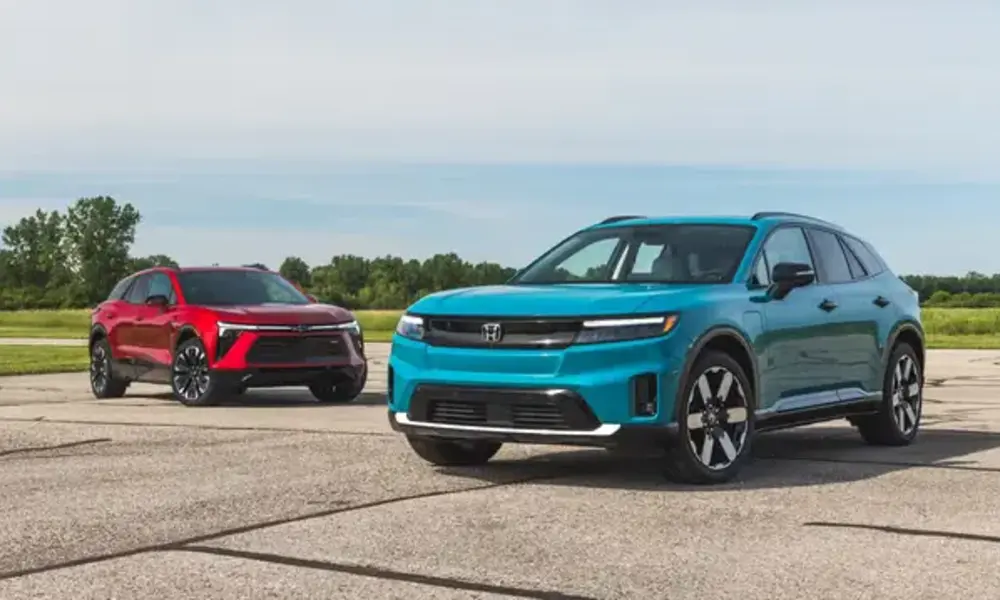
Standing next to both vehicles reveals completely opposite design philosophies. The Model Y utilizes a recognizable, smooth aerodynamic shape designed primarily to cut through the air with minimal drag.
The Blazer EV steps away from that rounded look, embracing an aggressive, muscular stance featuring broad shoulders, an assertive front light bar, and traditional vehicle proportions. Inside the cabin, the styling division deepens significantly. Tesla relies entirely on a single, centralized 15.4-inch display panel to handle everything from adjusting the climate control vents to viewing your speedometer.
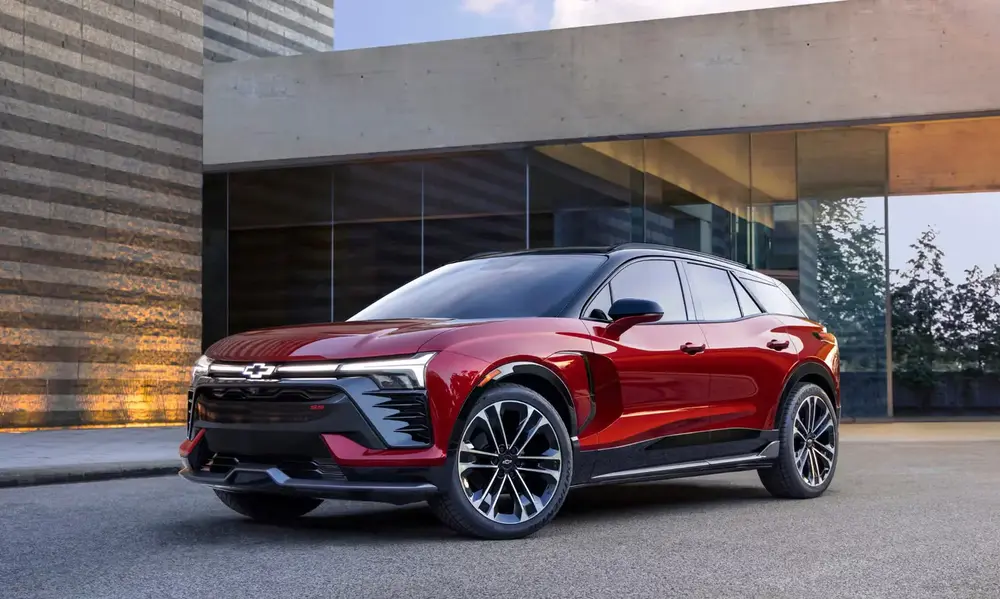
In sharp contrast, the ChevySUV interior delivers a heavily driver-centric configuration. It combines an expansive 11-inch digital instrument cluster directly behind the steering wheel with a massive 17.7-inch central infotainment touchscreen. This layout maintains physical tactile knobs for your primary climate adjustments, ensuring you can adjust cabin comfort on the move without taking your eyes off the highway.
Head-to-Head Specification Breakdown: Blazer EV vs Tesla Model Y
To establish an objective baseline under current market conditions, let’s review the core mechanical numbers of these popular configurations side-by-side. The matrix below covers real-world driving data, battery speeds, and everyday utility constraints.
|
Vehicle Specification |
2026 Chevy Blazer EV (RS AWD) | 2026 Tesla Model Y (Long Range AWD) |
| EPA-Estimated Range | 279 to 283 Miles |
308 to 310 Miles |
|
Peak DC Charging Rate |
Up to 150 kW | Up to 250 kW |
| Max Towing Capacity | 1,500 lbs (Braked) |
3,500 lbs (With Tow Package) |
|
Infotainment System |
Google Built-In (No CarPlay) | Custom Tesla OS (No CarPlay) |
| On-Board Cargo Volume | 64.2 Cubic Feet (Seats Flat) |
76.2 Cubic Feet (Includes Frunk) |
The Towing and Utility Reality Check
While both of these vehicles excel at standard suburban commuting, their maximum cargo limits vary dramatically. If your lifestyle requires moving heavier recreational gear, you must look closely at how these platforms handle extra weight.
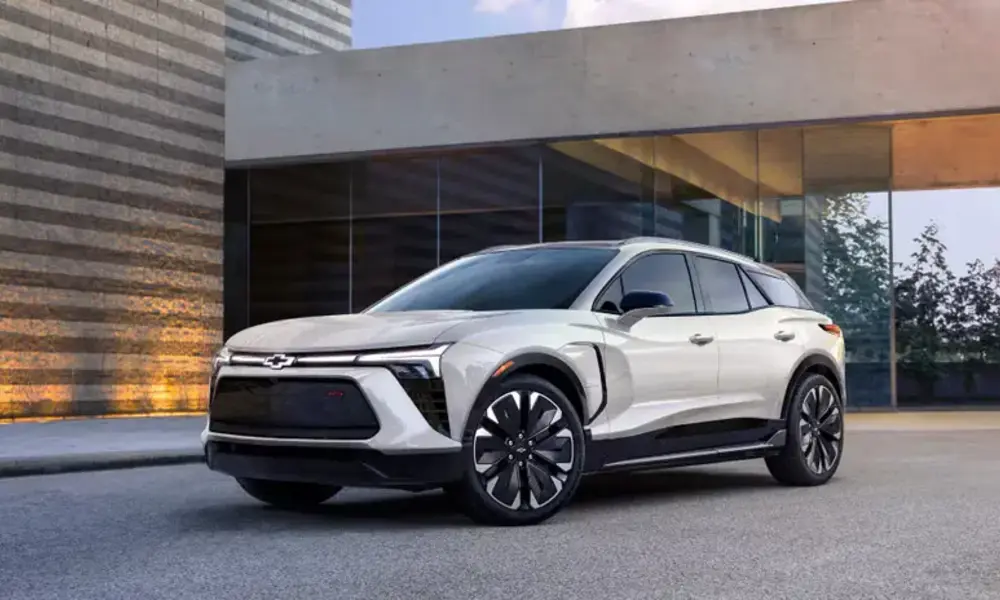
When evaluating a mid-size electric crossover, utility limits can surprise traditional drivers. The Blazer EV provides a modest, light-duty utility rating capped at 1,500 pounds for its standard all-wheel-drive configurations. This is perfect for a basic lawn care tray or a pair of personal watercraft, but it falls short if you plan to tow a dedicated family camper across state lines.
Chevy SUV Towing Capacity Comparison
| Vehicle / Platform | Max Towing Capacity | Best Suited For |
| Tesla Model Y | 3,500 lbs | Teardrop campers & small utility trailers |
| Chevy Blazer EV | 1,500 lbs | Bike racks & light watercraft |
| Chevy Traverse | 5,000 lbs | Full-size campers & recreational watercraft |
| Chevy Tahoe / Suburban | 8,000+ lbs | Heavy commercial loads & large boats |
For owners who realize an electric crossover cannot support their heavy-duty hauling requirements, analyzing the broader gas-powered utility lineup is a necessity. A thorough chevy suv towing capacity comparison shows that stepping up to standard combustion platforms opens up entirely new recreational options.
For instance, looking at a mid-size traverse vs tahoe towing evaluation reveals a jump from a 5,000-pound crossover limit to a massive 8,400-pound truck-framed capability. If you need a vehicle capable of comfortably pulling a full-size luxury trailer or a heavy horse box, a heavy-duty option like a suburban towing 8000 lbs ensures you remain safely within your structural limits.
Ultimately, if your family needs a robust, long-distance hauler for deep wilderness adventures, a full-size traditional platform remains the best chevy for trailer duties, easily delivering the brand’s true chevy suv max tow rating.
Real-World Range and Charging Infrastructure
Moving an electric vehicle down the highway requires analyzing battery management and public charging availability. The gap between these two vehicles has narrowed, but important operational differences remain.
On-The-Road Battery Efficiency
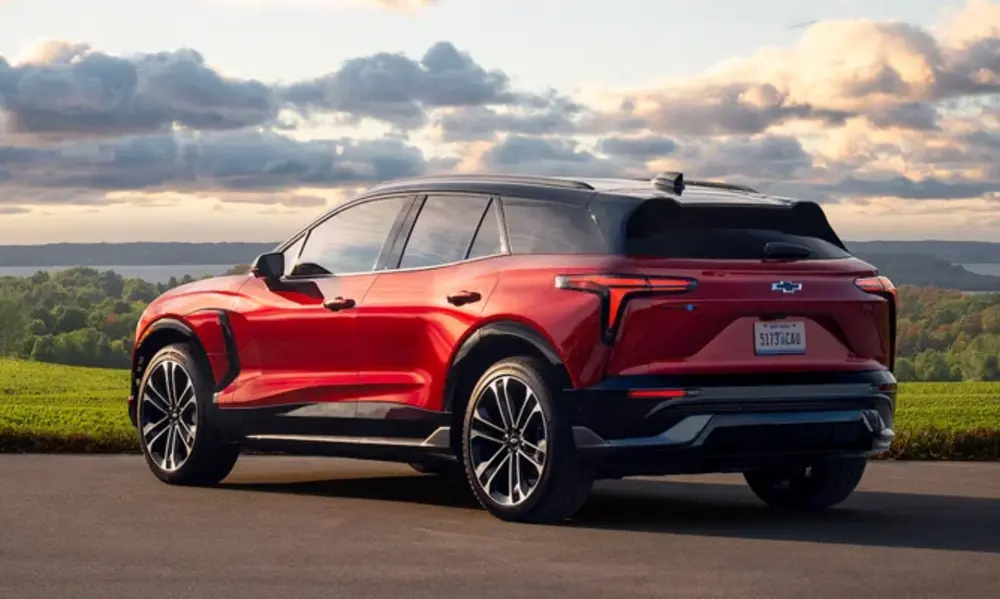
In real-world highway conditions at a steady 70 miles per hour, both vehicles behave slightly differently than their official numbers suggest. The Model Y achieves incredible efficiency numbers due to its slippery body shape, meaning it uses fewer kilowatt-hours per mile.
The Blazer EV carries a slightly larger battery pack to offset its bolder, blockier front profile. This larger capacity means that even though it fights more wind resistance on the interstate, its usable real-world range remains highly competitive, regularly delivering roughly 240 to 250 miles of continuous highway driving before requiring a charging stop.
The Charging Experience
Thanks to modern industry charging partnerships, the infrastructure divide has mostly vanished. The Blazer EV can seamlessly access selected Tesla Supercharger locations across North America using an approved adapter, giving you the exact same routing flexibility that Tesla owners have enjoyed for years.
- Charging Curves: The Model Y can accept up to 250 kW at an optimized station, allowing a 10% to 80% charge in roughly 20 to 25 minutes.
- Thermal Stability: The Blazer EV draws at a steady peak of 150 kW, but its advanced Ultium cooling system maintains that intake rate deeper into the charging cycle.
- Plug & Charge Utility: General Motors has integrated payment processing directly into their native mobile apps, letting you pull up to a station, plug in, and charge automatically without swiping extra credit cards.
In-Cabin Technology and Driver Assistance Systems
How you interact with your vehicle during a long commute often matters more than raw mechanical metrics. The technology choices made by these companies represent two completely different approaches to modern driving.
Infotainment System Showdown
Tesla continues to bar Apple CarPlay and Android Auto from its ecosystem, forcing drivers to rely entirely on its proprietary navigation and streaming media interfaces. Chevrolet has taken a similar step with the Blazer EV, introducing a highly customized Google Built-In operating system.
This native system integrates Google Maps, Spotify, and live charging route planning directly into the vehicle’s dual screens. Because the software runs natively on the car’s internal processors, map rendering is instant, and the voice command system can adjust physical cabin settings like your heating controls without requiring a phone connection.
Autonomous Driving Aids: Super Cruise vs Autopilot
For daily highway commuters, the driver assistance battle is won clearly by Detroit. The Blazer EV offers GM’s highly acclaimed Super Cruise system on selected trims.
- True Hands-Free Driving: Super Cruise utilizes an infrared camera system on the steering column to monitor driver attentiveness, allowing you to completely remove your hands from the wheel across more than 400,000 miles of mapped highways.
- Smooth Lane Exchanges: The system handles automatic lane changes and speed adjustments based on surrounding traffic patterns with seamless precision.
- Tesla’s Approach: Tesla’s standard Autopilot remains a hands-on system, requiring constant torque inputs on the steering wheel every few seconds to prevent the system from disengaging.
Conclusion
If your primary goal is maximizing cargo configurations and you prefer a simple, screen-only environment with a proven record of battery efficiency, the Model Y remains a compelling choice.
However, if you want a vehicle that feels like a premium passenger car, the decision swings toward the Chevy SUV camp. The Blazer EV delivers superior ride insulation, an excellent hands-free driving assistant with Super Cruise, and traditional physical cabin controls that don’t require menu-diving while driving. Visit our showroom at ChevySUV to know Blazer EV vs Tesla Model Y, and experience this bold, comfortable electric platform in person and find the perfect trim for your lifestyle.
Frequently Asked Questions
How does highway range compare?
At 70 mph, both models comfortably deliver 240–260 miles of real-world range, depending on wheel size and temperature.
Which offers more cargo space?
The Model Y wins with 76.2 cu ft of total volume, utilizing an extra front trunk (frunk) and deep under-floor space.
Can the Blazer EV use Tesla Superchargers?
Yes. GM vehicles can access the Supercharger network using an approved NACS-to-CCS adapter.
Is Apple CarPlay available?
No. Tesla uses its own custom ecosystem, while the Blazer EV relies on a native Google Built-In system.