This article compares the Chevy Blazer EV and Tesla Model Y, focusing on range, charging, performance, interior design, cargo space, and ownership costs. It explains that the Model Y is better for tech-first buyers, fast acceleration, and charging software, while the Blazer EV suits drivers who want SUV comfort, physical controls, rear-seat space, and a more traditional driving feel.
Introduction
There is no longer a lackluster race in the electric SUV market run solely on Tesla power. The Blazer EV vs Model Y decision comes down to whether you want a driving experience of the future with plenty of tech first, or the feeling of a traditional rugged SUV more updated on the inside.
Although the Tesla Model Y is still king of efficiency, its blow was softened by rides that are far more competitive (and range-abundant) in our midst, partly through ride comfort and partially through trim levels that yield a drive style for every taste.
EV Showdown: Blazer EV vs Model Y
The Tesla Model Y has been the go-to recommendation for anyone going electric for years. It’s quick, boasts a world-famous charging network, and has a simple aesthetic to it, with the feel of a smartphone on four wheels. However, Chevrolet has pivoted quickly. The Ultrium platform that the Blazer EV is based carries a feeling with it on the road many traditional drivers like, which makes for a more “substantial” feel.
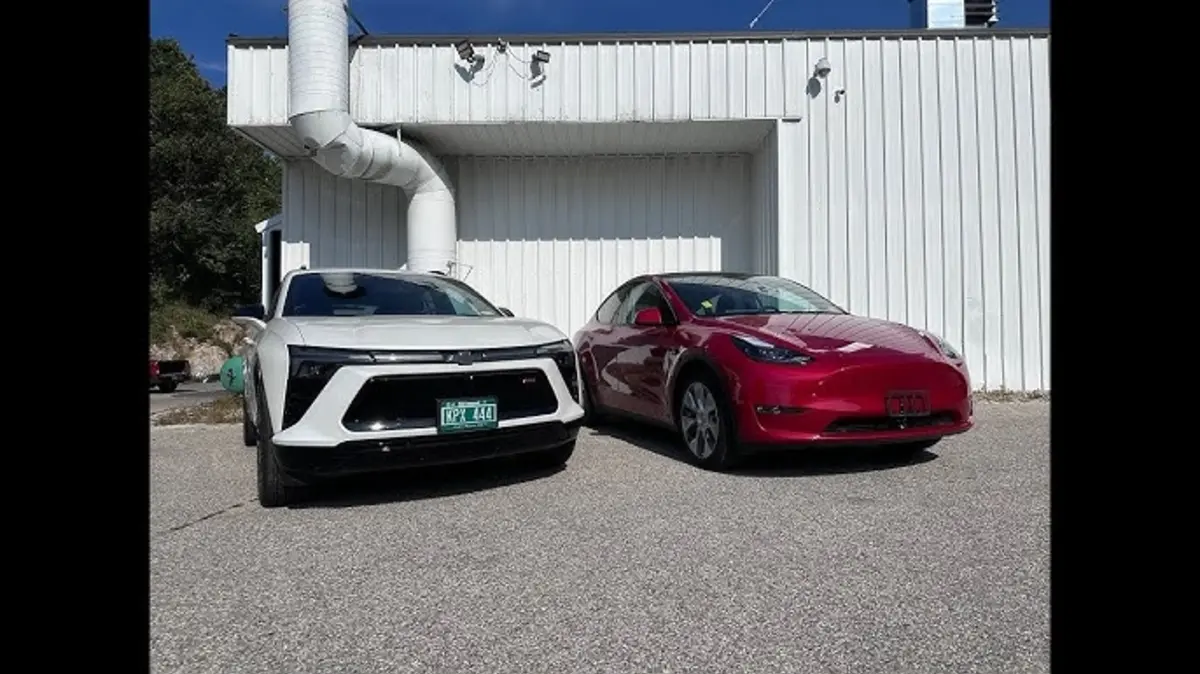
The Blazer EV vs Tesla Model Y comparison starts with the presence. On the outside, the Blazer is a hulking SUV filled with attitude. It looks like a sexed-up sedan, too; to me the Model Y looks like an upscale version of the car it might have competed with, the now-defunct Dodge Neon. So of course, that aesthetic divergence mirrors the driving dynamics: The Tesla is nimble and firm; the Chevy smooths things over.
Performance and Drive Feel
Tesla’s Model Y is well-known for its one-pedal driving and instant torque. And the Long Range trim is super speedy as well, taking less than 5 seconds to max out at 60 miles every hour. Steering is sharp, almost go-kart like which can be fun for some but over long stretches on the highway this would feel a bit “twitchy.”
Not so with the Chevy Blazer EV, which has a different tack. It has multiple drivetrain configurations such as FWD, RWD and AWD. That freedom is absent with the Model Y. The most definitely being the RWD Blazer EV which is specifically engineered for the highway and has a more even weight distribution than the Tesla providing you with a lower center of gravity thus feeling much better suited.
The Range and Charging that you will face in reality in 2026
Range is the most common metric discussed in the Blazer EV vs Model Y debate. For 2026, the Model Y Long Range is rated for a range of about 310–330 miles. With an estimated 320+ miles, the Blazer EV RWD models have been forced to join in on delivering the best of what that class does.
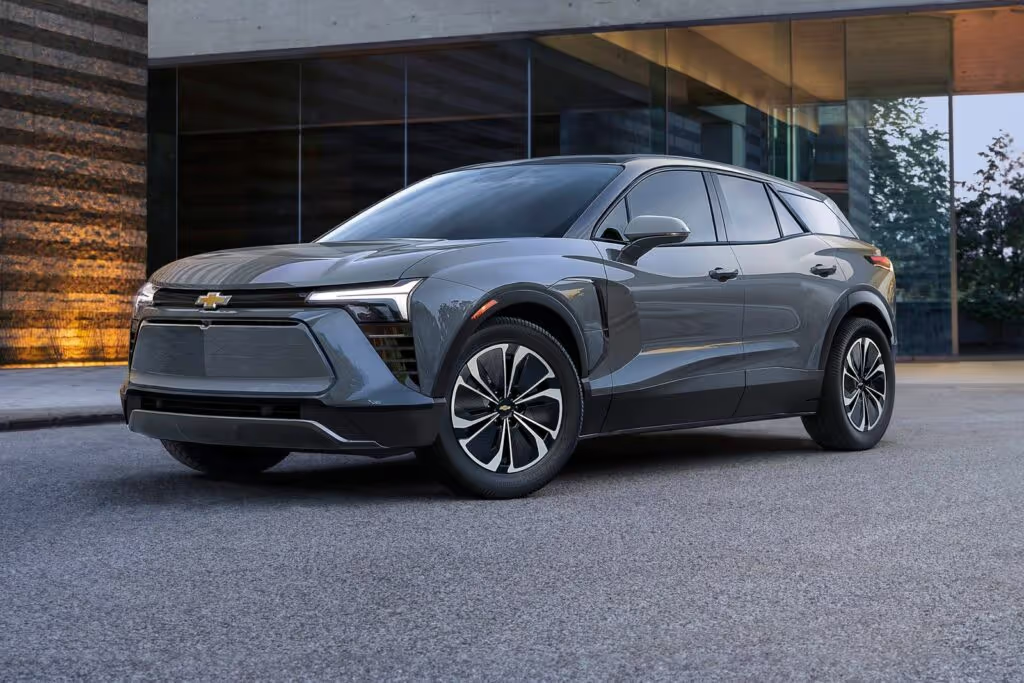
Tesla’s secret weapon in the beginning used to be charging. Until GM joined the NACS (North American Charging Standard) network, this information was very important, but with the recent addition of the Blazer EV to its fast charging network, owners can now enjoy access to thousands of Tesla Superchargers. This narrows the gap quite a bit although Tesla’s more all-inclusive software integration is still able to hold its head just above water.
Technical Specifications Comparison
To help you visualize the data, we have broken down the core metrics of these two heavy hitters.
|
Feature |
2026 Chevy Blazer EV | 2026 Tesla Model Y |
| Max Range (Est.) | 324 Miles |
330 Miles |
|
0-60 mph |
4.0s (SS Trim) | 3.5s (Performance) |
| Drivetrain Options | FWD, RWD, AWD |
AWD (Standard/Performance) |
|
Infotainment |
17.7-inch Touchscreen | 15-inch Touchscreen |
| Apple CarPlay/Auto | No (Native Google Built-in) |
No (Tesla Proprietary) |
|
Starting Price (Est.) |
$49,000 |
$46,000 |
Interior Design and Technology
The interior is where the Blazer EV vs Tesla Model Y comparison becomes a matter of personal taste.
The Tesla Minimalism
Hop in a Model Y, and you are immediately greeted with one 15-inch screen and nothing else. Zero physical buttons for the air vents, no instrument cluster behind the wheel, and all of it vegan “Ultra fabrics” instead of leather. The interface is clean and modern, but it can be annoying to use the screen for every single function while driving.
The Chevy Craftsmanship
The Blazer EV has a cockpit-like feeling. It boasts a giant 17.7-inch diagonal forward-oriented display aside an 11-inch diagonal Driver Information Center. Chevy sticks with actual knobs for volume and climate, unlike Tesla. Most importantly, though, the materials have an (arguably) more “premium” feel to them with some tactility and colorful trim choices that make things inside a little less dreary.
Software Ecosystems
Both vehicles ditch phone mirroring, such as Apple CarPlay. Tesla created its own exceptional software suite that includes Netflix, YouTube, and high-end gaming. Instead, Chevy works with Google Built-in, and this means integrating Google Maps, Google Assistant and the Play Store directly into car. For heavy Google users, the Blazer EV seems like a natural extension of your digital life.
Practicality: Cargo and Space
If you are buying an SUV, you likely need to haul gear. In the Blazer EV vs Tesla Model Y matchup, the “winner” depends on what kind of items you carry.
- Tesla Model Y: It has a “frunk” (front trunk) and a deep sub-trunk in the rear. Because the Model Y has a more bulbous shape, it offers more total cubic feet of storage when you include these hidden compartments.
- Chevy Blazer EV: It lacks a frunk, but the rear cargo area is wider and more rectangular. This makes it easier to slide in large, flat items like furniture or camping gear. The rear legroom in the Blazer is also notably more generous, making it a better choice for families with tall teenagers.
Cost of Ownership and Maintenance
At chevySUV, we often get asked about the long-term costs of the electric SUV comparison.
Maintenance for both vehicles is significantly lower than a gas car. There are no oil changes, spark plugs, or timing belts. However, the Blazer EV benefits from a massive network of established Chevy dealerships. If you need a suspension component or a body panel replaced, finding a local technician is often easier than waiting for a Tesla service center appointment.
Insurance costs also tend to be slightly lower for the Blazer EV. Tesla vehicles are often categorized as “high-tech” equipment, which can lead to higher premiums in certain regions. Based on 2026 data, the “repairability” of the Chevy’s Ultium battery modules also suggests lower long-term insurance risks compared to Tesla’s structural battery pack.
Which Should You Choose?
The Blazer EV vs Model Y debate doesn’t have a single answer, but it has a “right” answer for you.
Choose the Tesla Model Y if:
- You want the most efficient software and charging experience.
- You prefer a minimalist, “tech-first” aesthetic.
- You want the fastest acceleration available in this price bracket.
Choose the Chevy Blazer EV if:
- You want a vehicle that feels like a real SUV with a comfortable, quiet ride.
- You prefer having physical buttons and a dedicated driver display.
- You need more rear-seat legroom and a wider cargo floor.
The electric SUV comparison shows that Chevy has finally brought a fight to Tesla’s doorstep. The Blazer EV isn’t just a “Tesla alternative” it is a compelling, high-quality vehicle that stands on its own merits.
Conclusion
Comparing the Blazer EV vs Tesla Model Y highlights how far the industry has come. While the Model Y is a brilliant piece of technology, the Blazer EV is arguably the better automobile for the average driver. It offers style, comfort, and a familiar interface that makes the transition from gas to electric feel effortless. Whether you value the efficiency of the Blazer EV vs Tesla Model Y or the ruggedness of the Chevy, the 2026 market offers better choices than ever before. Visit chevySUV for more deep dives into the latest electric SUV technology.
Frequently Asked Questions
Which has a better range, the Blazer EV or the Model Y?
In 2026, the range is very close. The Tesla Model Y Long Range offers about 330 miles, while the Blazer EV RWD trim offers an estimated 324 miles. In real-world highway driving, both typically achieve 80-90% of these figures.
Can I charge the Chevy Blazer EV at Tesla Superchargers?
Yes. As of 2026, most Chevy EVs are equipped with or have adapters for the NACS plug, allowing them to use the Tesla Supercharger network across North America.
Does the Blazer EV have a front trunk (frunk)?
No, the Chevy Blazer EV does not have a frunk. The space under the hood is used for the Ultium drive motors and power electronics to maximize cabin space for passengers.
Is the Blazer EV vs Model Y better for families?
The Blazer EV generally offers a more comfortable ride and better rear-seat legroom. However, the Model Y offers an optional (though very small) third row that the Blazer lacks.
Which is cheaper to maintain, the Blazer EV vs Tesla Model Y?
Maintenance costs are nearly identical as both are EVs. However, the Blazer EV may be cheaper to insure and easier to service due to the extensive Chevrolet dealer network.