Best hybrid cars 2026 offer an excellent balance of fuel efficiency, everyday comfort, modern technology and practical ownership costs. Whether you need an economical commuter, a comfortable family sedan or a spacious SUV, today’s hybrid market offers options for different driving habits and budgets.
The Toyota Prius is a leading choice for drivers who prioritize fuel economy. The Toyota Camry Hybrid offers a comfortable everyday sedan, while the Honda Civic Hybrid appeals to drivers who want compact dimensions and responsive performance. For families who prefer an SUV, the Honda CR-V Hybrid, Toyota RAV4 Hybrid, and Kia Sportage Hybrid are worth considering.
The right vehicle depends on more than advertised mileage. Purchase price, real-world fuel consumption, passenger space, warranty coverage, service availability, and resale value all affect the overall cost of ownership.
Best Hybrid Cars 2026 at a Glance
| Hybrid car | Best for | Main advantage |
| Toyota Prius | Fuel economy | Efficient powertrain and hatchback practicality |
| Toyota Camry Hybrid | Everyday family driving | Comfort, space, and efficiency |
| Honda Civic Hybrid | Compact-car buyers | Responsive driving and practical interior |
| Honda Accord Hybrid | Midsize sedan comfort | Spacious cabin and refined ride |
| Hyundai Elantra Hybrid | Value-conscious commuters | Efficiency in a compact sedan |
| Hyundai Sonata Hybrid | Comfortable daily driving | Roomy interior and modern features |
| Kia Sportage Hybrid | Compact SUV buyers | Family-friendly design and cargo space |
| Honda CR-V Hybrid | Family versatility | Flexible interior and comfortable ride |
| Toyota RAV4 Hybrid | Everyday SUV practicality | Versatility and available all-wheel drive |
| Toyota Corolla Cross Hybrid | Smaller SUV needs | Compact dimensions and useful cargo access |
These recommendations primarily reflect the US-market model range. Specifications, prices, trims, and availability may differ in other countries.
1. Toyota Prius: Best for Fuel Economy
The Toyota Prius has built its reputation around efficient gasoline-electric driving. Its hybrid system combines a gasoline engine with an electric motor, helping reduce fuel consumption during everyday journeys. The Prius also offers a practical hatchback design, making it useful for commuting, errands, and carrying luggage. Its modern styling gives it a distinctive appearance compared with traditional compact sedans.
Why consider it:
- Excellent fuel economy compared with many conventional gasoline cars.
- Hatchback design with flexible cargo space.
- No need to plug in a standard hybrid version.
- A good option for drivers who cover substantial distances.
What to consider: Its sloping roofline may limit rear-seat headroom for taller passengers. Some buyers may also prefer a more traditional exterior design.

Verdict: The Prius is one of the strongest choices for drivers who want to reduce gasoline consumption without switching to a fully electric vehicle.
2. Toyota Camry Hybrid: Best Overall Family Sedan
The Toyota Camry Hybrid combines midsize-sedan comfort with the efficiency benefits of a hybrid powertrain. In the US, the 2026 Camry lineup is hybrid-only, making electrified power standard across the range. Its roomy cabin makes it suitable for families, commuters, and people who regularly travel on highways. The Camry also provides comfortable seating and a driving experience designed for everyday use.
Why consider it:
- Comfortable for daily commuting and longer journeys.
- Efficient gasoline-electric powertrain.
- Useful rear-seat and trunk space.
- All-wheel drive available on selected configurations.
What to consider: The Camry may cost more than some compact sedans, and certain technology or comfort features may be limited to higher trims.
Verdict: The Camry Hybrid is a strong all-round choice for buyers who want a comfortable and efficient family sedan.
3. Honda Civic Hybrid: Best Compact Hybrid Car
The Honda Civic Hybrid offers compact dimensions, responsive performance, and a well-designed interior. It suits drivers who want a fuel-efficient car that remains enjoyable to drive in urban traffic and on winding roads. The Civic is available in different body styles across its broader lineup, but hybrid availability depends on the market and trim.
Why consider it:
- Easy to maneuver and park in urban areas.
- Responsive driving experience.
- Practical passenger space for a compact car.
- A useful balance between efficiency and performance.
What to consider: Compare the hybrid version’s purchase price with other Civic trims and competing hybrid sedans. Equipment and availability can vary.
Verdict: The Civic Hybrid is a compelling option for drivers who want compact practicality without giving up driving enjoyment.
4. Honda Accord Hybrid: Best for Comfort and Space
The Honda Accord Hybrid is designed for drivers who want a larger sedan with a comfortable cabin and improved fuel efficiency. Its spacious interior makes it suitable for families and frequent highway travelers. The Accord also offers a composed ride and straightforward controls, which can make long journeys less tiring.
Why consider it:
- Generous interior space.
- Comfortable ride for longer trips.
- Strong fuel economy for a midsize sedan.
- Practical combination of refinement and everyday usability.
What to consider: The Accord generally costs more than smaller hybrid cars. Compare trim levels carefully to see which features are included.
Verdict: Choose the Accord Hybrid if passenger comfort and interior space are priorities.
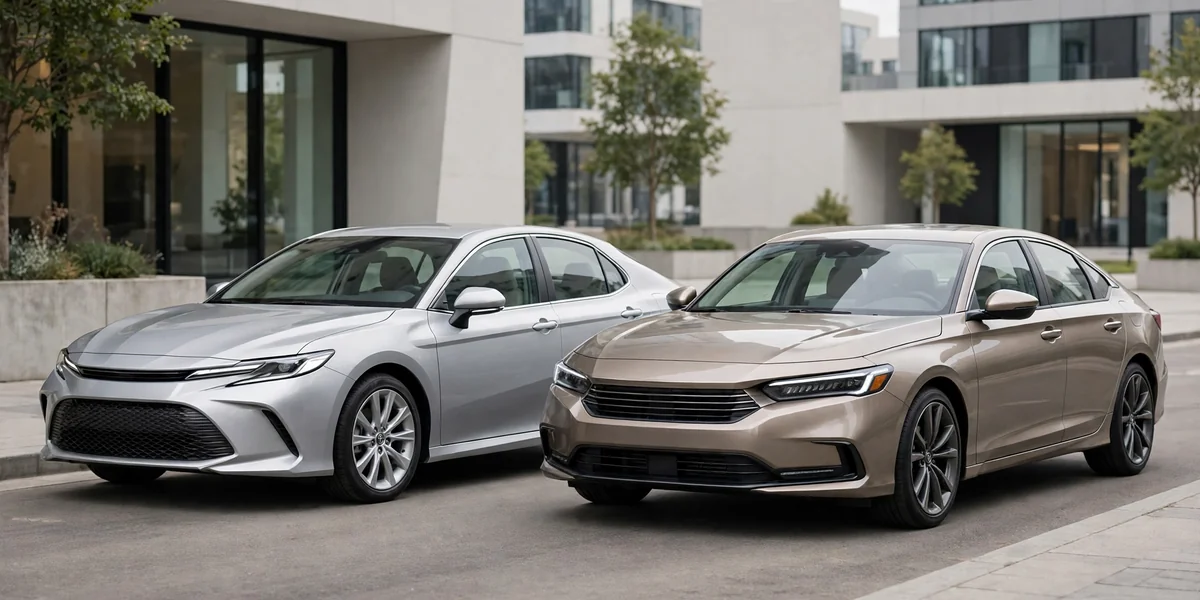
5. Hyundai Elantra Hybrid: Best Value-Oriented Hybrid Sedan
The Hyundai Elantra Hybrid is worth considering for buyers seeking an economical daily driver. Its compact sedan design, modern interior, and efficient powertrain make it suitable for commuting and regular city driving.
It offers an alternative to more expensive midsize hybrid sedans while retaining useful passenger space and technology features.
Why consider it:
- Strong fuel efficiency for everyday driving.
- Competitive positioning in the compact hybrid segment.
- Modern cabin design.
- Manageable dimensions for parking and city use.
What to consider: Check rear-seat comfort, road noise, warranty terms, and the availability of qualified service technicians in your area.
Verdict: The Elantra Hybrid is a practical candidate for commuters who want to control fuel costs without buying a larger vehicle.
6. Hyundai Sonata Hybrid: Best for Everyday Comfort
The Hyundai Sonata Hybrid combines midsize-sedan space with an emphasis on comfort, equipment, and efficient driving. Its cabin provides room for passengers, while the hybrid system can reduce gasoline consumption compared with many conventional midsize sedans.
Why consider it:
- Comfortable passenger accommodation.
- Modern infotainment and available driver-assistance technology.
- Suitable for commuting and family use.
- Distinctive exterior styling.
What to consider: Compare the Sonata with the Toyota Camry Hybrid and Honda Accord Hybrid for driving feel, local service support, warranty coverage, and resale value.
Verdict: The Sonata Hybrid is worth considering if you want a comfortable, feature-rich sedan with a fuel-efficient powertrain.
7. Kia Sportage Hybrid: Best Compact Hybrid SUV
The Kia Sportage Hybrid is a strong contender for drivers who want SUV practicality without moving to a larger vehicle. Its elevated seating position, flexible cargo area, and family-friendly interior make it suitable for shopping, commuting, and weekend travel.
Why consider it:
- Useful passenger and cargo space.
- Modern interior and available technology features.
- Better fuel efficiency than many comparable nonhybrid SUVs.
- Practical balance between size and versatility.
What to consider: Fuel economy varies by configuration and driving conditions. Compare available drivetrains and trim levels before deciding.
Verdict: The Sportage Hybrid is a good option for buyers who want a practical family SUV with modern features.
8. Honda CR-V Hybrid: Best Family Hybrid SUV
The Honda CR-V Hybrid combines a comfortable ride with a versatile interior and useful cargo space.
It is suited to families who need room for passengers, groceries, luggage, and everyday equipment. The hybrid powertrain adds fuel efficiency while retaining the familiar practicality of a compact SUV.
Why consider it:
- Comfortable driving experience.
- Useful cargo capacity and rear-seat space.
- Efficient performance for a family vehicle.
- All-wheel drive available on selected versions.
What to consider: The CR-V Hybrid can cost more than smaller hybrid sedans. Drivetrain, wheel size, and trim may also affect fuel economy and purchase price.
Verdict: The CR-V Hybrid is a sensible choice for families who prioritize comfort and versatility.
9. Toyota RAV4 Hybrid: Best for Versatile SUV Driving
The Toyota RAV4 Hybrid is designed for drivers who want a practical SUV with improved fuel efficiency. Its body style provides useful cargo access, a higher seating position, and flexibility for everyday family duties.
The 2026 RAV4 lineup has been redesigned, so buyers should check the specifications and equipment of the exact version they intend to purchase.
Why consider it:
- Practical body style for families and active lifestyles.
- Hybrid efficiency without routine external charging.
- All-wheel-drive configurations available.
- Useful versatility for commuting and weekend trips.
What to consider: Compare pricing, equipment, drivetrain, and cargo capacity across trims. A hybrid SUV may have a higher upfront price than a comparable gasoline vehicle.
Verdict: The RAV4 Hybrid is worth considering if you want one vehicle for commuting, family travel, and occasional outdoor activities.

10. Toyota Corolla Cross Hybrid: Best Smaller Hybrid SUV
The Toyota Corolla Cross Hybrid offers an SUV-style driving position in a relatively compact package. It suits drivers who want more flexibility than a traditional sedan without moving to a larger crossover.
Its compact dimensions can help in crowded cities, while the hybrid powertrain can improve fuel economy compared with many conventional SUVs.
Why consider it:
- Compact dimensions for urban driving.
- Convenient cargo access.
- Hybrid efficiency and everyday practicality.
- All-wheel drive available on selected configurations.
What to consider: Its smaller interior and cargo area may not suit families who regularly carry several adults or large amounts of luggage.
Verdict: The Corolla Cross Hybrid is a practical option for drivers who want SUV flexibility in a smaller vehicle.
Which Hybrid Cars Get the Best Gas Mileage in 2026?

The exact ranking depends on trim level, drivetrain, wheel size, and official testing results. Among mainstream hybrid cars, the Toyota Prius and Hyundai Elantra Hybrid are notable options for drivers prioritizing fuel economy.
Some configurations of the Toyota Prius have been rated at up to approximately 57 miles per gallon combined in US testing. Actual results vary by version and driving conditions, so buyers should verify the official rating for the specific model they are considering.
SUV buyers face a different balance. The Kia Niro Hybrid is another efficiency-focused option, while vehicles such as the Toyota RAV4 Hybrid and Honda CR-V Hybrid combine fuel savings with additional passenger and cargo space.
Real-world fuel economy can be affected by:
- Stop-and-go traffic and average speed.
- Temperature and air-conditioning use.
- Tire pressure and maintenance.
- Passenger and cargo weight.
- Driving style and route conditions.
For a fair comparison, use official fuel-economy ratings for matching trims and drivetrains, then consider independent real-world testing where available.
Hybrid vs. Plug-In Hybrid vs. Electric Car
These vehicle types use electricity differently.
Traditional hybrid (HEV): Combines a gasoline engine with an electric motor and battery. The battery is generally charged through regenerative braking and the engine, so external charging is unnecessary.
Plug-in hybrid (PHEV): Uses a larger battery that can be charged externally. It can cover some trips using electricity alone before relying more heavily on its gasoline engine.
Battery-electric vehicle (EV): Runs entirely on electricity and needs charging rather than gasoline refueling.
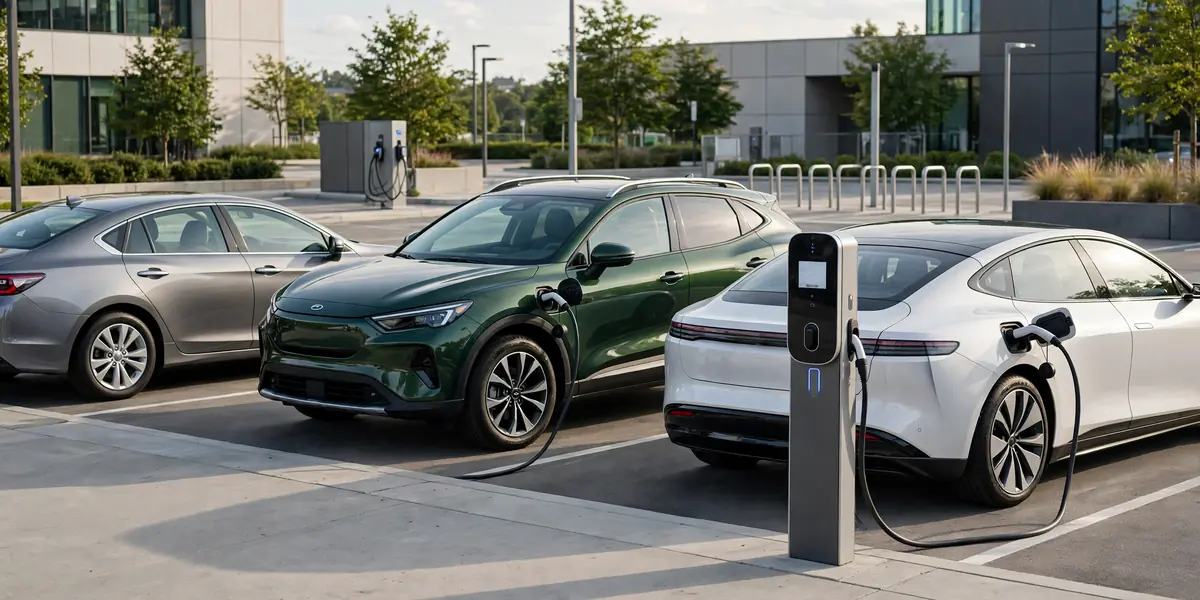
A traditional hybrid is convenient if you want better fuel economy without changing your refueling routine. A plug-in hybrid may suit you if charging is available and most of your daily trips fit within its electric range. An EV can be a good option if you have convenient charging access and its range meets your needs.
Are Hybrid Cars Worth Buying in 2026?
A hybrid can be worthwhile if you drive regularly, spend time in urban traffic, and plan to keep the vehicle long enough to benefit from fuel savings. However, lower fuel consumption does not automatically mean lower overall costs. Purchase price, insurance, servicing, resale value, fuel prices, and annual mileage all matter.
Before buying, compare a hybrid with its closest gasoline-powered alternative. Estimate annual fuel spending, account for the difference in purchase price, and check the warranty coverage for the battery and other hybrid components.
If you drive only occasionally, the extra upfront cost may take longer to recover. If you cover substantial distances every year, fuel savings may be more significant.
What to Check Before Buying a 2026 Hybrid Car
Use this checklist to compare your shortlisted models:
- Fuel economy: Compare official ratings for the exact trim and drivetrain.
- Purchase price: Include applicable taxes, delivery charges, and optional equipment.
- Driving comfort: Test the seats, visibility, ride quality, and cabin noise.
- Passenger and cargo space: Make sure the vehicle suits your everyday needs.
- Warranty: Read the terms for the hybrid battery, powertrain, and related components.
- Service access: Confirm that qualified technicians and replacement parts are available locally.
- Safety equipment: Check which driver-assistance features are standard and which cost extra.
- Resale value: Research comparable used vehicles in your local market.
- Local availability: Verify that the model and trim are actually sold and supported in your country.

For international buyers, US-market specifications may differ from vehicles sold locally. Import duties, taxes, fuel quality, parts availability, and servicing can significantly affect the cost of ownership.
Frequently Asked Questions
What is the best hybrid car in 2026?
The Toyota Prius is a strong choice for fuel economy, the Toyota Camry Hybrid is an excellent all-round family sedan, and the Honda Civic Hybrid offers a useful balance of efficiency and driving enjoyment. The best option depends on your budget and needs.
Which 2026 hybrid car gets the best mileage?
The Toyota Prius and Hyundai Elantra Hybrid are notable efficiency-focused choices. Exact fuel economy depends on the trim, drivetrain, and testing method.
Are hybrid cars better than gasoline cars?
Hybrids can use less fuel, especially in city driving, but may cost more upfront. The better choice depends on annual mileage, fuel prices, maintenance costs, and how long you plan to keep the car.
Do hybrid cars need to be plugged in?
Traditional hybrids do not require external charging. Plug-in hybrids can be charged from an external power source, while fully electric vehicles require charging rather than gasoline.
Are hybrid cars reliable?
Reliability varies by model, model year, maintenance, and use. Check vehicle-specific reliability information, recalls, warranty terms, and service records before making a decision.
Are hybrid SUVs worth buying?
Hybrid SUVs can suit families who want more space and a higher seating position while reducing fuel consumption compared with many conventional SUVs. Compare purchase prices and real-world mileage before deciding.
Are 2026 hybrid cars available in Pakistan?
Availability varies by manufacturer, importer, and model. Some hybrids are available locally, while others may need to be imported. Before purchasing, verify registration eligibility, import duties, parts availability, warranty coverage, and access to qualified hybrid technicians.
Final Verdict
The best hybrid cars of 2026 offer different combinations of fuel economy, family comfort, compact practicality, and SUV versatility.
The Toyota Prius stands out for efficiency, the Toyota Camry Hybrid is a strong everyday sedan, and the Honda Civic Hybrid suits drivers who want a compact car that remains enjoyable to drive. For SUV buyers, the Kia Sportage Hybrid, Honda CR-V Hybrid, Toyota RAV4 Hybrid, and Toyota Corolla Cross Hybrid deserve consideration.
Do not choose based on fuel-economy figures alone. Compare purchase prices, local availability, safety equipment, warranty coverage, real-world fuel consumption, and long-term servicing costs. The right hybrid is the one that fits your driving habits and delivers value throughout the time you own it.
Disclaimer
This article is for general informational purposes only and is not financial, mechanical, or purchasing advice. Model specifications, fuel-economy figures, prices, warranties, and availability vary by trim, market, and testing conditions. Verify details with the manufacturer or an authorized local dealer before making a purchase.