A strange engine noise, a flashing warning light, or a car that suddenly runs rough can make you wonder how serious the problem really is.
Car engine repair can mean something as simple as replacing a sensor or as serious as rebuilding or replacing the engine. The right answer depends on the symptoms, diagnosis, damage, vehicle condition, and repair cost.
Here are the most common engine problems, what they may mean, what repairs can solve them, and when continuing to drive could make things worse.
Car Engine Repair: Quick Answer
Car engine repair fixes problems that affect how your engine starts, runs, cools, lubricates, or produces power. Common issues include overheating, oil leaks, misfires, knocking, timing problems, head-gasket failure, and excessive oil consumption.
A proper diagnosis should come before major repairs. Depending on the damage, the solution may be a small component repair, major repair, engine rebuild, remanufactured engine, or replacement.
Key Takeaways
- Engine problems range from small sensor failures to major internal damage.
- A check engine light does not automatically mean the engine itself has failed.
- Repair costs can range from hundreds to several thousand dollars.
- Get more than one estimate before approving major engine work.
- Severe overheating, low oil pressure, heavy smoke, or serious knocking need prompt attention.
- Regular oil and coolant maintenance can help prevent expensive engine damage.
What Are the Most Common Car Engine Problems?
Common car engine problems include overheating, oil leaks, coolant leaks, engine misfires, rough idling, knocking noises, excessive oil consumption, timing belt or chain problems, head-gasket failure, starting problems, and loss of power. The correct repair depends on the underlying cause, so diagnosis should come before replacing major parts.
15+ Common Car Engine Problems and Their Solutions
1. Engine Overheating
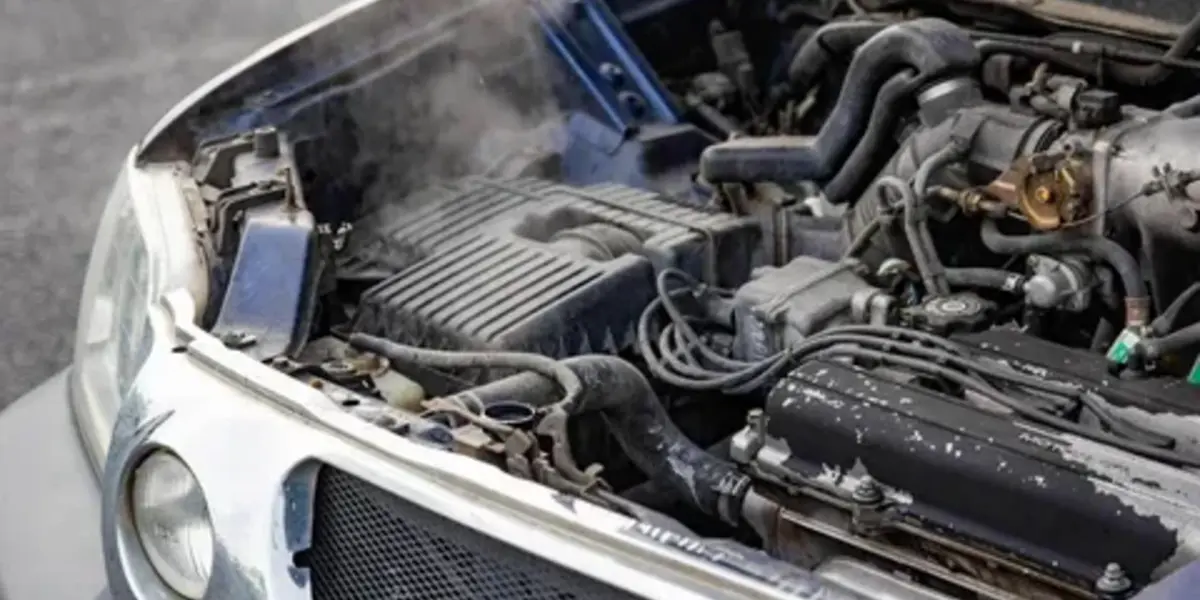
An overheating engine can point to a cooling-system problem. A failing water pump, thermostat, coolant leak, or another cooling issue can prevent the engine from staying at the proper temperature.
The solution depends on the failed component. Ignoring serious overheating can turn a smaller repair into major engine damage.
2. Low Oil Pressure
Engines need proper oil circulation for lubrication. Low oil pressure can indicate an oil-related problem or trouble with components such as the oil pump.
Don’t treat low oil pressure as a minor warning. A mechanic should determine the cause before continued driving creates more damage.
3. Oil Leaks
Oil leaks can come from seals, gaskets, or other engine components. A small leak may be relatively simple to repair, while continued oil loss can create more serious problems.
The first step is finding where the oil is coming from rather than simply adding more oil and ignoring the leak.
4. Coolant Leaks
A coolant leak can cause the engine to lose its ability to control temperature. If coolant keeps disappearing, the source needs to be identified.
A leak may involve a hose, gasket, water pump, or another cooling-system component.
5. Engine Misfire
A misfire means the engine is not producing power normally from one or more cylinders.
Spark plugs, ignition components, fuel delivery, and other engine-management issues can be involved. Diagnosis is necessary before replacing parts.
6. Rough Idling
If your engine shakes, runs unevenly, or feels unstable while idling, several causes are possible.
A rough idle can be related to ignition, fuel, airflow, or engine-management problems. The symptom alone does not identify the failed component.
7. Engine Knocking
Knocking deserves attention because the cause can range from a relatively simple oil-related problem to serious internal engine damage.
Possible causes include low oil, worn lifters, timing-chain slack, rod-bearing failure, or piston slap. The research data places possible repairs anywhere from adding oil to a major rebuild.
8. Excessive Exhaust Smoke
Unusual exhaust smoke can signal an engine problem, especially when it appears together with oil consumption, overheating, or coolant loss.
The color and circumstances matter, so a mechanic should diagnose the underlying cause instead of assuming the engine needs replacement.
9. Loss of Engine Power
A noticeable loss of power can result from many problems, including ignition, fuel, timing, or internal engine issues.
Because several systems can produce similar symptoms, proper diagnosis matters before expensive repairs are approved.
10. Poor Fuel Economy
A sudden drop in fuel economy can indicate that the engine is no longer operating efficiently.
Fuel, ignition, sensors, airflow, and other systems can contribute. The problem should be diagnosed instead of assuming that the engine itself is worn out.
11. Engine Stalling
Stalling can become a safety concern if it happens while you’re driving.
The cause can involve fuel delivery, ignition, engine management, or other systems. Find the cause promptly rather than repeatedly restarting the vehicle and continuing as normal.
12. Difficulty Starting
A car that struggles to start may have an engine-related problem, but the engine is not automatically the culprit.
Fuel, ignition, electrical, and engine-management systems can all affect starting. Diagnosis helps separate a simple fault from serious engine damage.
13. Timing Belt or Chain Problems
The timing system keeps the camshaft and crankshaft synchronized.
A damaged or failing timing component can cause poor running or more serious engine problems. Repairs depend on what has failed and whether internal damage has already occurred.
14. Head Gasket Failure
A failed head gasket can cause overheating, coolant loss without an obvious external leak, white exhaust smoke, milky oil, or bubbles in the radiator.
This is usually a major repair because the gasket seals the engine block and cylinder head.
15. Spark Plug or Ignition Problems
Spark plugs and ignition coils are responsible for igniting the air-fuel mixture in gasoline engines.
When these components fail, you may notice misfires, rough running, or reduced performance. Replacing the failed component can be much simpler than repairing internal engine damage.
16. Fuel Injector Problems
Fuel injectors deliver precise amounts of fuel to the engine.
A faulty injector can contribute to poor performance, rough running, or reduced fuel efficiency. The injector and related fuel system should be tested before replacement.
17. Excessive Oil Consumption
If your engine is using more oil than expected, the cause needs investigation.
Oil consumption can be associated with worn internal components or other engine problems. Adding oil may keep the level safe temporarily, but it does not fix the underlying cause.
What Does the Check Engine Light Mean?
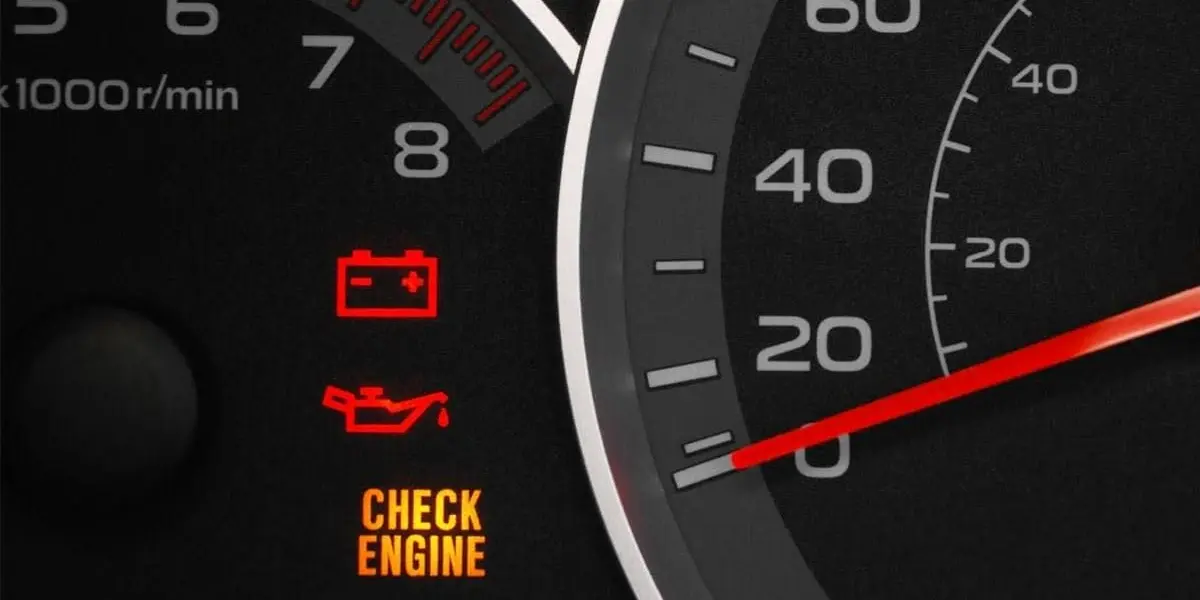
A check engine light means the vehicle’s computer has detected a problem that needs investigation. It does not automatically mean the engine itself is damaged.
A diagnostic scan can retrieve trouble codes, but the code alone does not always prove which component has failed.
Solid vs. Flashing Check Engine Light
A solid light can result from problems ranging from relatively minor faults to issues that require attention.
A flashing light should be treated more seriously. The supplied research recommends diagnosing the problem promptly rather than continuing to drive without knowing the cause.
How Mechanics Diagnose Engine Problems
Good engine repair starts with diagnosis, not guessing.
A mechanic may begin by listening to the symptoms and inspecting the engine for visible problems, leaks, and fluid issues.
Next, diagnostic equipment can check the vehicle’s engine-management system for stored trouble codes.
If needed, mechanical testing can help determine whether the problem involves compression, internal components, oil pressure, or another system.
The basic process is simple: identify the symptom, inspect the vehicle, test the suspected system, confirm the cause, and then choose the repair.
How Much Does Car Engine Repair Cost?
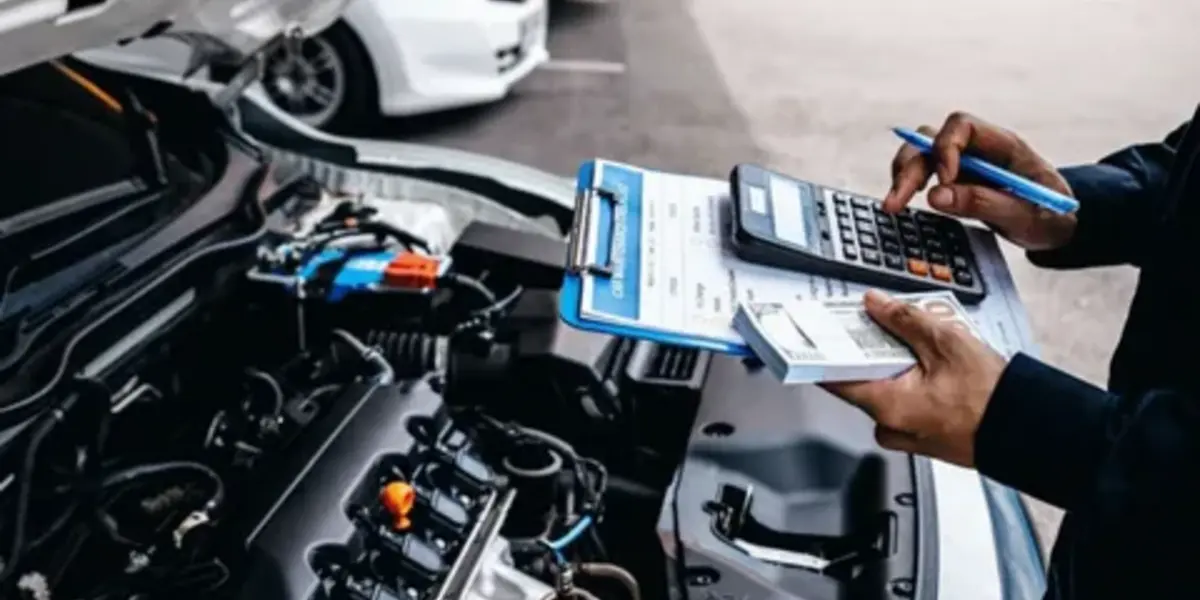
There is no single car engine repair cost that applies to every vehicle. Your final price depends on the problem, vehicle, parts, labor, damage, and repair shop.
The supplied 2026 research gives these broad ranges:
| Repair option | 2026 cost range | Best suited for |
| Minor repair | $150–$600 | Sensors, gaskets, isolated issues |
| Major repair | $1,500–$4,000 | Head gasket or timing work |
| Engine rebuild | $3,000–$6,000 | Significant internal repair |
| Remanufactured engine | $3,500–$7,000 | Owners needing a replacement |
| Used engine swap | $2,500–$5,000 | Budget-focused repairs |
| Full engine replacement | $3,000–$12,000+ | Severe engine failure |
These figures are estimates, not guaranteed prices. The research specifically says prices vary by region, vehicle, and shop.
Labor can also have a major effect. Owl-Let’s January 2026 analysis reported technician rates of about $150–$225 per hour in many metropolitan areas, while major engine work can require 15–30 hours.
For expensive repairs, get two or three estimates before making the decision.
Repair, Rebuild, Replace, or Sell?
A damaged engine does not always need to be replaced.
| Option | When it may make sense | Main concern |
| Repair | A specific component has failed | Another problem may remain |
| Rebuild | Significant internal damage can be repaired | Quality depends on the shop |
| Remanufactured engine | You want a replacement with warranty coverage | Still expensive |
| Used engine | You need a lower-cost replacement | History may be unknown |
| Sell as-is | Repair cost is too high for the vehicle’s value | You may receive a lower offer |
The supplied research reports that a remanufactured engine can cost around $3,500–$7,000, while a used engine swap may run about $2,500–$5,000.
A useful rule from the research is to compare the repair bill with the vehicle’s value. If repairs approach or exceed a large share of the car’s value, selling or replacing the vehicle may deserve consideration.
When Should You Stop Driving?
Some engine symptoms are not worth gambling with.
Problems That Need Immediate Attention
Stop and seek professional help when you experience serious overheating, very low oil pressure, loud engine knocking, heavy smoke, or major loss of power.
A flashing check engine light also deserves prompt diagnosis.
Continuing to drive while an engine is overheating or losing lubrication can turn a repairable problem into severe internal damage.
When a Professional Inspection Is Needed
If the car runs rough, stalls, consumes excessive oil, repeatedly shows a warning light, or develops unusual noises, arrange an inspection.
The goal is not to assume the worst. It is to find the real cause before a small problem becomes a large repair.
How to Prevent Expensive Engine Repairs
Engine maintenance is usually much cheaper than major engine work.
Follow the maintenance schedule in your owner’s manual and keep up with oil changes. The supplied research also highlights coolant checks and timely attention to warning lights.
GR Direct Motors cites a simple comparison: a roughly $50 oil change can help prevent a $3,000+ engine rebuild.
Maintenance also matters for engine life. The supplied research reports that well-maintained engines can reach 200,000+ miles, although actual lifespan depends on the vehicle and how it is maintained.
How to Choose an Engine Repair Shop
Don’t approve major engine work based only on a verbal diagnosis.
Ask what failed, what test confirmed it, which parts need replacement, how much labor is involved, and what warranty comes with the repair.
Ask for an Itemized Estimate
A useful estimate should separate parts and labor and clearly explain the proposed repair.
For major work, compare two or three estimates. A cheaper quote is not automatically better if it uses different parts, excludes important work, or offers weaker warranty protection.
Ask Whether Repair Is Better Than Replacement
If the engine needs major work, ask whether rebuilding, using a remanufactured engine, or installing a used engine would make more financial sense.
You are not just comparing repair prices. You are comparing cost, reliability, warranty, vehicle value, and expected remaining life.
Practical Application: What to Do When Your Engine Starts Acting Up
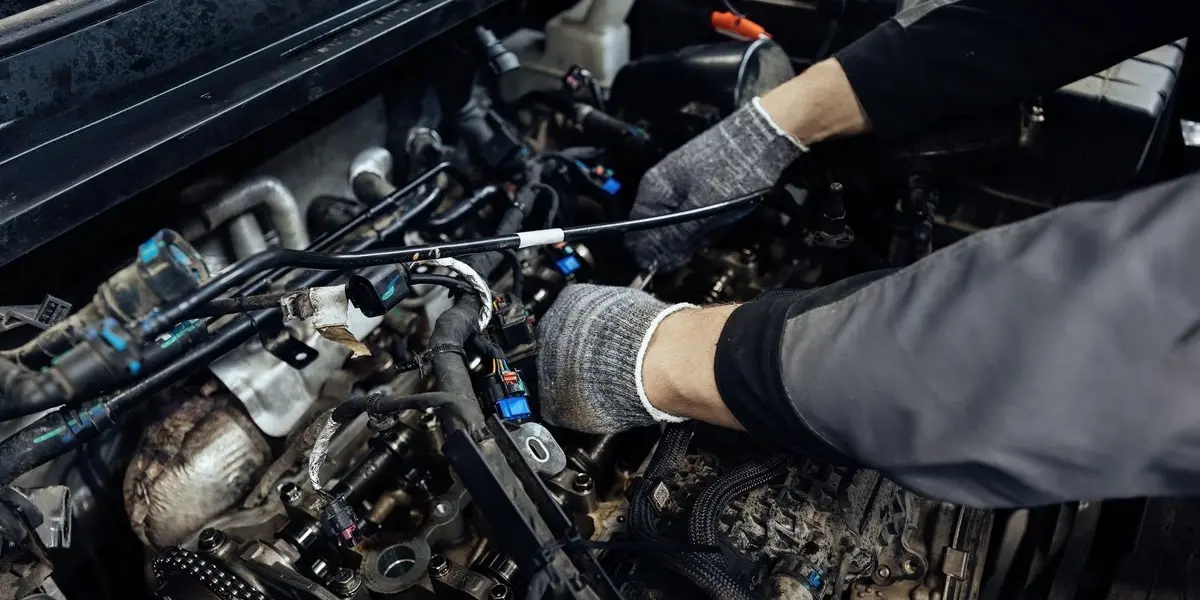
If your car suddenly develops an engine problem, don’t immediately assume you need a new engine.
- Note the symptoms.
Write down whether the engine is overheating, knocking, stalling, smoking, losing power, or using oil. - Check the warning lights.
Pay particular attention to whether the check engine light is solid or flashing. - Don’t ignore serious symptoms.
Severe overheating, low oil pressure, heavy smoke, and serious knocking need prompt attention. - Get the problem diagnosed.
A diagnostic code is useful, but the underlying cause still needs confirmation. - Request an itemized estimate.
Know what failed, which parts are needed, how much labor is involved, and what the warranty covers. - Compare major repair options.
For expensive work, compare repair, rebuild, remanufactured, used-engine, and replacement options against the vehicle’s value.
This process helps you make a repair decision based on evidence rather than fear.
Common Mistakes to Avoid
Don’t replace expensive parts simply because a diagnostic code points toward a system.
Don’t keep driving an overheating engine or one showing serious oil-pressure problems.
Don’t approve a major repair without understanding what failed and how the mechanic confirmed it.
And don’t judge a repair only by its lowest price. The quality of parts, workmanship, warranty, and engine history can matter just as much.
Final Thoughts
When your engine starts making strange noises or your warning light appears, the worst thing you can do is guess.
Start with the symptom, get the cause confirmed, and then compare the repair with the value and condition of your vehicle. A small repair can be very different from a rebuild or replacement.
Good car engine repair is not simply about replacing broken parts. It is about finding the real problem and choosing a repair that makes financial and practical sense.
A little attention early can sometimes save you from a much bigger engine bill later.
Frequently Asked Questions
What are the most common car engine problems?
Common problems include engine misfires, overheating, oil leaks, knocking noises, excessive oil consumption, timing belt or chain failures, and head gasket problems.
Other symptoms include rough idling, stalling, starting difficulties, smoke, and loss of power. The correct solution depends on the confirmed cause.
How much does it cost to repair a car engine in 2026?
The supplied 2026 research estimates minor repairs at about $150–$600, while major repairs can reach $1,500–$4,000.
Engine rebuilds and replacements can cost several thousand dollars more. Actual prices vary by vehicle, region, shop, parts, and damage.
Is it worth fixing an engine or replacing the car?
Compare the repair estimate with the vehicle’s value, mileage, condition, and other problems.
The supplied research suggests that if repairs consume a very large share of the vehicle’s value, selling or replacing it may make more financial sense. Get multiple estimates before deciding.
What causes engine knocking?
Engine knocking can have several causes, including low oil, worn lifters, timing-chain slack, rod-bearing failure, or piston slap.
Some causes are relatively simple while others can require a major rebuild. The sound should therefore be diagnosed before you assume the repair will be minor.
How do I know if my head gasket is blown?
Possible signs include overheating, white exhaust smoke, unexplained coolant loss, milky oil, and bubbles in the radiator.
These symptoms can have other causes, so confirmation by a qualified mechanic is important before approving a major repair.
Can I drive with a check engine light on?
It is not recommended to ignore the light without finding out why it is on.
Some faults may be relatively minor, but others can indicate serious damage. If the light is flashing or the vehicle is running badly, seek diagnosis promptly.
How often should I change my engine oil?
The supplied research gives general ranges of 3,000–5,000 miles for conventional oil and 7,500–10,000 miles for some synthetic oils.
However, the safest approach is to follow the oil-change interval specified in your owner’s manual because requirements vary by vehicle and engine.
What’s the difference between an engine rebuild and a remanufactured engine?
A rebuild involves disassembling your engine and repairing or replacing components in a shop.
A remanufactured engine is a factory-rebuilt replacement designed to meet specified standards and commonly comes with warranty coverage. The right option depends on your budget, vehicle, and repair needs.