You pull into a self wash car wash on a Saturday morning, hoping to save money and finally get rid of the dirt that’s been building up for weeks. Five minutes later, you’re staring at a row of buttons, a pressure wand, and a foam brush, wondering, Which one do I use first? One wrong step could waste your time, or worse, leave scratches on your car’s paint.
You’re not alone. Many first-time users have the same questions:
Is a self wash car wash really cheaper?
Is it safer than an automatic wash?
What should you bring?
And how do you get professional-looking results without making expensive mistakes?
This article gives you clear, practical answers. You’ll learn how a self service car wash works, why more drivers are choosing this DIY car wash method, the biggest benefits and drawbacks, and the simple car wash tips that help protect your vehicle while saving both time and money.
AI Overview
A self wash car wash is a facility where you clean your own vehicle using professional equipment such as pressure washers, foam brushes, soap dispensers, and spot-free rinse systems. You pay only for the time you use, giving you complete control over the washing process. Compared with automatic washes, it’s often more affordable and lets you focus on areas that need extra attention.
Key Takeaways
- A self wash car wash lets you control every step of your vehicle cleaning process.
- Most locations charge by time, making them a budget-friendly alternative to automatic washes.
- A proper wash follows a simple order: pre-rinse, soap, clean, rinse, and dry.
- Bringing your own microfiber towel or wash mitt can reduce the risk of paint scratches.
- Modern self-service bays often include spot-free rinse systems, vacuums, and contactless payment options.
- Using the correct washing technique protects your car’s finish and delivers better results.
What Is a Self Wash Car Wash?
A self wash car wash (also called a self-service or DIY car wash) is a facility where you clean your own vehicle using professional-grade equipment such as pressure washers, foam brushes, soap dispensers, and spot-free rinse systems. You pay only for the time you use, giving you complete control over the washing process.
Unlike washing at home, these facilities provide commercial-grade equipment that removes dirt more effectively and often uses less water. Many modern locations also recycle water and support contactless payments, making them more convenient than ever.
For many drivers, it’s the middle ground between paying for professional detailing and doing everything with a garden hose at home.
How Does a Self-Service Car Wash Work?
Using a self-service bay is straightforward once you know the order.
- Park your car in the center of the wash bay.
- Pay using coins, a card, or a mobile app.
- Pre-rinse the vehicle with high-pressure water.
- Apply soap or pre-soak and let it sit briefly.
- Clean with a rinsed foam brush or your own wash mitt.
- Rinse thoroughly, then finish with a spot-free rinse or wax if available.
- Dry the vehicle using microfiber towels to prevent water spots.
The entire process usually takes 10 to 20 minutes, depending on your vehicle’s condition and how detailed you want the cleaning to be.
What Equipment Will You Find at a Self Wash Station?
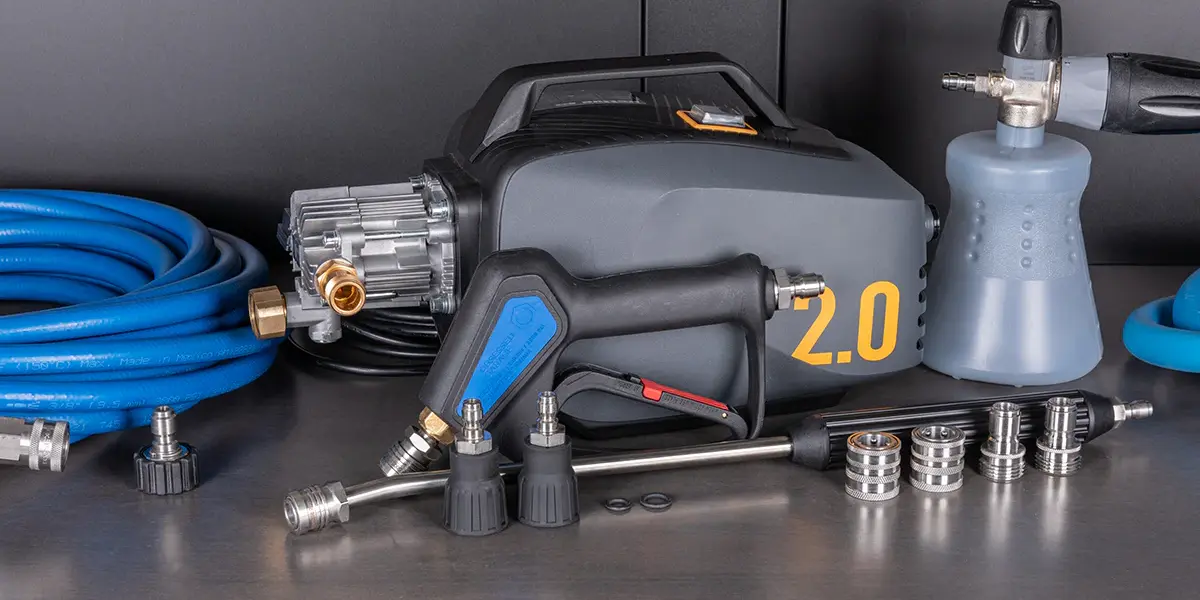
Most self-service bays include:
- High-pressure rinse wand
- Soap or foam spray
- Foam brush
- Tire and wheel cleaner
- Wax or paint protectant option
- Spot-free rinse system
- Vacuum stations at many locations
These tools make it easier to remove mud, road salt, brake dust, and everyday grime without needing expensive equipment at home.
15+ Benefits of Using a Self Wash Car Wash
A self wash car wash isn’t just about saving a few dollars. It gives you more control over how your vehicle is cleaned while helping you avoid some of the drawbacks of automatic tunnel washes. Here are the biggest benefits you should know.
1. Saves You Money
A self-service wash typically costs $5–$18 per wash, while automatic washes usually cost $10–$25 and professional detailing can range from $50–$150+. If you wash your car regularly, the savings add up quickly.
2. Gives You Complete Control
Unlike an automatic wash, you decide how long to rinse, where to scrub, and whether to apply wax or a spot-free rinse. This flexibility helps you clean your car the way you want.
3. Focuses on the Dirtiest Areas
Mud on the wheel arches, bug splatter on the bumper, or brake dust on the wheels often need extra attention. A DIY car wash lets you spend more time on those areas instead of relying on a fixed wash cycle.
4. Better for Paint When Used Correctly
A properly used self service car wash can be gentler on your paint because you control the pressure and cleaning process. Many detailers recommend rinsing the shared foam brush first, or using your own wash mitt, to reduce the risk of swirl marks.
5. Access to Professional Equipment
Most self-service bays provide commercial-grade pressure washers, foam sprayers, wax options, and spot-free rinse systems that many people don’t have at home.
6. Pay Only When You Need It
There’s no monthly subscription or package requirement. You simply pay for the time and services you use, making it a cost-effective option for occasional washes.
7. Often Open 24/7
Many self-service locations operate around the clock, so you can wash your car whenever it fits your schedule instead of waiting for business hours.
8. More Environmentally Friendly
Many (but not all) modern facilities use water reclamation systems that recycle water; self-serve uses less water than home washing, but in-bay automatic with recycling is the most eco-friendly. According to the International Carwash Association
9. No Home Cleanup Required
Instead of dealing with wet driveways, muddy runoff, and storing equipment, you can finish the wash and simply drive away.
10. Great for Heavy Dirt and Mud
High-pressure equipment makes it easier to remove thick mud, road grime, and winter salt that can be difficult to clean with a standard garden hose.
11. Helps Protect Your Car in Winter
A quick rinse removes road salt from the undercarriage and body, reducing the buildup that commonly occurs during winter driving.
12. Spot-Free Finish
Many bays include a deionized water rinse that helps reduce water spots, especially in areas with hard water.
13. Vacuum Stations Are Often Available
Some locations offer free or low-cost vacuum stations, making it easy to clean your vehicle’s interior during the same visit.
14. Improves Your Car Care Skills
Regularly washing your own vehicle teaches proper vehicle cleaning techniques, helping you understand how to care for your paint, wheels, and exterior over time.
15. Convenient for Busy Drivers
You don’t need to prepare equipment at home or wait in long lines. Many self-service bays let you complete a wash in about 10–20 minutes, making them ideal for routine maintenance.
16. Modern Facilities Keep Improving
Recent innovations include contactless payments, app-based loyalty programs, compact self-service bays, and improved water filtration and spot-free rinse systems. . These updates make self wash car washes more convenient and efficient than ever.
Are There Any Downsides?
While the benefits are significant, a self wash car wash isn’t perfect. Shared foam brushes may contain grit, timer-based systems can feel rushed, and some soaps may strip protective wax if used incorrectly. Bringing your own wash mitt and microfiber towels can help minimize these issues.
How to Use a Self Wash Car Wash Step by Step
Walking into a self wash car wash for the first time can feel confusing, especially when you’re racing against the timer. The good news is that once you know the correct order, the process becomes quick, easy, and much more effective.
Step 1: Prepare Your Car Before Washing
Before starting the timer, take a minute to prepare.
- Close all windows and the sunroof.
- Fold in mirrors if needed.
- Remove loose items from the roof or truck bed.
- Check for heavy mud, bird droppings, or tree sap.
If you bring your own wash mitt and microfiber towels, keep them ready so you don’t waste paid washing time.
Step 2: Start With a High-Pressure Pre-Rinse
Always begin with a thorough rinse.
Hold the pressure wand a safe distance from the paint and work from the roof downward. This removes loose dirt, sand, and road grime before any contact cleaning begins, reducing the chance of scratches.
Pro Tip: Don’t forget the wheel wells and undercarriage, especially after driving on muddy roads or during winter.
Step 3: Apply Soap or Pre-Soak
Switch the machine to the soap setting and cover the entire vehicle with an even layer.
Let the soap sit for 30 to 60 seconds so it can loosen stubborn dirt. Avoid letting it dry on the paint, especially on hot days.
Step 4: Clean the Vehicle Carefully
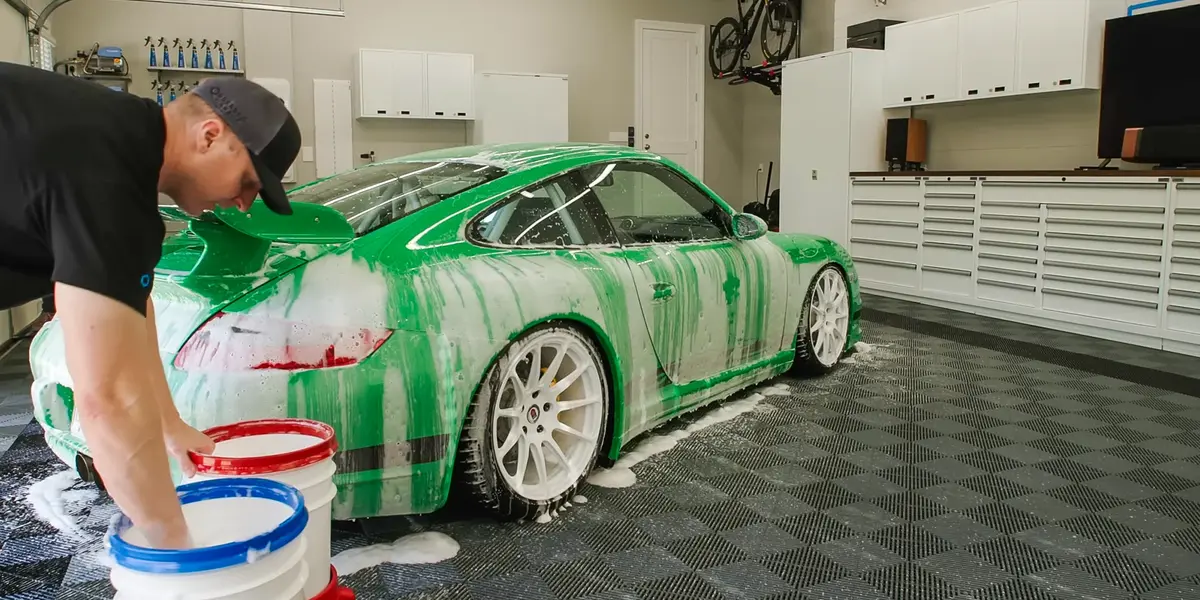
If you use the facility’s foam brush, rinse it thoroughly first to remove any trapped grit from previous users.
For better paint protection, many experienced car owners prefer using their own wash mitt. Start at the roof and work your way down, leaving the dirtiest areas like the wheels for last.
Step 5: Rinse Thoroughly
Switch back to the rinse cycle and wash away all soap.
Pay extra attention to mirrors, door handles, wheel arches, and panel gaps where soap tends to collect. Any leftover residue can leave streaks after drying.
Step 6: Use the Spot-Free Rinse (If Available)
Many modern self service car wash bays offer a spot-free rinse using deionized water.
This final rinse helps reduce mineral deposits and water spots, especially if you live in an area with hard water.
Step 7: Dry Your Vehicle Properly
Drying is one of the most overlooked steps in vehicle cleaning.
Use clean microfiber towels to dry the surface from top to bottom. This prevents water spots and leaves a cleaner finish than air drying alone.
Self Wash Car Wash Tips for Better Results
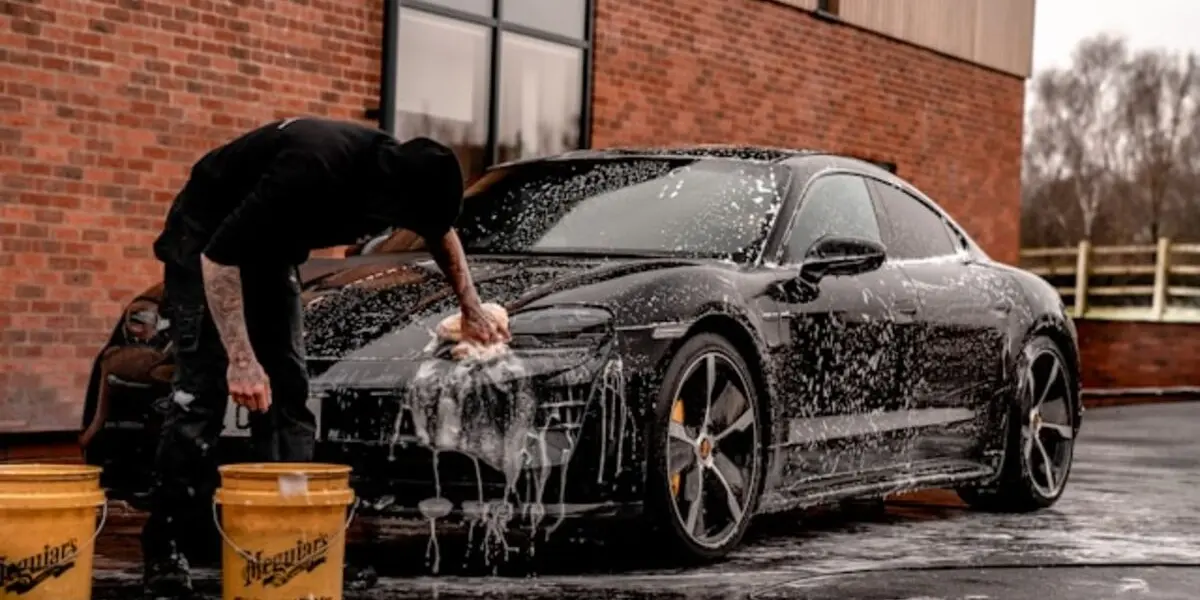
Even good equipment can’t make up for poor technique. These simple car wash tips will help you achieve better results every time.
Bring Your Own Wash Mitt
A personal wash mitt is usually safer than a shared foam brush because it reduces the risk of trapped dirt scratching your paint.
Keep the Pressure Wand at a Safe Distance
Holding the spray too close can damage trim, decals, or sensitive areas. Let the pressure do the work instead of forcing it.
Wash From Top to Bottom
The upper panels are usually cleaner than the lower ones. Cleaning in this order prevents dragging dirt across cleaner surfaces.
Finish Before the Timer Runs Out
Have your towels and supplies ready before paying. A little preparation helps you use every minute efficiently and avoid paying for extra time.
Common Self Wash Car Wash Mistakes to Avoid
Even if you use the best self wash car wash, a few simple mistakes can leave your car looking worse, or even damage the paint. Avoid these common errors to get the best results every time.
Using a Dirty Foam Brush
A shared foam brush may contain sand or grit left behind by the previous user. If you scrub your car without rinsing the brush first, you could create fine scratches or swirl marks.
Better option: Rinse the brush thoroughly or bring your own wash mitt.
Avoid High-Pressure Spray on Damaged Paint
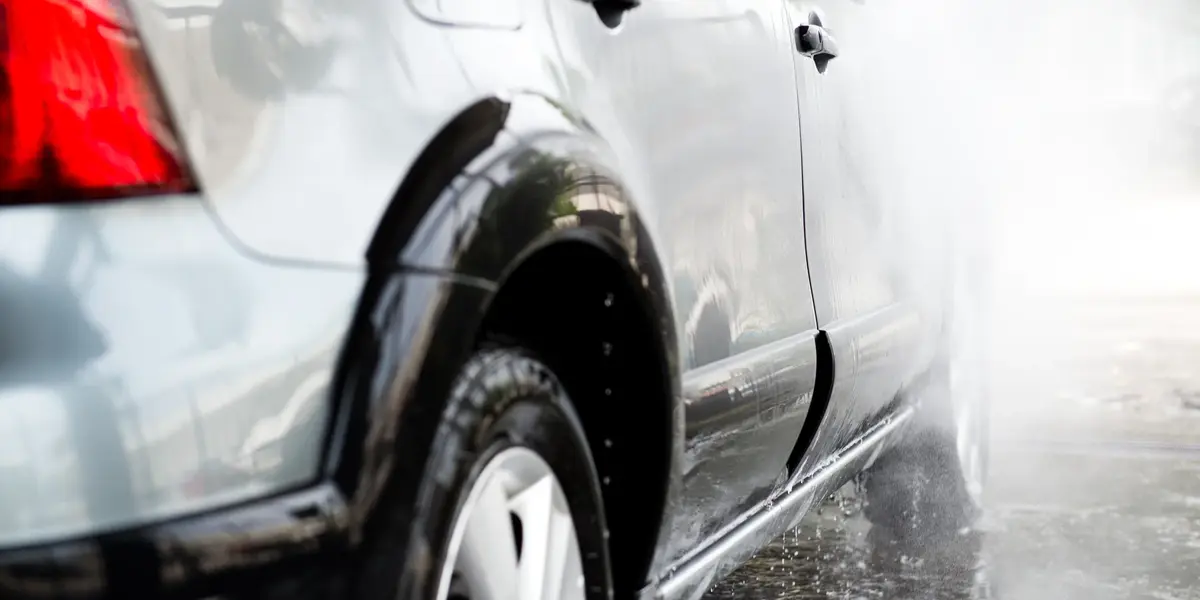
High-pressure water can force itself under rock chips, cracked trim, or loose decals, causing paint to peel or lift. If your car has existing damage, use lower pressure or skip those areas until they’re repaired.dasilvaautobody+2
What to watch for:
- Rock chips on the front bumper, hood, or fenders
- Cracked or peeling clear coat
- Loose trim, emblems, or decals
- Rust spots or bubbling paint
Safe practice:
- Keep the pressure wand at least 12–18 inches away from the surface.
- Use a wider spray pattern (40-degree nozzle) for delicate areas.
- If you see existing damage, rinse gently or avoid direct spray until repairs are made.
Letting Soap Dry
Soap works best when it stays wet.
On warm or sunny days, wash one section at a time and rinse before the soap dries. Dried soap can leave streaks and make your car harder to clean.
Skipping the Drying Step
Many people drive away immediately after rinsing.
Without proper drying, leftover water can leave mineral spots, especially if the bay doesn’t offer a spot-free rinse. A clean microfiber towel gives your car a much better finish.
Wasting Time at the Wash Bay
Most self service car wash locations charge by the minute. Looking for supplies after starting the timer only increases your cost.
Prepare everything before you begin, including towels, wash mitts, and any products you plan to use.
Self Wash Car Wash Cost: Is It Worth It?
For most drivers, yes.
A DIY car wash offers one of the best balances between cost, cleaning quality, and convenience.
| Wash Type | Average Cost | Time Required | Control |
| Self Wash Car Wash | $5–$18 | 10–20 minutes | Full |
| Automatic Car Wash | $10–$25 | 5–10 minutes | Low |
| Hand Wash at Home | $5–$15 (supplies) | 30–60 minutes | Full |
| Professional Detailing | $50–$150+ | 2–4 hours | None |
Cost and time estimates are based on the research provided.
Who Should Choose a Self Wash Car Wash?
A self-service wash is a great option if you:
- Wash your car regularly.
- Want to save money.
- Care about protecting your paint.
- Prefer cleaning your vehicle yourself.
- Need professional equipment without paying detailing prices.
When Another Option May Be Better
Consider professional detailing if:
- Your vehicle needs paint correction.
- The interior requires deep cleaning.
- You want ceramic coating or advanced protection.
- Your car has severe stains or oxidation.
Self Wash Car Wash vs Other Cleaning Methods
Choosing the right washing method depends on your budget, available time, and how much control you want over the cleaning process.
Self Wash Car Wash vs Automatic Car Wash
| Feature | Self Wash Car Wash | Automatic Car Wash |
| Cost | Lower | Higher |
| Paint Safety | Better when used correctly | May increase swirl mark risk |
| Cleaning Control | Full | Limited |
| Time | 10–20 minutes | 5–10 minutes |
| Best For | Drivers who want better care | Drivers who want speed |
If protecting your paint matters most, a self wash car wash usually gives you greater control over the cleaning process. Automatic washes are faster, but they don’t let you focus on heavily soiled areas.
Self Wash Car Wash vs Hand Wash at Home
| Feature | Self Wash | Hand Wash at Home |
| Equipment | Professional-grade | Household tools |
| Water Usage | Often recycled | Usually higher |
| Cleanup | None | You clean afterward |
| Convenience | High | Moderate |
A home wash gives you complete freedom, but a self-service bay offers stronger equipment and eliminates the mess at home.
Self Wash Car Wash vs Professional Detailing
Professional detailing delivers the deepest cleaning and paint restoration, but it’s much more expensive.
For routine vehicle cleaning, a self-service wash is usually enough. Reserve detailing for occasional deep cleaning, paint correction, or long-term protection.
Practical Self Wash Routine for Beginners
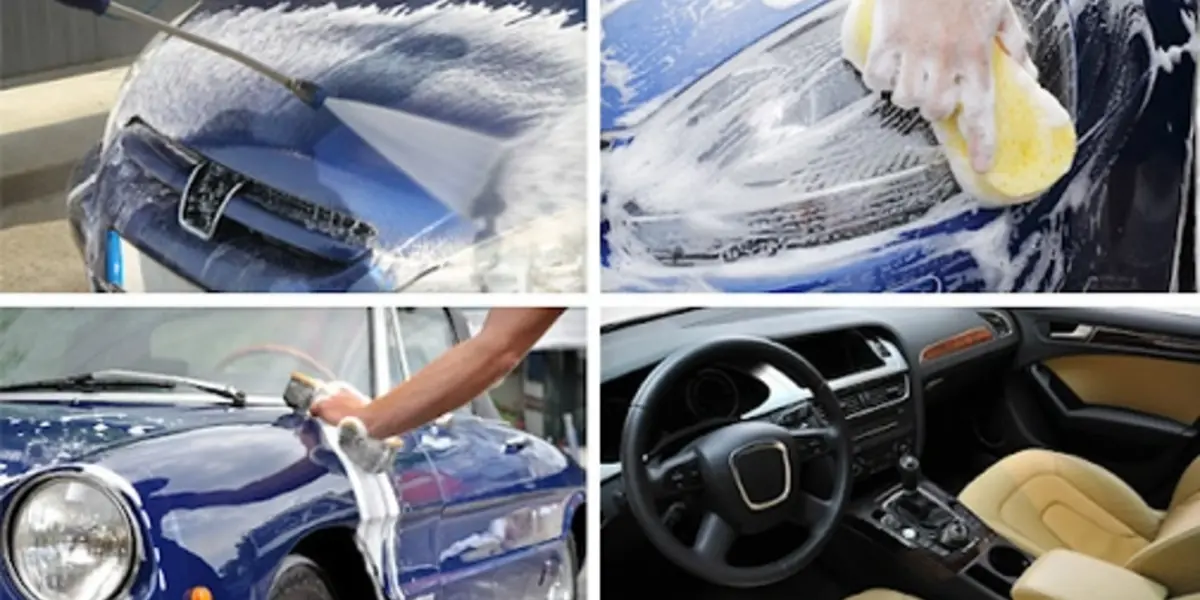
If you’re visiting a self wash bay for the first time, this simple routine will help you finish efficiently without wasting time.
Before You Start
- Bring microfiber towels.
- Pack a clean wash mitt.
- Remove trash from the car.
- Have your payment ready.
At the Wash Bay
- Pre-rinse the vehicle.
- Apply soap evenly.
- Wash from top to bottom.
- Rinse thoroughly.
- Use a spot-free rinse if available.
- Dry with microfiber towels.
Before You Leave
- Check mirrors and door handles for leftover water.
- Wipe away any remaining spots.
- Vacuum the interior if the facility offers one.
A little preparation makes every visit faster, cheaper, and more effective.
Conclusion
Remember the uncertainty you felt before pulling into that self wash car wash for the first time? Once you understand the process, it becomes one of the easiest and most cost-effective ways to keep your vehicle looking its best.
For most drivers, a self wash car wash offers the ideal balance of affordability, control, and cleaning quality. You choose how your car is washed, spend extra time where it’s needed, and avoid paying for services you don’t use.
The key is simple: arrive prepared, follow the correct washing order, avoid common mistakes, and finish with proper drying. Those small habits make a noticeable difference in your results.
A clean car isn’t just about appearance. It’s also about protecting your vehicle, preserving its value, and making every drive feel a little better.
Frequently Asked Questions
What is a self wash car wash?
A self wash car wash is a facility where you clean your own vehicle using professional equipment such as pressure washers, foam brushes, soap dispensers, and rinse systems. You pay only for the time you use, making it an affordable alternative to automatic washes. Many modern locations also offer contactless payments, spot-free rinses, and vacuum stations.
How much does a self-service car wash cost?
Most self-service washes cost between $3 and $12, depending on the location, washing time, and optional services such as wax or tire cleaner. Even with a few extras, it’s usually much cheaper than professional detailing.
Is a self wash car wash better than an automatic car wash?
It depends on your priorities. If you want speed, an automatic wash is more convenient. If you want better control, improved paint care, and the ability to focus on dirty areas, a self wash is often the better choice.
Can a self wash car wash damage my paint?
Yes, but usually because of poor technique rather than the wash itself. Using a dirty shared foam brush, spraying too closely with high-pressure water, or using harsh chemicals can increase the risk of scratches or damage. Bringing your own wash mitt is one of the safest options.
What should I bring to a self-service car wash?
A microfiber towel, a clean wash mitt, a tire brush, and an optional spray wax are useful items to bring. Most facilities already provide pressure washers and soap, but your own accessories can help produce better results.
How long does a self wash car wash take?
A typical wash takes 10 to 20 minutes, depending on your vehicle’s size and how detailed you want the cleaning to be. Preparing your supplies before starting the timer helps you finish more efficiently.
Are self wash car washes eco-friendly?
Many (but not all) modern self-service facilities use water reclamation systems that recycle water. Self-serve uses less water than home washing, but in-bay automatic with recycling is the most eco-friendly.