You notice your car feels slightly different. The engine sounds a little rougher, the maintenance reminder is getting closer, and you start wondering if you waited too long for an oil change.
Many drivers still rely on old rules like changing oil every 3,000 miles, while modern vehicles often follow different schedules based on oil type, driving conditions, and manufacturer recommendations.
In this guide, you will learn what an oil change actually does, how often you need one, which oil is right for your vehicle, how much it costs, and when a DIY service makes sense.
AI Overview
An oil change replaces old engine oil with fresh oil and usually includes replacing the oil filter. Modern vehicles often use synthetic oil and oil-life monitoring systems, so service intervals depend on your vehicle, driving habits, and manufacturer recommendations.
Most drivers should follow the owner’s manual instead of outdated mileage rules. Understanding oil types, warning signs, costs, and maintenance mistakes helps protect your engine and avoid unnecessary expenses.
Key Takeaways
- Modern vehicles often require oil changes around 7,500–10,000 miles or once per year under normal conditions when using recommended synthetic oil.
- The 3,000-mile oil change rule is outdated for many newer vehicles.
- Engine oil protects internal parts by reducing friction, controlling heat, and removing contaminants.
- Replacing the oil filter during every service is standard practice recommended by many manufacturers.
- Synthetic, conventional, synthetic blend, and high-mileage oils serve different vehicle needs.
- Oil-life monitors estimate oil condition using factors like temperature, load, and driving patterns.
- Following your owner’s manual is more reliable than general oil-change advice.
How Often Should You Change Your Oil?
Many modern vehicles need an oil change every 7,500–10,000 miles or once a year under normal driving conditions when using the recommended oil. However, the correct interval depends on your vehicle manufacturer, oil type, driving conditions, and oil-life monitoring system.
What Is an Oil Change?
An oil change is the process of removing used engine oil, replacing the oil filter, and adding fresh oil that meets your vehicle’s required specifications.
Engine oil does more than reduce friction. It helps lubricate moving parts, remove heat, clean internal components, and protect the engine from excessive wear.
Over time, oil becomes contaminated with particles, moisture, fuel residue, and other materials. Replacing it helps maintain proper engine protection.
Why Does Engine Oil Matter?

Your engine contains many moving parts operating under extreme heat and pressure. Without proper lubrication, these components can wear faster.
Fresh oil helps maintain smooth operation by reducing friction between metal surfaces and supporting the engine’s lubrication system.
It also helps control deposits and sludge that can affect performance when oil becomes severely degraded.
Why Regular Oil Changes Matter
A regular oil change supports long-term engine health, but the right schedule matters more than simply changing oil as often as possible.
Modern engines and oils have improved significantly compared with older vehicles. Many manufacturers now design maintenance schedules around specific testing and operating conditions.
Protecting Engine Components
Old oil loses some of its ability to protect internal engine parts. If you ignore recommended service intervals, degraded oil can contribute to sludge buildup, increased wear, and possible engine damage.
Turbocharged and high-performance engines can be especially sensitive because they often operate under higher temperatures and stress.
Improving Performance and Efficiency
Fresh oil helps maintain the correct viscosity, allowing engine components to move efficiently.
When oil becomes too old or contaminated, the engine may experience reduced smoothness, increased deposits, or poor overall performance.
How Often Should You Change Your Oil?
The correct oil change interval depends on your vehicle, oil type, and driving conditions.
Many modern gasoline vehicles using synthetic oil have recommended intervals between 7,500 and 10,000 miles or once per year under normal driving.
For example, Toyota maintenance guides for some 2024–2025 models recommend around 10,000 miles or one year when using synthetic oil under normal conditions.
Follow Your Owner’s Manual First
Your owner’s manual contains the manufacturer-approved maintenance schedule for your exact vehicle.
Automakers such as Toyota, Ford, Honda, GM, Nissan, and Volkswagen develop these recommendations based on engine design, testing, and required oil specifications.
Generic advice cannot replace vehicle-specific guidance.
Is the 3,000-Mile Rule Still Necessary?
For many vehicles built in the last two decades, the traditional 3,000-mile oil change rule is outdated.
Modern synthetic oils, improved engines, better filtration, and oil-life monitoring systems allow many vehicles to safely travel much farther between services.
However, severe driving conditions may require shorter intervals.
What Counts as Severe Driving?

Severe service usually includes:
- Frequent short trips
- Heavy towing
- Extended idling
- Extremely hot or cold temperatures
- Dusty driving environments
Under these conditions, manufacturers may recommend more frequent maintenance.
Signs Your Car Needs an Oil Change
Your vehicle may show warning signs when oil maintenance is overdue.
Oil Warning Light
A dashboard oil warning light should never be ignored. It may indicate low oil pressure or another lubrication issue that needs attention.
Dark or Dirty Oil
Engine oil naturally becomes darker as it collects contaminants. Color alone does not always determine whether replacement is needed, but extremely dirty oil can indicate it is time for service.
Engine Noise or Rough Operation
Oil helps reduce friction between engine parts. If lubrication becomes inadequate, you may notice unusual sounds or rough operation.
Maintenance Reminder Appears
Many modern vehicles use oil-life monitoring systems instead of fixed mileage reminders.
These systems estimate oil condition using factors such as engine temperature, driving patterns, load, and idle time.
Choosing the Right Engine Oil
Selecting the correct oil is not about choosing the most expensive option. It is about matching your vehicle’s requirements.
Synthetic vs Conventional Oil
| Oil Type | Best For | Main Benefit |
| Synthetic oil | Most modern vehicles requiring advanced protection | Better heat resistance and stability |
| Conventional oil | Older vehicles designed for mineral oil | Traditional engine lubrication |
| Synthetic blend | Drivers wanting a middle option | Mix of synthetic and conventional properties |
| High-mileage oil | Older vehicles with higher mileage | Designed with formulations for aging engines |
Synthetic oil generally provides better resistance to heat and oxidation, but you should never extend service intervals beyond manufacturer recommendations.
Understanding Oil Viscosity

Oil viscosity describes how oil flows at different temperatures.
Common passenger vehicle grades include:
- 0W-20
- 5W-20
- 5W-30
- 0W-30
The first number relates to cold-flow performance, while the second number describes viscosity at operating temperature.
Always use the viscosity grade recommended by your vehicle manufacturer.
How to Change Your Oil at Home
A DIY oil change can save money and help you understand your vehicle better. However, it requires the right tools, safe working practices, and attention to detail.
Before starting, confirm your vehicle’s oil type, oil capacity, filter specification, and manufacturer instructions.
Tools and Supplies You Need
A basic DIY oil change usually requires:
- Correct engine oil
- New oil filter
- Drain pan
- Oil filter wrench
- Funnel
- Gloves
- Socket or wrench for the drain plug
You should also have a safe way to access the drain plug if your vehicle sits low to the ground.
Step-by-Step Oil Change Process
1. Prepare the Vehicle
Park on level ground and allow the engine to warm slightly so the oil flows more easily.
Secure the vehicle properly before working underneath it. Never rely only on a jack to support the vehicle.
2. Drain the Old Oil
Remove the drain plug and allow the used oil to flow into a collection pan.
After draining, reinstall the plug according to the manufacturer’s specification. Some vehicles require a new washer or crush ring.
3. Replace the Oil Filter
Remove the old oil filter and clean the filter mounting surface.
Install the new filter correctly and apply a small amount of fresh oil to the filter seal when required.
4. Add Fresh Oil
Fill the engine with the correct oil grade and quantity listed by the manufacturer.
Avoid guessing the amount because overfilling or underfilling can create problems.
5. Check for Leaks and Reset the Reminder
Start the engine briefly and inspect the drain plug and filter area for leaks.
After confirming the oil level, reset the oil-life monitor or maintenance reminder if your vehicle requires it.
DIY Oil Change vs Professional Service

Not every driver benefits from changing oil at home. The best choice depends on your tools, experience, time, and comfort level.
| Factor | DIY Oil Change | Professional Service |
| Cost | Usually lower | Higher service cost |
| Time | Requires preparation and cleanup | Faster and more convenient |
| Skill | Requires basic mechanical knowledge | Handled by trained technicians |
| Equipment | Requires tools and safe workspace | Shop provides equipment |
| Disposal | You must recycle used oil properly | Shop handles disposal |
Who Should Consider a DIY Oil Change?
A DIY oil change may be suitable if you:
- Enjoy basic vehicle maintenance
- Have proper tools and workspace
- Can safely lift and support your vehicle
- Want to learn more about your car
Who Should Avoid DIY Oil Changes?
Professional service may be better if you:
- Lack safe equipment
- Cannot access the drain plug easily
- Drive a vehicle with complex underbody protection
- Need maintenance records for warranty purposes
The goal is not simply to save money. The goal is to maintain your vehicle correctly.
How Much Does an Oil Change Cost?
The cost of an oil change depends on several factors, including your location, vehicle type, oil grade, and service provider.
Synthetic oil services usually cost more than conventional oil because of the higher-quality formulation.
Common service options include:
| Service Type | General Difference |
| DIY | Lower cost but requires tools and time |
| Quick-lube shop | Convenient scheduled service |
| Independent repair shop | Professional maintenance with broader inspection |
| Dealership | Brand-specific service and maintenance records |
Exact prices vary by region, so checking local service providers gives the most accurate estimate.
How to Dispose of Used Motor Oil Properly
Used engine oil should never be poured onto the ground, into drains, or mixed with household waste.
Many recycling programs and automotive stores accept used oil for proper disposal.
Responsible recycling protects soil and water while allowing oil materials to be processed again.
Oil Change Myths You Should Stop Believing
Some oil advice comes from older vehicles and outdated maintenance practices.
Understanding the difference between old habits and modern recommendations helps you make better decisions.
Myth: Every Car Needs an Oil Change Every 3,000 Miles
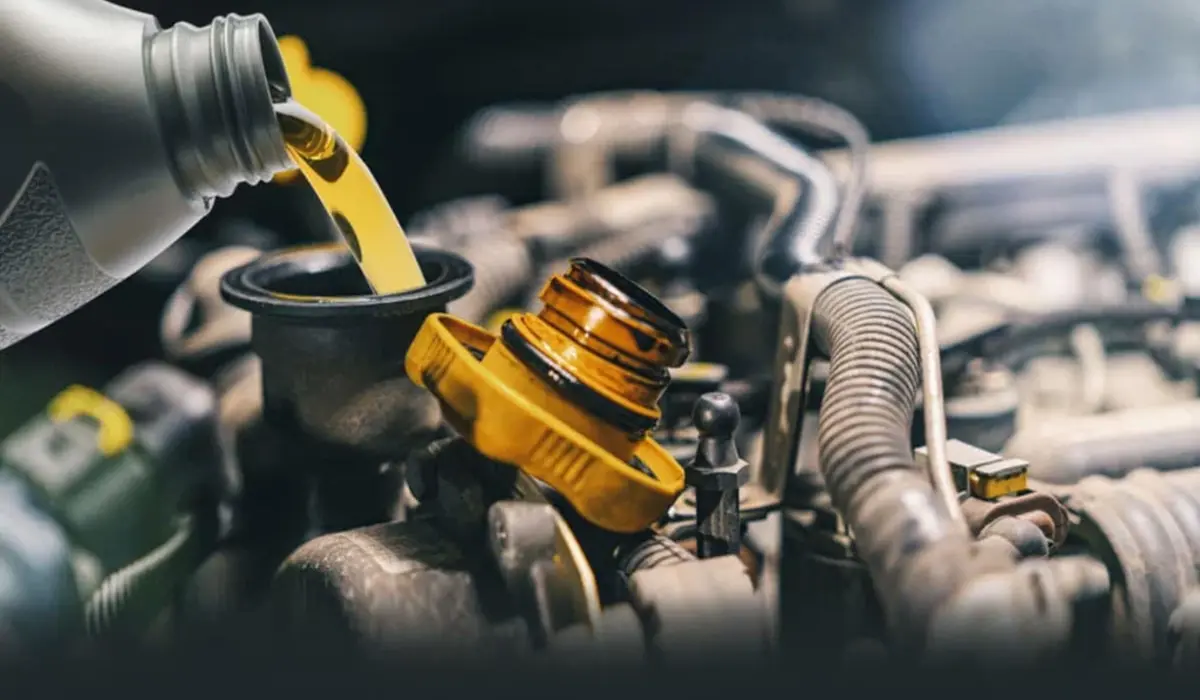
This is one of the most common misconceptions.
Many modern vehicles using synthetic oil can follow longer intervals recommended by the manufacturer.
Myth: Dark Oil Always Means It Needs Replacement
Oil naturally becomes darker as it cleans the engine and collects particles.
The better approach is following your maintenance schedule and checking the oil condition.
Myth: More Frequent Changes Are Always Better
Changing oil more often than needed usually does not damage the engine, but it can increase costs and waste.
Following the manufacturer’s schedule provides a balance between protection and efficiency.
Common Oil Change Mistakes to Avoid
Small mistakes during maintenance can create unnecessary problems.
Using the Wrong Oil
Always confirm the recommended viscosity and specification before adding oil.
The cheapest or most expensive oil is not automatically the correct choice.
Forgetting the Oil Filter
Most manufacturers recommend replacing the oil filter during every oil change.
A new filter helps remove contaminants and supports proper oil circulation.
Overfilling the Engine
Adding too much oil can create issues with engine operation.
Always check the dipstick or electronic oil measurement system after service.
Ignoring Severe Driving Conditions
Drivers who tow, idle frequently, or make many short trips may need a different maintenance schedule than normal drivers.
Oil Change Maintenance Checklist
Use this simple checklist to stay on track:
- Check your owner’s manual
- Confirm the correct oil grade
- Monitor mileage or oil-life percentage
- Replace the oil filter during service
- Check for leaks after changing oil
- Record the service date and mileage
- Recycle used oil properly
Unique Considerations Most Oil Change Guides Miss
Many articles explain the basic process but overlook important decisions drivers face.
Should You Trust the Oil-Life Monitor?
Modern oil-life monitoring systems are designed to estimate oil condition based on driving factors.
However, they do not directly test oil quality. They use programmed calculations based on factors like temperature, engine load, and driving patterns.
For many drivers, the oil-life monitor combined with the owner’s manual provides a practical maintenance approach.
Fixed Schedule vs Oil-Life Monitor vs Extended Intervals
| Approach | Benefits | Limitations |
| Fixed short interval | Simple and easy to remember | May cause unnecessary service |
| Manufacturer schedule | Based on vehicle testing | Requires checking the manual |
| Oil-life monitor | Adjusts for driving conditions | Some drivers prefer fixed schedules |
| Extended intervals | Can reduce service frequency | Should only follow approved recommendations |
Why Quick-Lube Stickers Can Be Confusing

Some quick-lube locations still provide reminders like “3 months or 3,000 miles.”
However, many consumer automotive sources in 2025–2026 explain that these reminders often do not match modern manufacturer recommendations.
Your vehicle manual should be the final reference.
Practical Application: Create Your Oil Maintenance Plan
A simple maintenance routine prevents confusion.
Step 1: Find Your Correct Schedule
Check your owner’s manual for:
- Oil type
- Oil viscosity
- Service interval
- Severe-service recommendations
Step 2: Choose Your Service Method
Decide whether DIY or professional service fits your situation.
Consider your tools, safety, time, and experience.
Step 3: Track Your Maintenance
Record:
- Date of service
- Mileage
- Oil type used
- Filter replacement
Keeping records makes future maintenance easier.
Step 4: Adjust Based on Driving
If your driving habits change, your maintenance schedule may also need adjustment.
Short trips, towing, and extreme conditions can affect oil life.
Conclusion:
Remember the driver who noticed the engine feeling different and wondered if an oil change was overdue?
That situation is common because many people still rely on outdated advice instead of understanding how modern maintenance works.
Today, the best approach is simple: follow your vehicle manufacturer’s recommendations, use the correct oil, and pay attention to your driving conditions.
A proper oil change is not about changing oil as frequently as possible. It is about protecting your engine with the right maintenance schedule.
Modern vehicles have better oils, smarter monitoring systems, and improved engineering. The smartest maintenance decision comes from understanding your vehicle rather than following old habits.
Small maintenance choices made today can help your engine stay reliable for many years.
Frequently Asked Questions About Oil Change
How often should you change your oil?
Most modern vehicles need an oil change every 7,500–10,000 miles or once a year under normal conditions.
Always follow your owner’s manual because the correct interval depends on your vehicle, oil type, and driving habits.
Is the 3,000-mile oil change rule still necessary?
For many newer vehicles, the 3,000-mile rule is outdated because modern oils and engines last longer.
Follow your manufacturer’s recommended schedule instead.
Should I use synthetic oil or conventional oil?
Use the oil type recommended by your vehicle manufacturer.
Synthetic oil offers better heat resistance and performance, while conventional oil may still work for some older vehicles.
Can I change my own oil at home?
Yes, you can perform a DIY oil change if you have the right tools and a safe workspace.
Make sure you use the correct oil, replace the filter, and dispose of used oil properly.
What happens if you do not change your oil?
Old oil can break down and lose its ability to protect engine parts.
Over time, this may cause sludge buildup, increased wear, and possible engine damage.
Does the oil filter need to be changed every time?
Yes, most manufacturers recommend replacing the oil filter during every oil change.
A new filter helps remove contaminants and keeps the engine lubrication system working properly.
How do oil-life monitoring systems work?
Oil-life monitors estimate oil condition using factors like driving habits, engine temperature, and load.
They do not test the oil directly but calculate when service is likely needed.
How much does an oil change cost?
The cost depends on your vehicle, oil type, location, and service provider.
DIY service is usually cheaper, while professional services offer convenience and proper equipment.