Key Takeaways
-
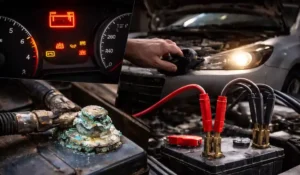
Slow engine cranks usually mean your battery is dying.
-
Clean corrosion with baking soda to fix loose connections.
-
Test voltage to see if a battery won’t hold charge.
-
Extreme weather accelerates internal battery damage quickly.
-
Check your alternator if the dead battery keeps returning.
Have you ever turned your key only to hear a sad clicking noise?
Unexpected car battery problems can completely ruin your morning plans.
When your car won’t start, a dead battery or loose cable is usually the main culprit. Most 12-volt vehicle batteries last three to five years, but heat, cold, and bad driving habits can shorten that life fast.
Recognizing early bad car battery symptoms helps you fix small battery issues before you get stranded on the road.
At ChevySUV, we know how frustrating electrical trouble can be when you just want to get moving.
AI Overview
Common car battery problems include corrosion, cold weather drain, alternator failures, and parasitic power draws. If your car won’t start or your battery won’t hold charge, check for loose terminals or a dead battery. Spotting early bad car battery symptoms like slow engine cranking, dim headlights, or a clicking starter can save you from unexpected breakdowns and costly roadside repairs.
What Causes Most Car Battery Problems?
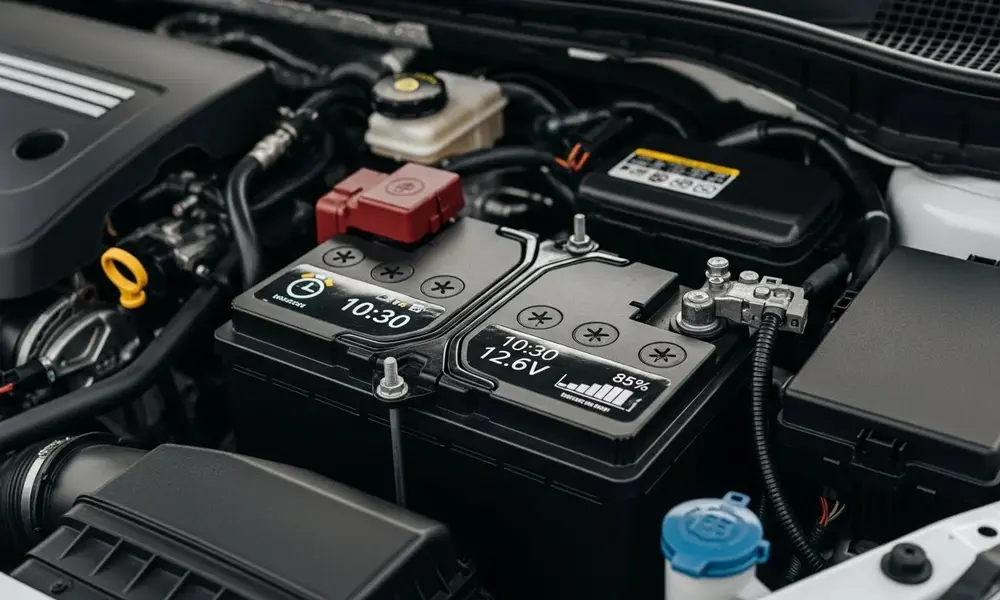
Batteries rely on simple chemical reactions to store and release electrical energy.
Over time, chemical plates degrade and lose their ability to transfer power efficiently.
Knowing what speeds up this wear makes it easier to prevent sudden failures.
Heat and Cold Extremes
Summer heat evaporates internal liquids and accelerates internal plate corrosion.
Winter cold thickens engine oil, forcing your battery to work twice as hard.
Short Trips and Frequent Stops
Driving short distances prevents your engine’s alternator from fully topping off the charge.
If you only drive five minutes at a time, your charge steadily drops week after week.
15+ Common Car Battery Problems, Signs, and Fixes
Let’s walk through the most common battery issues you might run into on the road.
1. The Dreaded Slow Engine Crank
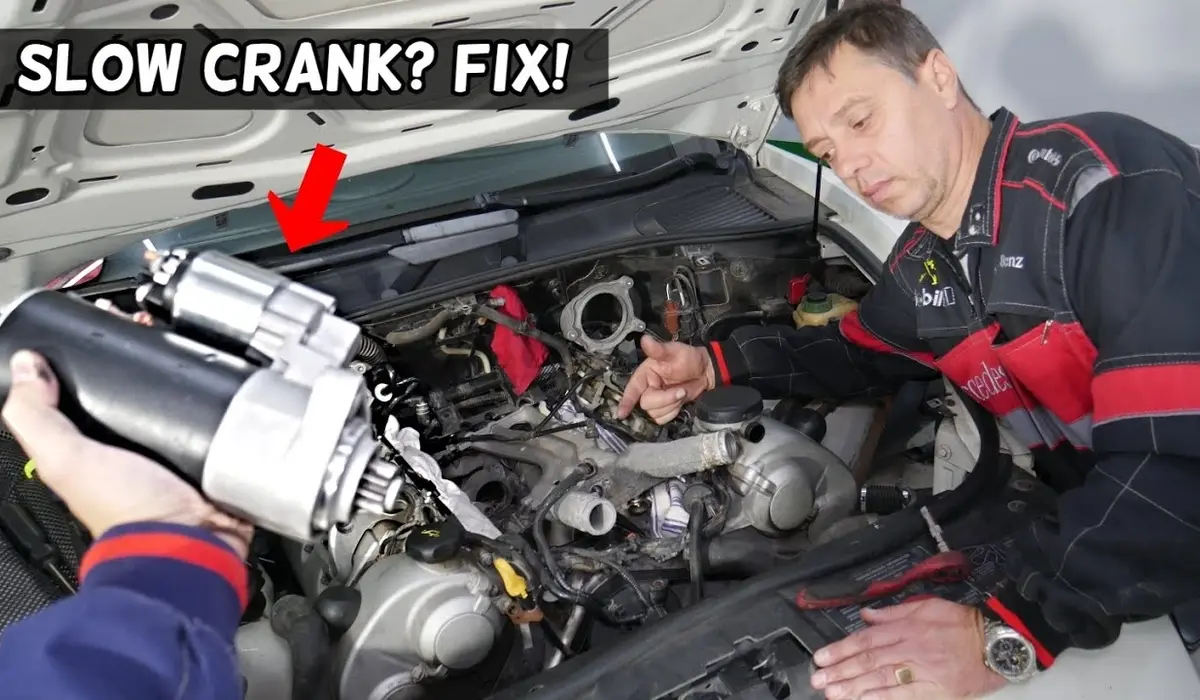
You turn the key, and the engine struggles to turn over slowly.
This classic warning sign means your starter isn’t getting enough cold cranking amps.
Solution: Test the voltage with a multimeter. If it reads under 12.4 volts, charge it immediately.
2. Clicking Sound When Turning the Key
Hear a rapid clicking noise instead of the engine starting?
That click is the starter solenoid trying to engage without enough current.
Solution: Check for loose terminal clamps, clean away grime, or jump-start the vehicle.
3. Engine Doesn’t Turn Over At All
When your car won’t start and dashboard lights stay dark, you have a completely dead battery.
This often happens after leaving an interior light on overnight.
Solution: Jump-start the car and let the engine run for 30 minutes to recharge.
4. Headlights Are Dim or Flickering
Are your headlights unusually dim at stoplights?
When a battery won’t hold charge, your lights depend entirely on lower idle alternator output.
Solution: Have a local mechanic test your battery health and charging output.
5. Blue or White Corrosion on Terminals
Powdery crust on terminal posts blocks electrical current from reaching your starter.
This buildup happens when hydrogen gas leaks and reacts with cable metal.
Solution: Scrub terminals using a simple mix of baking soda, warm water, and a wire brush.
| Issue | Typical Visual Sign | Immediate Action |
| Crusty Terminals | Blue/white powder on posts | Clean with baking soda solution |
| Low Fluid Level | Fluid below internal plates | Top up with distilled water (if serviceable) |
| Swollen Case | Bloated plastic casing | Replace battery immediately |
| Dim Lights | Dashboard and headlights flicker | Test voltage and alternator output |
6. Swollen or Bloated Battery Case
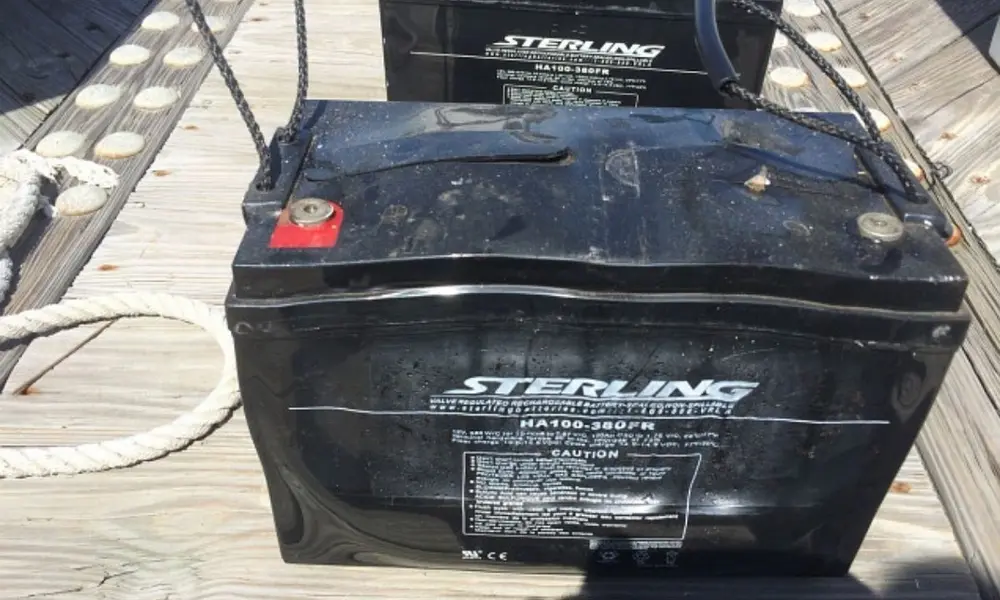
Extreme heat or overcharging causes internal gas expansion that bulges the outer plastic box.
A swollen case means internal components are damaged and unsafe.
Solution: Replace the unit right away to avoid acid leaks or explosion risks.
7. Bad Odor Like Rotten Eggs
Smell sulfur around your hood when running the engine?
An overcharging alternator boils internal battery acid, releasing toxic hydrogen sulfide gas.
Solution: Turn off the car, let it cool down, and check the voltage regulator.
8. The Battery Light Remains Illuminated
A red dashboard battery light doesn’t always mean a bad car battery symptoms situation.
It often flags a failing alternator, broken serpentine belt, or wiring fault.
Solution: Inspect belt tension and test whether the alternator feeds power back properly.
9. Parasitic Electrical Drain
Does your car start fine on Friday, but leave you with a dead battery by Monday morning?
An interior light, trunk switch, or faulty aftermarket radio might be constantly pulling power.
Solution: Perform a parasitic draw test using a multimeter to isolate the bad fuse circuit.
10. Aging Chemical Components
Most standard lead-acid units wear out naturally after 3 to 5 years.
Old internal lead plates simply can’t store electrical charge like they used to.
Solution: Check the date sticker on top and budget for a fresh replacement unit.
11. Loose Terminal Clamps
Vibrations from rough roads can shake cable clamps loose over time.
Loose connections prevent power transfer even if your battery is fully charged.
Solution: Wiggle the terminals by hand; if they move, tighten them with a small wrench.
12. Parasitic Short Circuit
Internal short circuits happen when shedding active material settles at the bottom of the case.
When debris bridges the internal plates, a cell dies almost instantly.
Solution: A dead cell cannot be repaired, so replacing the battery is required.
13. Low Battery Fluid Levels
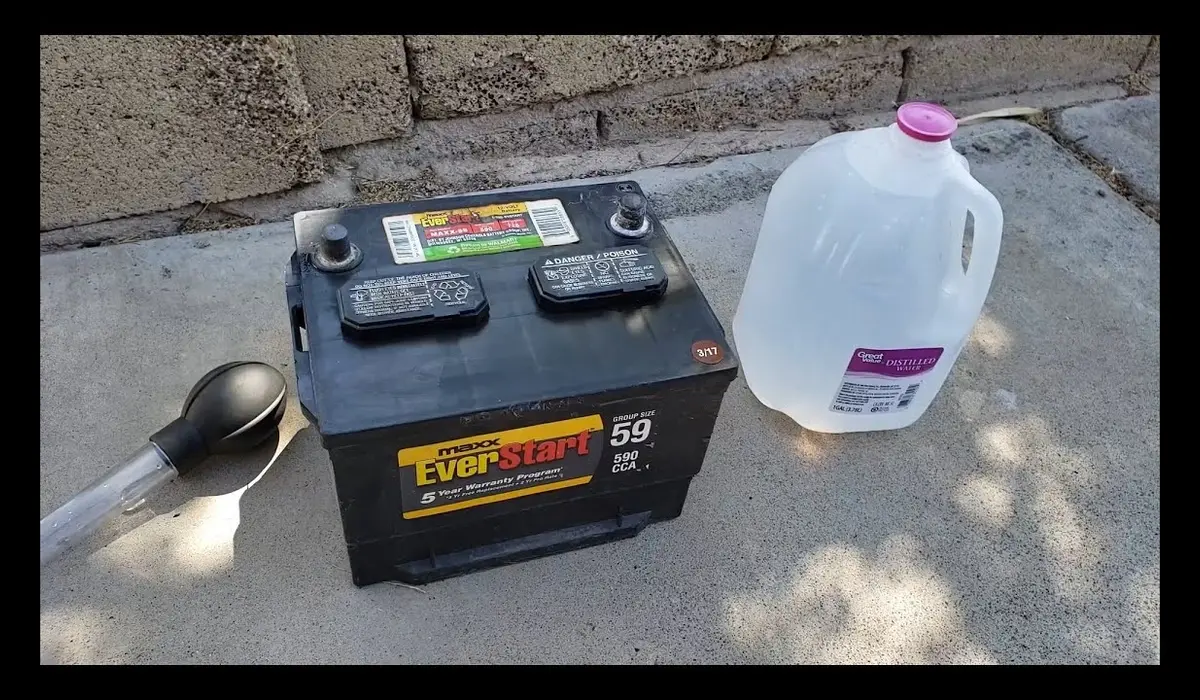
Non-sealed batteries require fluid to keep lead plates submerged.
Exposed plates dry out, sulfated edges harden, and capacity drops quickly.
Solution: Carefully add distilled water until liquid covers the internal cell plates.
14. Blown Main Electrical Fuse
Did you accidentally reverse jump-starter cables positive-to-negative?
A blown main fusible link cuts off all power, making it seem like a dead battery issue.
Solution: Inspect the main fuse box under the hood and replace any blown metal links.
15. Defective Alternator Diode
A blown alternator diode allows current to drain backward into the engine frame when turned off.
This sneaky problem drains fresh power even while your key is in your pocket.
Solution: Have an auto electrician test the alternator for internal AC diode leaks.
16. Extreme Weather Deep Freeze
Sub-zero temperatures reduce battery capacity by up to 50 percent while engine oil thickens.
If a battery is already weak, cold night air finishes it off overnight.
Solution: Park inside a garage or use a thermal battery blanket during winter months.
How to Test Your Car Battery at Home
You don’t need expensive garage tools to check basic health.
A simple digital multimeter gives quick, accurate answers about your electrical system.
Here are the key tools you need to spot bad car battery symptoms early:
-
Digital multimeter set to DC volts
-
Wire brush for cleaning post terminals
-
Protective safety glasses and rubber gloves
-
Battery terminal spray protector
Step-by-Step Battery Testing Guide
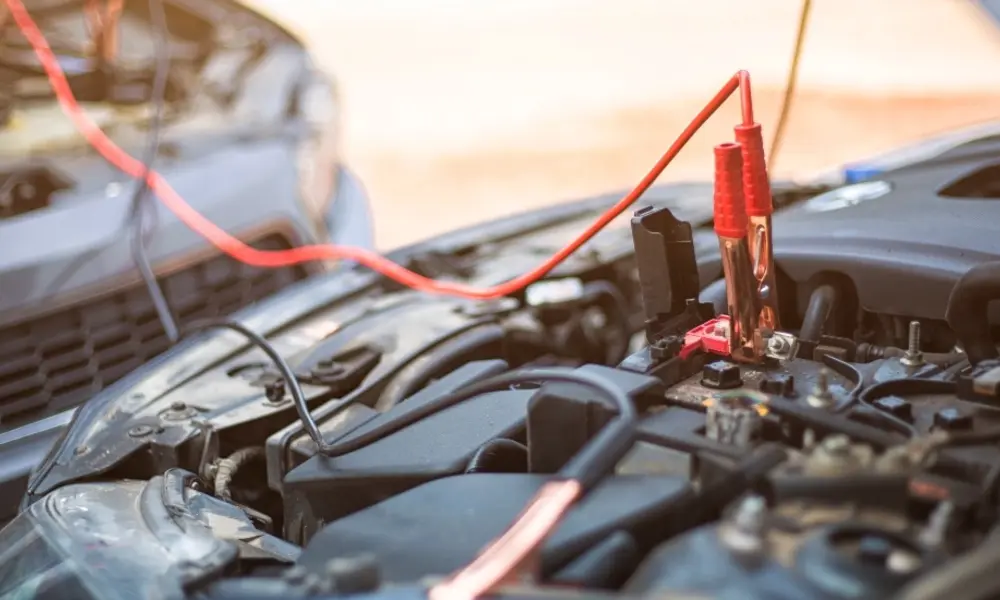
Follow these quick testing steps to know if your unit needs charging or replacing.
Understanding Voltage Readings
Here is what your resting voltage numbers tell you about overall charge health.
| Resting Voltage | Charge Percentage | Battery Condition |
| 12.6V – 12.8V | 100% | Fully Charged |
| 12.4V | 75% | Good / Operational |
| 12.2V | 50% | Needs Charging |
| 12.0V or lower | 25% or less | Discharged / Bad Cell |
If your meter drops below 9.6 volts during cranking, your battery won’t hold charge under load anymore.
At ChevySUV, we recommend testing your charging system every fall season before winter weather sets in.
Simple Preventive Maintenance Tips
A few basic maintenance habits can extend electrical system life significantly.
-
Clean terminal connections every six months to prevent resistive oxide build-up.
-
Drive at least 20 minutes continuously once a week to keep charges topped up.
-
Turn off headlights, seat heaters, and radio before shutting down the engine.
-
Keep battery hold-down brackets snug to avoid damaging internal plates from road vibration.
Preventing simple car battery problems before they start saves both time and money down the road.
Conclusion
Dealing with sudden car battery problems is never fun, but recognizing early warning signs makes all the difference. Whether your car won’t start on a cold morning or you notice dim headlights, checking voltage and keeping terminals clean prevents major headaches.
If your battery won’t hold charge despite regular driving, replacing it early keeps your drives smooth and worry-free. Stay ahead of bad car battery symptoms, test your system periodically, and keep your vehicle running reliably every day!
Frequently Asked Questions
Why does my car battery keep dying repeatedly?
A bad alternator, parasitic drain, or loose connection constantly drains power while parked.
How long should a normal car battery last?
Most standard car batteries generally last between 3 to 5 years depending on local climate.
Can a totally dead battery be recharged successfully?
Yes, if cells are healthy, a trickle charger can safely restore a fully discharged battery.
How do I know if it’s the battery or alternator?
If jump-starting starts the car but it dies immediately after removing cables, suspect the alternator.