Key Takeaways
- Above-average dependability scores
- Practical daily driving performance
- Specific model years to approach with caution
- Competitive edge in the midsize market
- Routine upkeep prevents major headaches
Thinking about parking a new midsize crossover in your driveway?
If you are shopping around, the modern look of the Chevy Blazer probably caught your eye. But before you sign any paperwork, you need to know if this stylish ride will actually go the distance or leave you stranded on the side of the highway.
Let’s dive straight into the facts: based on available data, the chevy blazer reliability is generally considered above average, earning solid dependability scores from major automotive outlets.
While it might not completely match the bulletproof reputation of some seasoned Japanese competitors, it stands as a highly dependable option that holds its own quite well. In most cases, owners find it to be a faithful commuter that gets the job done without unexpected drama.
AI Overview
If you want a quick snapshot of the chevy blazer reliability, it generally ranks well in the midsize SUV segment. Most model years offer strong performance, though a few early versions have known blazer problems. By understanding the blazer common issues and checking the blazer reliability rating, you can easily pick a great model. In a blazer long term review, routine maintenance is the true key to avoiding major repairs.
What Does the Blazer Reliability Rating Look Like?
When you look at the official numbers, this Chevy SUV performs surprisingly well. J.D. Power consistently gives the modern generation a blazer reliability rating that hovers in the low-to-mid 80s out of 100. In the automotive world, that places it firmly in the “Great” category.
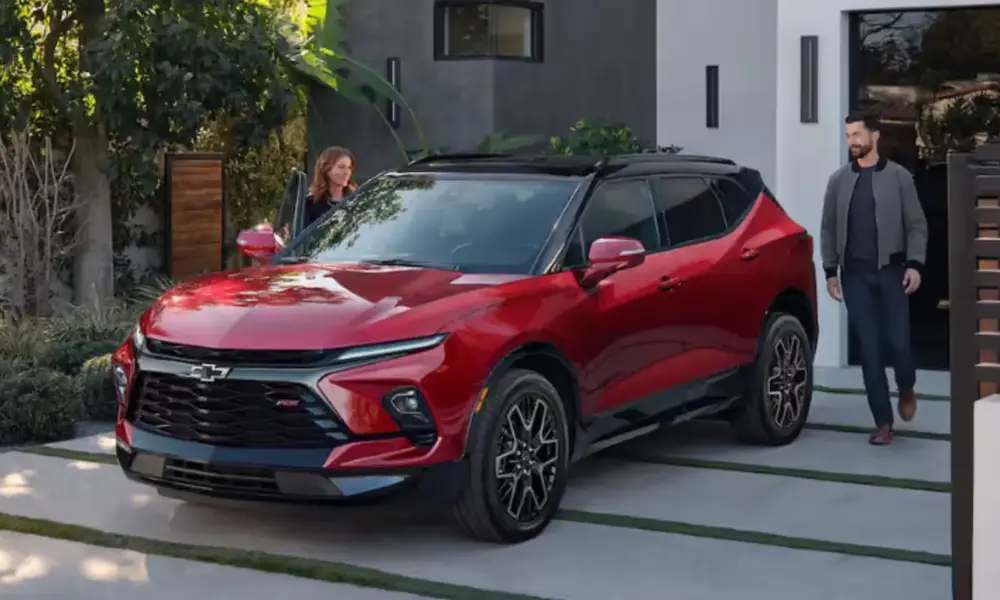
This score means you can generally expect fewer trips to the mechanic than the average vehicle in its class. RepairPal also gives it a favorable score, noting that repair costs are pretty reasonable for a midsize crossover.
Of course, a single number on a website doesn’t tell the whole story of car ownership. To truly understand what you are getting into, we need to look at how the vehicle handles real-world miles over several years.
A Blazer Long Term Review: Real-World Longevity
If you chat with folks who have owned this crossover for a while, a clear picture starts to emerge. A blazer long term review reveals that the engine and transmission options are mostly robust. The 3.6-liter V6 engine, in particular, is a proven workhorse that Chevy has used across its entire lineup for ages.
With basic care, it is estimated that a modern Blazer can easily pass the 150,000-mile mark without requiring a powertrain overhaul. The body panels hold up well against rust, and the interior materials are built to survive daily family duty.
However, long-term ownership isn’t entirely perfect. As the odometer climbs, electronic gremlins can sometimes pop up, which is a common theme among many modern, tech-heavy vehicles today.
Look Out for These Blazer Common Issues
Every vehicle has its quirks, and this crossover is no exception. If you are browsing the used market, you want to keep an eye out for a few specific blazer common issues that real owners have reported over the last few years.
The Infotainment Shuts Down
The touchscreen system can occasionally freeze, reset on its own, or refuse to connect to Apple CarPlay and Android Auto. A quick software update at the dealership usually fixes it, but it is annoying when you just want to listen to your favorite podcast.
Transmission Shift Shudder
Some drivers notice a brief hesitation or shuddering feeling when the 9-speed automatic transmission switches gears at lower speeds. While it rarely leads to a total mechanical failure, it can make the ride feel less smooth than it should be.
Active Noise Cancellation Glitches
The cabin uses microphones to emit counter-frequencies that quiet down road noise. When this system malfunctions, it can create a strange, low hum through the speakers that feels like pressure in your ears.
Chevy Blazer Years to Avoid
If you want to maximize your chances of a trouble-free experience, you need to know which blazer years to avoid. No car launch is flawless, and the early production runs of this resurrected nameplate had a few extra kinks to iron out.
| Model Year | Primary Concerns | Risk Level |
| 2019 | First-year electrical bugs, shift-to-park alerts, early brake wear | Moderate |
| 2020 | Engine stall issues, start-stop sensor failures, trim rattles | Low-Moderate |
| 2021+ | Minor infotainment glitches, standard component wear | Low |
Steering clear of the 2019 model year is generally a smart move. It suffers from a frustrating “Shift to Park” message where the car refuses to recognize that it is turned off, draining the battery overnight. By the time 2021 rolled around, the manufacturer fixed most of these early assembly line hiccups.
Blazer vs Ford Edge Reliability: The Midsize Showdown
When shopping for an American crossover, the biggest rivalry is often blazer vs ford edge reliability. Both of these vehicles occupy the exact same niche, but they handle the test of time a little differently.
| Feature / Metric | Chevy Blazer | Ford Edge |
| Average Reliability Score | 85 / 100 (Great) | 76 / 100 (Average) |
| Common Major Repair | Electronic Sensors | Turbocharger / Coolant Leaks |
| Annual Maintenance Cost | Lower than average | Average |
| Best Engine Choice | 3.6L Naturally Aspirated V6 | 2.0L EcoBoost Four-Cylinder |
In the battle of blazer vs ford edge reliability, the Bowtie brand usually takes the crown. The Ford Edge has struggled with serious engine coolant leaks that can ruin the motor, whereas the blazer problems are usually cheaper and simpler to repair. If you want a lower risk of expensive mechanical failures down the road, this Chevy SUV is typically the safer bet for your wallet.
Practical Insights to Avoid Major Blazer Problems
You don’t have to be at the mercy of luck when it comes to keeping your vehicle on the road. Preventing major blazer problems comes down to how you treat the vehicle during your weekly routine.
- Change the oil every 5,000 miles: Don’t wait for the dashboard monitor to hit zero percent; fresh oil keeps the timing chains happy.
- Service the transmission fluid: Getting the fluid replaced at 60,000 miles helps eliminate the gear shudder issue entirely.
- Keep the battery fresh: Modern electrical systems are highly sensitive; replacing a weak battery prevents weird infotainment glitches before they start.
- Check the brake pads early: The heavier weight of a midsize SUV can wear down front brake linings faster than a standard sedan.
Taking these small steps makes a massive difference in your overall ownership experience. A little bit of garage time prevents a massive repair bill later.
The Verdict on Chevy Blazer Reliability
So, is this stylish crossover actually a reliable choice? Based on available data, the answer is a definitive yes. While you should keep an eye on the blazer reliability rating for specific used models, the platform as a whole is structurally sound and built to last.
If you skip the 2019 model year to avoid early electrical bugs, you will end up with a highly capable vehicle. It beats out top rivals in a side-by-side blazer vs ford edge reliability comparison, and a blazer long term review proves it can handle years of daily commuting.
Just make sure to stay on top of regular maintenance to avoid the common blazer problems. Do that, and this iconic Chevy SUV will treat you right for many miles to come.
Frequently Asked Questions
What are the most common Chevy Blazer problems?
The most frequent blazer problems involve minor electrical system glitches. Owners often report that the central infotainment screen freezes, or they encounter a “Shift to Park” warning error on the dashboard. Thankfully, serious mechanical failures involving the engine or the transmission are quite rare if the vehicle is cared for properly.
Which Chevy Blazer years should I avoid?
When looking at the data, the specific blazer years to avoid are 2019 and 2020. As the earliest years of the current generation, they carry the highest volume of owner complaints regarding sensor malfunctions and interior trim rattles. Choosing a 2021 or newer model gives you a much more refined experience.
How does the Blazer compare to the Ford Edge for reliability?
In a head-to-head matchup of blazer vs ford edge reliability, the Blazer generally comes out on top. The Ford Edge has a history of complex engine issues like internal coolant leaks, which are expensive to fix. The Blazer relies on simpler, proven engine designs that cost less to maintain over time.
What is the overall Chevy Blazer reliability rating?
The official blazer reliability rating from J.D. Power sits at an impressive 85 out of 100 points. This high mark places it well above the segment average for midsize crossovers. It indicates that the vehicle is highly dependable and experiences fewer critical mechanical issues than most of its direct market competitors.
What should I check for during a long-term review test drive?
During a blazer long term review test drive, you should pay close attention to how the automatic transmission shifts at low speeds. Listen carefully for any unusual hums from the audio speakers, and toggle through all the touchscreen menus. Ensuring the electronics respond quickly is the best way to verify a used model is in great shape.