

Brand New Car Deals can look tempting, but buying a new car can quickly become confusing. Dealerships use terms like “special offer,” “deposit contribution” and “low monthly payment,” making it easy to lose track of what you are actually paying.
Many buyers see a low monthly figure and assume they have found a bargain, only to discover later that the total cost is much higher than expected. A genuine deal should include a real, verifiable discount off the official retail price, clear finance terms, and no hidden surprises. Comparing available automobile deals can help buyers identify better offers and avoid misleading promotions.
Key Takeaways
- Always compare the final purchase price against the official manufacturer’s recommended retail price (RRP/MRRP), rather than focusing only on the monthly payment.
- If you are using Personal Contract Purchase (PCP) or finance, look closely at the total payable amount, interest rates (APR), and final balloon payment, not just the upfront deposit.
- Cars that are already sitting in dealer stockyards or showrooms may come with higher discounts than custom factory orders because dealers want to clear space.
- Dealerships work hard to hit sales targets during specific periods, such as plate-change months (March and September) and financial quarter-ends.
- Never rely on a verbal promise; make sure every detail of the offer including deposit amounts, mileage allowances, and APR is confirmed in writing before signing.
What Counts as a “Brand New Car Deal”?

When looking for a brand new car, promotions usually fall into a few clear categories:
- Cash Discounts: A direct reduction from the sticker price when buying outright.
- 0% APR or Low-Rate Finance: Manufacturer-backed finance deals where you pay little or no interest over the term.
- Deposit Contributions: Money that the manufacturer adds to your upfront deposit to lower your monthly financing costs.
- Extras: Free servicing packages, complimentary insurance, or upgraded options included at no extra cost.
Understanding where the deal comes from is also important. A dealer-listed offer is set by an individual showroom trying to shift inventory. A manufacturer offer is backed directly by the car brand across the entire country (such as subsidized low-interest rates). A broker deal uses online platforms to let multiple dealers compete for your business, often resulting in larger pre-negotiated discounts.
Pre-Registered and Delivery-Mileage Cars: Are They Really Brand New?
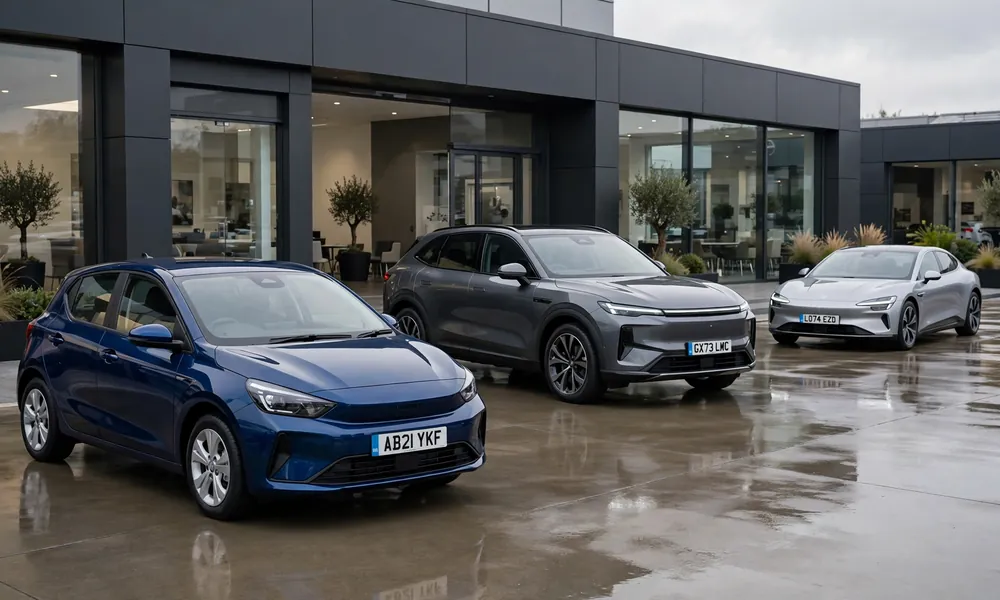
Pre-registered cars have already been registered by the dealer (often to hit end-of-month or end-of-quarter sales targets), meaning the vehicle has a license plate and technically has one previous “registered keeper” on paper, even though it has delivery miles.
While they are sold with heavy discounts and are practically new, they have already been registered and may be treated differently from an unregistered new car. This means your warranty countdown usually starts from the date of first registration, not when you buy it. Always confirm the remaining warranty directly with the manufacturer.
Best Brand New Car Deals Right Now
Market pricing changes frequently based on supply, demand, and manufacturer targets. The table below outlines advertised market prices and potential savings based on the listed RRP and deal prices. Actual savings depend on the vehicle specification, dealer, availability, and offer conditions.
| Model | RRP | Deal Price | Saving | Source | Last Checked Date |
|---|---|---|---|---|---|
| Vauxhall Corsa (Small car) | £20,590 | £14,624 | £5,966 | Market Analysis (verification required) | October 2026 |
| Suzuki Swift (Small car) | £19,999 | £15,995 | £4,004 | Market Analysis (verification required) | October 2026 |
| Nissan X-Trail (Family SUV) | £38,850 | £33,295 | £5,555 | Market Analysis (verification required) | October 2026 |
| BYD Seal 6 (Electric/Hybrid) | £35,020 | £24,999 | £10,021 | Market Analysis (verification required) | October 2026 |
| Volkswagen Multivan (Family MPV) | £50,683 | £43,250 | £7,433 | Market Analysis (verification required) | October 2026 |
Cash vs PCP vs HP vs Lease: Which Is Cheapest?

Choosing how to pay changes the total cost of your car significantly.
The Financial Breakdown
To see how different payment structures stack up, consider a mid-size family car with an RRP of £25,000:
- Cash Purchase: You pay £22,500 upfront (after a £2,500 dealer discount). Total cost: £22,500. You own the car immediately with no further payments.
- Hire Purchase (HP): £3,000 deposit, followed by 48 monthly payments of £420 at 6.9% APR. Total of the deposit and monthly payments: £23,160. This figure includes the interest reflected in the instalments, but the example does not reconcile with financing the remaining £22,000 at 6.9% APR over 48 months. The actual repayment schedule and total amount payable must be confirmed using a lender’s finance quotation.
- Personal Contract Purchase (PCP): £2,500 deposit, 36 monthly payments of £260, and a final optional balloon payment of £11,000 to keep the car. Total of the deposit, monthly payments, and balloon payment if kept: roughly £22,860. If returned, you do not pay the optional balloon payment, but excess mileage, damage beyond fair wear and tear, and other contractual charges may apply.
- Personal Contract Hire (Lease): £2,200 initial rental (equivalent to several monthly payments), followed by 24 monthly payments of £210. Total rental cost: £7,240. You hand the car back at the end and never own it. Additional charges may apply under the lease agreement.
Understanding PCP: Pros, Cons, and Traps
PCP gives you lower monthly payments because you are mainly paying for the depreciation of the car during your contract term, along with the cost of finance. However, it comes with strict mileage limits (e.g., 8,000 miles per year). If you go over this limit, you will face excess mileage charges per mile. At the end of the term, you must choose to pay the large balloon payment, trade it in, or walk away, subject to the agreement’s conditions.
When Is Leasing Better?
Leasing (PCH) is ideal if you like driving a brand-new car every two to three years, want lower monthly commitments, and do not care about owning an asset at the end of the agreement. It removes the responsibility for selling the vehicle and dealing directly with its resale value, but you have no equity built up to put toward your next vehicle. Comparing the best auto financing deals can help you decide whether leasing or financing better suits your driving habits and budget.
Hidden Costs That Make Deals Look More Expensive
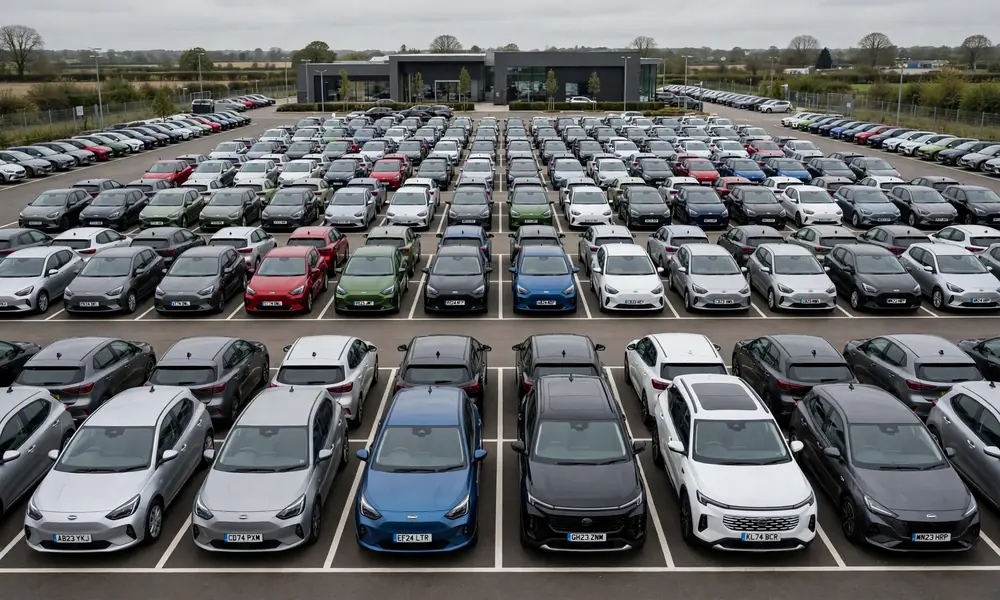
When looking at a sticker price or a monthly quote, make sure you account for additional mandatory and optional fees that can catch you off guard:
- Delivery and Number Plate Fees: Transporting the vehicle from the factory to the dealership and supplying and fitting the registration plates. These costs may already be included in the advertised On-The-Road price.
- First Registration Fee: A one-time DVLA fee for registering a vehicle for the first time. The standard fee is £55 where applicable.
- Vehicle Excise Duty (Road Tax): Varies depending on the vehicle’s registration date, fuel type, emissions, and applicable tax rules. First-year tax is usually included in the On-The-Road price, but always check the itemised quote.
- Optional Extras: Dealerships try to boost profits by adding paint upgrades, alloy wheel protection, interior fabric guards, and mats.
- GAP Insurance: Covers the shortfall between your car insurance payout and your finance settlement if the car is written off, subject to the policy terms. Compare independent policies rather than automatically buying it at the dealership.
- Admin Fees: Paperwork charges added by some brokers or showrooms.
Buyer Checklist
-
Ask for the On-The-Road (OTR) price that includes all mandatory taxes and delivery.
-
Decline unnecessary dealer add-ons (like paint protection or key insurance) unless heavily discounted.
-
Check if administration or documentation fees apply.
Best Time to Buy a New Car
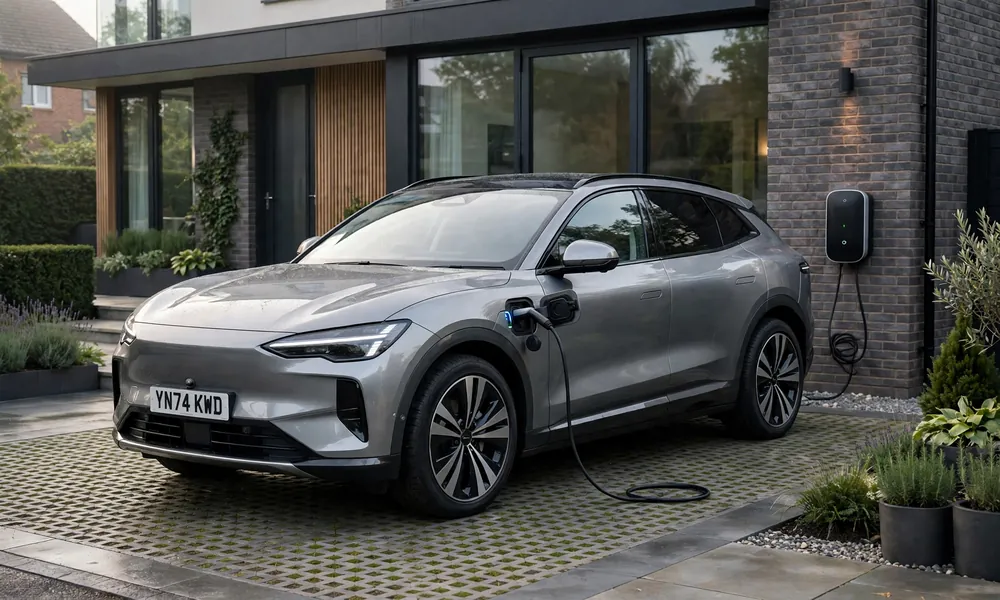
Timing your purchase can save you money. Dealerships operate on sales targets set by manufacturers on a monthly, quarterly, and annual basis.
- Registration Plate Changes: In the UK, new registration plates drop twice a year in March and September. Dealerships may push hard to clear older stock before these months, leading to discounts.
- Quarter-Ends: The end of March, June, September, and December are important milestones for sales teams trying to hit volume targets and secure manufacturer bonuses. Sales staff may be more willing to negotiate during these periods, although discounts are not guaranteed.
- Model Year Turnovers: When a manufacturer announces a facelift or a completely new generation of a car, dealers may reduce prices on the outgoing model to clear showroom space.
How to Negotiate (Step-by-Step)

- Get Multiple Quotes: Never visit just one dealership. Use online car-buying platforms to get quotes from at least three different showrooms or brokers. Compare them against each other to negotiate a lower price.
- Separate Your Trade-In: If you have an old car to sell, negotiate the price of the brand new car first. Only bring up your part-exchange after you have agreed on the final discount on the new vehicle. Otherwise, dealers may shuffle numbers between the trade-in value and the discount.
- Target In-Stock Vehicles: Ask the salesperson what vehicles are physically sitting in their compound or ready at the port. These vehicles may be more negotiable than a car that needs to be built from scratch because dealers may have costs associated with holding stock.
- Use Brokers as Leverage: Even if you prefer buying locally, take a lower online broker quote into your local dealership and ask if they can match or beat it.
Electric Car Deals and Government Grants

Transitioning to an electric vehicle (EV) changes your math. While purchase prices are often higher than petrol equivalents, running costs can be lower if you charge at home on an off-peak electricity tariff. Public rapid charging can be considerably more expensive.
When shopping for an electric car, always look closely at the WLTP certified range rather than the manufacturer’s best-case claim, as cold weather and motorway driving will reduce real-world battery performance. Check the UK government’s Electric Car Grant guidance for eligible new electric cars.
Under the scheme, qualifying vehicles may receive a discount of up to £3,750 or £1,500, depending on the grant band. The vehicle must meet the scheme’s eligibility requirements, including the applicable price limit of £37,000. Check official government portals for any other active commercial incentives or regional tax exemptions that apply to low-emission vehicles.
Red Flags: Fake or Misleading Deals
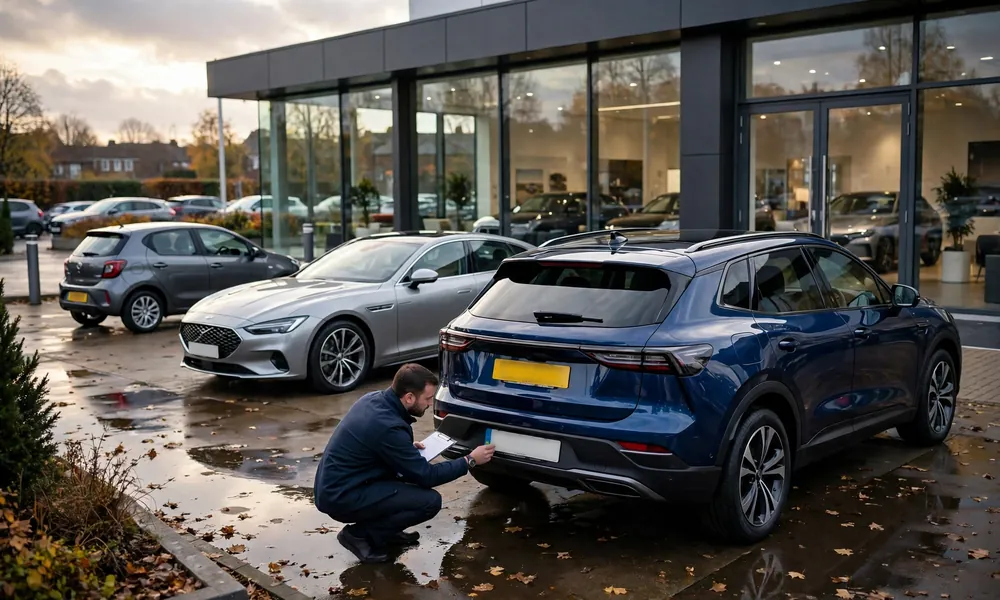
Protect yourself by keeping an eye out for common sales tactics:
- “From” Prices: Advertised prices that rely on a massive deposit, trade-in contribution, or obscure terms that do not apply to the actual vehicle specification you want.
- Ghost Cars: Deals advertised for cars that are no longer in stock, sometimes used as “loss leaders” to get you through the door so salespeople can upsell you to a more expensive model.
- High-Pressure Tactics: Statements like “This price is only valid if you sign today.” Walk away if you feel rushed.
Consumer Protections

Purchasing a car through finance or a dealer provides important legal protections:
- Consumer Rights Act 2015: Ensures goods must be of satisfactory quality, fit for purpose, and as described. If a brand new car has a fault, you may have the right to reject it, request a repair or replacement, or seek a price reduction, depending on the circumstances and when the fault occurs. The short-term right to reject generally applies within the first 30 days.
- Section 75 of the Consumer Credit Act: If the cash price of the car is more than £100 and does not exceed £30,000, paying even part of the purchase price using a credit card may provide Section 75 protection, provided the required legal relationship between the card provider and supplier exists. The threshold applies to the cash price of the purchase, not the amount paid by credit card.
- FCA Regulation: Always check that any auto finance broker or lender has the appropriate Financial Conduct Authority (FCA) authorisation and permissions for the services it provides. FCA authorisation provides regulatory oversight but does not guarantee that every transaction will be problem-free.
Checklist Before You Sign
-
The vehicle specification matches your exact requirements (engine, trim, paint, options).
-
The total cash price or total amount payable on finance is clearly stated in writing.
-
The APR, monthly payment breakdown, deposit, and any final balloon payment are explicitly confirmed.
-
The estimated delivery date or collection window is written into the order form.
-
You understand the mileage limits and wear-and-tear guidelines if taking out a PCP or lease agreement.
About This Guide
This guide covers consumer vehicle financing and market analysis to help buyers understand new-car offers, compare payment options, and identify potential additional costs.
- Last Updated: October 2026
- Editorial Standards: Pricing information and market trends should be checked against current manufacturer offers, dealer quotations, and recognised automotive pricing sources before publication.
Frequently Asked Questions
Is buying a brand new car cheaper than buying a pre-registered car?
Pre-registered cars are often cheaper upfront because the dealer may offer a discount on a vehicle that has already been registered. However, brand new unregistered cars let you choose your exact specification, color, and options, and their manufacturer warranty generally starts from the date of first registration.
When are new car deals the best?
The best deals can happen when manufacturers and dealers are under pressure to hit sales targets. This may peak around the end of March and September (when new registration plates launch) as well as the end of financial quarters (June and December). However, discounts depend on stock levels, manufacturer incentives, and individual dealership targets.
Is a PCP deal worth it?
A PCP deal is worth it if you prefer lower monthly payments and like changing your car every 3 to 4 years. However, the total cost can be higher than buying outright if you choose to pay the final balloon payment to keep the vehicle, depending on the cash price, discount, and finance charges.
Is the advertised deal price negotiable?
Yes. Even though brand new cars have fixed list prices, dealer profit margins, manufacturer volume bonuses, and stockyard holding costs may give salespeople room to negotiate especially on cars that are already built and sitting in stock.
Is 0% finance really free?
Usually, yes, in terms of interest charges you pay 0% APR on the borrowed amount. However, choosing 0% finance sometimes means you miss out on a cash discount or deposit contribution that the manufacturer would have offered if you paid cash or used standard interest-bearing finance.
Are electric car deals better than petrol car deals?
EV deals often feature attractive finance deposit contributions or low-rate promotional packages as manufacturers try to meet green targets. While upfront purchase prices can be higher, running and charging costs can be lower, particularly if you have access to economical home charging.
How long does it take to get a car after finalizing a deal?
If you buy an in-stock car that is already sitting at the dealership or a UK compound, you may be able to collect it within 7 to 14 days (allowing time for registration, PDI checks, and paperwork). A factory-built order can take anywhere from 3 to 6 months, although actual delivery times depend on the manufacturer, model, specification, and production schedule.
Can I cancel a car deal after signing?
If you purchased the car entirely online or over the phone without visiting the showroom, you may have a 14-day cooling-off period under distance-selling regulations, provided the contract qualifies as a distance contract. A regulated car finance agreement generally has a separate 14-calendar-day right to withdraw from the credit agreement. If you signed the vehicle purchase contract inside a dealership showroom, there is generally no automatic 14-day right to cancel simply because you changed your mind. Cancellation rights depend on the dealer’s contract terms and any other applicable legal rights.
Conclusion
Finding the best brand new car deals requires more than comparing advertised prices or looking for the lowest monthly payments. Take the time to compare dealer discounts, check the total amount payable, and understand all finance terms and additional costs before making a decision. Buying at the right time, comparing multiple offers, and negotiating with dealerships can help you secure better value for your money.
Ultimately, a genuine car deal is one that fits your budget, meets your requirements, and offers transparent pricing without unexpected costs. If you’re also considering upcoming models, exploring the new cars coming in 2027 can help you compare future options. Always review the full agreement carefully before signing.

