

Automobiles Deals: Buying a car is a major financial decision, but finding the right automobile deals can make the experience considerably more affordable. Whether you are looking for a brand-new vehicle, a reliable used car, an attractive financing offer, or a seasonal dealership discount, understanding the available options can help you make a smarter purchase.
Automobile deals come in different forms, including manufacturer incentives, cash rebates, low-interest financing, trade-in bonuses, and discounted vehicle prices. However, the most attractive advertised offer is not always the best overall deal. The real goal is to find a vehicle that meets your needs while keeping the purchase price, financing costs, insurance, and long-term ownership expenses under control.
This guide explains where to find automobile offers, which types of discounts are worth considering, and how to negotiate a better price without making unnecessary financial commitments.
What Are Automobile Deals?
Automobile deals are special offers, discounts, and financial incentives provided by vehicle manufacturers, dealerships, and sometimes financial institutions to encourage customers to purchase or lease vehicles.
These offers can reduce the purchase price, lower monthly payments, provide favorable financing terms, or add value through additional services and equipment.
For example, a manufacturer might offer a cash rebate on a selected model, while a dealership may provide discounted pricing on vehicles remaining from the previous model year.
Common automobile deals include:
- Cash rebates: Direct discounts that reduce the vehicle’s purchase price.
- Low-interest financing: Reduced interest rates for qualifying buyers.
- Zero-percent financing: Promotional loans with no interest for an approved term.
- Lease specials: Reduced monthly payments or lower upfront lease costs.
- Trade-in bonuses: Additional value when exchanging an existing vehicle.
- Dealer discounts: Price reductions offered directly by dealerships.
- Special purchase incentives: Offers for eligible students, military members, or returning customers.
Understanding these options makes it easier to compare offers and identify genuine savings.
Best Types of Automobile Deals to Look For
Not every car discount works the same way. Some reduce the vehicle’s total price, while others make financing or leasing more affordable.
Here are the most common offers worth exploring.
1. New Car Deals
New car deals are among the most popular options for buyers who want the latest models, updated technology, manufacturer warranties, and modern safety features. Automakers regularly introduce promotional offers on selected vehicles to attract customers and manage inventory.
These promotions may include:
- Manufacturer cash incentives.
- Reduced financing rates.
- Dealer price reductions.
- Complimentary maintenance packages.
- Special lease offers.
- Discounts on outgoing model-year vehicles.
If you are comparing cars offering the best deals, consider the final purchase price, included features, and financing conditions rather than focusing only on the advertised discount.
Buying a previous model-year vehicle can sometimes provide particularly attractive savings. However, buyers should compare its equipment, warranty coverage, and price against the newer version before making a decision.
2. Used Car Deals
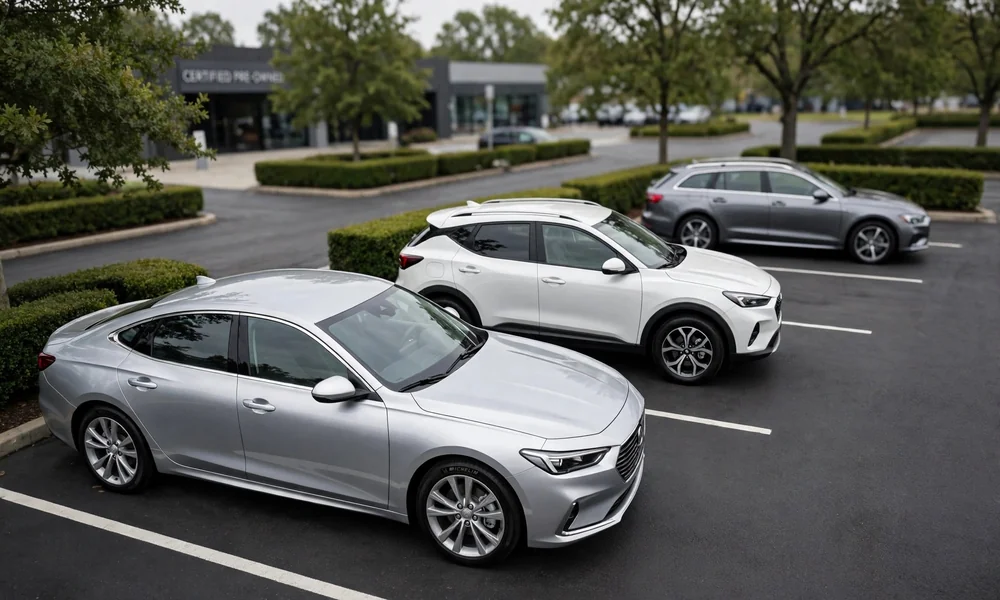
Used car deals appeal to shoppers who want to spend less without necessarily sacrificing reliability or essential features. Pre-owned vehicles often have lower purchase prices than comparable new models. However, their condition, mileage, maintenance history, and accident records matter considerably.
Certified pre-owned vehicles are another option. These cars typically undergo manufacturer or dealer inspections and may include additional warranty coverage.
Before purchasing a used vehicle, check:
- Vehicle history and ownership records.
- Accident and damage history.
- Service and maintenance records.
- Current mileage.
- Tire and brake condition.
- Engine and transmission performance.
- Outstanding recalls.
A vehicle with a slightly higher asking price may represent better value if it has been properly maintained and requires fewer immediate repairs.
3. Zero-Percent Financing Deals
Zero-percent financing is an attractive promotion that allows eligible buyers to finance a vehicle without paying interest during the promotional loan term.
For example, someone financing a $30,000 vehicle over 60 months at 0% APR would pay approximately $500 per month before taxes, fees, and other applicable charges.
Although these offers can reduce borrowing costs, they are not automatically available to everyone.
Manufacturers and lenders may require:
- Strong credit qualifications.
- A qualifying vehicle selection.
- A specific loan term.
- A minimum down payment.
- Approval through a participating financing institution.
It is also important to compare zero-percent financing with cash rebates. Sometimes accepting a rebate and choosing a conventional loan can result in a lower overall cost.
You can explore cars with 0% interest financing to learn about vehicles advertised with these offers. Always confirm current availability and eligibility with the participating dealership.
4. Automobile Lease Deals
Leasing allows drivers to use a vehicle for an agreed period without purchasing it outright. Lease deals commonly advertise attractive monthly payments, making them appealing to people who prefer changing vehicles every few years.
A typical lease agreement includes:
- Contract duration.
- Annual mileage allowance.
- Monthly payment.
- Initial payment or amount due at signing.
- Residual value.
- Potential end-of-lease charges.
However, leasing comes with restrictions. Exceeding the agreed mileage allowance, returning a vehicle with excessive damage, or ending the agreement early can result in additional expenses.
Compare the total amount due over the entire lease rather than judging the offer by its advertised monthly payment alone.
5. Dealer Discounts and Clearance Offers
Dealerships sometimes reduce vehicle prices to clear inventory, meet sales targets, or make room for incoming models.
Clearance events can provide opportunities to negotiate a better purchase price, particularly when dealerships have several similar vehicles available.
Look for:
- Previous model-year inventory.
- Demonstrator vehicles.
- Dealer promotional events.
- End-of-month sales offers.
- Manufacturer-supported clearance promotions.
Always confirm whether the advertised discount applies to the actual vehicle you intend to purchase.
When Is the Best Time to Find Automobile Deals?
Timing can influence the discounts and incentives available to car buyers. Although there is no guaranteed best day to purchase a vehicle, certain periods may provide better opportunities.
End-of-Month Sales
Some dealerships work toward monthly sales targets. As the month approaches its end, sales teams may become more willing to negotiate on selected vehicles.
However, discounts depend on inventory, dealership policies, and local market conditions.
End-of-Year Promotions
End-of-year promotions can be useful for shoppers interested in previous model-year vehicles. Dealerships may want to reduce existing inventory before newer models arrive.
This can create opportunities for buyers who are flexible about model year, color, and equipment.
Holiday Sales Events
Major holiday periods often feature automotive advertising campaigns and special financing promotions.
These events may include cash rebates, discounted lease payments, or reduced interest rates. Compare the actual purchase terms rather than assuming every holiday promotion represents a significant saving.
New Model-Year Arrivals
When updated vehicles arrive, dealerships may offer discounts on older versions still in stock.
This can be particularly beneficial when the previous model-year vehicle has the features you want and the differences between generations are relatively minor.
How to Compare Automobile Deals Before Buying
Comparing multiple offers is one of the most effective ways to avoid overpaying. A vehicle’s advertised price tells only part of the story. You should examine the complete financial agreement before making a decision.
| Comparison Factor | What to Check |
|---|---|
| Vehicle price | Final negotiated purchase price |
| Financing | APR, loan term, and total interest |
| Down payment | Amount required upfront |
| Monthly payment | Payment after all relevant charges |
| Additional fees | Documentation, registration, and dealer charges |
| Warranty | Coverage period and exclusions |
| Trade-in value | Actual value offered for your current vehicle |
| Ownership costs | Fuel, insurance, maintenance, and repairs |
Compare the Total Purchase Price
A low monthly payment can be misleading if the financing term is unusually long.
For example, extending a loan from 48 months to 72 months can reduce the monthly payment while increasing the time you remain in debt.
Compare the total amount payable under each offer, including interest and mandatory charges.
Review the Financing Terms
Always check the annual percentage rate (APR), loan duration, and eligibility conditions.
APR represents the annual cost of borrowing, including certain financing fees. A lower monthly payment does not necessarily mean a cheaper loan.
Evaluate the Trade-In Separately
If you are exchanging your current vehicle, research its approximate market value before visiting a dealership.
Ask the dealer for separate figures for the new vehicle’s purchase price and your trade-in offer.
This makes it easier to understand whether you are receiving a genuine discount or whether the numbers are being adjusted elsewhere in the transaction.
Where Can You Find the Best Car Deals?
Finding attractive automobile offers does not require visiting every dealership in your area. Several resources can help narrow your search.
Manufacturer Websites
Automotive manufacturers publish promotional information about selected models, financing programs, lease offers, and customer incentives.
These websites are useful starting points because they help you understand which offers are officially supported by the manufacturer.
Local Dealership Websites
Dealership websites frequently list current inventory, advertised prices, promotional financing, and special offers.
Compare several dealerships selling the same model to identify differences in pricing and available equipment.
Before visiting, ask the dealership to confirm the vehicle’s availability and provide its full price in writing. The Federal Trade Commission offers helpful advice on checking car dealer advertisements and promotions so buyers can identify restrictions, additional fees, and misleading advertised offers.
Online Automotive Marketplaces
Online car marketplaces allow shoppers to compare new and used vehicles based on price, mileage, location, model year, and features.
They can also help buyers understand prevailing asking prices before negotiating.
Credit Unions and Banks
Financial institutions may offer vehicle loans with competitive interest rates.
Getting a financing estimate before visiting a dealership gives you a useful comparison point when evaluating dealer-arranged financing.
The Consumer Financial Protection Bureau explains where to find auto loan rates and why comparing offers from different lenders can help buyers find suitable financing terms.
You can also compare cheap car finance options to understand different borrowing arrangements before choosing a loan.
How to Negotiate the Best Automobile Deal

Negotiation can make a meaningful difference in the final amount you pay. You do not need to be an experienced negotiator. Preparing a few important details before contacting a dealership can help you approach the process confidently.
1. Research the Vehicle’s Market Price
Check the prices of comparable vehicles with similar model years, mileage, features, and condition.
2. Compare Multiple Dealerships
Request written price estimates from different sellers. Competing offers can provide useful negotiating leverage.
3. Focus on the Vehicle Price First
Agree on the purchase price before discussing financing, trade-ins, or optional packages.
4. Ask About Available Incentives
Find out whether you qualify for manufacturer rebates, loyalty discounts, special financing, or other promotional programs.
5. Review Additional Charges
Ask for an itemized breakdown of documentation fees, accessories, warranties, and optional products.
6. Be Prepared to Walk Away
If the numbers do not make financial sense, consider another vehicle or dealership. A good purchase should fit your budget rather than pressure you into a decision.
Common Mistakes to Avoid When Shopping for Automobile Deals

An attractive advertisement can sometimes distract buyers from important details. Avoid these common mistakes when evaluating car offers.
Choosing a Vehicle Based Only on Monthly Payments
A dealership may offer a lower monthly payment by extending the loan term or requiring a larger down payment.
Always calculate the total cost of the agreement.
Ignoring Additional Fees
Taxes, registration, dealer documentation fees, and optional accessories can increase the final purchase price.
Request the full out-the-door price before signing.
Skipping Vehicle Inspections
For used cars, never rely exclusively on photographs or a seller’s description.
Arrange an independent mechanical inspection whenever possible. A professional inspection can reveal problems that may not be obvious during a short test drive.
Overlooking Insurance Costs
Different vehicles can have substantially different insurance premiums.
Get an insurance estimate before purchasing, particularly when considering luxury cars, sports cars, or vehicles with expensive replacement parts.
Accepting Unnecessary Add-Ons
Dealerships may offer extended warranties, paint protection, service plans, and other optional products.
Some may provide value, but others may not suit your needs. Understand the coverage, price, exclusions, and cancellation terms before agreeing.
How to Choose the Right Automobile Deal for Your Budget

The best automobile deal is not necessarily the cheapest vehicle or the lowest advertised payment. It is the offer that provides the right combination of affordability, reliability, features, and long-term value.
Start by determining how much you can comfortably spend.
Consider the following factors:
- Purchase budget: Decide how much you can afford without exhausting your savings.
- Monthly expenses: Include loan payments, insurance, fuel, maintenance, and parking.
- Driving requirements: Choose a vehicle suited to your daily commute, family needs, or travel habits.
- Reliability: Research maintenance requirements and the vehicle’s reliability record.
- Resale value: Consider how well the vehicle may retain its value over time.
- Financing flexibility: Compare loan terms and interest rates before committing.
It is also sensible to maintain an emergency fund for unexpected repairs and ownership expenses.
A slightly more expensive vehicle with better reliability and lower running costs may prove more economical over several years than a cheaper vehicle requiring frequent maintenance.
New Cars vs. Used Cars: Which Offers Better Value?
Both new and used vehicles have advantages, and the right choice depends on your priorities.
| Feature | New Cars | Used Cars |
|---|---|---|
| Purchase price | Generally higher | Generally lower |
| Warranty | Usually includes factory coverage | Depends on age and condition |
| Vehicle history | No previous ownership history | Requires verification |
| Latest technology | More likely to include updated features | Depends on model year |
| Depreciation | Typically higher initially | Often slower than early new-car depreciation |
| Financing offers | May qualify for promotional incentives | Depends on lender and vehicle |
| Maintenance | Usually fewer immediate maintenance needs | Depends on condition and service history |
Choose a new vehicle if you prioritize the latest features, manufacturer warranty coverage, and predictable vehicle history.
Consider a used vehicle if reducing the initial purchase price is more important and you can verify its condition and maintenance records.
Final Thoughts
Finding the right automobile deals requires more than searching for the biggest advertised discount. Buyers should compare purchase prices, financing terms, dealer incentives, vehicle condition, and long-term ownership expenses before making a commitment.
Whether you choose a new car, a certified pre-owned vehicle, or a conventional used model, careful research can help you avoid unnecessary costs and negotiate with greater confidence.
Take time to compare multiple offers, read the financing agreement, and inspect the vehicle before completing the purchase. The best deal is ultimately the one that meets your transportation needs, fits your financial situation, and delivers dependable value over time.
Frequently Asked Questions (FAQs)
1. What are the best automobile deals to look for?
The best offers depend on your budget and vehicle preferences. Cash rebates, low-interest financing, zero-percent APR promotions, discounted previous model-year vehicles, and certified pre-owned offers are all worth comparing.
2. When is the cheapest time to buy a car?
End-of-year promotions, end-of-month sales periods, holiday events, and previous model-year clearance sales may provide good buying opportunities. However, actual discounts depend on inventory, demand, and manufacturer incentives.
3. Are new car deals better than used car deals?
Neither option is always better. New cars may offer manufacturer warranties and promotional financing, while used cars generally have lower purchase prices. The right choice depends on the vehicle’s condition, total cost, and your financial priorities.
4. How can I find automobile deals near me?
Check manufacturer websites, local dealership inventories, automotive marketplaces, and nearby vehicle sellers. Compare prices and request written estimates to identify competitive offers in your area.
5. What does 0% APR mean when buying a car?
Zero-percent APR means an eligible buyer can finance a vehicle without paying interest during the agreed promotional loan term. Approval requirements, vehicle eligibility, and loan duration vary by financing program.
6. Can I negotiate the price of a new car?
Yes. Many dealerships allow buyers to negotiate the vehicle price, optional accessories, and certain fees. Research comparable offers and request an itemized out-the-door price before agreeing to a purchase.
7. What should I check before accepting an automobile deal?
Review the final vehicle price, financing APR, loan term, down payment, additional fees, warranty coverage, and insurance costs. For used vehicles, also verify the service history, accident records, mileage, and mechanical condition.
Disclaimer: This content is for informational purposes only and reflects general research and opinions. Automobile prices, financing offers, discounts, and eligibility requirements can vary by manufacturer, dealership, lender, and location. Always verify the current terms and review the complete purchase or financing agreement before making a decision.

