

A great sports car offers more than straight-line speed. It makes ordinary roads feel engaging through responsive steering, balanced handling, strong acceleration, and a design that puts the driving experience first. Some sports cars are lightweight roadsters built for winding roads. Others are powerful coupes designed to deliver supercar-like performance, while certain models combine everyday comfort with serious track capability.
Choosing the right one means looking beyond horsepower. Price, reliability, running costs, passenger space, and the quality of the driving experience all matter. The best sport car is not necessarily the fastest or most expensive. It is the one that delivers the performance and enjoyment you want while fitting your budget and lifestyle.
Key takeaways
-
Choose based on driving style: Lightweight roadsters prioritize handling, while performance coupes offer stronger acceleration and a more enclosed driving experience.
-
Look beyond horsepower: Steering response, braking performance, chassis balance, ride comfort, and driver feedback all influence enjoyment.
-
Calculate total ownership costs: Insurance, fuel, tires, maintenance, repairs, and depreciation can make a sports car more expensive than its purchase price suggests.
-
Consider everyday practicality: Passenger space, luggage capacity, ground clearance, and local road conditions matter if you plan to drive the car regularly.
-
Check availability and servicing: Before buying an imported sports car, particularly in Pakistan, verify documentation, parts availability, and access to qualified mechanics.
-
Inspect before purchasing: Review the service history, compare specific model-year specifications, and arrange an independent mechanical inspection when buying used.
What Is a Sport Car?
A sports car is generally a vehicle designed to emphasize driving enjoyment, responsive handling, and performance. Many have two doors, a low body, and seating for two or four people, although these characteristics are not universal.
Sports cars often feature a carefully balanced chassis, performance-oriented suspension, powerful brakes, and engines or electric powertrains tuned for responsiveness. Unlike a typical family sedan or SUV, a sports car prioritizes how it feels to drive. This may mean sharper cornering, quicker acceleration, more direct steering, or a lower seating position.
However, not every sports car is designed for maximum speed. Lightweight models can be enjoyable because they respond quickly to driver inputs without needing enormous amounts of power.

Popular Sport Cars to Know
The sports-car market includes affordable enthusiast vehicles, premium grand tourers, and high-performance machines. The models below illustrate different approaches to performance, with availability depending on the market and model year.
1. Mazda MX-5 Miata
The Mazda MX-5 Miata is a lightweight roadster known for its balanced handling and open-top driving experience. Rather than relying on extreme horsepower, it emphasizes low weight, responsive steering, and an engaging connection between driver and road. Its compact size can also make it more approachable than larger, more powerful sports cars.
The MX-5 is a strong choice for drivers who enjoy winding roads and weekend drives. Its limited cargo space and two-seat layout are less suitable for households that need maximum practicality.
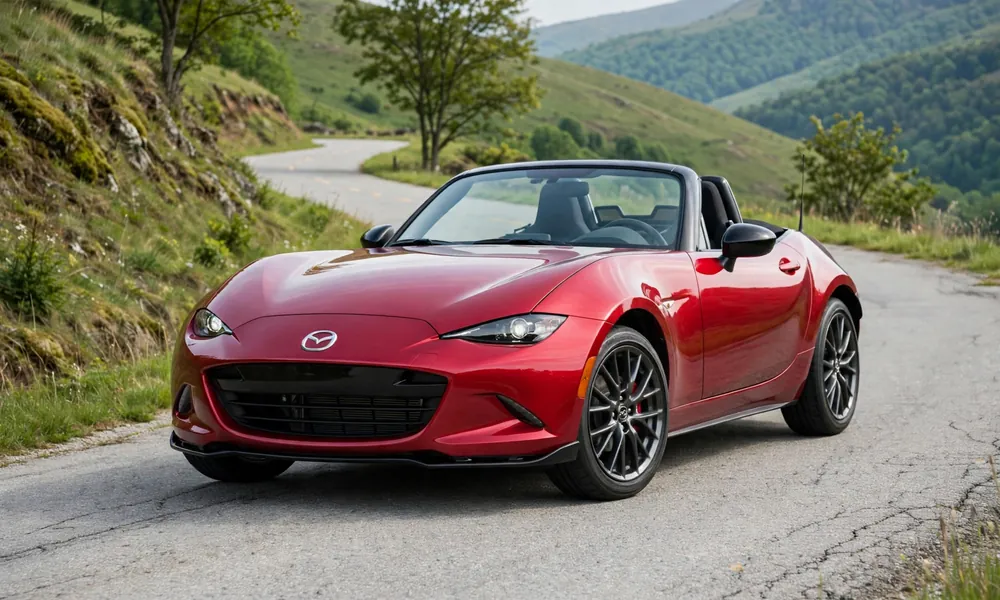
Best for: Lightweight driving enjoyment and convertible motoring.
2. Toyota GR86
The Toyota GR86 is a compact sports coupe developed around rear-wheel drive and a driver-focused layout.
Its relatively lightweight design and balanced chassis appeal to enthusiasts who want to learn car control and enjoy corners rather than focus exclusively on acceleration.
The GR86 offers a more practical enclosed cabin than a convertible, although its rear seats and luggage capacity remain limited compared with ordinary family cars.
Best for: Drivers seeking an accessible, traditional sports-car experience.
3. Subaru BRZ
The Subaru BRZ shares its general sports-car philosophy with the Toyota GR86. It emphasizes rear-wheel-drive handling, a low centre of gravity, and predictable responses. The two models have many similarities, so choosing between them often comes down to styling, trim availability, price, equipment, and personal preference.
The BRZ can suit enthusiasts who want a car for everyday use and occasional track days, provided they budget for tires, brakes, and appropriate maintenance.
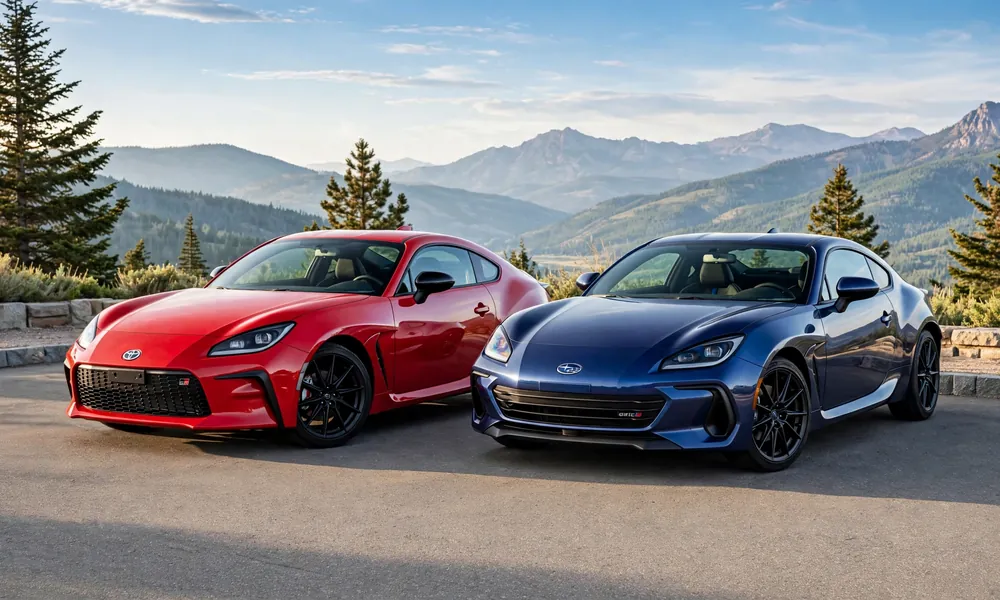
Best for: Handling-focused driving and enthusiast ownership.
4. Ford Mustang
The Ford Mustang is one of the best-known performance cars, combining distinctive styling with a long history of powerful engines and rear-wheel-drive dynamics. Depending on the version, buyers can find different engine outputs, transmissions, suspension setups, and performance equipment. Some trims focus on everyday driving, while higher-performance versions are built for more demanding use.
The Mustang offers more cabin space than many two-seat sports cars, but fuel consumption, tire costs, and insurance can be substantial on powerful versions.
Best for: Drivers who want muscular styling, strong acceleration, and an iconic performance-car identity.
5. Nissan Z
The Nissan Z is a two-door sports coupe with a design that draws on the heritage of earlier Z-series cars. Its turbocharged powertrain and rear-wheel-drive layout give it a performance-oriented character. The coupe format also makes it an alternative to open-top roadsters and larger grand touring vehicles.
As with other powerful rear-wheel-drive cars, buyers should consider tire costs, insurance, fuel use, and how the vehicle behaves in wet conditions.
Best for: Drivers who want a modern Japanese sports coupe with a strong heritage.
6. Chevrolet Corvette
The Chevrolet Corvette is an American performance car that combines dramatic styling with serious acceleration and handling capability. Modern Corvette generations use a mid-engine layout, which changes the car’s balance and proportions compared with older front-engine models. Higher-performance variants add more specialized hardware for demanding driving.
A Corvette can deliver an exotic-car experience, but it also brings higher costs for tires, insurance, servicing, and repairs than a typical commuter vehicle.
Best for: Buyers seeking high performance and supercar-inspired engineering.
7. Porsche 911
The Porsche 911 is a long-running sports-car nameplate known for its distinctive shape, rear-mounted engine layout, and broad range of versions. Some variants balance everyday comfort with strong performance, while others are more focused on track driving. This variety is part of the 911’s appeal: the model family can serve drivers with different expectations and budgets.
Ownership costs can be high, particularly for specialized performance versions, so a careful review of service history and warranty coverage is important when buying used.
Best for: Drivers who want a premium sports car with a wide range of performance options.
8. BMW M2
The BMW M2 is a compact performance coupe that blends everyday usability with a powerful engine and rear-wheel-drive character in relevant versions. Its relatively compact body and performance-focused chassis make it appealing to drivers who want something more aggressive than a standard luxury coupe.
The M2 can work as a daily driver, but its performance tires, brakes, and fuel requirements can make ownership more expensive than that of a conventional compact car.
Best for: Enthusiasts who want a premium, performance-oriented coupe.
9. BMW Z4
The BMW Z4 is a two-seat roadster designed to combine open-air motoring with a premium cabin and sporty handling. Compared with smaller, more basic roadsters, it places greater emphasis on comfort and refinement alongside performance. Equipment and engine choices vary by model year and market.
Its two-seat configuration and limited luggage space make it best suited to individuals or couples rather than families.
Best for: Drivers who want a comfortable premium convertible with sporting character.
10. Lotus Emira
The Lotus Emira is a sports car built around a low-slung design and an emphasis on driver engagement. Its styling and chassis-focused approach appeal to enthusiasts who want something less conventional than mainstream performance coupes. Depending on the version, the powertrain and transmission choices differ.
Buyers should consider dealer access, maintenance arrangements, and replacement-part availability, especially in markets where the brand has a limited service network.
Best for: Enthusiasts looking for a distinctive, handling-focused sports car.
Types of Sport Cars
Not all sports cars are built for the same purpose. Understanding the main categories can narrow your choices before you compare individual models.
| Type | Typical characteristics | Examples |
| Lightweight roadsters | Low weight, open roof, responsive handling | Mazda MX-5 Miata |
| Compact sports coupes | Two-door body, rear-wheel drive in many models | Toyota GR86, Subaru BRZ |
| Muscle-oriented sports cars | Strong acceleration and bold styling | Ford Mustang |
| Premium sports coupes | Refined interiors with high performance | BMW M2, Nissan Z |
| High-performance sports cars | Advanced chassis, powerful engines, higher costs | Chevrolet Corvette |
| Luxury sports cars | Performance combined with premium materials and comfort | Porsche 911 |
| Track-focused sports cars | Specialized brakes, suspension, tires, and aerodynamics | Selected high-performance trims |
| Electric performance cars | Immediate electric torque and battery-powered propulsion | Selected electric performance models |
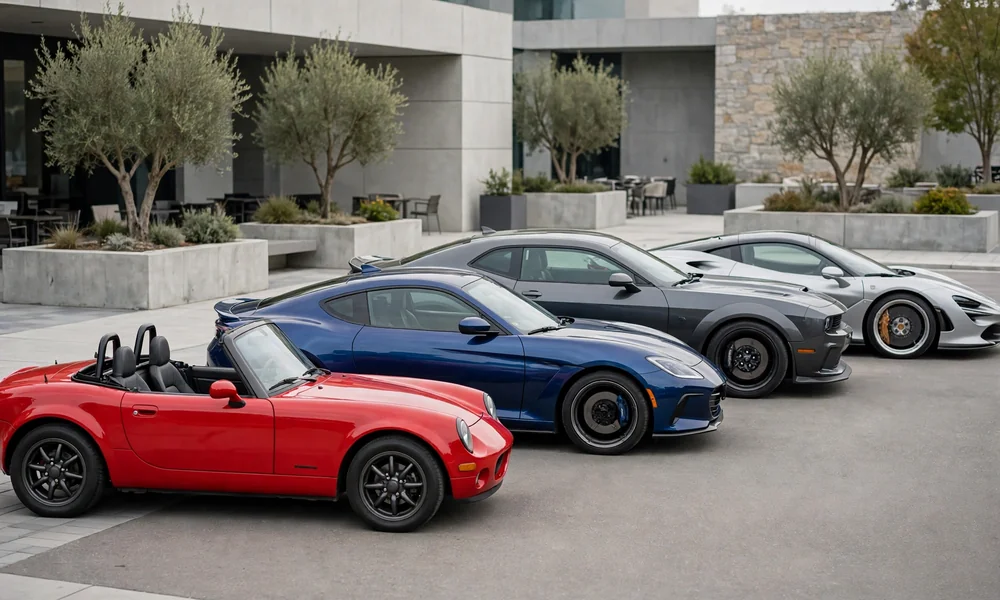
These categories overlap. A car can be comfortable enough for daily commuting while still offering the performance expected of a sports car.
What Makes a Sports Car Fun to Drive?
Horsepower gets attention, but several other factors determine how a sports car feels on the road.
Handling and steering
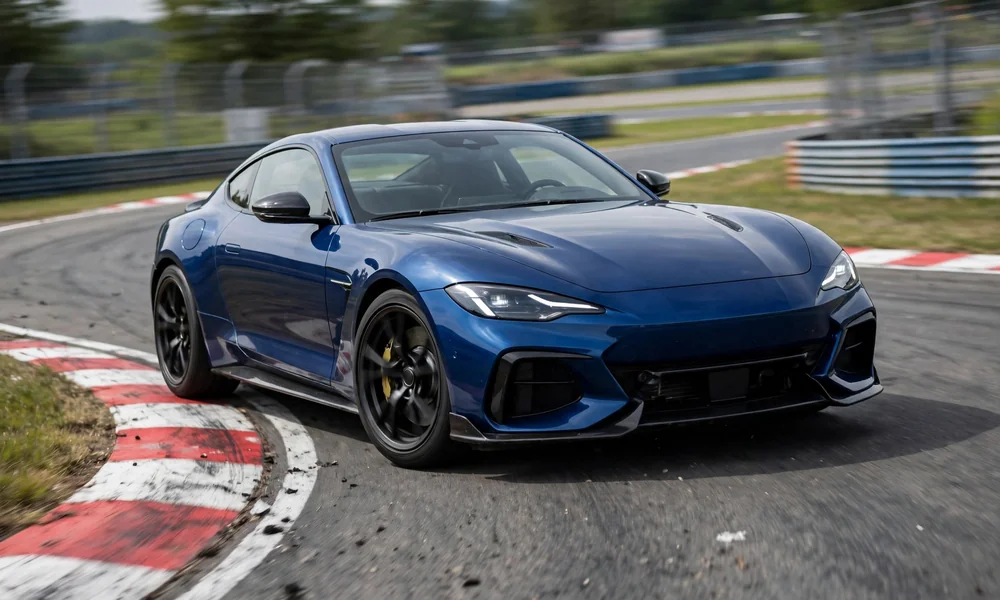
Responsive steering and a well-balanced chassis help a driver understand what the car is doing through a corner. A lightweight vehicle with modest power can feel more engaging than a much heavier car with a substantially larger engine.
Acceleration and power delivery
Acceleration depends on more than engine output. Vehicle weight, gearing, traction, transmission behavior, and tire grip all influence how quickly a car gains speed. Electric performance cars add another dimension because electric motors can deliver strong torque quickly, although battery weight and thermal limits affect overall design.

Braking performance
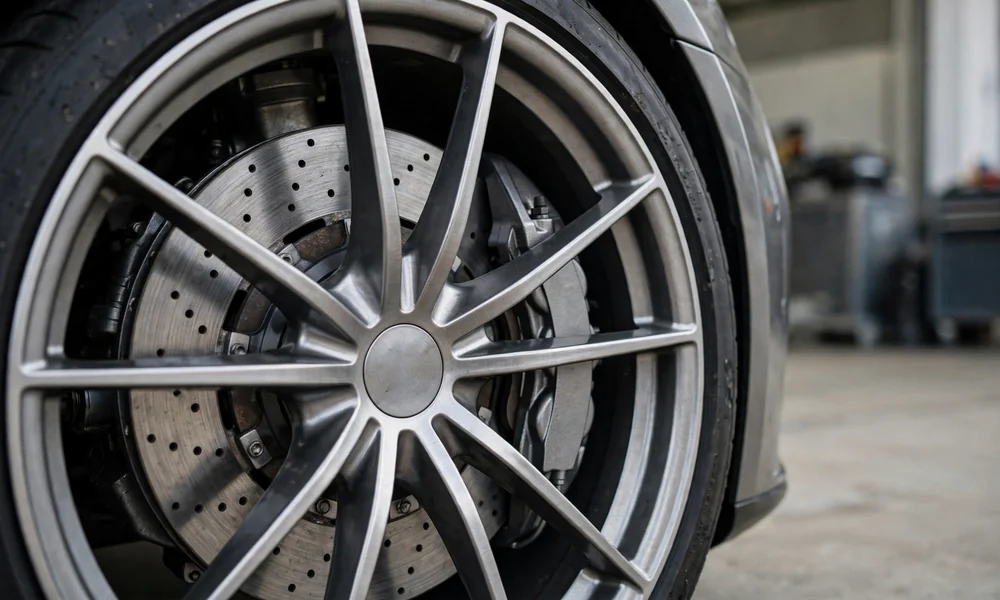
Good brakes allow a sports car to slow predictably and repeatedly. Brake performance depends on the braking system, tires, vehicle weight, and operating temperature. Drivers who intend to use a car on a track should understand that repeated hard braking places more stress on the vehicle than ordinary road driving.
Driving position and feedback
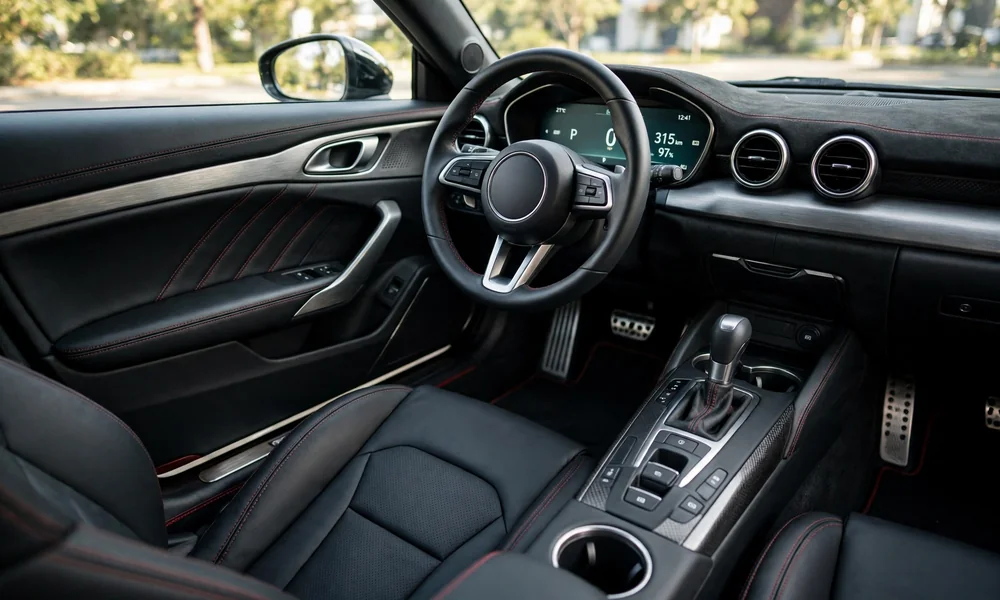
A comfortable seat, clear visibility, well-positioned controls, and useful steering feedback can make a major difference to the driving experience. The best car for one person may feel uncomfortable to another, which is why a test drive matters more than appearance alone.
Are Sport Cars Practical for Everyday Driving?
Some sports cars are surprisingly usable as daily vehicles. They can offer modern safety systems, climate control, smartphone connectivity, and enough comfort for commuting.

However, practical limitations remain.
- Passenger space: Two-seat roadsters cannot carry a family in the same way as a sedan or SUV.
- Luggage capacity: Small trunks may be inconvenient for long trips.
- Ride comfort: Firm suspension can feel harsh on broken roads.
- Ground clearance: Low front ends may struggle with steep driveways or road obstacles.
- Fuel or energy costs: Performance driving often increases consumption.
- Insurance and maintenance: Specialized components can be expensive to replace.
In places with uneven roads, crowded streets, or limited access to specialist workshops, these factors deserve extra attention.
How Much Do Sport Cars Cost?
Sports-car prices range from relatively accessible enthusiast models to premium vehicles costing several times as much. The price depends on the model, engine, equipment, production year, condition, and country. Taxes and import duties can dramatically change the cost of a vehicle sold internationally.
A sensible budget should include more than the purchase price:
- Insurance and registration.
- Fuel or electricity.
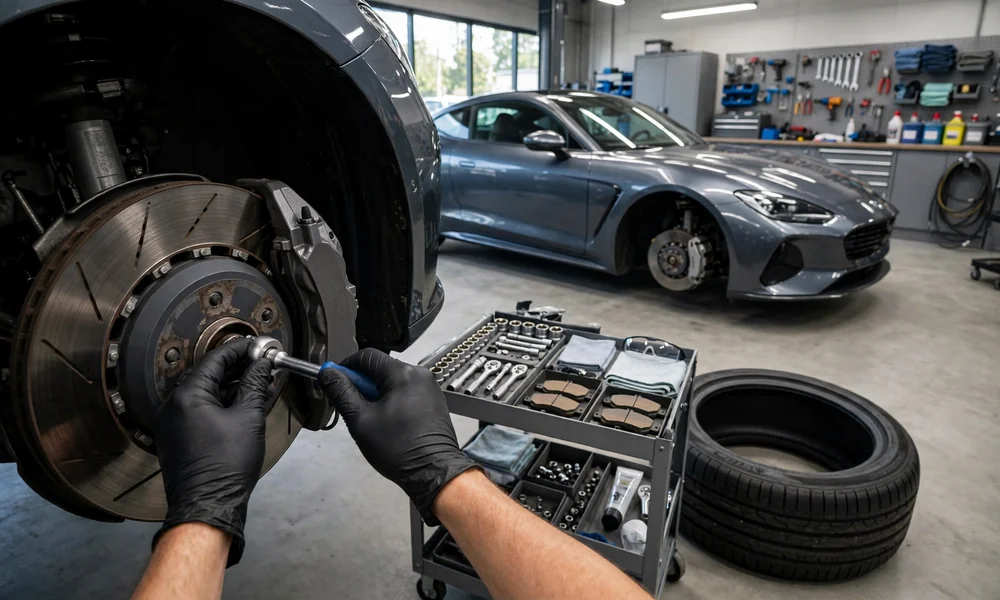
- Tires and brake components.
- Scheduled servicing and unexpected repairs.
- Financing costs, where applicable.
- Secure parking and storage.
- Depreciation and resale value.
A used sports car may be affordable to purchase but expensive to maintain if it has a poor service history or requires specialized parts.
Buying a Sport Car in Pakistan
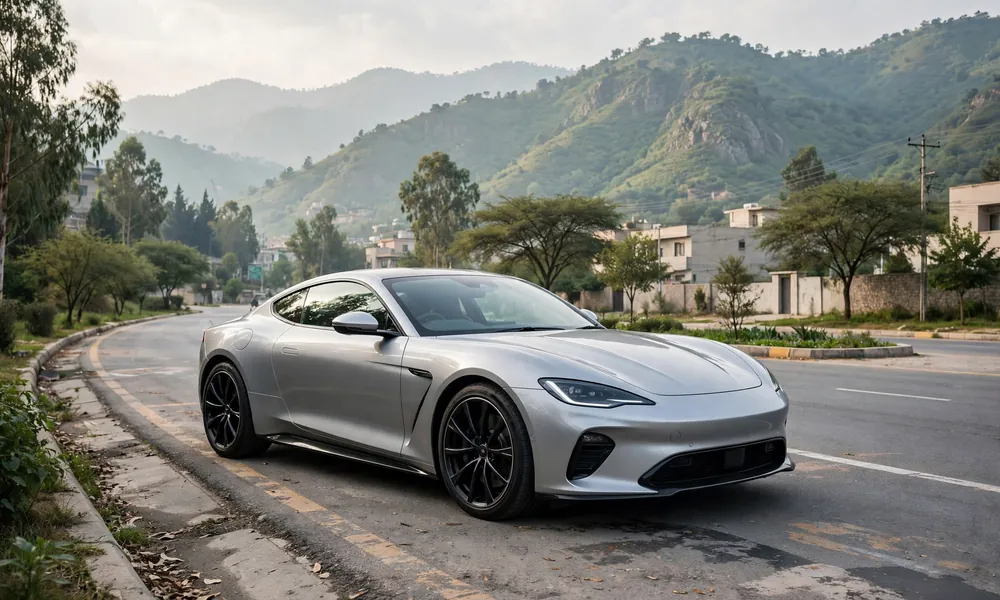
For buyers in Pakistan, model availability and maintenance support are especially important when considering imported sports cars. Some popular international models may only be available through importers or the used-car market. Their final prices can differ substantially from prices advertised in their country of origin. Before buying, verify the vehicle’s import and registration documents, inspect the chassis and body for accident repairs, and arrange an independent mechanical inspection.
Also check whether the engine, transmission, electronic systems, and performance components can be serviced locally. Replacement tires and specialized parts may be expensive or difficult to source for uncommon models.
For daily driving, consider ground clearance, road conditions, fuel quality requirements, and the availability of secure parking. These practical details can have a greater impact on ownership satisfaction than a car’s headline performance figures.
How to Choose the Right Sport Car
Start by identifying what you want from the experience. If you enjoy winding roads and open-top driving, a lightweight roadster may be ideal. If you want a more traditional coupe, the GR86, BRZ, or Nissan Z offer different approaches to performance. Drivers seeking stronger acceleration and a bold presence may prefer the Mustang, while those prioritizing premium engineering may consider a Porsche 911 or BMW M2.
Then compare the exact versions available to you. Engine specifications, transmission choices, safety equipment, and warranty coverage can differ by model year and region. Finally, take a test drive and evaluate visibility, seat comfort, ride quality, parking practicality, and the cost of ownership. The right sports car should be exciting without becoming a financial or practical burden.
Final Verdict
Sport cars offer a distinctive mix of performance, handling, design, and driving enjoyment. From the playful Mazda MX-5 Miata to the powerful Chevrolet Corvette and refined Porsche 911, there is no single formula for a great sports car.
The best choice depends on how you drive, how much you want to spend, and whether you value lightweight handling, straight-line acceleration, luxury, or everyday usability. Compare the complete ownership costs, inspect the specific vehicle carefully, and choose a model that makes every drive more enjoyable without compromising your practical needs.
Expert Advice for Choosing the Right Sports Car:
Choosing the right sports car requires more than comparing horsepower figures or exterior styling. Buyers should evaluate official manufacturer specifications, safety information, maintenance requirements, and the condition of the specific vehicle before making a decision.
For used and imported models, a documented service history and an independent mechanical inspection can help identify potential problems. Following these used car buying tips can help you make a more informed decision. Because specifications, availability, and ownership costs vary by model year and market, verify important details with manufacturers, authorized dealers, and qualified automotive professionals before purchasing.
Frequently Asked Questions
What is the best sport car?
There is no single best sports car for every driver. The Mazda MX-5 Miata is known for lightweight handling, the Toyota GR86 and Subaru BRZ focus on driving balance, and models such as the Porsche 911 and Chevrolet Corvette offer more premium or high-performance experiences.
What is the difference between a sports car and a supercar?
A sports car generally emphasizes driving enjoyment and handling. A supercar usually occupies a more exclusive, high-performance category with advanced engineering, dramatic styling, and a substantially higher price. The distinction is not absolute, and some sports cars approach supercar performance.
Are sports cars expensive to maintain?
They can be. Performance tires, brakes, specialized parts, insurance, and fuel costs may be higher than those of ordinary cars. Actual expenses depend on the model, condition, location, and driving habits.
Can a sports car be a daily driver?
Yes. Some sports cars offer reasonable comfort and modern technology for daily use. Before buying, consider passenger space, luggage capacity, ride quality, ground clearance, and local road conditions.
Are sports cars safe?
Safety varies by model, year, equipment, and condition. Buyers should review crash-test results where available, verify safety features, maintain tires and brakes properly, and drive within legal limits. High performance does not make a car safer at excessive speeds.
Are electric sports cars available?
Yes. Electric vehicles can deliver strong acceleration and sophisticated performance. However, driving feel, battery range, charging access, vehicle weight, and charging time vary by model.
Disclaimer:
This article is provided for general informational and educational purposes only and does not promote or endorse any product, service, brand, or individual. Details may change, and no guarantee is made regarding completeness or accuracy.
What is the best sport car?

