You spot a used Corolla for sale that looks almost perfect. The photos are clean, the mileage seems reasonable, and the price feels tempting. Then comes the question that matters: Is this actually a reliable car, or does it only look good online?
That is where buying a used Toyota Corolla gets interesting. A low price does not automatically mean a good deal, and a newer model does not guarantee better condition. Maintenance history, accident records, mileage, mechanical condition, and paperwork can matter just as much as the model year.
At chevysuv, we believe a smart used-car decision starts with evidence, not an attractive advertisement.
Whether you are searching locally or comparing vehicles from different sellers, this guide will help you assess the car, compare its value, identify warning signs, and decide whether a particular Corolla deserves your money.
AI Overview: How to Find a Reliable Used Corolla
The best used Toyota Corolla is not necessarily the newest or cheapest one. Look for a vehicle with verifiable ownership, consistent mileage, documented maintenance, no serious structural damage, and a price that matches its condition. Before buying, check the VIN, inspect the body and mechanical components, complete a road test, check for outstanding recalls where applicable, and arrange an independent inspection.
Key Takeaways
- Compare several similar Corolla listings before making an offer.
- Verify the VIN, ownership documents, and vehicle history.
- Treat unusually low mileage as something to verify, not automatically a benefit.
- Look carefully for accident repairs, repainting, welding, corrosion, and flood damage.
- Test the engine, transmission, steering, suspension, brakes, air conditioning, and electronics.
- Check the vehicle for open safety recalls using the appropriate official database for your market.
- Compare the used price with similar cars and, for newer vehicles, the cost of buying new.
- Use inspection findings rather than seller claims to negotiate.
What Makes a Used Corolla Worth Buying?
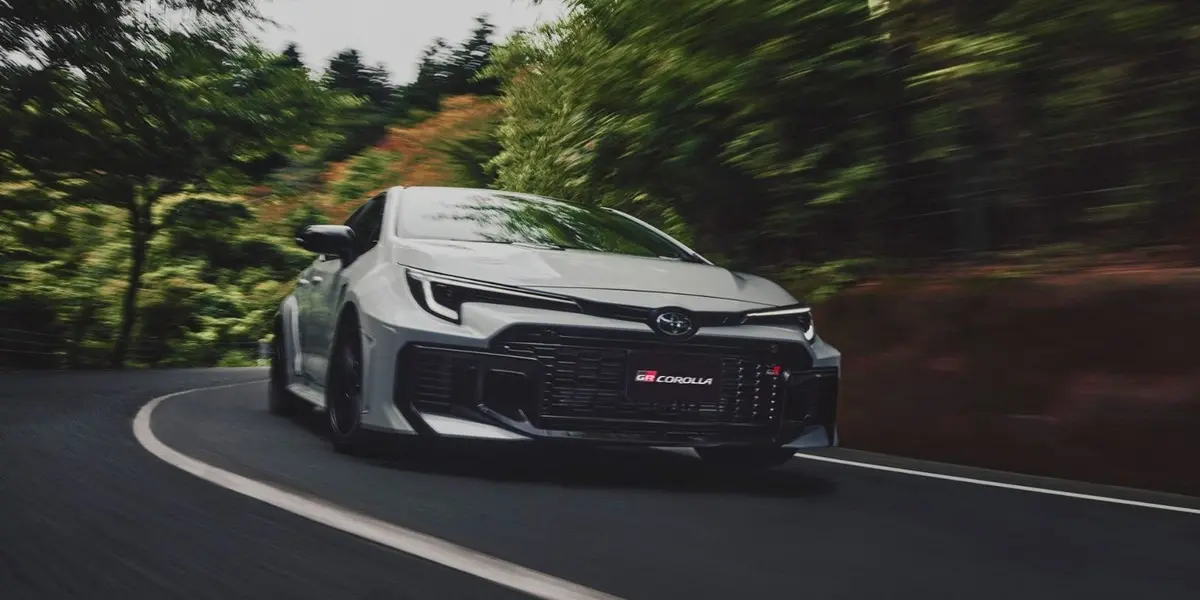
A good used Corolla is a combination of condition, history, price, and suitability.
The model year is only one part of that equation. Two Corollas of the same year can have very different histories because one may have been carefully maintained while the other has suffered accident damage or neglected servicing.
Start by asking four basic questions:
- Is the car’s history believable?
- Is its mechanical condition sound?
- Are the documents and VIN consistent?
- Is the asking price reasonable for this particular vehicle?
If the answer to all four is yes, you have a much stronger candidate.
How to Search for a Used Corolla for Sale
Online listings are useful because they allow you to compare multiple cars before visiting them.
Search by model year, trim, mileage, transmission, location, and condition rather than searching only for the lowest price.
Save several comparable listings. Record their asking prices and note differences in mileage, equipment, ownership history, and visible condition.
A search for Toyota Corolla for sale near me can help you find cars that are convenient to inspect, but location should not become your main buying criterion.
A well-maintained Corolla slightly farther away can be a better purchase than a questionable example sitting around the corner.
Don’t Judge a Car From Photos
Photos can help you shortlist a vehicle, but they cannot confirm its mechanical condition.
Look at the pictures for obvious mismatched panels, inconsistent paint, damaged wheels, worn interiors, or warning lights on the dashboard.
Then treat everything else as unverified until you inspect the car in person.
Which Used Corolla Is Right for You?
The Corolla has been sold in different body styles, engines, transmissions, and specifications across markets and model years.
That means you should compare the specific version, rather than assuming every Corolla is mechanically or technologically identical.
| What you prioritize | What to look for |
| Lower purchase cost | Older, well-maintained examples |
| Modern safety technology | Newer model years and verified equipment |
| Lower mileage | Documented mileage and service history |
| Driving convenience | Automatic or CVT condition |
| Practical everyday use | Sedan or hatchback depending on your needs |
| Maximum equipment | Higher trims with verified features |
| Long-term ownership | Maintenance records and mechanical condition |
A higher trim can offer more equipment, but equipment should never distract you from poor mechanical condition.
Likewise, a low-mileage vehicle is not automatically better if its history is incomplete.
How to Inspect a Used Toyota Corolla Before Buying

This is the part of the process where you can save yourself the most trouble.
1. Verify the VIN
Start with the vehicle identification number.
The VIN should correspond with the vehicle’s documentation and the physical car. In markets where official VIN-based recall tools are available, use the VIN to check for outstanding safety recalls.
For example, the U.S. National Highway Traffic Safety Administration’s recall system allows you to search a vehicle using its 17-character VIN and identify unrepaired recalls.
If you are buying outside the U.S., use the appropriate government or manufacturer recall system for your market.
2. Check the Ownership Documents
Review the registration and ownership information carefully.
Check whether the seller is authorized to sell the vehicle and whether the vehicle identification details match the paperwork.
For imported or previously registered vehicles, also verify the relevant import, title, or registration records.
3. Study the Vehicle History
A history report can reveal information that photographs cannot.
Look for reported accidents, title issues, previous ownership, service records, mileage entries, and other available history.
However, a clean report should not replace a physical inspection. Not every incident or repair necessarily appears in every history database.
4. Inspect the Body
Walk around the entire vehicle in good daylight.
Look for differences in paint shade, uneven panel gaps, overspray, dents, corrosion, cracked lights, and signs that panels have been replaced.
Pay particular attention to structural areas.
Welding, unusual repairs around pillars or rails, or evidence of serious chassis damage deserves professional investigation.
Check the Engine From Cold
Ask the seller not to warm up the vehicle before you arrive.
A cold start gives you a better opportunity to notice hard starting, unusual noises, excessive smoke, rough running, or warning lights.
Once the engine is running, look for leaks and listen for sounds that do not seem normal.
Do not diagnose a major mechanical problem from one sound alone. If something concerns you, have a qualified technician inspect it.
Test the Transmission Properly
Take the car on a real road test rather than moving it around a parking lot.
For a manual Corolla, check clutch engagement, gear selection, and unusual noises.
For an automatic or CVT-equipped Corolla, pay attention to delayed engagement, shuddering, harsh operation, slipping sensations, inconsistent acceleration, or warning lights.
A transmission problem can turn an attractive purchase into an expensive one, so questionable behavior deserves professional attention.
Don’t Forget Suspension, Steering and Brakes
Drive over different road surfaces where it is safe to do so.
Listen for suspension knocks and check whether the car pulls to one side. Pay attention to steering feel and vibration.
During braking, look for unusual noise, vibration, or inconsistent pedal behavior.
Also inspect the tyres for uneven wear. Uneven wear can sometimes point toward alignment, suspension, or other underlying problems.
Test the AC and Electrical Equipment
A used Corolla should be checked as a complete vehicle, not just as an engine and gearbox.
Test the air conditioning, lights, windows, locks, infotainment, camera, sensors, dashboard displays, and other installed equipment.
Make sure warning lights behave normally after startup.
Small electrical problems may not make the vehicle undriveable, but they can still affect the value of the car and your ownership costs.
How Can You Tell If Corolla Mileage Is Genuine?
Mileage should always be considered alongside evidence.
Compare the odometer reading with available service invoices, inspection records, vehicle-history information, tyre condition, seat wear, steering-wheel condition, and pedal wear.
A low odometer reading combined with heavy wear does not automatically prove fraud, but it gives you a reason to investigate further.
The same principle applies to a high-mileage Corolla. High mileage does not automatically make a car bad if its history and maintenance are well documented.
Why an Independent Inspection Is So Important
A seller’s description is not an inspection.
An independent mechanic can evaluate the vehicle without having the same financial interest as the seller.
Ask the inspector to focus on the engine, transmission, suspension, brakes, cooling system, body structure, electrical systems, tyres, and signs of previous accident repair.
The inspection should also give you a clearer idea of immediate maintenance needs.
That information can be more valuable than spending hours negotiating over a small difference in the asking price.
Used Corolla vs New Corolla: Which Makes More Sense?
A newer used Corolla is not automatically the better financial choice.
When you find a relatively new example, compare it with the price of an equivalent new vehicle in your market.
Consider the complete cost rather than just the advertised number. Taxes, registration, financing, insurance, dealer fees, delivery, and availability can all affect the comparison.
A nearly new used Corolla may still make sense if the overall deal is attractive.
But if the used vehicle is priced extremely close to a new one, you should understand exactly what you are gaining by choosing it.
What Safety Information Should You Check?
Safety equipment can vary by model year, body style, trim, and market.
Do not assume that every Corolla has identical safety technology.
For example, the Insurance Institute for Highway Safety currently rates the 2026 Corolla sedan separately from the hatchback, and its ratings show differences across individual crash tests and safety systems.
The 2025 Corolla received an IIHS Top Safety Pick designation, while specific ratings vary by test and configuration.
Older vehicles can also have substantially different safety equipment. IIHS, for example, lists different side-impact results for a 2006 Corolla depending on whether optional side airbags were fitted.
For a used vehicle, check the exact year and configuration rather than relying on the Corolla name alone.
Three Checks Many Used-Car Buyers Miss
Compare the Seller’s Story With the Car
If the seller says the vehicle has original paint, inspect the panels.
If they claim very low mileage, compare the odometer with the service history and interior wear.
If they say the car has never been damaged, inspect structural areas and consider a professional inspection.
The vehicle itself should support the story.
Calculate the First-Year Cost
The purchase price is not your complete cost of ownership.
Consider tyres, fluids, brakes, scheduled maintenance, suspension repairs, insurance, registration, and any work identified during inspection.
A slightly more expensive car in excellent condition can sometimes be a better financial decision than a cheaper car requiring immediate repairs.
Check Recalls Before You Buy
A recall does not automatically mean you should reject a vehicle.
What matters is whether the issue applies to that specific vehicle and whether the required repair has been completed.
In the U.S., NHTSA Safety Recall Lookup Tool says its VIN search can identify unrepaired recalls associated with a specific vehicle.
For other countries, check the relevant official source.
Common Mistakes to Avoid
Do not buy a Corolla simply because the photographs look impressive.
Do not assume low mileage means low risk.
Do not skip the inspection because the seller seems trustworthy.
Do not compare cars from different years and trims as though they are identical.
Do not ignore transmission symptoms during the test drive.
Do not pay a premium for optional equipment while overlooking accident damage.
And do not let a seller pressure you into making a decision before you have verified the vehicle.
Dealer or Private Seller: Which Should You Choose?
Both options can work.
A dealer may offer more vehicles to compare and may provide additional transaction services. A private seller may give you more direct access to the car’s ownership and maintenance history.
Neither option automatically guarantees a better vehicle.
Your protection comes from verification: documents, history, inspection, road test, and a safe transaction.
Who Should Buy a Used Corolla?
A pre-owned Corolla can suit you if you want a practical everyday car and prefer to spend less than the cost of an equivalent new vehicle.
It can also appeal to buyers who value a familiar model with a long history and a wide range of used examples to compare.
The right choice depends on the individual car rather than the badge alone.
Who Should Avoid a Particular Used Corolla?
Walk away from a specific vehicle if its history cannot be reasonably verified.
You should also reconsider it if the seller refuses an independent inspection, the VIN or documents do not match, serious structural damage is suspected, or the price does not make sense compared with cleaner alternatives.
There will always be another used car.
You do not need to make a questionable one work.
Practical Application: How to Buy the Right Corolla
When you find a used corolla for sale, follow this process.
Step 1: Set your complete budget.
Leave room for taxes, registration, inspection, insurance, maintenance, tyres, and immediate repairs.
Step 2: Build a shortlist.
Compare several Corollas with similar years, trims, mileage, and specifications.
Step 3: Request the VIN and documents.
Do this before spending significant time travelling to inspect the car.
Step 4: Check the history.
Look for accident records, ownership information, service records, mileage history, and recalls where applicable.
Step 5: Inspect the exterior.
Check paint, panels, glass, wheels, lights, corrosion, welding, and structural areas.
Step 6: Inspect the mechanical components.
Check the engine, transmission, cooling system, suspension, steering, brakes, tyres, AC, and electronics.
Step 7: Complete a proper road test.
Drive long enough to notice transmission behavior, steering, braking, suspension, temperature, and unusual noises.
Step 8: Get an independent inspection.
Have a qualified professional assess anything you cannot confidently evaluate yourself.
Step 9: Compare the evidence with the price.
Use comparable listings and documented defects when negotiating.
Step 10: Complete the transaction safely.
Verify ownership and payment procedures before transferring money or taking possession.
Final Used Corolla Checklist
Before buying, make sure you have checked:
- VIN and vehicle identity
- Ownership documents
- Vehicle history
- Recall status
- Mileage evidence
- Accident history
- Body and paint
- Structural areas
- Engine
- Transmission
- Cooling system
- Suspension
- Steering
- Brakes
- Tyres
- Air conditioning
- Electrical equipment
- Test-drive performance
- Independent inspection
- Asking price against comparable vehicles
- Total ownership costs
- Safe payment and transfer procedures
Conclusion
Finding a used corolla for sale is easy. Finding one that still makes sense after you examine its history, condition, and true ownership cost is the harder part.
That is why chevysuv approaches used-car buying from the evidence first. A clean advertisement may get your attention, but the VIN, maintenance records, inspection, road test, and vehicle history should determine whether you keep considering the car.
Do not rush because a seller says someone else is interested. A good used Corolla should survive careful questions and a proper inspection.
The best deal is not necessarily the cheapest Corolla or the newest one. It is the car whose condition, history, and price still make sense when you look beyond the photographs.
FAQ
What should I look for when buying a used Toyota Corolla?
Check the VIN, history, mileage, documents, and accident records. Then inspect the engine, transmission, brakes, tyres, and body.
How do I know if a used Corolla is reliable?
Look for good maintenance records, verified mileage, and clean documentation. Always take it for a test drive and consider an independent inspection.
How can I check if a Corolla has been in an accident?
Look for mismatched paint, uneven panels, welding, and replaced parts. A vehicle-history check and professional inspection can reveal more.
How can I verify Corolla mileage?
Compare the odometer with service records, history reports, tyre wear, and interior condition. If the records do not match, treat the mileage with caution.
Is a low-mileage Corolla always better?
No. Low mileage does not guarantee good condition. Maintenance and overall vehicle history matter just as much.
Should I buy a used Corolla from a dealer or private seller?
Either can be a good option. Verify the car’s condition, documents, and history before paying.
Should I get a used Corolla inspected?
Yes. An independent inspection can find mechanical, structural, and electrical problems before you buy.
How do I check for recalls on a used Corolla?
Use the official recall database for your country and search with the vehicle’s VIN. Check whether any outstanding safety repairs remain.
Is an older Corolla still worth buying?
Yes, if it has a good history and is in sound condition. Compare its repair needs and total cost with newer alternatives.