Key Takeways
- Reliability varies significantly by model year
- Avoid 1999, 2007–2009, and 2015 due to major issues
- Best years: 2006, 2012–2014, 2018–2020
- Common issues: AFM lifter failure, transmission shudder
- Inspection is critical before buying used Tahoe
The Chevrolet Tahoe is a staple of American roads, known for hauling families, towing boats, and enduring high miles. But if you are in the market for a pre-owned full-size SUV, shopping blindly can be an expensive mistake.
While some production eras can easily clear 250,000 miles with basic maintenance, other years are plagued by transmission failures, costly engine problems, and massive repair bills. Knowing the core chevy tahoe problems by model year is the absolute best way to protect your wallet.
As a general rule, the absolute worst years to avoid are 1999, 2004, 2005, 2007, 2008, 2009, and 2015. On the flip side, the best, most dependable used models to look for are 2006, 2012, 2013, 2014, and 2018 through 2020.
At ChevySUV, we want to help you sort the mechanical gems from the lemons. This detailed breakdown covers exactly what goes wrong in the worst production runs, which model years are a safe bet, and what specific mechanical warning signs you need to look out for during a test drive.
AI Overview
Chevy Tahoe reliability varies by model year. Avoid 1999, 2004–2005, 2007–2009, and 2015 due to engine, transmission, AFM lifter, oil consumption, and electrical issues. Best picks are 2006, 2012–2014, and 2018–2020 for durable drivetrains and fewer failures. Common problems include AFM lifter collapse, transmission shudder, 4WD faults, and cracked dashboards. Inspection is essential.
Chevy Tahoe Reliability by Year: Quick Reference Guide
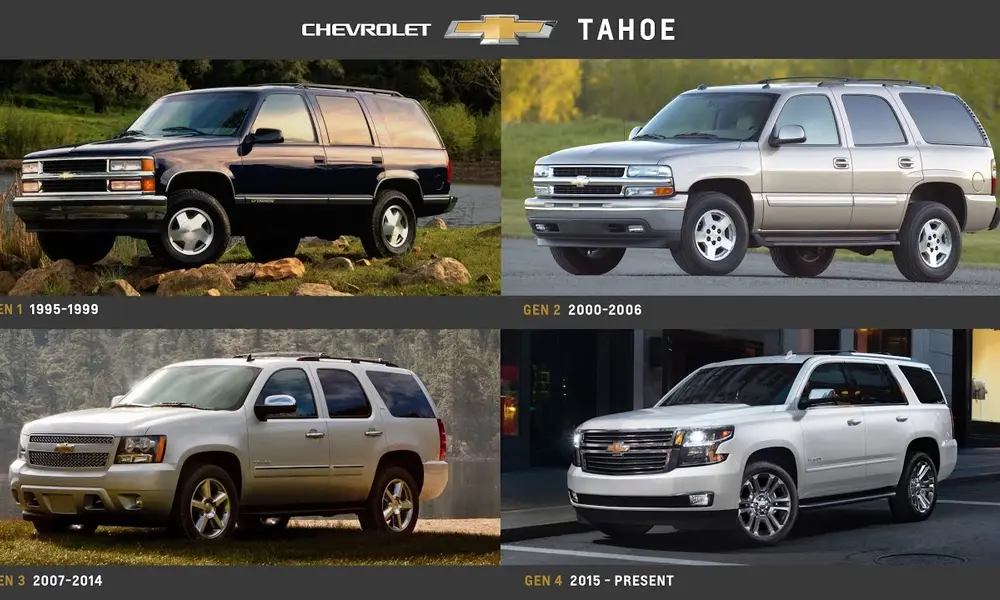
To make your shopping journey easier, we compiled owner complaints, national safety data, and technician reports into a quick-reference chart. This gives you a clear birds-eye view of how specific eras hold up before we jump into the technical details.
|
Model Year Range |
Reliability Status | Primary Concerns to Keep in Mind |
| 1995–1998 | Highly Reliable |
High mileage wear, old age component rot |
|
1999 |
Avoid | Blown intake gaskets, sudden power loss |
| 2000–2003 | Average |
Failing fuel pumps, erratic gauge clusters |
|
2004–2005 |
Avoid | Broken speedometers, cracked dashboards |
| 2006 | Highly Reliable |
Minor accessory wear, highly stable drivetrain |
|
2007–2009 |
Avoid | Extreme oil consumption, lifter failure |
| 2010–2011 | Average |
Early AFM sensor issues, minor oil use |
|
2012–2014 |
Highly Reliable | Very stable powertrain, solid build quality |
| 2015 | Avoid |
Complete transmission failure, AC leaks |
|
2016–2017 |
Average | Failing AC condensers, shifting hesitation |
|
2018–2020 |
Highly Reliable |
Minor electronics glitches, very strong |
| 2021–Present | Average |
Lifter failures on early 5.3L & 6.2L engines |
The Worst Chevy Tahoe Years to Avoid
If you see these particular models listed for sale online, proceed with extreme caution. The prices might look incredibly tempting, but they often carry deep hidden mechanical defects that end up costing thousands to fix later on.
2007–2009 Models: The Dangerous Active Fuel Management Era
The 2007 model year holds the unfortunate title of the most complained-about Tahoe ever built. This era marked the launch of the third-generation redesign, and with it came the introduction of Active Fuel Management (AFM). This system shuts down four of the eight cylinders during light highway driving to save fuel.
Unfortunately, the early execution of this design caused severe tahoe 5.3 problems. The lifters in the cylinder deactivation system frequently collapsed, causing the engine to misfire, idle rough, and eventually self-destruct.
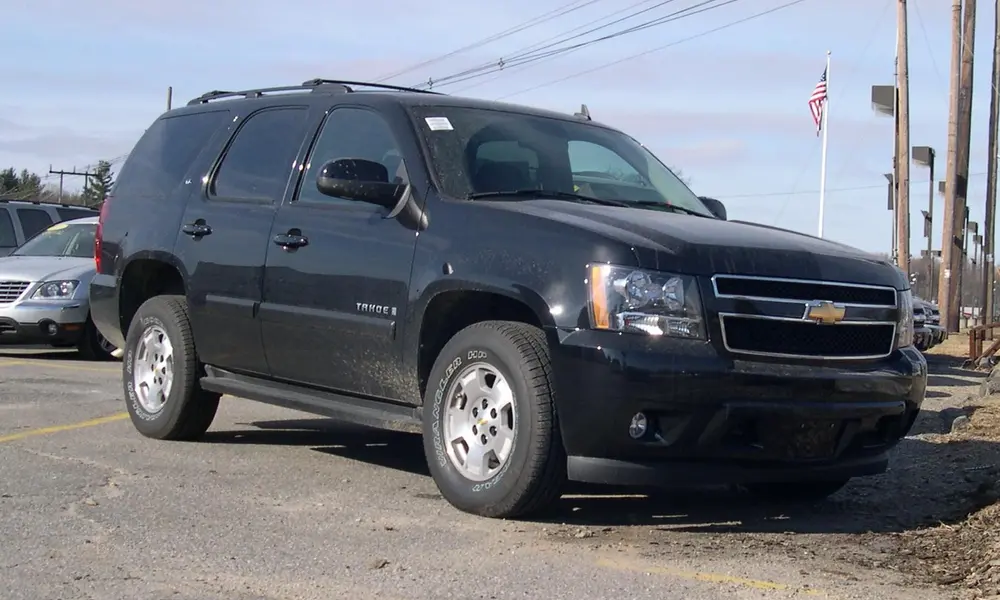
Even worse, these engines suffer from horrific oil consumption. The oil pressure drop caused by AFM allows motor oil to bypass the piston rings and burn off in the combustion chamber. Owners often find their oil dipsticks completely dry without a single puddle showing up on the driveway.
If you run out of oil between changes, it can ruin the internal bearings and destroy the motor. Combined with cheap interior plastics that cause badly cracked dashboards, the 2007, 2008, and 2009 models are massive risks.
2015 Model: Redesign Growing Pains
When the fourth-generation Tahoe launched in 2015, it arrived with a beautiful new body line and an upgraded cabin. But underneath that shiny sheet metal hid serious mechanical headaches. The 2015 model year accumulated over a thousand complaints submitted to the National Highway Traffic Safety Administration (NHTSA).
The biggest issue with this year is widespread tahoe transmission problems. The 6L80 6-speed automatic transmission is prone to overheating due to a faulty thermal bypass valve. The torque converter frequently breaks apart internally, sending sharp metal shards throughout the entire system. This clogs the fluid lines and causes complete mechanical failure, usually demanding a full transmission replacement costing anywhere from $5,000 to $7,000.
In addition, the 2015 model suffers from air conditioning lines that crack near the condenser, causing the system to blow hot air right in the middle of summer. Defective electronic brake boosters also cause a stiff brake pedal, which significantly increases your stopping distances.
1999, 2004, and 2005 Models: Electrical and Intake Flaws
Going a bit further back, the 1999 model stands out as a weak spot for the first generation due to faulty intake manifold gaskets that cause coolant to leak into the combustion chambers.
Meanwhile, the 2004 and 2005 models are notorious for frustrating electrical issues. The stepper motors behind the instrument cluster fail regularly. This causes the fuel gauges, oil pressure readouts, and speedometers to lock up completely or give wildly wrong readings. Driving down the highway without knowing your actual speed or fuel level is a major safety hazard.
The Best Chevy Tahoe Years to Buy Used
If you want a dependable full-size rig that won’t live at the repair shop, you should focus your search on these specific, proven production windows.
2006 Model: The Peak of Generation Two
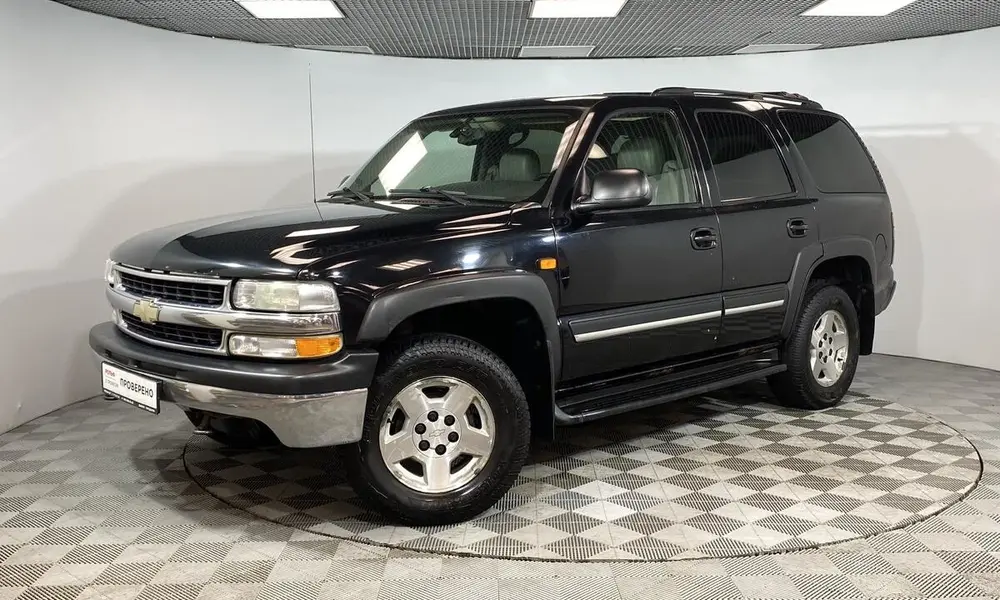
If you are shopping on a tight budget, the 2006 Tahoe is an absolute legend among truck fans. This was the final year of the second-generation body style. By this time, GM had completely ironed out the mechanical quirks of the platform.
The 5.3-liter V8 engine used in 2006 does not have the complicated cylinder deactivation systems found in later years. It is a simple, incredibly durable iron-block motor that regularly cruises past 300,000 miles with simple oil and filter changes.
2012–2014 Models: Perfecting the Third Gen
While the 2007 through 2009 models were a total mess, GM spent the next few years heavily updating the platform. By 2012, engineers completely redesigned the oil deflector shields and piston rings inside the motor, which successfully resolved the severe oil consumption issues. T
he 2012, 2013, and 2014 models offer excellent build quality, a highly stable six-speed automatic transmission, and a very reliable powertrain.
2018–2020 Models: The Cleanest Modern Choice
For buyers wanting modern tech features like Apple CarPlay, modern safety sensors, and push-button start, the end of the fourth generation is the sweet spot. The 2018, 2019, and 2020 models have great reliability marks.
The traditional tahoe transmission problems that ruined the 2015 models were fixed with a much better fluid cooling design and an optional, highly robust 10-speed automatic transmission. These late-model options give you a premium cabin experience without the high risk of catastrophic breakdown.
Most Common Chevy Tahoe Problems Across All Generations
No matter which model year you ultimately decide to bring home, there are a handful of recurring tahoe common issues that pop up across the entire production history. Keep an eye out for these specific failure points during your inspection process.

1. Active Fuel Management (AFM) Failure
This is the single biggest issue affecting models built from 2007 through 2019. The special lifters required for cylinder deactivation can easily stick or collapse. When a lifter fails, it prevents the intake or exhaust valves from opening properly, which bends the pushrod and causes a harsh engine knock.
If you catch this problem early, you can replace the lifters. But if a valve drops directly into the cylinder, it will instantly ruin the entire engine block.
2. Transmission Shudder and Overheating
Whether dealing with the older 6-speed or early 8-speed automatic gearboxes, many owners report a noticeable transmission shudder around 45 to 65 mph.
This is often caused by excessive heat breaking down the friction properties of the transmission fluid. Left unaddressed, the internal clutch packs slip and quickly burn out.
3. “Service 4WD” Dashboard Warnings
If you are looking at a four-wheel-drive model, it is very common to see a “Service 4WD” warning message light up on the driver display.
Luckily, this is rarely a sign of a broken transfer case. Instead, the root cause is almost always a failing dashboard selector switch or a cracked encoder motor sensor down on the transfer case housing. Water gets past the seals over time and shorts out the low-voltage circuitry.
4. Cracked Dashboards and Interior Wear
While it won’t leave you stranded on the side of the road, cosmetic build quality is a major weak spot for the Tahoe line. Models built between 2007 and 2014 feature a brittle plastic dashboard design that frequently cracks right over the passenger airbag seam or near the main instrument cluster instrument pod. It is an eyesore that is quite expensive to fix properly because it requires removing the entire front interior assembly.
5 Critical Inspection Tips for Buying a Used Chevy Tahoe
To ensure your next ChevySUV purchase stays on the road for years to come, use this specialized checklist before you hand over any money.
- Pull the Service History and Check the Oil Level: Before you even turn the key, pull the engine dipstick. If the oil level is low, or if the oil looks as thick as tar, the previous owner likely neglected their maintenance. This is a massive red flag for any V8 engine equipped with AFM.
- Listen Closely for Cold Start Ticking: Start the truck with the hood open when the engine is completely cold. Listen for any faint metallic ticking or clicking noises coming from the top of the motor. A loud click that doesn’t disappear within a few seconds is a classic warning sign of a collapsing valve lifter.
- Watch the Tachometer on the Highway: During your test drive, cruise at highway speeds and monitor the tachometer needle. If the needle jumps up and down erratically, or if you feel a strange vibration that feels like driving over rumble strips, the transmission torque converter is slipping.
- Cycle the 4WD System Multiple Times: Park the vehicle, shift into neutral, and switch the 4WD system through every single mode (2WD, 4WD High, and 4WD Low). Make sure the transfer case engages smoothly without making any loud clunking sounds or lighting up service errors on the dashboard.
- Inspect the Dashboard and Door Controls: Press every single window switch and lock button inside the cabin. The power door lock actuators are known to burn out across multiple model generations, leaving individual doors completely unlocked.
Frequently Asked Questions
What are the worst Chevy Tahoe years to avoid?
Based on historical consumer data and repair trends, you should completely avoid the 1999, 2004, 2005, 2007, 2008, 2009, and 2015 model years. These specific runs suffer from the highest volume of costly engine and transmission failures.
What is the most reliable year for a used Chevy Tahoe?
The 2006 model is widely considered the most reliable budget option because its 5.3L V8 lacks complicated cylinder deactivation components. If you want something more modern, the 2012–2014 and 2018–2020 model years are outstanding picks with very stable drivetrains.
What are the main signs of Chevy Tahoe transmission problems?
The most common warning signs include a noticeable shuddering sensation at highway speeds, delayed gear engagement, hard shifts between second and third gear, or a transmission temperature gauge that consistently creeps above 200 degrees Fahrenheit.
Does the Chevy Tahoe 5.3L engine have oil consumption problems?
Yes, tahoe 5.3 problems involving high oil consumption are very common in the 2007 through 2011 model years. The early Active Fuel Management systems caused oil to blow past the piston rings, often requiring a top-end engine rebuild to fix properly.
How many miles can a Chevy Tahoe last?
With strict maintenance and clean oil changes every 5,000 miles, a well-built Tahoe can easily last between 200,000 and 250,000 miles. Choosing a model year with high tahoe reliability by year ratings increases your chances of hitting these high mileage milestones without major issues.