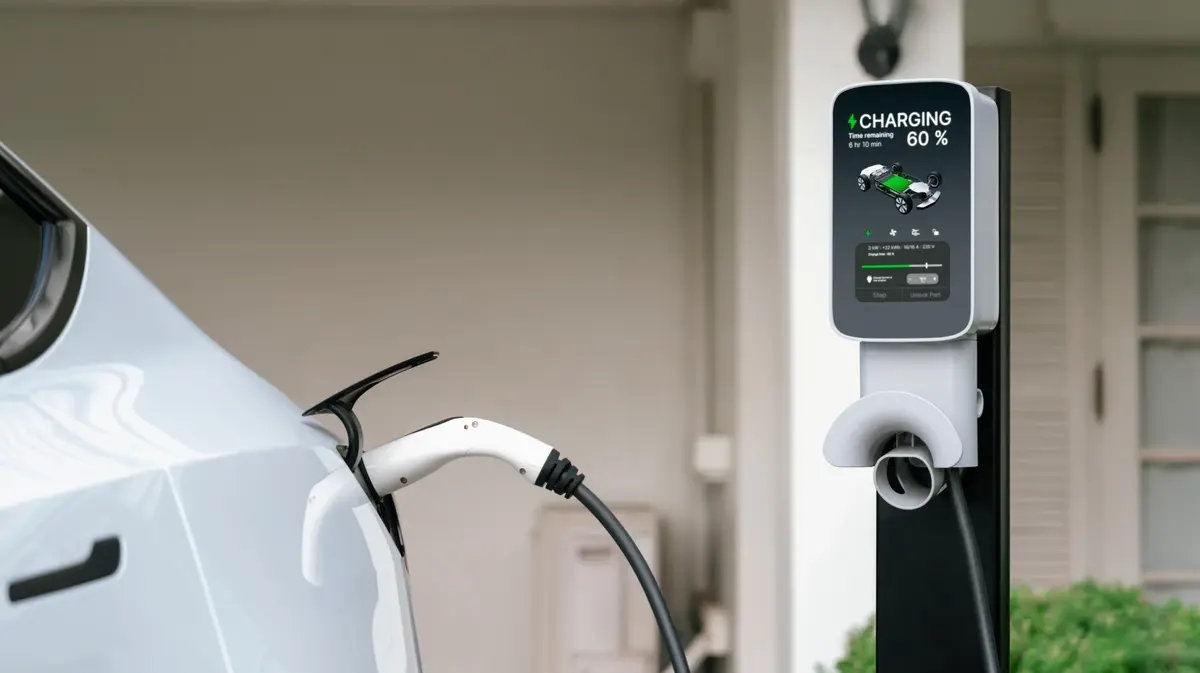
In 2026, EV charging networks are expanding nationwide with NEVI-funded stations, luxury “Rechargeries,” and high-speed 400 kW chargers. Urban hubs and rural coverage ensure accessibility, while plug standardization, predictive maintenance, and plug & charge tech improve reliability. Over 71,000 ports support seamless long-distance travel and EV adoption.
Introduction
Now, in the middle of 2026, it has never been a better time to drive an electric vehicle on the open road. The promise of an effortless electric road trip across the country was long held back by so-called range anxiety and a fruitless search for a working plug.
The largest EV charging network expansion 2026 is arriving along the interstate corridors, in rural “charging deserts,” and at giant new $200 million+ “Rechargeries” which resemble more luxury lounges than gas stations.
Let’s face it, at ChevySUV, we think this transition should be as seamless as the torque in our motors. Whether you’re braving the office daily grind or heading for your mountain trekking expedition, the 2026 landscape has got your back. This expansion has mainly been focused on making sure that a high-power charger is close by (no more than 50 miles away) along key highways, with the aim of further increasing speed and reliability later this year.
The NEVI Reboot: Unlocking Billions for Public Charging
The National Electric Vehicle Infrastructure (NEVI) program is doing the heavy lifting for the expansion of EV fast chargers USA. The federal government has released billions in state grants after a brief regime in 2025 to tinker with administration. This “NEVI Reboot” has proven so successful that it enables construction on hundreds of sites previously mired in planning limbo to proceed.
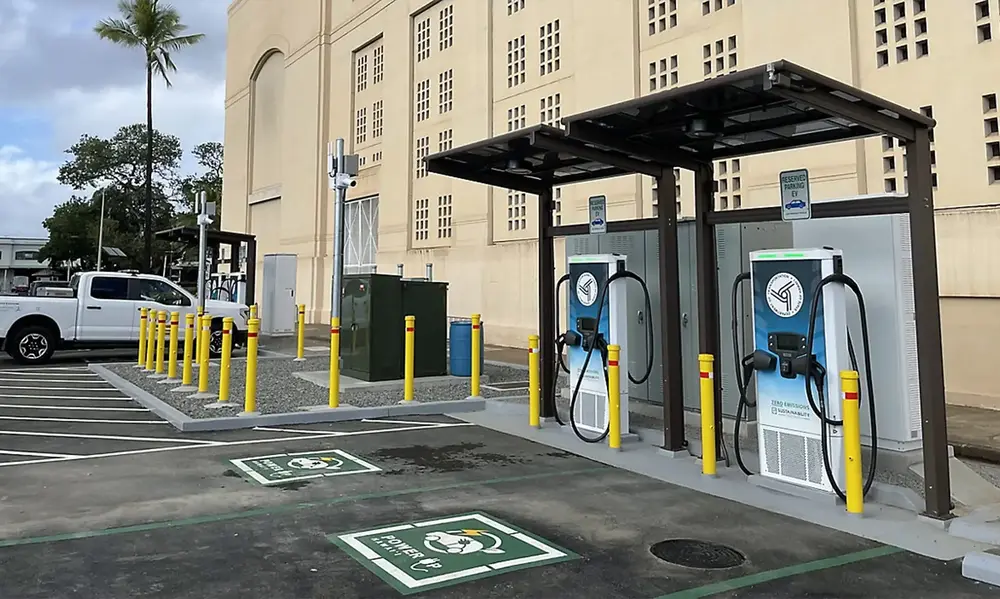
States are not strictly required to follow a rigid spacing formula if they can demonstrate that an area is “fully built out.” This flexibility is huge because it redirects funds from tertiary highways and local roads to Highway 417 and Highway 416 suburban highways, rural roads, etc.
Morss said a Chevy SUV owner in the Midwest or Deep South will find a high-speed plug in towns that are no more than a local diner. No longer is it enough to just have “a charger”; now there’s a 97% uptime mandate that stations must meet if they take federal funding, shifting the focus from merely being available to whether or not it even works.
The Rise of the Ionna Network and Automaker Collaboration
The biggest charging station-related news for 2026 is the show of Ionna. The joint venture, which includes eight major automakers, including General Motors, in its fold, this spring opened its 100th “Rechargery” location. They aren’t simply plugs on the backs of parking lots; they are full-scale hubs meant for comfort, complete with self-driven “grab and go” convenience stores as well as bathrooms.
How many has Ionna already installed across the nation with its ultra-fast 400 kW charging network? Over this number: over 1,000 stalls. It’s all part of a bigger shift where carmakers are taking control over the charging experience. Your ChevySUV will be able to automatically guide you to an open stall, precondition the battery for top speed, handle payment, and never have you reach for or even think about a separate app by integrating these chargers directly with your vehicle’s software.
Snapshot: Major DC Fast-Charging Networks (Q2 2026)
|
Network Name |
Estimated Port Count | Key Feature for 2026 |
| Tesla Superchargers | 36,800+ |
Now open to most non-Tesla brands |
|
Electrify America |
5,600+ | Heavy focus on urban retail hubs |
| EVgo | 5,100+ |
Integrated with Uber and Lyft fleets |
|
Ionna |
1,030+ | High-power 400 kW “Rechargeries” |
| Red E Charge | 1,700+ |
Regional and rural connectivity focus |
The “Great Port Merger”: NACS vs. CCS in 2026
The confusion over plug types is finally resolving. As of 2026, the industry has largely consolidated around the NACS (North American Charging Standard) connector. Most new EV fast chargers USA are now installed with native NACS cables or “Magic Docks” that can accommodate both NACS and the older CCS1 standard.
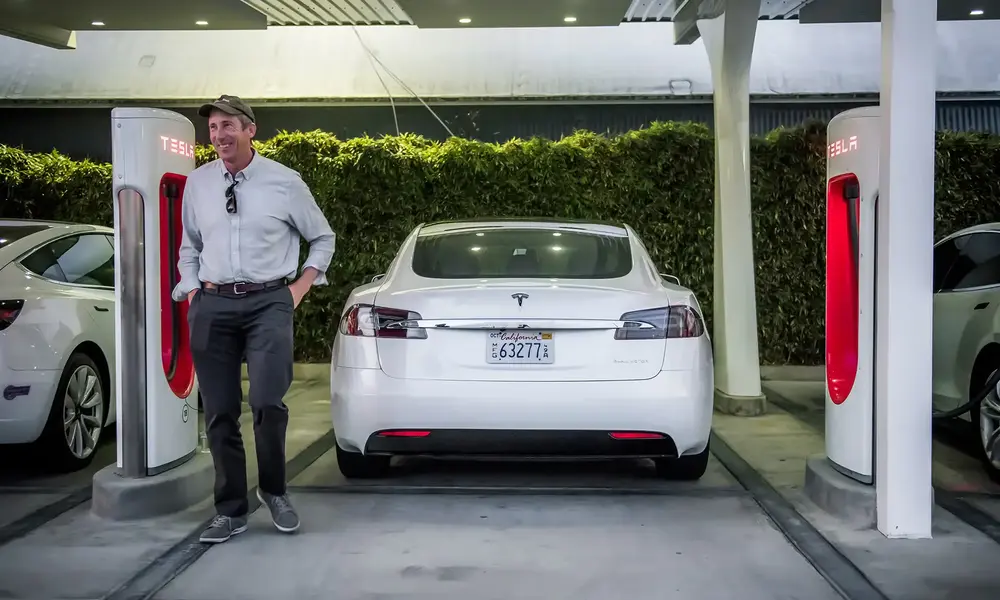
If you drive an older EV, don’t worry, the EV infrastructure isn’t leaving you behind. Most major networks, including Electrify America and EVgo, have retrofitted their most popular sites with dual-connector setups. Additionally, automaker-approved adapters are now widely available, allowing almost any modern EV to plug into the massive Tesla Supercharger network. This cross-compatibility has effectively doubled the number of usable fast-charging options for the average driver overnight.
Beyond the Highway: Urban Hubs and Rural Reach
While highway travel gets the most headlines, the EV charging network expansion 2026 is also tackling the “garage-less” driver problem in cities. Urban charging hubs are popping up in grocery store lots, shopping malls, and even curbside in major metros like Los Angeles and New York. The goal is to make charging a passive activity, something that happens while you’re already doing something else.
In rural areas, the growth is equally impressive. Under the updated NEVI guidelines, states are using “Solicitation Rounds” to partner with local gas stations and cooperatives in remote areas. This ensures that even the most adventurous ChevySUV drivers can explore national parks and backcountry roads with total confidence. These rural sites might be smaller, often featuring four to six stalls, but they provide a critical safety net for regional travel.
Essential Trends in 2026 Infrastructure
- Solar Canopies: More stations are installing solar roofs to provide shade and generate renewable energy on-site.
- Pull-Through Stalls: New sites are being designed to accommodate trailers, so you don’t have to unhook your boat to charge.
- Plug & Charge Technology: ISO 15118 compliance is now standard, allowing your car to “talk” to the charger and start the session automatically.
- High-Voltage Support: 800V and 900V architectures are now widely supported, allowing the latest luxury and performance EVs to charge at their peak rates.
How Technology is Solving Reliability
In the past, a major frustration was arriving at a station only to find the screen broken or the cable damaged. In 2026, EV infrastructure providers are using advanced data analytics and “predictive maintenance.” Sensors inside the charging units can now detect potential failures before they happen, allowing technicians to fix a port before a driver even encounters a problem.
Furthermore, the integration of on-site battery storage has helped stabilize the grid. These batteries “buffer” electricity during the day and discharge it quickly when a vehicle plugs in. This prevents the “throttling” of speeds that used to happen when multiple cars were charging at once. For owners of a powerful ChevySUV, this means you get the full speed you’re paying for, even during peak holiday travel weekends.
Summary of the 2026 Charging Landscape
The state of EV fast chargers USA has transitioned from a challenge into a convenience. The EV charging network expansion 2026 has successfully created a “mesh” of high-speed options that cover both urban centers and the loneliest stretches of the American interstate. With over 71,000 ports active and thousands more under construction, the foundation for a fully electric future is firmly in place.
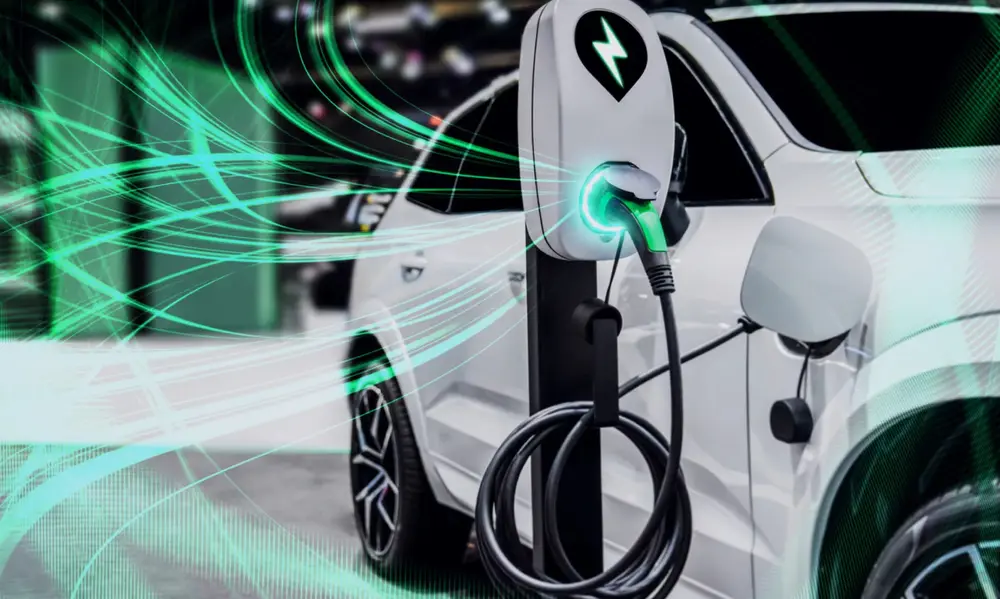
Between the federal funding of the NEVI program, the opening of the Tesla network, and the birth of luxury hubs like Ionna, drivers have more choices than ever. Whether you’re topping off at a local grocery store or charging up for a mountain pass, the EV fast chargers USA is ready when you are. At ChevySUV, we’re excited to see our drivers take advantage of this growing network to explore further and more reliably than ever before.
Frequently Asked Questions
Where can I find the new Ionna Rechargeries ?
Ionna is currently expanding nationwide, with a heavy presence in the Southeast and along the East Coast. Major sites have recently opened in Georgia and Colorado, with many more currently under construction in major metropolitan areas. You can find them using the Ionna app or your vehicle’s integrated navigation.
Do I need a special adapter to use Tesla Superchargers in 2026?
If your EV was built before 2025 and has a CCS port, you will likely need a manufacturer-approved NACS-to-CCS adapter. Most newer EVs, including recent Chevy SUV models, come with NACS ports built-in or include an adapter as standard equipment.
Are EV fast chargers more expensive than home charging?
Generally, yes. While home charging remains the most cost-effective way to power your EV, public fast chargers provide the high-voltage speed needed for road trips. Prices in 2026 typically range from $0.35 to $0.55 per kWh, depending on the network and local utility rates.
How long does a typical fast charge take in 2026?
With the rollout of 350 kW and 400 kW dispensers, most modern EVs can charge from 10% to 80% in about 15 to 20 minutes. This is roughly the time it takes to grab a snack and use the restroom, making it a natural part of a road trip stop.
Is it safe to use third-party adapters?
It is strongly recommended to only use adapters provided by your vehicle’s manufacturer or the charging network itself. Third-party adapters may not be rated for the high heat and voltage levels of DC fast charging, which could potentially damage your vehicle’s battery.