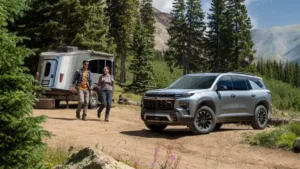
When choosing a family vehicle, safety is the top priority. Learning about Chevy SUV safety ratings is crucial, as it helps determine how well these vehicles perform in accidents. Trusted sources like IIHS provide data on crash-test results, which should be considered when evaluating different models. Prioritizing safety ensures peace of mind for families on the road.
Introduction
When it comes to a family vehicle, there is usually only one thing that cannot be compromised: the safety of your family members in an accident. If you are looking to learn about a new car, there is no step that is more important in your purchasing path than learning about the latest Chevy SUV safety ratings. Much of that is pegged on what data we have to go by, and whether it’s from the IIHS or NHTSA, both groups found Chevrolet’s lineup to be performing quite well with multiple Top Safety Pick ratings and 5-star overall scores.
High scores in Chevy SUV crash tests indicate that the vehicle’s repressed capacity dictates and eager safeguard structures accomplish or outperform harsher previous environmental factors and autonomous benchmarks. For this reason, we at ChevySUV feel that if drivers know what these scores mean, they can choose with knowledge and confidence. So, from the compact Equinox to the massive Suburban, this is how the scores you should be looking at line up.
Understanding the Two Major Safety Authorities
It is extremely important to know who provides these ratings before going into the details of specific models. The National Highway Traffic Safety Administration (NHTSA) is a government agency that has adopted a five-star rating system. Frontal and side-impact crashes take up the bulk of their attention, along with rollover resistance. 5-star NHTSA Chevrolet rating is the highest (government-verified) level of occupant protection.
The Insurance Institute for Highway Safety (IIHS) is an independent, nonprofit organization funded by auto insurers. Their tests are generally seen as tougher, such as the “small overlap” test that simulates hitting a tree or a pole. For a Chevy to bag a Top Safety Pick+ designation from the IIHS, it needs more than just good crash protection; it must also have advanced headlight technology and effective pedestrian detection systems.
Breakdown of Popular Chevy SUV Safety Ratings
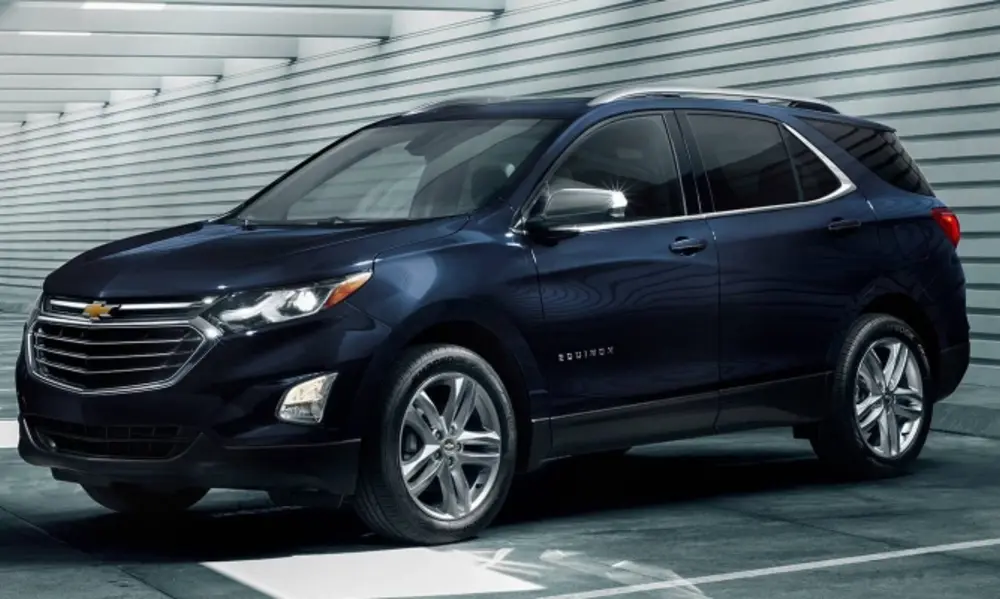
Historically, the Chevrolet Equinox has fared well in safety testing. We have long expected it to retain a 5-star overall rating with the NHTSA. A recap of recent Chevy SUV safety ratings notes that the fuel-efficient Equinox ranks “Good” across all IIHS crashworthiness categories, the best possible score in their conventional testing battery.
Even the larger family Traverse did similarly well. A gross number of five-star NHTSA Chevrolet aspect-accident scores for a model year, vital to hinder rear-residing arrangements supporting up to eight passengers. The Traverse’s safety cage is engineered to channel energy away from the cabin in a Chevy SUV crash test, which should greatly lower the chance of injury for people in all three rows.
The Blazer EV is a response to the overwhelming rise of the electric future, which, for buyers, has just begun to come to market. Initial indications show that it adheres to the brand’s tradition for very solid safety engineering. Its standard suite of automated emergency braking and lane-keep assist technologies also means it’s expected to gain a high IIHS Chevy mark, as those systems are no longer moot on most of the lineup.
Safety Features That Drive the Scores
The modern scores are not just for how well a car survives the impact; it is whether that vehicle can avoid the crash in the first place. Each modern Chevy SUV is delivered with “Chevy Safety Assist.” It is a bundle of six high-level safety and driver-assistance features aimed to protect on any drive.
Standard equipment consists of Automatic Emergency Braking, Front Pedestrian Braking, and Lane Keep Assist with Lane Departure Warning. These systems are tested in a specific IIHS Chevy evaluation to measure each system’s ability to avoid colliding with another vehicle or person at different speeds. Higher-rated qualities in these areas typically dictate whether a vehicle receives a “Plus” distinction within awards like Top Safety Pick rewards.
Comparison Table: 2024-2026 Estimated Safety Performance
|
Model |
NHTSA Overall Rating | IIHS Crashworthiness | Key Standard Safety Feature |
| Equinox | 5 Stars | Good (All Tests) |
Chevy Safety Assist |
|
Traverse |
5 Stars | Good | HD Rear Vision Camera |
| Tahoe | 4-5 Stars (Est.) | Good / Acceptable |
Buckle to Drive |
|
Trailblazer |
5 Stars | Good | Teen Driver Technology |
| Blazer EV | 5 Stars (Pending) | Good |
Reverse Automatic Braking |
Heavyweight Protection: Tahoe and Suburban Safety
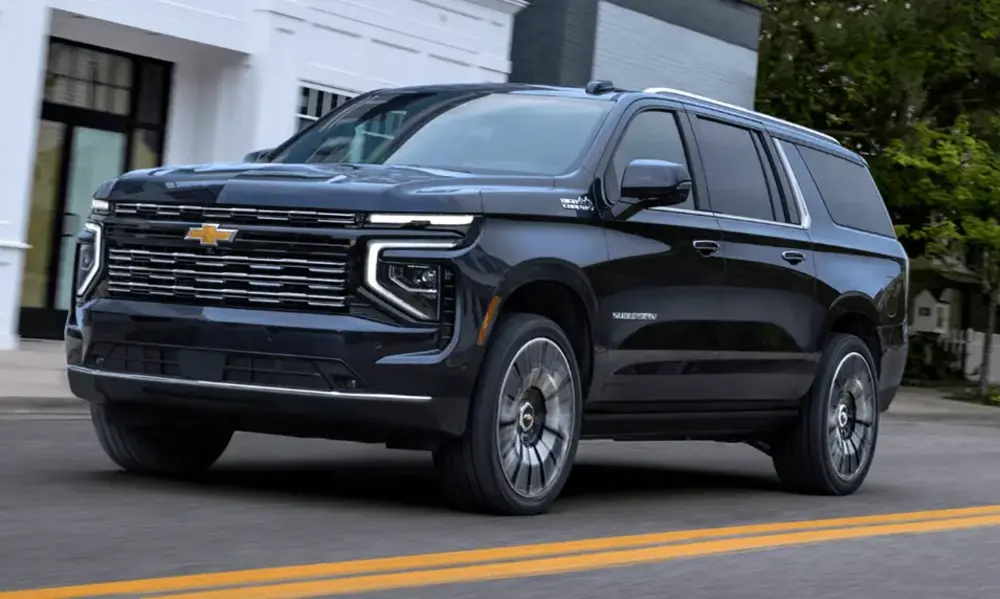
Safety matters more the heavier your vehicle, and once you get into the full-size SUV class, there simply isn’t much of a way around that. However, mass alone isn’t enough. Obscure Numbers need to be embraced. Hefty Chevy SUV safety ratings are neither all heavy steel frame nor light-weight sensors through electronic witchcraft, like in the Tahoe vs. Suburban example above. These are meant to keep individuals inside the vehicle safe, but they are also intended to be “compatible” with crashes with smaller vehicles.
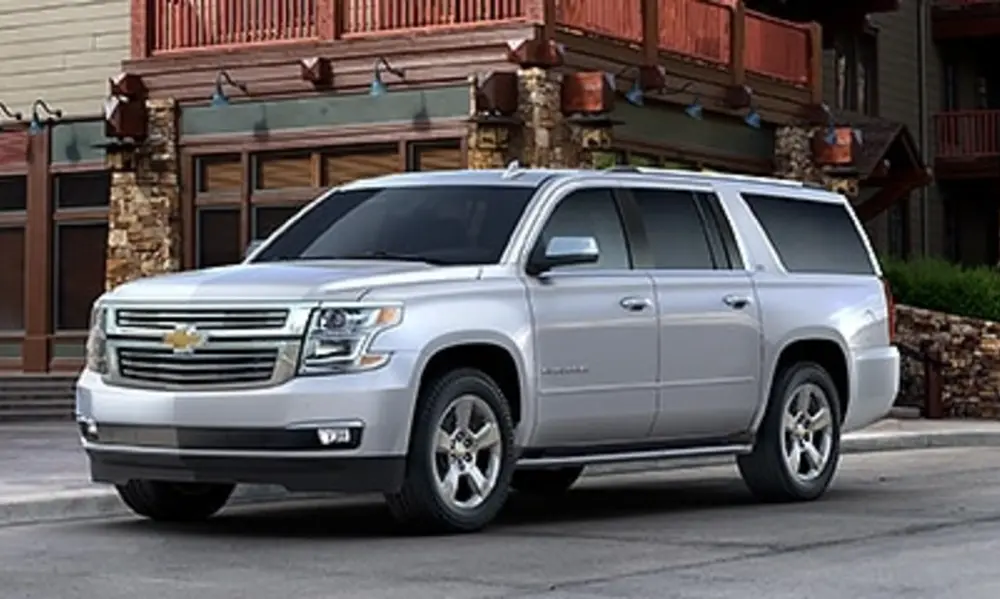
These big SUVs are tested for how well they resist rolling in a Chevy SUV crash test. The Chevrolet has 4-star rollover scores, in the class-average range, as it’s generally more likely to tip over due to a relatively high center of gravity. Chevrolet combats this with StabiliTrak, an electronic stability control system with rollover mitigation, to help keep all four tires on the pavement in emergency situations.
Technological Innovation in Crash Prevention
It pioneered many features that are now becoming industry standards. Teen Driver Technology drives that same message into the new car, even after you’re not in it, to monitor him. You can set speed alerts and volume limits with it, and there is an in-vehicle report card as well. This new take on safety is part of why NHTSA Chevrolet ratings remain competitive.
The Safety Alert Seat is another notable feature. Instead of scaring the hell out of you with an unusually loud beeping sound (not surprisingly, most people find beeping irritating), the driver’s seat bottom vibrates left, right, or both to alert the driver to what danger may lurk in a given direction. If there’s a practical example of Chevy’s human-centric safety design expertise that’s often noted in IIHS Chevy qualitative reviews, this tactile feedback is one.
Real-World Experience and Safety Reliability
Safety ratings are a glimpse in time, but reliability is the physics over decades. Owners have frequently claimed that the active safety systems in a Chevy SUV are less aggressive than those offered by rival models. They avoid being snowflakeish, only warning when it makes sense, motivating drivers to leave the systems on instead of shutting them off.
These SUVs also have a reputation for being structurally sound over the years, too. The cabin is reinforced with high-strength steel in the pillars and roof that helps keep it intact in a rollover or severe impact. It is that same engineering expertise that has made a Chevy SUV crash test score so low as to result in minimal passenger compartment intrusion, an important metric for both the IIHS and NHTSA.
Maintaining Your Vehicle’s Safety Integrity
Proper maintenance is key to keeping your Chevy SUV’s safety ratings intact for the life of the vehicle. A safety sensor for automatic braking and lane-keeping is usually found behind the windshield or in the front bumper. The CY hybrids may not work at full capacity due to dirt and snow damage if these parts are covered or damaged.
Yet another basic but essential safety tip is regularly checking your tires. No amount of advanced NHTSA Chevrolet safety features can catch up when nothing is on the road. For your tires to be able to do their job properly, they need enough tread depth to allow the ABS of your car to activate in an emergency stop and help you avoid a Chevy SUV crash test scenario IRL.
The Future of Chevrolet Safety
The brand is also putting a lot of resources into V2X, or Vehicle-to-Everything communication, which will begin appearing in 2027 and 2028 models. The application will allow your SUV to “communicate” with traffic lights and other cars, predicting and preventing accidents before they even become visible to the naked eye! As those technologies become standard, we can expect even more Chevy SUV safety awards.
The SUV line also improves through the addition of Super Cruise driver assistance tech and growing availability for hands-free systems. It may be a scoffed-at convenience feature, but it also includes cameras that watch if the driver is ever looking off the road. That blend of independence and safety is the next step for IIHS Chevy and NHTSA’s test boards.
Choosing the Right SUV for Your Safety Needs
- For City Drivers: The Equinox or Trailblazer. Ideal maneuverability and high NHTSA Chevrolet scores in frontal crash prevention make them perfect for stop-and-go.
- Best for Large Families: Traverse – It’s the best combination of three-row seating with high IIHS Chevy side-impact ratings.
- For So Many Off-Roaders: Tall skid plates are standard on this Z71, and the suspension is specifically tuned to prevent mechanical failure when driving in its element.
- For Lovers of Tech: The Blazer EV features the latest digital safety interface, making sure you never miss a hazard in crystal-clear detail.
- For the Budget-Minded: Now, even entry-level Trax gets Chevy Safety Assist standard; top Chevy SUV safety ratings aren’t only for the luxury trims.
Summary of Chevrolet SUV Safety
- Standardized Protection: Nearly every new model now comes with six essential active-safety features as standard equipment.
- Safety Ratings: Most models receive 5-star scores from the NHTSA and top “Good” ratings from the IIHS.
- Brain Warning: The Safety Alert Seat is an example of new feedback that puts drivers on notice without the noise, allowing them to react more quickly.
- Structural Strength: High-strength steel protects the cabin from a Chevy SUV crash test
- Teen Driver Support: Helps protect the next generation of drivers with built-in tools to monitor and limit risky behavior.
Conclusion
Through the maze of indecipherable automotive safety information, Chevy SUV safety ratings offer indecisive buyers a straight line to follow for reassurance. Chevy has nailed the passenger protection test by consistently receiving high marks in Chevy SUV crash testing. From the solid NHTSA Chevrolet scores to sweeping IIHS Chevy tests, these SUVs are designed as your vehicle sanctuary.
At ChevySUV, we tell you to get past the carpets and stereo; none of that is what makes your car convenient, though a sense of security knowing that every time you step in, your effort will be one of the safest vehicles on four wheels today.
FAQs
Which Chevy SUV has the highest safety rating?
The Chevy Equinox and Chevy Trailblazer frequently earn the highest possible scores, often receiving 5-star ratings from the NHTSA and “Top Safety Pick” status from the IIHS.
What is Chevy Safety Assist?
It is a suite of six standard safety features, including Automatic Emergency Braking, Lane Keep Assist, and Front Pedestrian Braking, designed to help prevent accidents before they happen.
Does Chevrolet offer a 360-degree camera?
Yes, most Chevy SUV models offer an HD Surround Vision system as an available feature, which provides a bird’s-eye view of the vehicle to help with low-speed maneuvering and parking.
Are Chevy SUVs safe for teenage drivers?
Absolutely. Many models come with “Teen Driver Technology,” which allows parents to set limits and review a driving report card to encourage safer habits for new drivers.