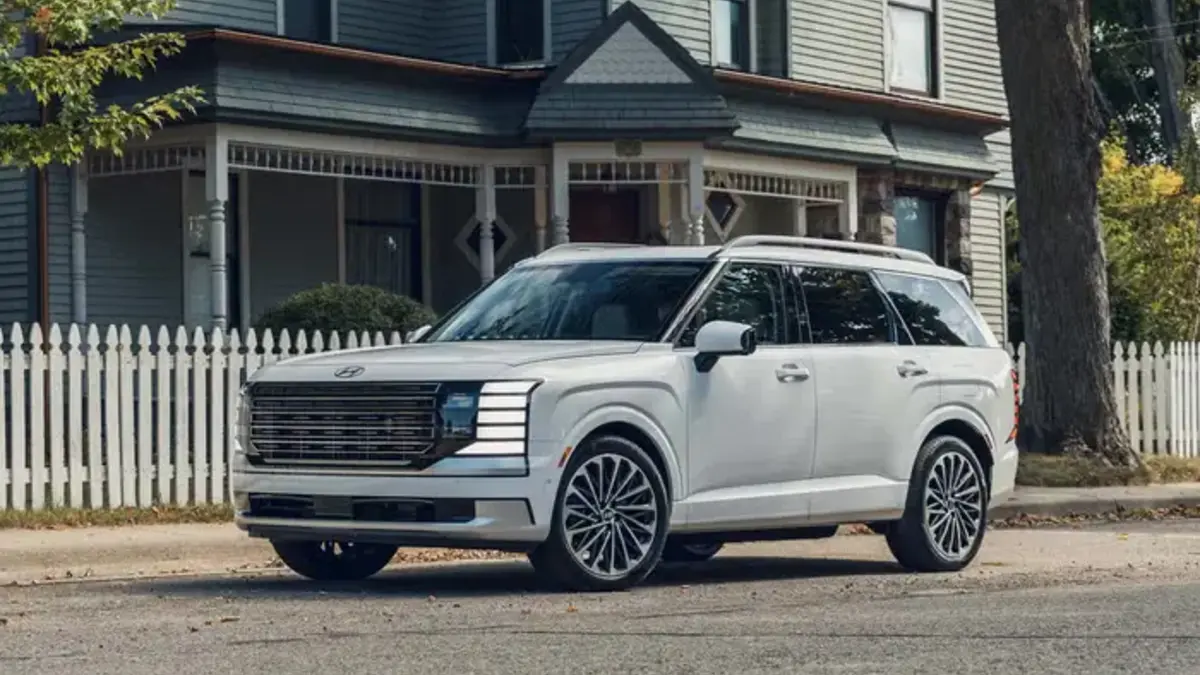
Choosing between a compact vs full-size SUV in 2026 comes down to your lifestyle, budget, and space needs. Compact SUVs are more fuel-efficient, affordable, and easier to maneuver, making them ideal for city driving and small families. Full-size SUVs offer greater seating capacity, cargo space, and towing power, making them better suited for large families and long trips. Understanding the key differences in size, performance, and cost will help you pick the SUV that best fits your daily needs.
Introduction
As we move through 2026, the SUV remains the undisputed king of the road. Whether you’re navigating tight urban corridors or hauling a trailer across state lines, there is an SUV designed for you. However, with the lines between segments blurring thanks to advanced engineering and electrification, choosing between a compact and a full-size model is a high-stakes decision.
Getting this choice right impacts your monthly budget, your daily stress levels in traffic, and your long-term carbon footprint. This guide breaks down the essential differences to help you decide which powerhouse belongs in your driveway.
What Is a Compact SUV?
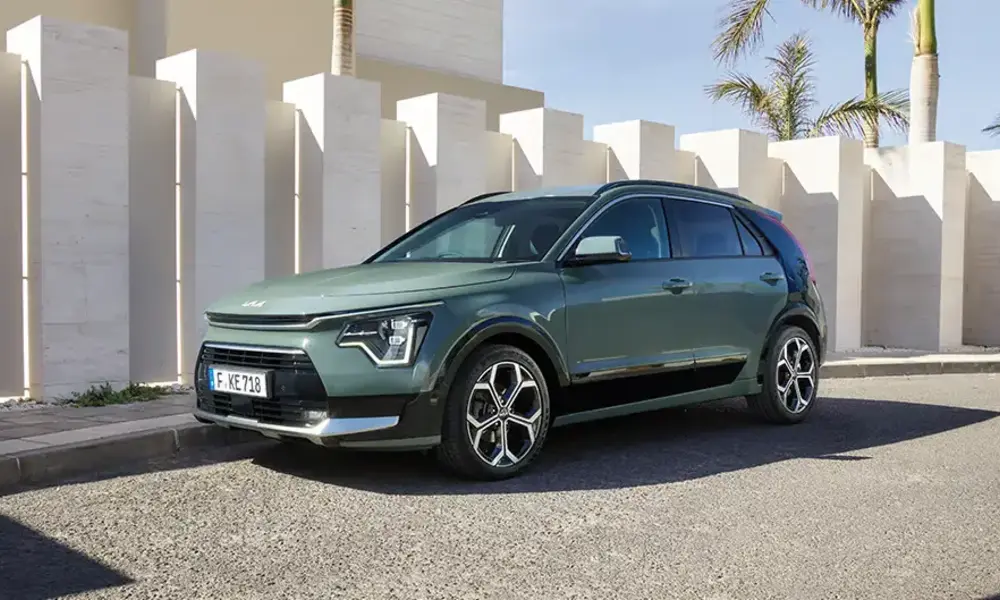
Compact SUVs (often called Crossovers) are the “Goldilocks” of the automotive world. Built on car-based platforms, they offer an elevated driving position without the unwieldy bulk of a truck.
- Seating: Typically accommodates 5 passengers.
- Characteristics: Nimble handling, excellent visibility, and easy ingress/egress.
- Typical Use Cases: Daily commuting, small families, and urban dwellers who need versatility without parking headaches.
- Examples: The Toyota RAV4, Honda CR-V, and the increasingly popular Hyundai Tucson.
What Is a Full-Size SUV?
Full-size SUVs are the titans of the highway. These are often “body-on-frame” vehicles, sharing DNA with pickup trucks, which gives them immense structural strength.
- Seating: Usually offers 3 rows for 7 to 8 passengers.
- Characteristics: Massive presence, heavy-duty suspension, and high-output engines.
- Typical Use Cases: Large families, heavy towing (boats/trailers), and long-distance luxury cruising.
- Examples: The Chevrolet Tahoe, Ford Expedition, and Jeep Wagoneer.
Compact vs. Full-Size: Size & Practicality
|
Feature |
Compact SUV | Full-Size SUV |
| Length | ~175–185 inches |
~200–225+ inches |
|
Seating |
2 Rows (5 People) | 3 Rows (7–9 People) |
| Cargo (Max) | 60–75 cu. ft. |
100–140+ cu. ft. |
|
Maneuverability |
High (Easy U-turns) |
Low (Requires planning) |
The Parking Factor: In 2026, urban parking spaces aren’t getting any bigger. A compact SUV fits into “Compact Only” spots with ease, whereas a full-size SUV may require a multi-point turn just to enter a standard parking garage.
Performance and Engine Options
In 2026, the engine landscape has shifted toward efficiency.
- Compact SUVs: Most utilize turbocharged 4-cylinder engines or highly efficient Hybrid/Plug-in Hybrid (PHEV) systems. They prioritize a car-like, “zippy” feel.
- Full-Size SUVs: While some have moved to Twin-Turbo V6s, many still offer V8 power or heavy-duty Diesel options. In 2026, we see more “Mega-EV” full-size options that provide instant torque but require massive battery packs.
- Towing: If you need to pull more than 3,500 lbs, the compact segment usually falls short. Full-size SUVs can often tow between 7,000 and 9,000 lbs.
Cost Comparison: The Bottom Line
Choosing a full-size SUV is a significant financial commitment beyond the sticker price.
- Purchase Price: A well-equipped compact SUV in 2026 averages $32,000–$45,000, while full-size models often start at $60,000 and can easily eclipse $90,000 for premium trims.
- Fuel/Energy: Even with hybrid tech, moving a 6,000 lb full-size vehicle is expensive. Compact hybrids can achieve 40+ MPG, while full-size gas models often struggle to break 20 MPG.
- Insurance & Maintenance: Larger tires, bigger brakes, and more complex 4WD systems mean higher shop bills for the full-size owner.
Technology and Safety Features
By 2026, standard safety tech has equalized significantly. Both classes generally include:
- Standard: Automatic emergency braking, lane-keep assist, and 360-degree cameras.
- The Difference: Full-size SUVs often feature advanced towing tech (trailer reverse guidance) and rear-seat entertainment systems that are rarely found in compacts.
Pros and Cons at a Glance
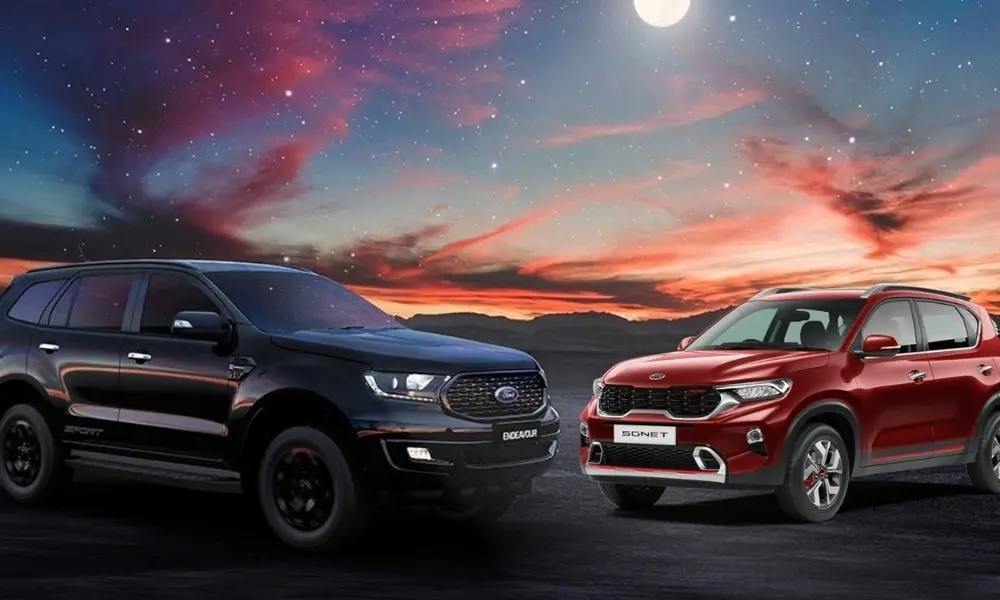
Compact SUVs
- Pros: Lower cost of ownership, easier to park, better for the environment, car-like handling.
- Cons: Tight fit for 3 adults in the back, limited towing, less “road presence.”
Full-Size SUVs
- Pros: Incredible interior volume, unmatched towing capability, “commanding” view of the road.
- Cons: High fuel/charging costs, difficult to drive in cities, high depreciation.
Which Should You Buy?
Choose a Compact SUV if:
- You primarily drive solo or with one or two passengers.
- You live in an area with tight streets or limited parking.
- You want to keep your monthly fuel and insurance costs low.
Choose a Full-Size SUV if:
- You have 3 or more children (or frequently carpool).
- You own a boat, horse trailer, or heavy camper.
- You prioritize maximum interior comfort for long-haul road trips.
Final Thoughts
The “best” SUV isn’t the one with the most features; it’s the one that fits your life without causing daily friction. If you rarely use a third row, you’re essentially paying thousands of dollars to haul around empty air. Conversely, if you’re constantly “tetra-packing” your luggage into a small trunk, the upgrade to a full-size is worth every penny for your peace of mind.
Pro Tip: Before signing the papers, rent a full-size SUV for a weekend. If you find it stressful to park at your local grocery store, that’s your sign to stick with a compact.
Discover the perfect SUV for your lifestyle with ChevySUV, your trusted source for expert insights and comparisons. At Chevysuv, we simplify your buying journey with up-to-date guides on compact and full-size SUVs.
FAQs
Is a compact SUV big enough for a family of four?
Yes. Most modern compacts have ample legroom for two children and enough trunk space for a week’s worth of groceries or vacation luggage.
Are full-size SUVs safer?
While “size matters” in certain collisions, compact SUVs in 2026 often have better maneuverability and shorter braking distances, which can help avoid accidents altogether.
Which is better for resale value?
Compact SUVs currently hold their value slightly better due to their broader appeal to a wider range of buyers (students, commuters, and small families).