

3500 trucks for sale come in a wide range of configurations, making it important to understand the heavy-duty truck market before buying. Between gas and diesel powertrains, single rear wheel (SRW) versus dual rear wheel (dually/DRW) setups, cab sizes, bed lengths and towing packages, choosing the right 3500 pickup requires careful comparison.
Whether you are an RV enthusiast pulling a fifth-wheel trailer, a contractor hauling equipment to job sites, a farmer moving livestock trailers or a business owner building a commercial fleet, this comprehensive guide explains what to consider before spending your money.
Key takeaways
- Class definition: The 3500 designation identifies a heavy-duty truck generally associated with the one-ton category. Its actual payload and gross vehicle weight rating (GVWR) depend on the specific model and configuration.
- Price fluctuations: Prices vary by model year, mileage, engine type, trim level, condition and rear-wheel configuration. Diesel models generally cost more upfront.
- Towing realities: Maximum ratings such as 36,000 pounds or more apply only to specific configurations. Engine, cab, axle ratio, hitch type, equipment and payload all affect towing capacity.
- Inspection necessity: A pre-purchase mechanical inspection, service-history review and recall check can help you avoid expensive engine, transmission or emissions-system repairs.
- Buying channels: Dealerships may offer financing and warranty options, private sellers may provide more room for negotiation, and auctions can offer lower prices with additional risks.
What is a 3500 truck?
In the United States, a 3500 truck generally belongs to the Class 3 heavy-duty category, which covers vehicles with a gross vehicle weight rating (GVWR) above 10,000 pounds and up to 14,000 pounds. Historically known as one-ton trucks, modern 3500 pickups can carry substantial payloads, although actual capacity varies considerably by configuration.
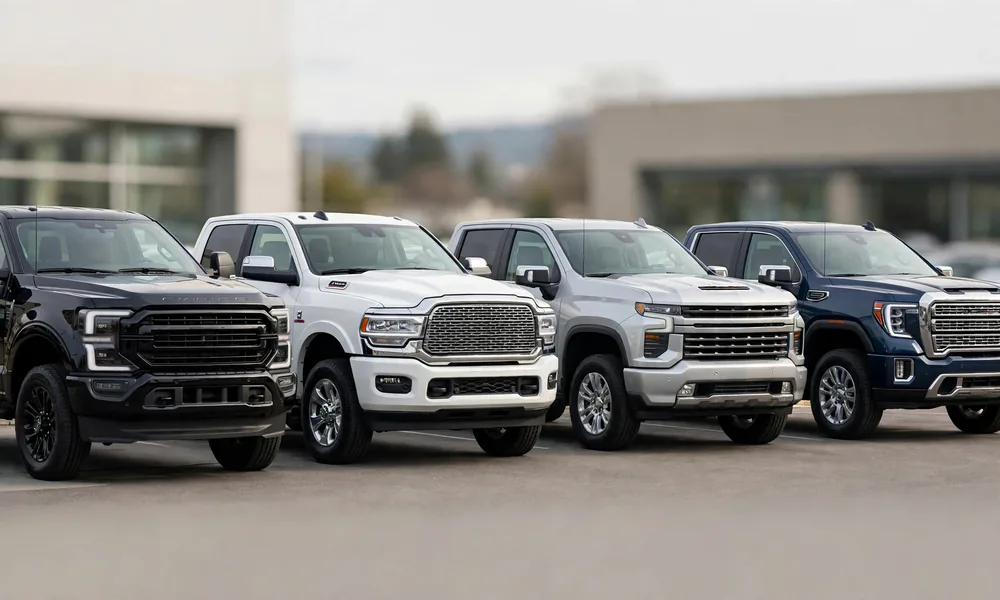
The primary models in this segment include:
- Ram 3500
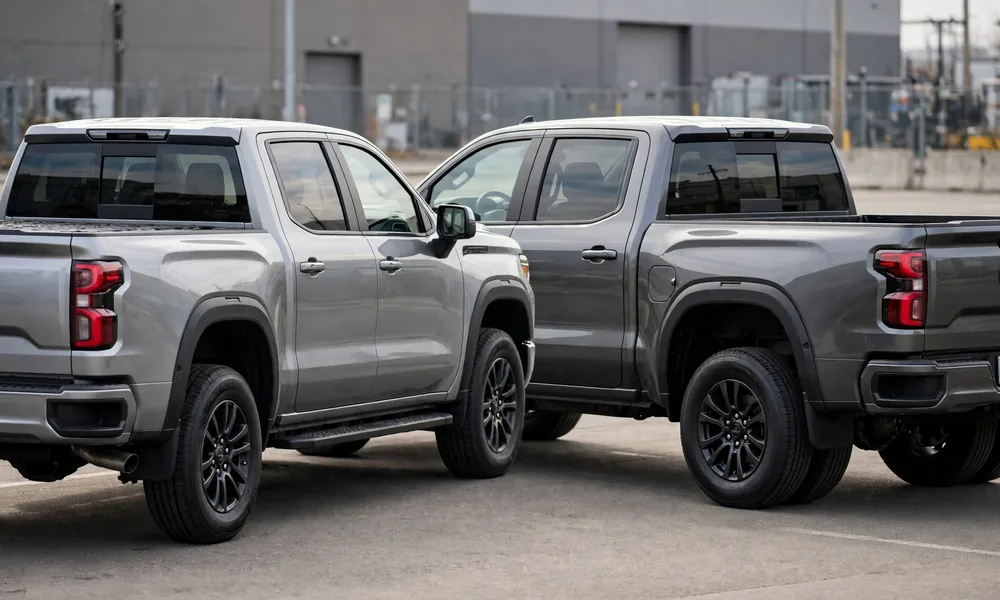
- Chevrolet Silverado 3500HD
- GMC Sierra 3500HD
- Ford F-350 Super Duty
2500 vs. 3500: Key differences
A 2500 three-quarter-ton truck and a 3500 one-ton truck may share the same cab, interior, engine options and exterior styling. However, their load ratings and chassis configurations can differ.
- Rear suspension: Many 3500 pickups use heavy-duty rear leaf springs, while certain models offer additional load-leveling suspension features. Some 2500 models use rear coil springs, depending on the manufacturer and design.
- Payload capacity: A 3500 often offers a higher payload rating than a comparable 2500, but the difference depends on the exact configuration. A fixed 1,500- to 3,000-pound increase should not be assumed for every model.
- Dually availability: Dual rear wheels are generally offered on 3500-class trucks and heavier models, rather than conventional 2500 pickups.
The best way to compare two trucks is to check their individual payload stickers, GVWR, gross axle weight ratings and towing specifications rather than relying on the model badge alone.
Types of 3500 trucks available
Pickup trucks: SRW vs. dually
- Single rear wheel (SRW): An SRW truck has one tire on each side of the rear axle. It is narrower than a dually and is generally easier to park and maneuver. Depending on its ratings, it can handle many work trailers and fifth-wheel campers.
- Dual rear wheel (DRW or dually): A dually has two tires on each side of the rear axle, giving it four rear tires. Its wider stance and additional rear tire capacity can improve stability and increase available payload and towing ratings when properly equipped. Actual sway control still depends on the trailer, hitch, loading and driving conditions.
Commercial and work configurations
- Flatbed/stake bed: Useful for agriculture, construction materials, palletized goods and loads that benefit from easier side access.
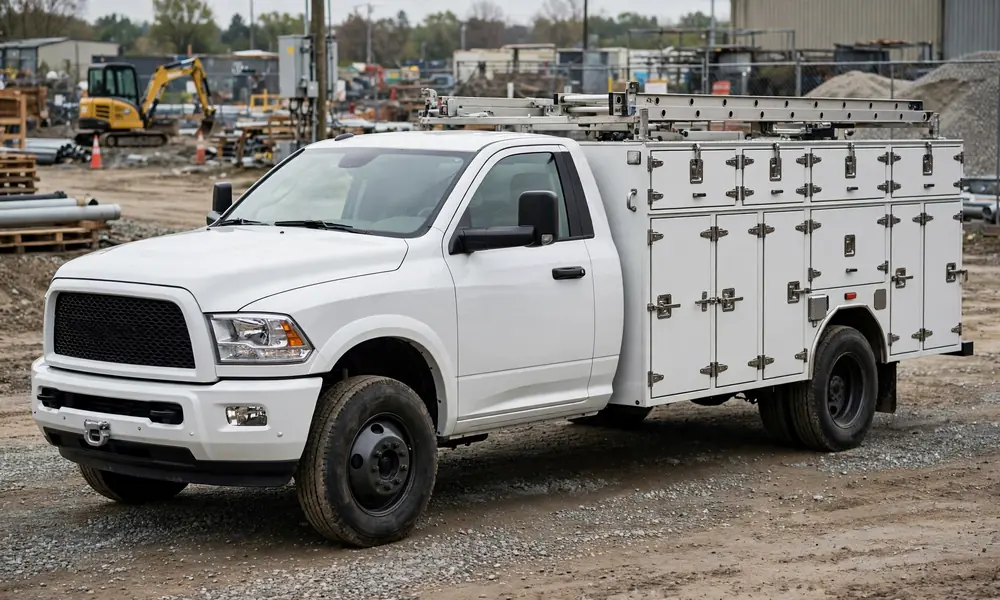
- Service/utility / mechanic bodies: These bodies can include lockable toolboxes, crane mounts, air compressors and other equipment for field technicians.
- Cab styles and bed lengths: Available configurations vary by manufacturer. Ford offers Regular Cab, SuperCab and Crew Cab options, while Ram and GM use their own cab names. Bed lengths commonly include a short bed of approximately 6.75 feet and a long bed of approximately 8 feet, although availability depends on the model and cab.
3500 truck prices in 2026
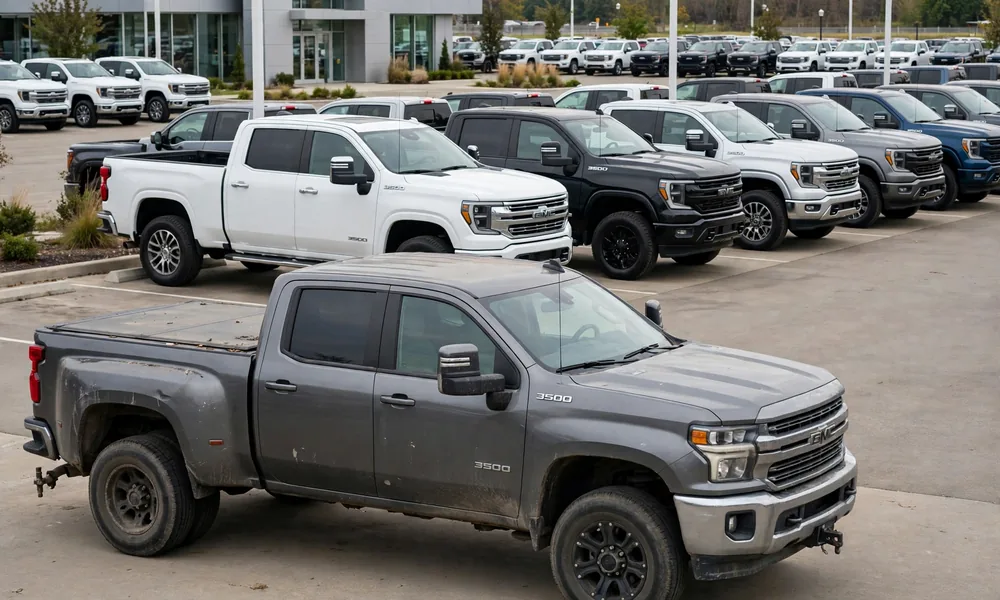
Prices for 3500 trucks vary widely based on model year, mileage, condition, engine, trim, drivetrain and equipment. The following figures are broad shopping-budget estimates, not guaranteed averages or manufacturer-set prices. Actual dealer listings may fall outside these ranges.
New vs. used 3500 truck price overview
| Vehicle age/condition | Estimated gas price range | Estimated diesel price range |
|---|---|---|
| Brand-new 2026 base work truck | $46,000–$52,000 | $58,000–$65,000 |
| Brand-new 2026 luxury trim | $75,000–$88,000 | $92,000–$105,000+ |
| 1–3 years old, low mileage | $40,000–$50,000 | $55,000–$72,000 |
| 4–7 years old, moderate mileage | $28,000–$38,000 | $38,000–$52,000 |
| 8+ years old, higher mileage | $14,000–$24,000 | $22,000–$35,000 |
These ranges are intended to help establish a preliminary budget. They are not verified market-wide averages, and prices depend heavily on the particular truck. Compare current listings with similar mileage, configuration, condition and equipment before deciding whether a price is fair.
Key factors that drive up 3500 prices
- Diesel powertrain premium: Choosing a turbo-diesel engine can add approximately $9,000–$12,000 to the purchase price on some new configurations. The difference varies by manufacturer, model and trim, and diesel models may also command a premium on the used market.
- Trim levels: Moving from a basic work truck, such as a Ford XL, Chevrolet WT or Ram Tradesman, to a luxury trim such as a Ford Platinum, Chevrolet High Country or Ram Limited can increase the price substantially. A $25,000–$40,000 difference is possible between certain configurations, but it is not universal.
- 4×4 vs. 4×2: Four-wheel drive can add several thousand dollars to a truck’s price. The premium and resale effect depend on the model, region, condition and local demand.
Best 3500 trucks compared
Ford, Ram, Chevrolet and GMC all offer heavy-duty trucks for demanding work. Their maximum performance figures should be compared alongside the configuration needed to achieve them.
| Metric / spec | Ford F-350 Super Duty | Ram 3500 | Chevrolet Silverado 3500HD | GMC Sierra 3500HD |
|---|---|---|---|---|
| Base gas engine | 6.8L V8, 405 hp / 445 lb-ft | 6.4L HEMI V8, 405 hp / 429 lb-ft | 6.6L V8, 401 hp / 464 lb-ft | 6.6L V8, 401 hp / 464 lb-ft |
| Available high-output diesel | 6.7L Power Stroke V8, up to 500 hp / 1,200 lb-ft | 6.7L High-Output Cummins I6, 430 hp / 1,075 lb-ft | 6.6L Duramax V8, 470 hp / 975 lb-ft | 6.6L Duramax V8, 470 hp / 975 lb-ft |
| Transmission | 10-speed automatic | 8-speed automatic on 2026 models | 10-speed Allison automatic | 10-speed Allison automatic |
| Maximum available payload | Up to approximately 8,000 lbs, configuration-dependent | Up to 7,590 lbs with gas configurations | Up to 8,552 lbs, configuration-dependent | Up to 7,290 lbs, configuration-dependent |
| Maximum available towing | Up to 40,000 lbs with a properly equipped configuration | Up to 36,610 lbs | Up to 36,000 lbs | Up to 36,000 lbs |
| Approximate base-price reference | Varies by F-350 configuration | Starting MSRP varies by model and configuration; Tradesman pricing is a useful reference | Silverado 3500HD starts at approximately $49,395 | Sierra 3500HD starts at approximately $48,200 |
Important: Maximum payload and towing figures are not available on every truck in a model range. The highest ratings may require a specific engine, cab, bed, axle configuration, towing package or hitch. Manufacturer prices can also change and may exclude destination charges, taxes, registration and dealer fees. Confirm the exact truck’s specifications and current price before buying.
Understanding the towing numbers
- Conventional towing (bumper pull): Conventional towing capacity depends on the receiver hitch, truck configuration and trailer. Ratings differ substantially between gas and diesel models, so do not assume that every 3500 can tow the same amount.
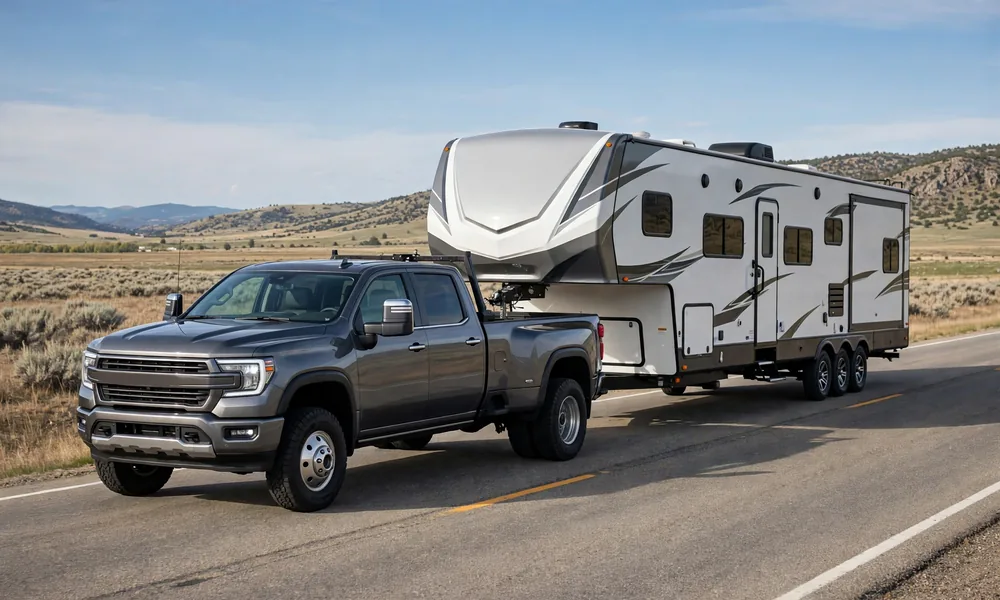
- Gooseneck and fifth-wheel towing: These hitches place trailer weight over or near the rear axle and are used for many heavy trailers. Some of the highest published ratings require a specific gooseneck or fifth-wheel configuration.
- SRW vs. dually capacities: SRW trucks generally have lower maximum payload and towing ratings than comparable dually models. However, there is no universal weight threshold at which every buyer must switch to a dually. Check payload, axle, tire and hitch ratings, along with the loaded trailer’s actual weight.
Quick pros and cons by brand
Ford F-350 Super Duty
- Pros: Offers a range of gas and diesel engines, high available diesel horsepower and torque, and an aluminum-alloy body over a high-strength steel frame.
- Cons: Higher trim levels and diesel configurations can become expensive. Ride comfort when unloaded varies with suspension, tires and configuration.
Ram 3500
- Pros: Offers the inline-six Cummins diesel, strong available torque and upscale interiors on trims such as Laramie and Limited.
- Cons: The diesel powertrain’s added weight can reduce available payload compared with some gas configurations. Actual payload depends on the truck’s equipment and ratings.
Chevrolet Silverado 3500HD / GMC Sierra 3500HD
- Pros: Offer the 6.6L Duramax diesel, 10-speed Allison automatic transmission and available camera and trailering technologies.
- Cons: Independent front suspension may provide a comfortable road ride, but components still require inspection and maintenance, especially on trucks used frequently on rough terrain or under heavy loads.
Diesel vs. gas, single rear wheel vs. dually
As a starting point, these combinations can help narrow down the search:
- Gas engine + SRW: Worth considering for occasional towing, lighter work trailers and lower routine maintenance costs.
- Diesel engine + SRW: Worth considering for frequent highway towing when the truck’s payload and towing ratings meet the requirements.
- Diesel engine + dually: Often a strong choice for heavy fifth-wheel trailers, large gooseneck loads and applications that need additional rear-axle and tire capacity.
These are guidelines, not fixed weight categories. Choose the truck based on its rated payload, loaded trailer weight, pin or tongue weight, axle ratings and intended use.
Diesel vs. gas breakdown
- Gas engines: Generally cost less to purchase and can suit owners who tow occasionally, make shorter trips or prioritize lower routine service costs. Gas engines can also offer higher payload in certain configurations because the powertrain weighs less. They do not require a diesel exhaust fluid (DEF) system.
- Diesel engines: Often make sense for frequent heavy towing and long highway trips. Their strong low-speed torque and available exhaust-braking systems can help when towing on steep grades. Diesel models may retain more resale value in some markets, although purchase price, maintenance costs and local demand affect the overall value.

Running-cost impact
Diesel 3500 trucks can cost more to service than gas models. Depending on the engine, oil changes may require approximately 12–15 quarts of oil, fuel filters need scheduled replacement, and DEF must be replenished on applicable models.
Service intervals and fluid capacities vary by engine and model year. Check the owner’s manual for the correct schedule instead of relying on a single mileage interval for every diesel truck. Gasoline models generally have simpler fuel and emissions systems, although they still require regular maintenance.
Best 3500 truck for your needs
- RV and fifth-wheel owners: Consider a 3500 Crew Cab diesel in SRW or dually form. A dually may be the better option when the loaded trailer’s pin weight and the truck’s payload requirements exceed what an SRW configuration can handle. Exhaust braking can also be useful on long descents.
- Contractors and construction: A 3500 Regular Cab or Double Cab gas SRW may be suitable for tools, materials and equipment when its payload rating is sufficient. Check the weight of any bed-mounted toolboxes, service bodies and cargo.
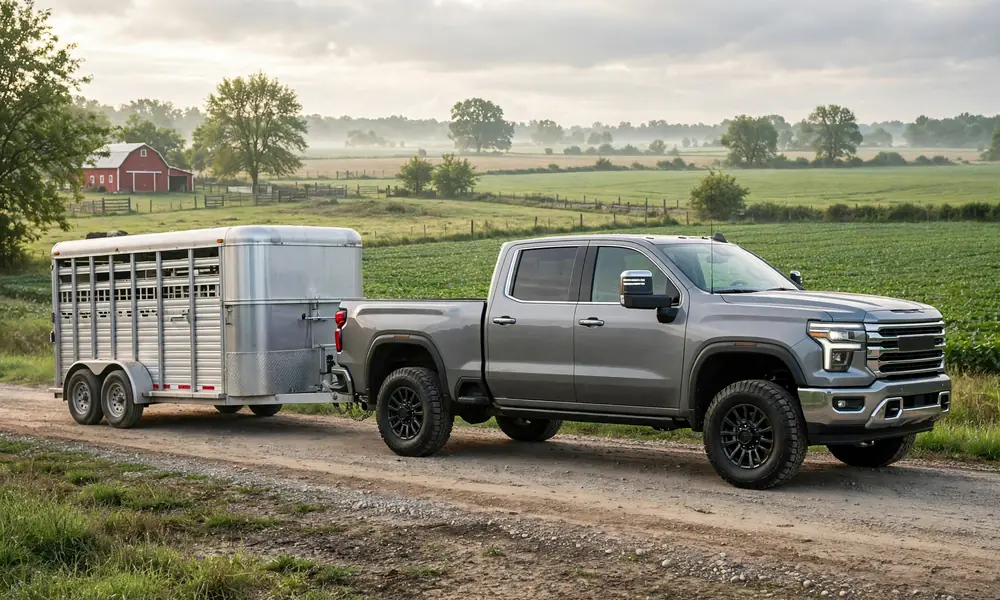
- Farmers and ranchers: A 3500 4×4 diesel dually with a suitable flatbed or gooseneck setup can be useful for heavy livestock trailers and demanding farm work. Match the configuration to terrain, traction needs and loaded trailer weight.
- Commercial fleets: A 3500 Chassis Cab can support service bodies and other specialized upfits. Compare gas and diesel options based on annual mileage, expected loads, downtime and total ownership cost.
Best model years and years to inspect carefully
Used 3500 trucks can offer strong value, but condition, maintenance and previous use are often more important than the model year alone. The following examples identify models worth researching and issues to check, not guarantees that a particular year is problem-free.
Used generations to consider
- 2015–2019 Chevrolet/GMC 3500HD: These trucks include different Duramax generations, including the LML and L5P. The engine version, service history, emissions-system condition and previous use should be checked individually.
- 2017 and newer Ford F-350: These trucks use the 6.7L Power Stroke diesel in applicable configurations. Review maintenance records, diagnostic codes and any relevant service history before purchasing.
- 2013 and newer Ram 3500: These trucks offer the 6.7L Cummins diesel in applicable configurations. Inspect front suspension components, steering and chassis condition, especially if the truck has been used for heavy towing or off-road work.
Model years and issues to scrutinize
- Early 6.7L Power Stroke (2011–2012 Ford): Some early engines have been associated with turbocharger problems. Check the specific engine’s service history and look for evidence of previous turbocharger repairs rather than assuming every truck is affected.
- Certain 2019–2020 Ram diesel trucks: A fuel-pump recall affected certain Ram 2500 and 3500 pickups and other Ram vehicles equipped with the 6.7L Cummins diesel. Confirm recall eligibility and completion using the truck’s VIN and available service records.
- 2011–2016 Chevrolet/GMC 3500HD with the LML Duramax: These trucks use a Bosch CP4 high-pressure fuel pump. Fuel-system condition and maintenance history deserve careful attention because a pump failure can lead to expensive repairs. The engine year alone does not establish that a particular truck has a defect.
Never reject or buy a used truck solely on a broad model-year reputation. Check its VIN, applicable recalls, service records and current mechanical condition.
Used 3500 truck inspection checklist
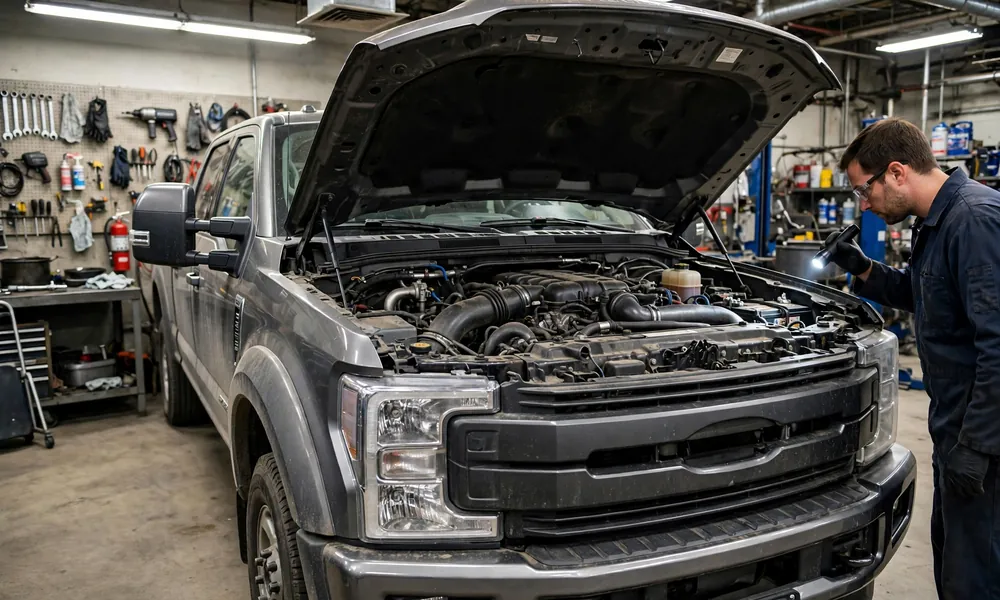
Before signing a purchase agreement, inspect the truck carefully and arrange an independent pre-purchase inspection (PPI).
- Engine and turbo: Look for oil or coolant leaks, abnormal engine noise, excessive smoke and stored diagnostic codes. Crankcase pressure can be a useful diagnostic clue, but removing the oil cap while the engine is running is not a definitive blow-by test. Have a qualified mechanic assess suspected engine wear.
- Transmission: Test for slipping, delayed engagement, harsh shifts and unusual noises. Review transmission service records where available.
- Frame and rust: Inspect frame rails, rear crossmembers, suspension mounts and hitch attachment areas for corrosion, cracks, damage or poor repairs.
- Emissions system: Check that the diesel particulate filter (DPF), selective catalytic reduction (SCR) and DEF systems are present and have not been improperly modified. Look for warning lights and emissions-related diagnostic codes.
- Front suspension: Check ball joints, tie rods, track bars where fitted, steering components and wheel bearings for excessive play or wear.
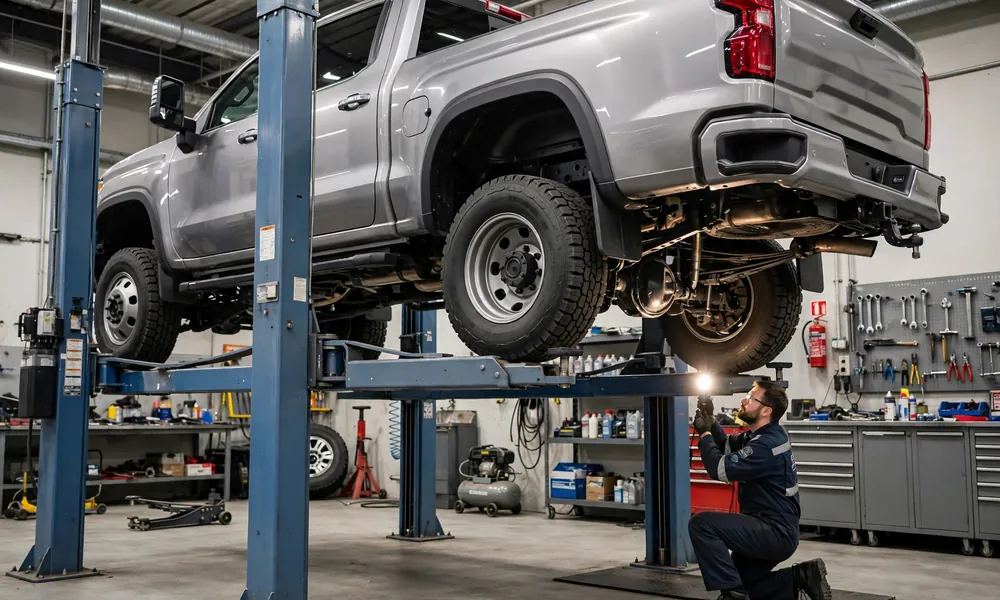
A professional inspection is especially important for trucks that have towed heavy trailers, worked commercially or spent time in areas where road salt causes corrosion.
Mileage expectations for used diesels
A well-maintained diesel engine may reach 300,000 miles or more, but longevity is not guaranteed. Maintenance, operating conditions, idling, towing loads and previous repairs all influence service life.
Gasoline trucks can also last well beyond 150,000 miles when properly maintained. At higher mileage, inspect the entire vehicle rather than focusing only on the engine. Alternators, ball joints, brake rotors, transmission components, air-conditioning compressors and other parts can require replacement regardless of fuel type.
Where to buy: dealer vs. private seller vs. auction
| Purchasing channel | Key advantages | Primary risks/disadvantages |
|---|---|---|
| Franchised dealerships | Financing options, potential warranty coverage and vehicle reconditioning | Higher asking prices and possible documentation or dealer fees |
| Private sellers | Potentially lower prices and direct access to the owner’s maintenance history | Limited warranty protection in many as-is sales; financing may require separate arrangements |
| Commercial auctions | Potential opportunities to buy below typical retail prices | Vehicles may have limited inspection or test-drive access and can carry substantial repair risks |
Scam prevention tips
- Match the VIN on the dashboard, door-jamb label and title paperwork.
- Obtain a vehicle history report to check for reported accidents, title brands, odometer discrepancies and previous ownership.
- Check for outstanding recalls and ask for documentation of completed repairs.
- Be cautious of listings priced far below comparable trucks, sellers who avoid in-person inspections and requests for deposits before the vehicle and paperwork have been verified.
- Confirm that the seller has the legal right to sell the vehicle and that any liens are properly addressed before completing the transaction.
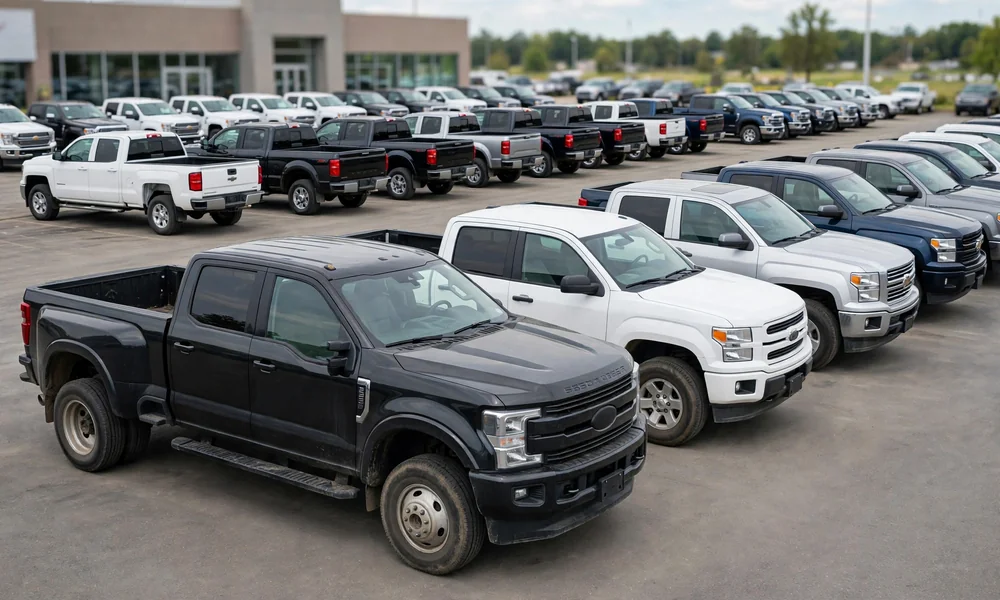
Cost of ownership breakdown
Operating a 3500 heavy-duty truck usually costs more than running a standard half-ton pickup. Your total expenses depend on annual mileage, loads, engine type, tire setup, insurance classification and maintenance history.
- Fuel costs: Heavy-duty pickups generally do not have official EPA fuel-economy ratings. As a rough planning estimate, some trucks may return around 12–16 MPG unloaded and 8–12 MPG while towing heavy loads. Actual results can fall outside these ranges depending on speed, terrain, load, gearing and engine.
- Tires: A set of four heavy-duty tires may cost approximately $1,200–$1,800, while six tires for a dually may cost around $1,800–$2,500. These are estimates; tire size, brand, load rating and installation affect the final bill.
- Insurance: Premiums depend on the driver, location, coverage, vehicle value and personal or commercial use. A heavy-duty truck may cost more to insure than a passenger car, but a universal percentage increase does not apply to every policy.
- Maintenance: Oil changes, fuel filters, brake work, tires and transmission services can add up. Diesel emissions-system repairs and specialized components can also increase costs as the vehicle ages.
Before buying, estimate your expected annual fuel, insurance, maintenance, and registration costs alongside the purchase price. These used car buying tips can help you evaluate the total cost and make a more informed decision.
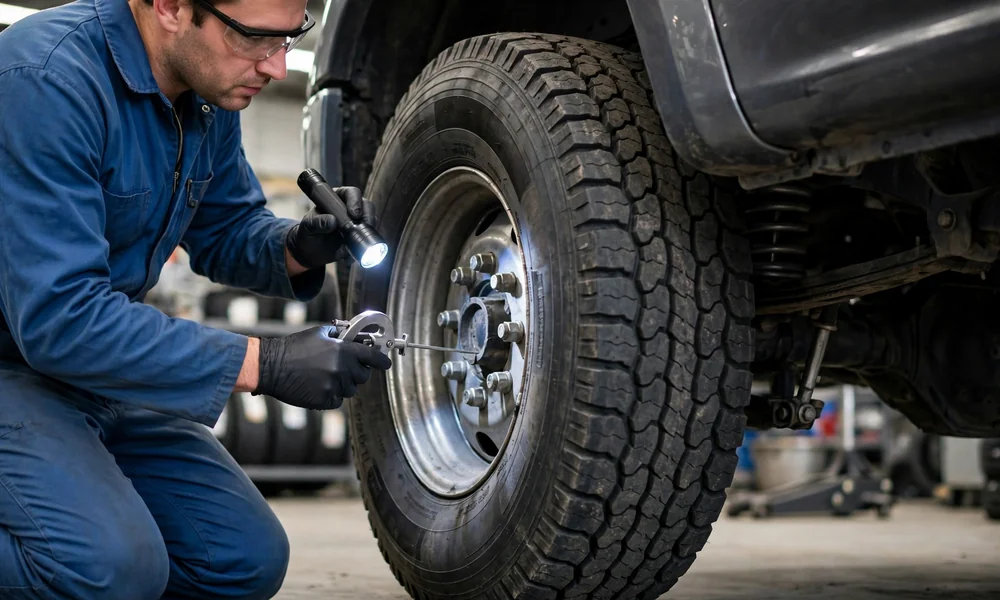
Step-by-step: how to buy the right 3500 truck
- Calculate your actual weight requirements: Determine your fully loaded trailer weight and expected pin or tongue weight. Include passengers, cargo, accessories and anything installed in the truck.
- Choose your configuration: Compare SRW and dually setups, gas and diesel engines, cab sizes, bed lengths and drivetrain options.
- Set a realistic budget: Include the purchase price, taxes, registration, insurance, routine servicing and an emergency repair fund for a used truck.
- Research local inventory: Compare dealership listings, private sellers and commercial truck marketplaces. Evaluate trucks with similar mileage, equipment and condition.
- Inspect the truck and take a test drive: Look for signs of damage, leaks, unusual transmission behavior, steering problems and suspension noise.
- Arrange a pre-purchase inspection: Pay an independent mechanic experienced with heavy-duty trucks to inspect the engine, frame, transmission, emissions systems and diagnostic codes.
- Finalize the paperwork: Verify the title, resolve any liens, check the VIN and recall status, and ensure the bill of sale and transfer documents are completed correctly.
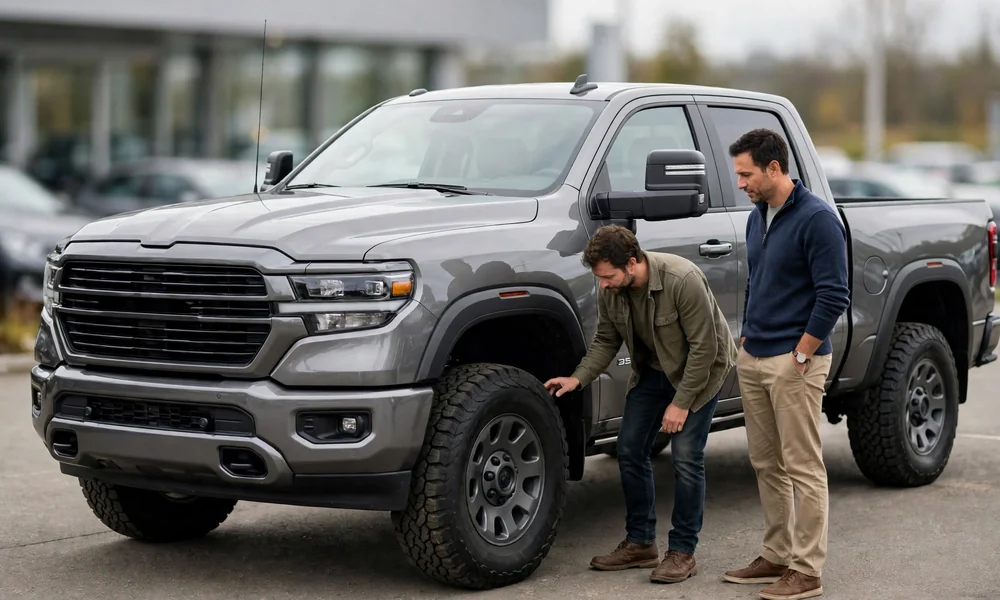
Why trust this guide?
This guide is designed to help buyers compare heavy-duty truck configurations, understand important specifications and prepare for a used-truck purchase.
- Specification checks: Engine output, towing capacity and payload should be evaluated for the exact model year and configuration rather than assumed to apply to every truck in a model range.
- Buying guidance: The inspection and ownership sections focus on practical checks buyers can complete themselves or discuss with an independent mechanic.
- Pricing context: Price ranges are estimates intended for initial budgeting, not guaranteed market averages or dealer quotations.
- Important disclaimer: Vehicle specifications, towing capacities, payload ratings and prices can vary with configuration, equipment and market conditions. Always confirm the specific vehicle’s weight ratings, current price, recall status and condition before purchasing.
Frequently asked questions
1. What does a 3500 truck mean?
A 3500 truck is a heavy-duty pickup generally associated with the one-ton category. Its chassis, suspension and available powertrains are designed for demanding hauling and towing, but its actual capacity depends on the specific configuration.
2. How much does a used 3500 truck cost?
Older, higher-mileage work trucks may be available for around $15,000, while newer, low-mileage diesel trucks in premium trims can cost more than $65,000. Condition, mileage, equipment and local market demand can move prices outside these estimates.
3. Which is better, Ram 3500 or Ford F-350?
Neither is best for every buyer. The Ram 3500 offers the 6.7L Cummins inline-six diesel, while the Ford F-350 offers the 6.7L Power Stroke V8 diesel and multiple gas-engine options. Compare the exact trucks’ payload, towing ratings, price, service history and intended use.
4. How much can a 3500 truck tow?
Maximum published towing capacities range from below 20,000 pounds on some configurations to more than 36,000 pounds on certain properly equipped diesel models. The exact rating depends on the truck, hitch type, equipment and loaded vehicle weight.
5. Is a diesel 3500 worth buying?
A diesel 3500 can be worthwhile for frequent heavy towing, long highway trips and work that benefits from strong low-speed torque. A gas model may be more economical for occasional towing and lighter-duty use because its purchase price and routine service costs can be lower.
6. How many miles is too many for a used 3500?
There is no single mileage cutoff. A gasoline truck above 150,000 miles deserves careful inspection, while a well-maintained diesel may remain serviceable beyond 250,000–300,000 miles. Maintenance records, mechanical condition and previous workload are more useful than mileage alone.
7. What is the difference between a 2500 and 3500?
A 3500 generally offers higher payload and GVWR options than a comparable 2500 and may be available with dual rear wheels. The exact differences depend on the manufacturer, engine, suspension, axle configuration and trim.
8. Where can I find 3500 trucks for sale near me?
Start with local franchised dealerships, used-truck marketplaces, commercial vehicle listing sites and reputable fleet or equipment auctions. Compare similar configurations and arrange an independent inspection before committing to a purchase.
Conclusion
A 3500 truck is a significant investment designed for demanding hauling, towing and commercial work. The right choice depends on matching your actual load requirements to the appropriate engine, axle setup, rear-wheel configuration and payload rating.
Whether you choose a Ford F-350, Ram 3500, Chevrolet Silverado 3500HD or GMC Sierra 3500HD, compare the exact specifications, review the truck’s maintenance and recall history, and arrange a thorough pre-purchase inspection before buying.
Next step: Check your trailer’s fully loaded weight, calculate the required pin or tongue weight, decide whether an SRW or dually configuration suits your needs, and use the inspection checklist when evaluating your first truck listing.

